
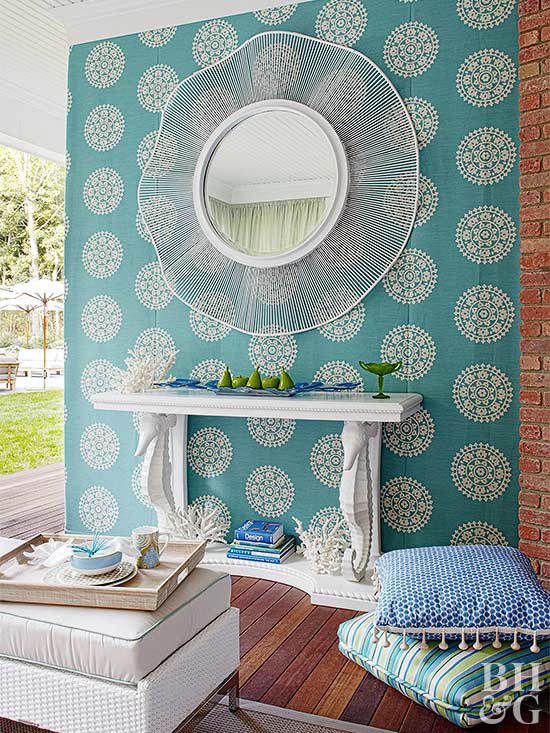
Turquoise is what happens when blue takes a vacation, green packs the sunscreen, and your home suddenly remembers it has a personality. Bright, cheerful, and surprisingly flexible, turquoise can make a room feel coastal, eclectic, vintage, modern, bohemian, tropical, or quietly elegantdepending on how you use it.
The magic of decorating with turquoise is that it does not demand an all-or-nothing commitment. You can go bold with a turquoise accent wall, energize a kitchen with blue-green tile, repaint a thrifted dresser, or simply toss a few turquoise pillows onto a neutral sofa and call it a stylish day. Unlike some dramatic colors that enter a room wearing tap shoes, turquoise can be playful without becoming chaotic.
This guide explores practical, beautiful, and realistic turquoise decor ideas for every room. Whether you rent, own, renovate, or just enjoy “accidentally” buying decorative objects at 9 p.m., these ten approaches will help you add the happy hue with confidence.
Why Turquoise Works So Well in Home Decor
Turquoise sits between blue and green, which gives it a rare design advantage. Blue brings calm, green brings freshness, and together they create a color that feels lively without being frantic. It reminds people of clear water, vintage jewelry, glazed pottery, tropical tiles, and breezy porches. That emotional range is why turquoise interior design can feel relaxing in a bedroom, energizing in a kitchen, and charming on a front door.
It also plays nicely with a wide cast of supporting characters. Pair turquoise with white and natural wood for a coastal look. Add coral, tangerine, or pink for a punchy, vacation-ready palette. Mix it with mustard, leather, and terracotta for Southwestern warmth. Use gold or brass accents, and suddenly turquoise looks glamorous enough to ask for sparkling water with lime.
1. Start with a Turquoise Accent Wall
A turquoise accent wall is one of the easiest ways to give a room instant character. It works especially well behind a bed, behind open shelving, in a dining nook, or on the wall that naturally catches your eye when you enter the room. The key is choosing the right shade and finish for the mood you want.
How to make it work
For a calm space, choose a muted aqua or dusty turquoise. For a dramatic room, go richer with teal-turquoise or a saturated jewel tone. If painting feels too permanent, peel-and-stick wallpaper is a renter-friendly solution. A turquoise pattern with botanicals, geometric lines, or subtle texture can add depth without requiring a full remodel or a complicated conversation with your landlord.
Keep the surrounding elements balanced. White trim, natural linen, rattan, oak, walnut, matte black, or warm brass can help turquoise look intentional rather than random. In small rooms, an accent wall can actually make the space feel more designed because it creates a clear focal point.
2. Paint the Front Door Turquoise
If your home exterior feels polite but forgettable, a turquoise front door can fix that in a weekend. It adds curb appeal, personality, and a cheerful welcome before guests even step inside. It is also a smart way to use a bold color without painting an entire room.
Best exterior pairings
Turquoise looks especially good with white siding, gray shingles, cream stucco, natural brick, charcoal trim, and wood porch details. Add black hardware for contrast, brass hardware for warmth, or brushed nickel for a crisp coastal finish. Plants help too. A turquoise door surrounded by greenery has that “someone stylish lives here” energy, even if the entryway still contains three mismatched umbrellas and a rogue package you forgot to bring inside.
For a softer look, choose a blue-leaning turquoise. For a bolder statement, try a deeper peacock or Caribbean-inspired shade. Always test exterior paint in daylight because sunlight can make bright colors look even brighter.
3. Use Small Turquoise Accents with Big Personality
You do not need a paint roller to decorate with turquoise. Small decor items can completely change the mood of a room when they are selected with intention. Think ceramic vases, picture frames, trays, lamps, mirrors, bowls, candleholders, bookends, or sculptural objects.
The “mini but mighty” rule
Small turquoise accents work best when they have strong shape, texture, or shine. A plain turquoise object can be nice, but a turquoise glass lamp, carved mirror frame, glazed planter, or patterned tray has more visual authority. Place accents where the eye naturally lands: on a coffee table, mantel, entry console, nightstand, or open shelf.
To avoid the dreaded “random blue thing” effect, repeat turquoise at least two or three times in the room. A vase on the table, a small artwork on the wall, and a pillow on the sofa can create a connection. The color begins to feel like a design decision, not a shopping accident.
4. Add a Turquoise Kitchen Island
A turquoise kitchen island can turn a plain white kitchen into a room with soul. Because the island already functions as a centerpiece, painting it turquoise gives the space an instant focal point. It works beautifully with white cabinets, butcher-block counters, marble, quartz, bronze hardware, or warm wood floors.
Why it works in the kitchen
Kitchens can become sterile when every surface is white, gray, or stainless steel. Turquoise adds warmth and freshness without making the room feel heavy. A bright island looks fun and family-friendly, while a darker turquoise feels sophisticated and custom.
To make the color feel connected, echo it in smaller details. Use turquoise barstool cushions, a patterned runner, pottery on open shelves, framed art, or mixing bowls displayed behind glass cabinet doors. The goal is not to match every item perfectly. In fact, please do not turn your kitchen into a turquoise hostage situation. A few related shades look more natural and layered.
5. Try Turquoise Curtains, Rugs, and Textiles
Textiles are the low-commitment heroes of interior decorating. They let you test turquoise without repainting walls, replacing cabinets, or explaining to your family why the dining room is suddenly “a concept.” Curtains, rugs, bedding, throws, and upholstered cushions can add color while also softening the room.
Where turquoise textiles shine
In a living room, turquoise curtains can frame the windows and lift a neutral palette. In a bedroom, a turquoise quilt or duvet can make the bed feel fresh and inviting. In a home office, a turquoise rug can create energy underfoot, which is helpful when your inbox appears to be multiplying like a science experiment.
Patterned textiles are especially useful because they blend turquoise with other colors. Look for prints that include cream, navy, coral, sage, yellow, gray, or tan. This makes it easier to build a complete color scheme around the textile instead of trying to invent one from scratch.
6. Refresh Old Furniture with Turquoise Paint
One of the most satisfying ways to decorate with turquoise is to paint an old piece of furniture. A dresser, side table, console, chair, bookcase, or cabinet can become a statement piece with a fresh coat of blue-green paint. This is budget-friendly, creative, and deeply satisfying for anyone who enjoys turning “found it in the garage” into “where did you buy that?”
Furniture pieces worth painting
Turquoise paint works well on pieces with interesting lines, carved details, or simple shapes that need a little charm. A vintage dresser can become a cheerful bedroom anchor. A small turquoise table can brighten a reading nook. A painted cabinet can transform a hallway or dining room.
If you want a rustic or aged effect, use a brown glaze or dark wax over the turquoise finish, then gently wipe it back so the darker tone settles into grooves and edges. For a modern look, choose a smooth satin or high-gloss finish and pair the piece with sleek hardware. Brass knobs make turquoise feel chic; black pulls make it feel grounded; crystal knobs say, “I own decorative trays and I’m not afraid to use them.”
7. Bring in Turquoise Tile
Turquoise tile is a stunning choice for kitchens, bathrooms, laundry rooms, fireplace surrounds, and outdoor areas. It offers color, shine, and texture all at once. Because tile is more permanent than pillows or paint, it is best used strategically.
Smart places to use turquoise tile
A turquoise kitchen backsplash can brighten the entire cooking area without overwhelming the room. In a bathroom, turquoise shower tile or a vanity backsplash can create a spa-like atmosphere with a playful twist. In a laundry room, turquoise tile can make chores feel slightly less tragic. Not fun, exactly, but less like a punishment from the appliance gods.
Balance bold tile with neutral surfaces. White walls, natural stone, pale wood, and simple hardware allow the tile to shine. If the tile has a strong pattern, keep the layout classic, such as stacked, subway, herringbone, or hexagon. That combination of playful color and timeless shape gives the design staying power.
8. Let One Bold Turquoise Piece Lead the Room
Sometimes all a room needs is one confident turquoise piece. A chair, sofa, ottoman, sideboard, coffee table, or painted wicker seat can become the starting point for the entire design. This approach works well when you love turquoise but do not want to scatter it everywhere.
Design around the hero piece
If you choose a turquoise chair, let it be the star. Surround it with neutral walls, a natural rug, warm wood, and one or two supporting colors. Add artwork that contains a hint of turquoise so the chair feels connected. A turquoise velvet sofa can feel glamorous with gold accents, moody walls, and layered lighting. A turquoise wicker chair can feel beachy or bohemian when paired with rattan, jute, plants, and white walls.
The trick is restraint. A hero piece loses impact if every nearby object is also shouting. Give it visual breathing room. Think of turquoise as the lead singer and the rest of the room as the band. Everyone matters, but only one person gets the sparkly microphone.
9. Upgrade Hardware with Turquoise Details
If you want a tiny update with surprising impact, swap basic hardware for turquoise knobs, pulls, or handles. Gemstone-inspired knobs, ceramic pulls, painted wooden knobs, and glass hardware can add color to cabinets, dressers, bathroom vanities, and built-ins.
Where hardware makes the biggest difference
Turquoise hardware looks beautiful on white, navy, charcoal, natural wood, black, cream, or pale gray furniture. It can make an inexpensive dresser feel custom, refresh a bathroom vanity, or add personality to a plain built-in cabinet.
This is also one of the easiest turquoise decorating ideas for renters. You can remove the original hardware, store it in a labeled bag, and reinstall it later. Just measure the screw spacing before buying new pulls. Nothing ruins a decorating mood faster than realizing your beautiful new handles require drilling holes you did not emotionally prepare for.
10. Pop in Turquoise Pillows and Art
Throw pillows are the gateway decor item for anyone experimenting with color. They are affordable, changeable, and easy to move from room to room. Turquoise pillows can wake up a beige sofa, soften a leather chair, or connect other blue-green accents in the space.
How to style pillows without chaos
Mix solids, patterns, and textures. Try one turquoise velvet pillow, one patterned pillow with turquoise and coral, and one neutral pillow in linen or boucle. For a relaxed look, choose different shades of turquoise rather than identical matches. This creates dimension and makes the room feel collected over time.
Artwork is another smart way to introduce turquoise. Abstract paintings, coastal photography, botanical prints, vintage posters, and framed textiles can all carry the hue. If you already have turquoise pillows, choose art with just a touch of the same color. This repetition ties the room together without making it look like you bought the entire aisle labeled “aqua.”
Best Colors to Pair with Turquoise
Turquoise is versatile, but it still benefits from a thoughtful palette. If you want a clean coastal style, pair turquoise with white, sand, driftwood, pale gray, and navy. For a warm and lively room, combine it with coral, tangerine, blush, or sunny yellow. For a sophisticated look, use turquoise with charcoal, espresso, brass, cream, and deep green.
Natural textures are especially helpful. Rattan, cane, linen, seagrass, jute, clay, leather, and wood all keep turquoise grounded. Without texture, bright turquoise can feel flat or overly themed. With texture, it feels layered, inviting, and grown-up.
Common Mistakes When Decorating with Turquoise
Using the same shade everywhere
A room becomes more interesting when you mix light aqua, medium turquoise, deep teal, and blue-green accents. Perfect matching can make the design feel stiff.
Ignoring lighting
Turquoise changes throughout the day. A shade that looks soft in morning light may appear electric under cool LED bulbs. Always test paint and fabric samples in the actual room.
Forgetting balance
Turquoise is cheerful, but too much of it can overwhelm a space. Balance it with neutrals, wood, metal, stone, and soft fabrics.
Real-Life Experience: Living with Turquoise in Different Rooms
Decorating with turquoise teaches you something quickly: this color has opinions, but it is not difficult. It simply wants a plan. The first time I used turquoise in a room, I treated it like a tiny accent. A single vase sat on a shelf, looking cheerful but slightly lonely, as if it had arrived early to a party and nobody else knew the theme. Once I added a patterned pillow with a hint of turquoise and a small framed print across the room, everything clicked. The vase stopped looking random and started looking intentional.
In living rooms, turquoise works best when it has rhythm. A turquoise pillow on the sofa, a blue-green ceramic bowl on the coffee table, and a painting with aqua tones above the mantel can create movement. Your eye travels around the room instead of stopping at one bright object. This is especially useful in neutral spaces, where turquoise can add life without forcing you to replace every major piece of furniture.
In kitchens, turquoise feels happiest when paired with white, wood, or warm metal. A turquoise island or backsplash can make everyday routines feel more enjoyable. Even small touches, such as a turquoise fruit bowl or barstool cushion, can make the room feel fresher. The color has a morning-friendly quality, which is helpful when you are making coffee and trying to remember your own name.
Bedrooms require a softer hand. Deep turquoise can be gorgeous, but too much saturation may feel energizing when you want rest. Muted aqua bedding, a turquoise lampshade, or blue-green artwork can create calm without turning the bedroom into a tropical smoothie. Pairing turquoise with cream, white, taupe, or natural wood helps the space feel restful.
Bathrooms are where turquoise becomes almost unfairly good. Because it already reminds people of water, it feels natural around tile, mirrors, glass, and polished fixtures. A turquoise vanity, shower niche, or patterned floor tile can make even a small bathroom feel special. If the bathroom has no natural light, choose a shade with enough depth so it does not look washed out.
The biggest lesson is that turquoise rewards editing. You do not need ten turquoise objects in one room. You need the right three. Start with one main element, repeat the hue in smaller ways, and let texture do the rest. When handled with balance, turquoise adds joy, freshness, and a little wink of personality to almost any room.
Conclusion
Turquoise is a happy hue, but it is also more sophisticated than people sometimes give it credit for. It can be coastal without being kitschy, bold without being loud, and playful without making your home look like a beach towel exploded. From accent walls and front doors to tile, textiles, furniture, hardware, and pillows, there are countless ways to decorate with turquoise at any comfort level.
The best approach is to decide how much energy you want the room to have. For subtle freshness, use turquoise in small accents and soft fabrics. For personality, choose a painted furniture piece or statement chair. For drama, go for tile, a kitchen island, a high-gloss powder room, or a saturated wall. Then balance the color with neutrals, natural textures, and complementary accents like coral, gold, wood, or white.
Note: This article synthesizes practical guidance from reputable U.S. decorating, paint, and home design resources. Source links are omitted as requested. Always test paint, tile, and fabric samples in your own lighting before making a final design decision.












