
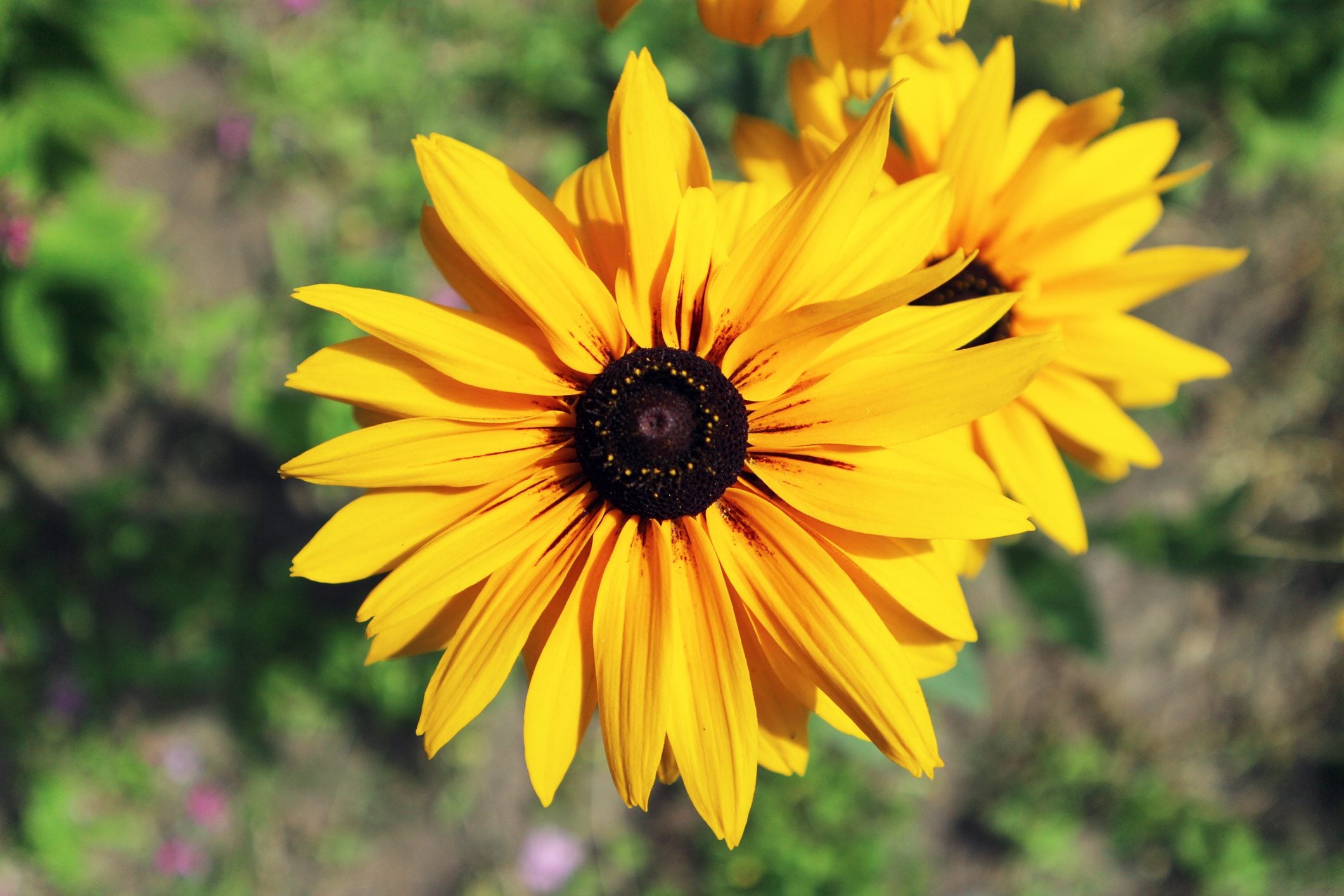
Few flowers look as cheerful as daisies. They are the garden’s version of a friendly wave: simple, bright, and somehow able to make even a tired flower bed look like it got a good night’s sleep. But “daisy” is not just one plant. It can refer to true daisies, tender perennial daisies, and daisy-like members of the huge Asteraceae family, including coneflowers and black-eyed Susans.
If you are planning a perennial garden, daisies are especially useful because they bring long bloom seasons, pollinator appeal, excellent cut flowers, and that classic “cottage garden” charm without demanding celebrity-level attention. Some are cold-hardy perennials. Some are tender perennials grown as annuals in colder climates. A few, like oxeye daisy, need caution because they can become invasive in certain regions. In other words: daisies are delightful, but they are not all equally well-behaved at the garden party.
Below are 10 types of daisies for your perennial garden, along with practical growing tips, design ideas, and honest notes about where each one shines.
1. Shasta Daisy
Best for classic white blooms and cut-flower borders
Shasta daisy is the flower most people picture when they hear the word “daisy”: white petals, golden-yellow center, upright stems, and a fresh, clean look that works with nearly every garden style. Botanically known as Leucanthemum x superbum, Shasta daisy is a hybrid perennial that became famous for its reliable summer flowers and cottage-garden personality.
Plant Shasta daisies in full sun for the best bloom show. They prefer well-drained soil and do not appreciate soggy roots. In perennial borders, they pair beautifully with lavender, salvia, catmint, coneflowers, and ornamental grasses. Taller cultivars such as ‘Becky’ can anchor the middle of a bed, while compact cultivars work well along paths or in containers.
Deadheading spent blooms can extend flowering and keep the plant looking tidy. Divide clumps every few years if flowering declines or the center becomes crowded. Think of division as giving your daisies more elbow room, not as plant punishment.
2. Montauk Daisy
Best for late-season flowers and coastal-style gardens
Montauk daisy, also called Nippon daisy, is a tough perennial with glossy green foliage and crisp white flowers that often appear later in the season than Shasta daisies. Its botanical name is Nipponanthemum nipponicum, and it is especially useful when the summer garden starts looking a little tired and dramatic.
This daisy prefers full sun and well-drained soil. It has a slightly shrubby habit and can become woody at the base, so gardeners often pinch or lightly cut it back in spring to encourage a fuller shape. Montauk daisy is also moderately salt tolerant, which makes it a smart choice for coastal gardens or sunny beds exposed to breezes.
Use Montauk daisies near ornamental grasses, sedum, asters, and late-blooming salvias. They bring a clean white accent when fall colors begin shifting toward gold, burgundy, and bronze.
3. Painted Daisy
Best for bold color in early summer
Painted daisy, or Tanacetum coccineum, is the daisy for gardeners who love the classic flower shape but want more color than white. It produces daisy-like blooms in shades of pink, red, rose, and white, often with bright yellow centers. The foliage is ferny and aromatic, adding texture even when the plant is not in bloom.
This perennial usually performs best in full sun and well-drained soil. It is especially charming in cottage gardens, pollinator beds, and informal borders. Because the flowers appear in early summer, painted daisies can bridge the gap between spring bulbs and later summer perennials.
For a lively planting combination, pair painted daisies with blue salvia, purple catmint, or silver artemisia. The result looks planned but not stiff, which is the sweet spot for a perennial garden. Deadhead after flowering to keep the plant neat, and divide when clumps become overcrowded.
4. English Daisy
Best for cool-season charm and edging
English daisy, Bellis perennis, is a small, low-growing perennial often treated as a biennial or annual in many parts of the United States. It forms neat rosettes of leaves and produces button-like flowers in white, pink, red, and bicolor forms. Some varieties look like tiny pom-poms, which is objectively adorable.
English daisies prefer cooler weather and moist, well-drained soil. In warmer areas, they may fade when summer heat arrives. They are excellent for edging beds, filling containers, or adding early-season color near pansies, violas, and spring bulbs.
Because English daisies can self-seed in some climates, check local behavior before planting widely. In a small perennial garden, they are best used as seasonal accents rather than the main structural plant. Think of them as garden confetti: wonderful in the right amount, slightly chaotic if dumped everywhere.
5. Gerbera Daisy
Best for containers, bright colors, and long-lasting cut flowers
Gerbera daisies are the glamorous cousins in the daisy family. Known botanically as Gerbera jamesonii, they produce large, vividly colored flowers in orange, yellow, pink, red, white, lavender, and many blended shades. If Shasta daisies are a white linen shirt, gerberas are the neon party blazer.
In warm climates, gerberas can be grown as perennials. In colder regions, they are often grown as annuals or container plants that can be protected from frost. They like rich, well-drained soil, regular moisture, and good air circulation. The crown should sit at or slightly above soil level because burying it too deeply can lead to rot.
Gerberas are excellent in patio pots, raised beds, cutting gardens, and sunny front borders. In hot climates, morning sun and afternoon shade can help prevent stress. Remove spent flowers and yellowing leaves to keep the plant attractive and reduce disease issues.
6. African Daisy
Best for cool-season color and modern containers
African daisy usually refers to Osteospermum, a group of frost-tender perennials often grown as annuals outside warm zones. These plants produce daisy-like flowers in white, purple, lavender, yellow, peach, and bicolor combinations. Many cultivars have a polished, almost graphic look, making them popular in containers and contemporary garden designs.
African daisies prefer full sun, well-drained soil, and moderate temperatures. They often bloom heavily in spring and fall but may slow down during intense summer heat. In mild climates, they can behave like short-lived perennials; in colder areas, they are seasonal color plants.
Use African daisies in containers, sunny borders, and mixed plantings with snapdragons, alyssum, ornamental kale, or compact grasses. Their clean flower shape works well when you want a bright, modern look without turning the garden into a botanical circus.
7. Marguerite Daisy
Best for soft, romantic garden color
Marguerite daisy, Argyranthemum frutescens, is a tender perennial or subshrub with daisy-like flowers in white, pink, and yellow. It has a breezy, romantic look that suits cottage gardens, coastal patios, and mixed containers. In warm climates, it can grow as a perennial; elsewhere, it is commonly used as an annual.
Marguerite daisies like sun, good drainage, and regular watering. They may pause during extreme heat, especially in humid regions. Light trimming can encourage branching and help maintain a rounded shape.
Pair marguerite daisies with lavender, trailing verbena, dusty miller, or blue fan flower for a soft pastel planting. They also look lovely in large containers near entryways, where they can greet visitors with cheerful blooms instead of the usual “please ignore the hose” energy.
8. Oxeye Daisy
Best admired carefully, not planted blindly
Oxeye daisy, Leucanthemum vulgare, has the classic white-and-yellow daisy look and a wildflower feel. It is hardy, adaptable, and capable of spreading by seed and rhizomes. That toughness sounds wonderful until it escapes the garden and starts acting like it owns the entire meadow.
In some regions, oxeye daisy is considered invasive or a noxious weed because it can outcompete native plants in fields, roadsides, and natural areas. Before planting it, check your local extension office or state invasive plant list. In many gardens, Shasta daisy is the better choice because it delivers the same cheerful look with less ecological drama.
If oxeye daisy already grows on your property, deadhead before seed set and prevent it from spreading into wild areas. A beautiful flower can still be a bad neighbor. Gardening, sadly, is not immune to personality conflicts.
9. Black-Eyed Susan
Best for native-style color and pollinator support
Black-eyed Susan, especially Rudbeckia fulgida, is not always called a daisy in everyday conversation, but it belongs to the daisy family and has the same radiant flower structure. Its golden-yellow petals and dark central cones bring warmth to summer and fall borders.
This tough herbaceous perennial is native to the eastern United States and thrives in full sun. It tolerates heat, humidity, and periods of drought once established. It also handles average soil, which is great news for gardeners whose soil is more “character-building” than “magazine-worthy.”
Use black-eyed Susans in pollinator gardens, prairie-style plantings, cottage borders, and low-maintenance beds. Cultivars like ‘Goldsturm’ are popular for their compact habit and strong bloom performance. Pair them with purple coneflowers, switchgrass, asters, and bee balm for a colorful, wildlife-friendly display.
10. Purple Coneflower
Best for drought tolerance, pollinators, and seed heads
Purple coneflower, Echinacea purpurea, is another daisy-family perennial that deserves a place in almost any sunny garden. Its pinkish-purple petals surround a raised central cone, giving the flowers structure and personality. Modern cultivars also come in white, yellow, orange, red, and coral shades.
Coneflowers prefer full sun to partial shade and well-drained soil. Once established, they are drought tolerant and generally easy to grow. Butterflies and bees visit the flowers, while birds may feed on the seed heads if you leave them standing into fall and winter.
In garden design, coneflowers are excellent “bridge” plants. They look natural in meadow plantings but polished enough for front-yard perennial beds. Combine them with Shasta daisies for a classic summer look, or with ornamental grasses and black-eyed Susans for a more prairie-inspired style.
How to Choose the Right Daisy for Your Garden
Match the plant to your climate
Before buying any daisy, check your USDA hardiness zone and local growing conditions. Shasta daisies, Montauk daisies, coneflowers, and black-eyed Susans are dependable perennials in many regions. Gerbera, African, and marguerite daisies are perennial only in warmer climates and are often treated as annuals elsewhere.
Prioritize drainage
Most daisies dislike wet feet. If your soil stays soggy after rain, improve drainage with compost, raised beds, or containers. Good drainage is especially important for Shasta daisies and gerberas, which can struggle with crown and root problems in overly wet soil.
Plan for bloom succession
A smart perennial garden does not bloom all at once and then retire dramatically by July. Use English daisies for cool-season charm, painted daisies for early summer, Shasta daisies for summer brightness, coneflowers and black-eyed Susans for mid-to-late summer color, and Montauk daisies for late-season flowers.
Use deadheading wisely
Deadheading can encourage reblooming and keep plants tidy. However, leave some seed heads on coneflowers and black-eyed Susans if you want to feed birds and add winter texture. The trick is balance: tidy enough to look intentional, relaxed enough to support wildlife.
Design Ideas for a Daisy-Filled Perennial Garden
For a classic white garden, combine Shasta daisies, Montauk daisies, white coneflowers, silver foliage plants, and ornamental grasses. This creates a calm, moonlit effect, especially near patios or walkways.
For a pollinator-friendly border, plant coneflowers, black-eyed Susans, Shasta daisies, bee balm, salvia, milkweed, and asters. This design provides nectar, pollen, seeds, and a long season of color. It also gives butterflies a reason to treat your yard like a five-star buffet.
For containers, use gerbera daisies, African daisies, and marguerite daisies. These plants deliver strong color and can be moved easily if weather conditions change. Use high-quality potting mix, avoid waterlogged saucers, and fertilize lightly during active growth.
Common Daisy Problems and Simple Fixes
If daisies flop, they may be reaching for light, growing in overly rich soil, or needing support. Choose compact cultivars, avoid excessive nitrogen fertilizer, and divide crowded clumps. If leaves develop spots or mildew, improve air circulation and water at soil level instead of soaking the foliage.
If flowering slows, deadhead spent blooms, check sunlight levels, and make sure the plant is not overcrowded. Many perennial daisies bloom best when they receive at least six hours of sun. If a plant has been in the same place for several years and looks exhausted, division may refresh it.
If a daisy spreads too aggressively, identify it correctly. Some plants that look charming in bloom can become weedy. Oxeye daisy is the big caution here. Always choose garden-worthy varieties and avoid planting species that are invasive in your region.
Personal Gardening Experience: What Daisies Teach You After a Few Seasons
After growing daisies in perennial beds, one lesson becomes obvious: they look simple, but they reward thoughtful placement. The first mistake many gardeners make is treating every daisy the same. A Shasta daisy in a sunny, well-drained border may stand tall and bloom beautifully, while the same plant in heavy, wet soil may sulk like it was personally offended. Gerberas may look sturdy in the garden center, but they often need more careful watering and crown placement than their cheerful faces suggest.
In a mixed perennial garden, daisies work best when they are not planted alone in a lonely row. They look more natural when repeated in groups of three, five, or seven, then blended with plants that offer different shapes. Spiky salvias, airy grasses, rounded sedums, and vertical bee balm all make daisies look better. The round daisy flowers become visual resting points, like little punctuation marks in the garden sentence.
Another useful experience is learning when not to deadhead everything. At first, it is tempting to remove every faded flower because tidy gardens feel satisfying. But leaving some coneflower and black-eyed Susan seed heads can bring birds into the garden and create winter interest. A completely spotless garden can look oddly lifeless. A slightly relaxed garden often feels more alive.
Shasta daisies are excellent for beginners because they deliver quick visual success. They also teach the value of division. After a few years, a clump may become crowded or bloom less heavily. Digging, dividing, and replanting can feel intimidating the first time, but it is one of the most practical skills in perennial gardening. You get healthier plants and, as a bonus, free plants. Garden math is rarely this generous.
Montauk daisies are especially helpful for gardeners who want fall flowers without relying only on mums. Their late bloom time adds freshness when many summer perennials are fading. The key is shaping them early enough so they do not become leggy. A light spring trim can make a big difference.
Container daisies, especially gerberas and African daisies, teach another lesson: pots dry out faster than garden beds, but they can also hold too much water if drainage is poor. The best containers have drainage holes, quality potting mix, and enough space for roots. A daisy in a cramped, soggy pot is not a happy daisy. It may still smile at you with one flower, but that is just professional courtesy.
The biggest takeaway is that daisies are not boring. They are flexible design tools. They can make a formal border feel friendlier, a wildflower bed feel brighter, and a patio container feel instantly more welcoming. Choose the right type for your climate, give it the soil and sunlight it prefers, and your perennial garden will look cheerful without feeling childish. That is the quiet magic of daisies: they are simple, but never dull.
Conclusion
Daisies are among the most useful flowers for a perennial garden because they combine charm, color, pollinator value, and easy design flexibility. Shasta daisies bring the classic white-petal look. Montauk daisies extend the season. Painted daisies add early color. Gerberas, African daisies, and marguerites brighten containers and warm-climate beds. Coneflowers and black-eyed Susans expand the daisy idea into native-friendly, drought-tolerant planting.
The best daisy garden is not just a collection of pretty flowers. It is a planned sequence of bloom times, heights, colors, and textures. Give your daisies sun, drainage, space, and occasional maintenance, and they will repay you with a garden that feels fresh, friendly, and full of life.
Note: This HTML article is original, research-informed, and prepared for web publication without embedded source links or content-reference markers.












