
Note: This article is written for publication and synthesizes current, real-world SEO guidance from Google Search Central, Bing Webmaster resources, IndexNow documentation, Moz-style SEO best practices, and leading U.S. SEO industry sources. No source links are embedded in the content so the HTML stays clean and ready to copy.
Introduction: Publishing Is Not the Finish Line
Publishing a new blog post and waiting for Google to notice it can feel like putting a message in a bottle, tossing it into the ocean, and hoping a search engine spider happens to be wearing scuba gear. The good news? You do not have to sit around refreshing Google Search Console like it owes you money. There are practical, ethical, search-engine-friendly ways to help new content get discovered, indexed, understood, and ranked faster.
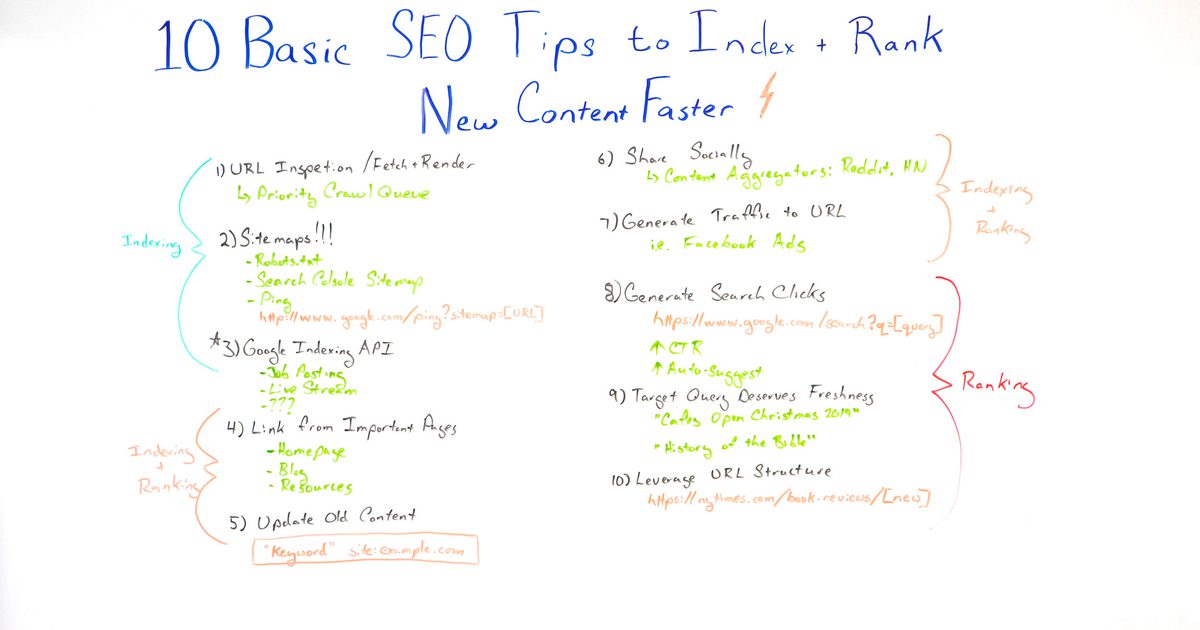
The title “10 Google SEO Tips to Index + Rank New Content Faster – Moz” points to a classic SEO problem: how do you move a fresh URL from “just published” to “actually visible in search”? Indexing and ranking are related, but they are not the same thing. Indexing means Google or Bing has discovered and stored your page. Ranking means that page is considered relevant and strong enough to appear for specific queries. In plain English: indexing gets you into the library; ranking gets your book placed on the front table instead of the dusty basement shelf.
This guide covers 10 practical SEO tips that help new content get found faster and compete better. These strategies work for blog posts, landing pages, resource guides, product pages, news articles, and updated evergreen content. They are not magic buttons. They are more like good plumbing: invisible when done right, disastrous when ignored.
1. Use Google Search Console’s URL Inspection Tool
The fastest first step after publishing a new page is to inspect the URL in Google Search Console. Paste the live URL into the URL Inspection tool, check whether Google can access it, and request indexing. This does not guarantee instant ranking, but it tells Google, “Hello, new page here, please send a crawler when convenient.” Polite, useful, and far better than hoping Google finds it someday through a random footer link.
How to use it correctly
Before requesting indexing, make sure the page returns a 200 status code, is not blocked by robots.txt, does not contain a noindex tag, and has a clean canonical URL. If the page is broken, thin, duplicated, or technically confusing, requesting indexing is like inviting guests over while your front door is missing. Google may show up, but it will not be impressed.
Use URL Inspection for important pages, not every tiny update. Google has crawl systems and quotas, and repeatedly submitting the same URL does not necessarily make it crawl faster. Prioritize new cornerstone articles, high-value landing pages, updated money pages, and time-sensitive content.
2. Submit and Maintain a Clean XML Sitemap
An XML sitemap helps search engines discover the important URLs on your website. Think of it as a neat restaurant menu for crawlers. Without it, Google can still find pages through links, but a sitemap makes discovery more organized, especially for large websites, new websites, ecommerce stores, and blogs with frequent updates.
What belongs in your sitemap?
Only include indexable, canonical, valuable URLs. Do not stuff your sitemap with tag archives, duplicate pages, filtered search pages, thin pages, or URLs you do not actually want indexed. A messy sitemap sends mixed signals. A clean sitemap says, “These are the pages that matter.”
Make sure your sitemap updates automatically when new content is published. Most modern CMS platforms and SEO plugins can handle this. After that, submit the sitemap in Google Search Console and Bing Webmaster Tools. Also include the sitemap location in your robots.txt file so crawlers can find it easily.
3. Use IndexNow for Bing and Participating Search Engines
Google still relies heavily on crawling and sitemaps, but Bing supports a modern protocol called IndexNow. IndexNow allows websites to notify participating search engines when URLs are added, updated, or deleted. That means your site can push changes instead of waiting for crawlers to stumble across them later while wandering the internet with a tiny flashlight.
Why IndexNow matters
IndexNow is especially useful for blogs, news sites, ecommerce stores, job boards, deal pages, and any site where freshness matters. Many CMS platforms, plugins, and CDNs already support it. If your site uses WordPress, Cloudflare, or a modern SEO plugin, check whether IndexNow is available and enabled.
IndexNow does not guarantee rankings, and it does not replace quality content. It simply improves discovery speed for supported engines. That alone can be valuable, especially when you publish content around trends, product launches, seasonal topics, or fast-moving industry news.
4. Build Internal Links from Important Pages
Internal links are one of the simplest ways to help new content get crawled and ranked faster. When you publish a new page, link to it from relevant, established pages on your site. This helps search engines discover the URL, understand its topic, and evaluate its importance.
Where should internal links come from?
Start with pages that already have traffic, backlinks, rankings, or strong topical relevance. For example, if you publish a new article about “technical SEO checklist,” add links from older posts about site audits, crawlability, indexing, and SEO tools. The link should feel useful to the reader, not shoved in like a coupon in a birthday card.
Use descriptive anchor text. Instead of “click here,” write something like “technical SEO checklist for new pages.” Good anchor text helps users and search engines understand what the linked page is about before they visit it.
5. Update Older Content to Support New Content
One of the most overlooked SEO tips is updating older content after publishing something new. Many site owners add the new article to the homepage or blog feed and then move on. That is a missed opportunity. Your older content may already have authority, impressions, rankings, and crawl activity. Use it.
A simple internal link workflow
Search your own site for related pages using a query like site:example.com keyword topic. Find articles that mention the same subject and add natural links to the new page. While you are there, refresh outdated statistics, improve headings, update examples, and remove broken links. Congratulations: you just helped both the old content and the new content.
This approach also builds topical authority. When your site has a connected cluster of helpful pages around a subject, search engines can better understand that you cover the topic deeply. Users benefit too because they can move from beginner explanations to advanced guides without getting lost.
6. Make the Page Technically Indexable
Before worrying about ranking, make sure the page can actually be indexed. This sounds obvious, but many indexing issues come from small technical mistakes: noindex tags, blocked JavaScript, incorrect canonical tags, redirect chains, soft 404s, broken templates, or pages that require user interaction before content appears.
Technical checks before promotion
Confirm that the page loads quickly, works on mobile, has a single clear canonical URL, and displays the main content in the HTML or in a way search engines can render. If important text is hidden behind scripts, tabs, or client-side rendering problems, crawlers may struggle to understand the page.
Also check whether your page is internally linked and not orphaned. An orphan page is a URL that exists but has no internal links pointing to it. Search engines may discover it through a sitemap, but internal links give stronger context and importance. No page should feel like it was abandoned in a digital parking lot.
7. Match Search Intent Before You Chase Keywords
Fast indexing is nice, but ranking requires relevance. Before publishing, study the search results for your target keyword. What does Google already reward? Are the top pages how-to guides, product roundups, definitions, comparison pages, videos, tools, or opinion pieces? Search intent is the difference between bringing someone a pizza and handing them a cookbook. Both involve food, but only one solves the immediate problem.
Examples of search intent
If someone searches “how to get a new blog post indexed,” they likely want a checklist or tutorial. If they search “best SEO tools for indexing,” they expect comparisons and recommendations. If they search “what is indexing in SEO,” they want a beginner-friendly explanation. Your format should match the intent, or your page may struggle even if it is technically perfect.
Use related phrases naturally throughout the content, such as “crawlability,” “indexability,” “XML sitemap,” “internal linking,” “URL Inspection,” “content freshness,” “Google Search Console,” and “ranking signals.” These terms help search engines understand context, but they should appear naturally. Keyword stuffing is not SEO; it is a cry for help in paragraph form.
8. Create Content That Deserves to Be Indexed
Search engines do not owe every page a spot in the index. If a page is thin, duplicated, automatically generated, outdated, or barely different from hundreds of existing pages, it may be crawled but not indexed. To rank new content faster, make it genuinely useful from day one.
What useful content looks like
Useful content answers the query clearly, adds original insight, includes examples, addresses related questions, and provides a better user experience than competing pages. For an SEO article, that might mean including a launch checklist, troubleshooting steps, tool recommendations, examples of internal anchor text, and common indexing mistakes.
Originality matters. You do not need to reinvent the wheel, but you should at least avoid publishing the same wheel with a different paint color. Add real experience, screenshots, case studies, expert commentary, testing notes, templates, or decision frameworks. Search engines increasingly reward content that demonstrates actual usefulness rather than generic summaries.
9. Promote the Page to Generate Discovery Signals
Promotion helps search engines and humans discover your new content faster. Share the page through email newsletters, social platforms, communities, partner sites, internal teams, and relevant resource pages. The goal is not to spam the internet like a caffeinated raccoon. The goal is to place the content where interested people can genuinely benefit from it.
Promotion ideas that help SEO
Send the article to your email list with a short explanation of why it matters. Share it on LinkedIn with a useful takeaway instead of just dropping a link. Mention it in relevant community discussions when it directly answers a question. Add it to resource hubs, onboarding emails, and sales enablement materials. If the page is excellent, pitch it to newsletters or industry roundups.
Traffic alone is not a magic ranking factor, but discovery can lead to links, branded searches, engagement, and repeat visits. Those outcomes can support long-term SEO performance. Promotion also helps you learn quickly whether the content resonates with real readers.
10. Use Freshness and URL Structure Strategically
Some queries deserve fresh results. Topics like “SEO trends 2026,” “Google algorithm update,” “best tax software,” “holiday store hours,” and “new iPhone features” naturally favor recent information. If your topic has a freshness angle, make that clear in the title, headings, examples, and update date.
Freshness is not just changing the date
Do not simply update the publish date and call it a day. That is not freshness; that is wearing a fake mustache to look like a new person. Real freshness means updating the substance: new examples, current screenshots, revised recommendations, better statistics, improved explanations, and removed outdated advice.
URL structure also matters for clarity. Use short, descriptive URLs that fit your site architecture. A URL like /seo/google-indexing-tips/ is easier for users and search engines to understand than /post?id=8472-blue-rabbit-final-v3/. Group related content in logical directories so crawlers can understand topical sections and users can navigate without needing a treasure map.
Common Mistakes That Slow Indexing and Ranking
Even strong content can struggle if the basics are neglected. The most common mistake is publishing and doing nothing afterward. Another is relying only on a sitemap while ignoring internal links. Sitemaps help discovery, but internal links provide context, importance, and pathways for users.
Another mistake is using the Google Indexing API for regular blog posts. Google’s Indexing API is intended for specific content types such as job postings and livestream content, not general articles. For most publishers, Google Search Console, sitemaps, strong internal linking, and high-quality content are the safer and more appropriate path.
Keyword stuffing is another classic problem. Repeating “Google SEO tips to index and rank new content faster” every other sentence will not impress Google, Bing, or the poor human assigned to read it. Use your main keyword naturally, then support it with related terms and genuinely helpful explanations.
Finally, do not ignore user experience. A page that loads slowly, jumps around, hides content behind popups, or buries the answer under 900 words of fluff will struggle to keep readers engaged. Search engines want to satisfy users. Help them do that.
A Practical 24-Hour Checklist for New Content
Here is a simple workflow you can use after publishing a new page:
- Confirm the page is live, indexable, mobile-friendly, and canonicalized correctly.
- Add the URL to your XML sitemap automatically or manually.
- Submit the URL in Google Search Console’s URL Inspection tool.
- Submit or confirm the sitemap in Google Search Console and Bing Webmaster Tools.
- Enable IndexNow for Bing and supported search engines.
- Add internal links from relevant high-authority pages.
- Update older related content with contextual links to the new page.
- Share the content through email, social media, and relevant communities.
- Monitor indexing status, impressions, and crawl issues in Search Console.
- Improve the content based on early search queries and user behavior.
This checklist will not make every page rank overnight, but it gives every strong page a better launch. SEO is not about tricking crawlers. It is about making discovery, understanding, and usefulness easier.
of Real-World Experience: What Actually Helps New Content Move Faster
In real SEO work, the pages that index and rank fastest usually have three things in common: a healthy website, a clear purpose, and immediate support from existing assets. A brand-new article on a neglected site with weak internal linking may take longer to gain traction. The same article on a well-structured site with strong topical authority, clean crawl paths, and an active audience can appear much faster.
One practical example: imagine a home improvement website publishes a new guide called “How to Choose the Best Paint Roller for Cabinets.” If the site simply publishes the post and waits, Google may eventually find it. But if the editor links to it from older articles about cabinet painting, paint finishes, DIY kitchen makeovers, and painting tools, the new page has a much stronger launch. Add a sitemap update, request indexing, share it in the newsletter, and include it in a “Painting Tools” hub page, and suddenly the article is not floating alone. It belongs to a topic cluster.
Another experience: updating older content often creates faster results than publishing brand-new pages from scratch. If an old article already ranks on page two for several queries, adding a new section, improving internal links, updating examples, and refreshing the title can sometimes produce movement faster than a new URL. That is because the page already has history, links, and search data. New content should not always mean new URLs. Sometimes the smarter SEO move is to improve an existing asset.
For newsy or trend-based topics, speed matters more. If you publish an article about a fresh Google update, a new Bing feature, or a current ecommerce trend, get the technical steps done immediately. Submit the URL, update the sitemap, use IndexNow where applicable, and promote the article quickly. Freshness-sensitive content has a shorter window of opportunity. Waiting three days to promote it is like bringing sunscreen after the vacation.
For evergreen topics, depth matters more. A guide about “how indexing works” does not need to be first; it needs to be better. Better means clearer definitions, useful diagrams, practical checklists, examples, troubleshooting advice, and concise answers. Evergreen pages can rank for years if maintained well. Schedule updates every few months, especially when Google Search Console shows new queries you did not originally target.
The biggest lesson from experience is simple: indexing is not a single action. It is a system. Technical SEO opens the door. Internal linking points the way. Content quality earns attention. Promotion creates discovery. Updates maintain relevance. When these pieces work together, new content gets a much better chance to move from invisible to indexed, and from indexed to ranking.
Conclusion: Faster Indexing Starts Before You Hit Publish
The smartest way to index and rank new content faster is to prepare the path before the page goes live. Build a logical site structure. Keep your sitemap clean. Use Google Search Console and Bing Webmaster Tools. Add internal links from relevant pages. Match search intent. Write something genuinely useful. Promote it where real people care. Then monitor, improve, and repeat.
There is no secret SEO button hidden behind Google’s curtain. There are only strong fundamentals, applied consistently. And honestly, that is good news. You do not need wizard robes, a secret handshake, or a $3,000 “instant indexing” spell. You need a clean website, helpful content, smart links, and a launch process that tells search engines exactly where your best work lives.
Follow these 10 Google SEO tips, and your new content will have a stronger chance of being discovered, indexed, understood, and ranked faster. Not magically. Not instantly every time. But reliably, professionally, and without annoying Google, Bing, or your readers. That is the kind of SEO that lasts.












