
If you grew up in the 2000s, there is a decent chance Disney Channel was less of a TV network and more of a lifestyle. It was where after-school snacks happened, where pajamas met premiere nights, and where a suspicious number of family problems were solved in exactly 22 minutes. One minute you were doing homework, and the next you were fully invested in whether Lizzie would survive middle school, whether Raven’s vision would go spectacularly wrong, or whether Miley could keep a blonde wig from ruining her whole double life.
The beauty of 2000s Disney Channel shows was that they felt larger than life without drifting too far away from real kid problems. Sure, some series involved secret pop stardom, psychic visions, time travel, and wizard competitions. But underneath the sparkles, catchphrases, and cartoon sound effects, these shows were about friendship, embarrassment, family chaos, and trying to figure out who you were before high school swallowed you whole.
Narrowing this list down to just 10 is basically an act of emotional violence, but these are the Disney Channel shows that truly defined growing up in the 2000s. They launched stars, shaped pop culture, inspired endless reruns, and gave an entire generation a shared language of references that still hit hard today. If you have seen them all, congratulations: you probably deserve a gold-plated remote control.
Why 2000s Disney Channel shows still hit so hard
Part of the magic was timing. Disney Channel arrived at exactly the moment when tween culture became a full-blown universe. These shows were not quite little-kid programming and not quite teen drama either. They lived in that sweet spot where life felt huge because a bad haircut, a school dance, or a missed phone call could absolutely count as a personal crisis. The tone was bright, funny, and safe enough for family viewing, but it still understood the emotional drama of being 12.
Another big reason these series endured is that they were packed with personality. Disney Channel in the 2000s was not short on stars. Hilary Duff, Raven-Symoné, Shia LaBeouf, Miley Cyrus, Selena Gomez, Dylan and Cole Sprouse, and Christy Carlson Romano all helped turn the network into a pop culture machine. Add sticky theme songs, memorable side characters, and some of the most rewatchable comfort-TV setups ever invented, and you had a lineup that felt unbeatable.
1. Lizzie McGuire
The blueprint for awkward middle-school greatness
Before Disney Channel fully leaned into mega-franchises, Lizzie McGuire showed how powerful a simple coming-of-age comedy could be. Lizzie was not a superhero, wizard, or secret celebrity. She was just a regular eighth-grade girl trying to survive school, friendships, crushes, and social disasters without spontaneously combusting. Honestly, relatable queen behavior.
What made the show special was how perfectly it captured the emotional chaos of early adolescence. Lizzie, Miranda, and Gordo felt like real kids, not polished TV robots delivering lines from another planet. The animated version of Lizzie’s inner thoughts gave the series an extra dose of humor and made every cringe-worthy moment even funnier. Then the franchise leveled up with The Lizzie McGuire Movie, which sent Lizzie to Rome and somehow made a school trip feel like the most glamorous event in human history.
For a lot of viewers, Lizzie McGuire was the first Disney Channel show that truly felt like growing pains with better outfits.
2. Even Stevens
Chaos, sibling warfare, and peak early-2000s comedy
Even Stevens was pure comic energy. The show revolved around the wildly different Stevens siblings: Ren, the perfectionist overachiever, and Louis, the human tornado. Their sibling rivalry turned everyday family life into a slapstick battlefield, and the result was one of Disney Channel’s funniest early hits.
The genius of Even Stevens was that it felt messy in the best way. It was fast, goofy, and willing to push its jokes into gloriously ridiculous territory. Shia LaBeouf’s performance as Louis gave the show a chaotic spark that made every scheme, prank, and public humiliation land harder. Meanwhile, Christy Carlson Romano’s Ren brought just enough structure and exasperation to keep the whole thing from collapsing into total madness. Barely.
It also helped define that early Disney formula: strong family setup, school-centered storylines, and characters who were exaggerated enough to be hilarious but grounded enough to feel familiar. If your household contained one responsible sibling and one absolute menace, this show probably felt less like fiction and more like surveillance footage.
3. That’s So Raven
The sitcom that made psychic visions look extremely inconvenient
That’s So Raven took a classic teen sitcom setup and added a fantasy twist that made it instantly stand out. Raven Baxter could see flashes of the future, but the real joke was that she almost always misread what those visions meant. Every attempt to “fix” the future usually created a much bigger disaster, which is honestly a pretty solid metaphor for growing up.
Raven-Symoné was the engine that powered the entire series. Her physical comedy, facial expressions, and total commitment to every ridiculous disguise made the show unforgettable. But That’s So Raven also had heart. It balanced laughs with stories about friendships, family, school pressure, and self-confidence. Chelsea and Eddie were top-tier sidekicks, and the Baxter family felt warm, funny, and lived-in.
Its impact was huge. The show became one of Disney Channel’s defining live-action hits, spawned Cory in the House, and later inspired Raven’s Home. Not bad for a sitcom built on the idea that knowing the future mostly leads to terrible decisions.
4. Kim Possible
The animated icon who made saving the world look like an extracurricular
Kim Possible proved Disney Channel did not need live action to dominate the tween universe. Kim was a cheerleader, a student, and an international crime-fighter. Somehow, the show made all of that seem perfectly reasonable. Ron Stoppable brought lovable chaos, Rufus the naked mole-rat stole scenes on sight, and Dr. Drakken with Shego gave the series one of the most entertaining villain pairings in Disney history.
What made Kim Possible so important was its tone. It was stylish, funny, and action-packed, but it never forgot the comedy in everyday teen life. Kim could defeat global supervillains and still panic over school drama. That balance made her feel aspirational without becoming unapproachable.
The series also built serious staying power. Its theme song became instantly recognizable, and the show was strong enough to outgrow Disney Channel’s old 65-episode ceiling. That alone tells you it was not just popular; it was a genuine franchise-level force. For many kids, “Call me, beep me” was not a lyric. It was a personality trait.
5. Phil of the Future
The most underrated time-travel comfort show of the era
Some Disney Channel shows were gigantic, and some were sneakily beloved. Phil of the Future belongs in that second category. The premise was simple and wonderful: Phil Diffy and his family are stranded in the 21st century after their time machine breaks down. That setup gave the show endless room for fish-out-of-water comedy, futuristic gadgets, and the kind of innocent weirdness that made 2000s Disney Channel so charming.
Phil himself was easy to root for because, underneath the sci-fi gimmick, he was just a good kid trying to fit in. Keely added warmth and chemistry, Pim was delightfully terrifying, and the family dynamic kept everything feeling playful. The show was never the loudest title in Disney’s lineup, but it had a distinct identity and a surprising amount of heart.
It also captured something essential about growing up: feeling slightly out of sync with the world around you. Phil of the Future just took that idea and added gadgets from the year 2121. Very subtle.
6. The Suite Life of Zack & Cody
The hotel sitcom that turned one building into a whole universe
The Suite Life of Zack & Cody had one of the smartest setups Disney Channel ever used. Put twin brothers in a luxury Boston hotel, surround them with big personalities, and let the chaos handle itself. Zack and Cody were mischievous without being impossible, London Tipton delivered gloriously absurd rich-girl comedy, Maddie kept things grounded, and Mr. Moseby became one of the network’s most iconic authority figures.
The show worked because the Tipton Hotel felt like its own little world. There was always somewhere to sneak into, someone to annoy, or some scheme ready to explode. But it also had warmth. The bond between the twins and their mom gave the comedy emotional balance, and the ensemble cast turned the series into more than just “kids running around a hotel.”
It became one of Disney Channel’s biggest signature hits and later spun off into The Suite Life on Deck. That is the kind of success that says, “Yes, the chaos may continue, now on a boat.”
7. Hannah Montana
The show that made the double life fantasy feel possible
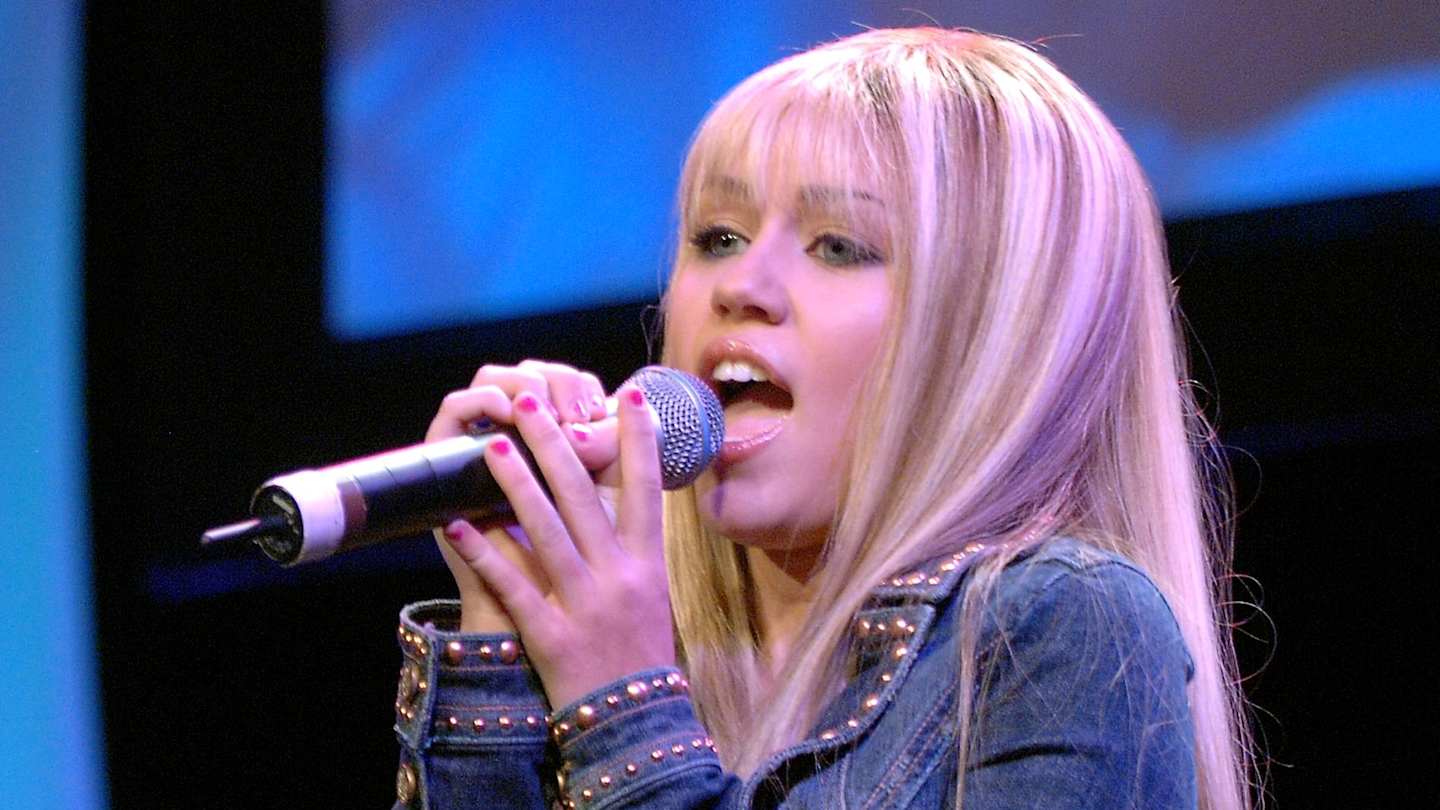
Few Disney Channel series hit the culture as hard as Hannah Montana. The concept was irresistible: Miley Stewart was a regular teenager by day and a massively famous pop star by night. It was part sitcom, part fantasy, part music machine, and all catnip for kids who wanted regular life to come with better lighting and a sold-out concert tour.
Miley Cyrus became a phenomenon through this show, and the series turned songs, merch, tours, and catchphrases into a full-scale Disney empire. But beyond the glossy pop-star fantasy, Hannah Montana tapped into something real: the pressure of identity. Miley was always trying to balance who she was, who people wanted her to be, and what parts of herself she could keep private. That is a surprisingly relatable idea wrapped in sequins.
It also gave Disney Channel one of its most recognizable brands ever. When people think of 2000s Disney nostalgia, Hannah Montana is rarely far behind. The best of both worlds? More like the most marketable of all worlds.
8. Wizards of Waverly Place
Family sitcom, magical competition, and Selena Gomez at full power
Wizards of Waverly Place took sibling rivalry and turned it into actual magical warfare. Alex, Justin, and Max Russo were wizard siblings training for the day when only one of them could keep the family powers. That built-in competition gave the series a sharper edge than many Disney sitcoms, and it made the emotional stakes feel higher than your average school dance episode.
Selena Gomez’s Alex Russo quickly became one of Disney Channel’s standout characters: sarcastic, clever, selfish, lovable, and much smarter than she wanted adults to think. Justin was the overachiever, Max was the chaos gremlin, and the rest of the Russo family made the world feel complete. The magic effects were fun, but the real strength of the show was the character chemistry.
The series balanced fantasy with family comedy so well that it became one of the network’s biggest late-2000s successes, complete with a TV movie and years of rerun power. If Harry Potter had more sandwich-shop jokes and less homework panic, you would be somewhere in the Wizards of Waverly Place neighborhood.
9. The Proud Family
Animated comedy with attitude, heart, and a sharp point of view
The Proud Family deserves a permanent seat at the table in any conversation about classic 2000s Disney Channel shows. Centered on Penny Proud and her loud, loving, frequently chaotic family, the show mixed humor with stories about identity, friendship, peer pressure, and family expectations. It was funny enough for kids, but it also had real bite.
Penny was a terrific lead because she felt authentic. She was smart, frustrated, loyal, embarrassed by her family when necessary, and constantly trying to navigate the space between childhood and independence. Trudy, Oscar, Suga Mama, Dijonay, and the rest of the cast gave the show a voice that was bold and unforgettable.
More than two decades later, people still talk about The Proud Family because it brought style and substance together. It was not just entertaining; it was specific, confident, and culturally important. Some shows are nostalgic because they are comforting. This one is nostalgic because it was genuinely excellent.
10. Phineas and Ferb
The summer-vacation masterpiece that closed the decade on a high note
Phineas and Ferb arrived toward the end of the 2000s and instantly felt different. The formula was simple: two inventive stepbrothers build something impossible every day of summer while their sister Candace tries and fails to expose them, and Perry the Platypus secretly fights Dr. Doofenshmirtz. If that sounds chaotic, that is because it is. Beautifully.
The show’s writing was insanely clever for a kids’ series. It had songs, running jokes, inventive visuals, and a rhythm that made it wildly rewatchable. It could entertain younger kids and still sneak in enough smart humor to keep older viewers and parents engaged. That is rare. That is also how a show becomes a long-term obsession.
By the time the 2000s closed out, Phineas and Ferb had become one of Disney’s most durable animated brands. It was the kind of series that made you wish summer vacation actually came with a soundtrack and engineering resources.
So, have you seen them all?
The answer probably depends on which phase of 2000s Disney Channel raised you. Maybe you were there for the early era of Lizzie McGuire and Even Stevens. Maybe your golden age was That’s So Raven, Suite Life, and Kim Possible. Maybe you came in hot for Hannah Montana, Wizards of Waverly Place, and Phineas and Ferb. The beauty of Disney Channel during that decade is that it kept evolving while still feeling connected. No matter when you tuned in, it gave you a cast of characters that felt like part of your weekly routine.
And yes, nostalgia is doing some of the heavy lifting here. But not all of it. These shows really were memorable. They had strong hooks, lovable ensembles, catchy music, quotable lines, and a knack for turning ordinary growing-up problems into something funnier and brighter. That is why people still rewatch them, rank them, debate them, and post clips of them like they are treasured family heirlooms. In a way, they kind of are.
What it felt like growing up with Disney Channel in the 2000s
Watching Disney Channel in the 2000s was not just about the shows themselves. It was about the routine around them. You came home from school, dropped your backpack like it had personally offended you, grabbed a snack that was probably neon-colored, and flipped on the TV to see what was on. Sometimes you caught a rerun you had already seen 14 times and still watched the whole thing anyway because obviously this was the episode where Raven wore a ridiculous disguise or where Zack and Cody caused property damage at the Tipton again.
There was also something special about how these shows fit into everyday life. You talked about them at school the next day. You copied the catchphrases. You debated which character was funniest, coolest, or most annoying in a very serious tone, as if the future of democracy depended on whether London Tipton was iconic or just chaotic. Theme songs were not background noise. They were events. You heard the opening notes and immediately stopped whatever you were doing, because skipping a Disney Channel intro in the 2000s would have felt spiritually incorrect.
These series also became part of how a lot of kids imagined growing up. Lizzie McGuire made middle school look embarrassing but survivable. Kim Possible made competence look cool. Hannah Montana sold the fantasy that your ordinary life might secretly be extraordinary. Wizards of Waverly Place made sibling rivalry feel mythic. The Proud Family and That’s So Raven showed families that were funny, messy, loving, and memorable. Even the most exaggerated setups were grounded in feelings kids actually recognized: wanting to fit in, wanting independence, wanting your crush to notice you, and wanting your family to stop being weird for five consecutive minutes.
And then there was the larger Disney Channel experience: crossover episodes, marathons, bumpers, summer programming, and the strange but effective magic of feeling like everyone your age was somehow watching the same thing. Streaming gives us convenience, sure, but it does not quite recreate the thrill of waiting for a new episode at a specific time and planning your evening around it like a tiny TV executive.
That is why these shows still matter. They were not just entertainment; they were part of the texture of growing up in the 2000s. They played in the background of sleepovers, sick days, weekend mornings, and school-night negotiations over bedtime. Rewatching them now is not only about revisiting a plot. It is about revisiting a feeling: that weird, hilarious, slightly dramatic stage of life where everything felt huge, friendships felt permanent, and a Disney Channel theme song could improve your mood in under ten seconds.












