
Note: This article is an original synthesis based on real U.S. hurricane-preparedness guidance and edited for web publication.
When people think about hurricane damage, they usually picture dramatic roof blow-offs, palm trees doing gymnastics, and patio furniture trying out for aviation school. But windows are often where the trouble starts. Once a window breaks, wind-driven rain, flying debris, and sudden pressure changes can turn a bad storm into a very expensive indoor water feature. In other words, your windows are not just glass rectangles. During a hurricane, they are part of your home’s defensive line.
If you want to protect your home, your family, and your sanity, hurricane window protection needs to happen before a storm is breathing down your mailbox. The good news is that there are smart, proven ways to do it. The even better news is that “smart and proven” does not include slapping tape on the glass and hoping for a miracle. Let’s save the wishful thinking for birthday candles.
Why Window Protection Matters During a Hurricane
Hurricane-force winds can turn loose objects into fast-moving projectiles. A branch, roof tile, sign, lawn chair, or random piece of neighborhood chaos can strike a window and shatter it. Once that opening is created, wind and rain can pour into the house. That is when damage tends to spread fast. Floors get soaked, drywall gets ruined, furniture gets trashed, and the pressure inside the home can increase enough to make the overall structure more vulnerable.
That is why protecting windows from a hurricane is about much more than saving glass. It is about protecting the home envelope. When the envelope stays intact, the house has a far better chance of coming through the storm with less damage.
The Best Ways to Protect Windows from a Hurricane
1. Install Permanent Hurricane Shutters
If you want the gold-star answer to how to protect windows from a hurricane, permanent storm shutters are one of the best options. They are designed to shield windows from windborne debris and help prevent breakage during severe weather. Good systems are engineered, tested, and made for high-wind events, not just for looking rugged from the driveway.
Popular options include accordion shutters, roll-down shutters, Bahama shutters, colonial shutters, and removable metal storm panels. Each type has pros and cons. Roll-down shutters are convenient and quick to deploy. Accordion shutters are durable and practical. Removable panels are often more affordable, though they require storage space and more effort before a storm.
The key detail here is not the style. It is the rating. Look for products that meet recognized impact and pressure standards. Ask contractors about approvals and test standards rather than accepting vague phrases like “storm-ready” or “hurricane style.” In storm prep, marketing language is cute, but engineering is better.
2. Upgrade to Impact-Resistant Windows
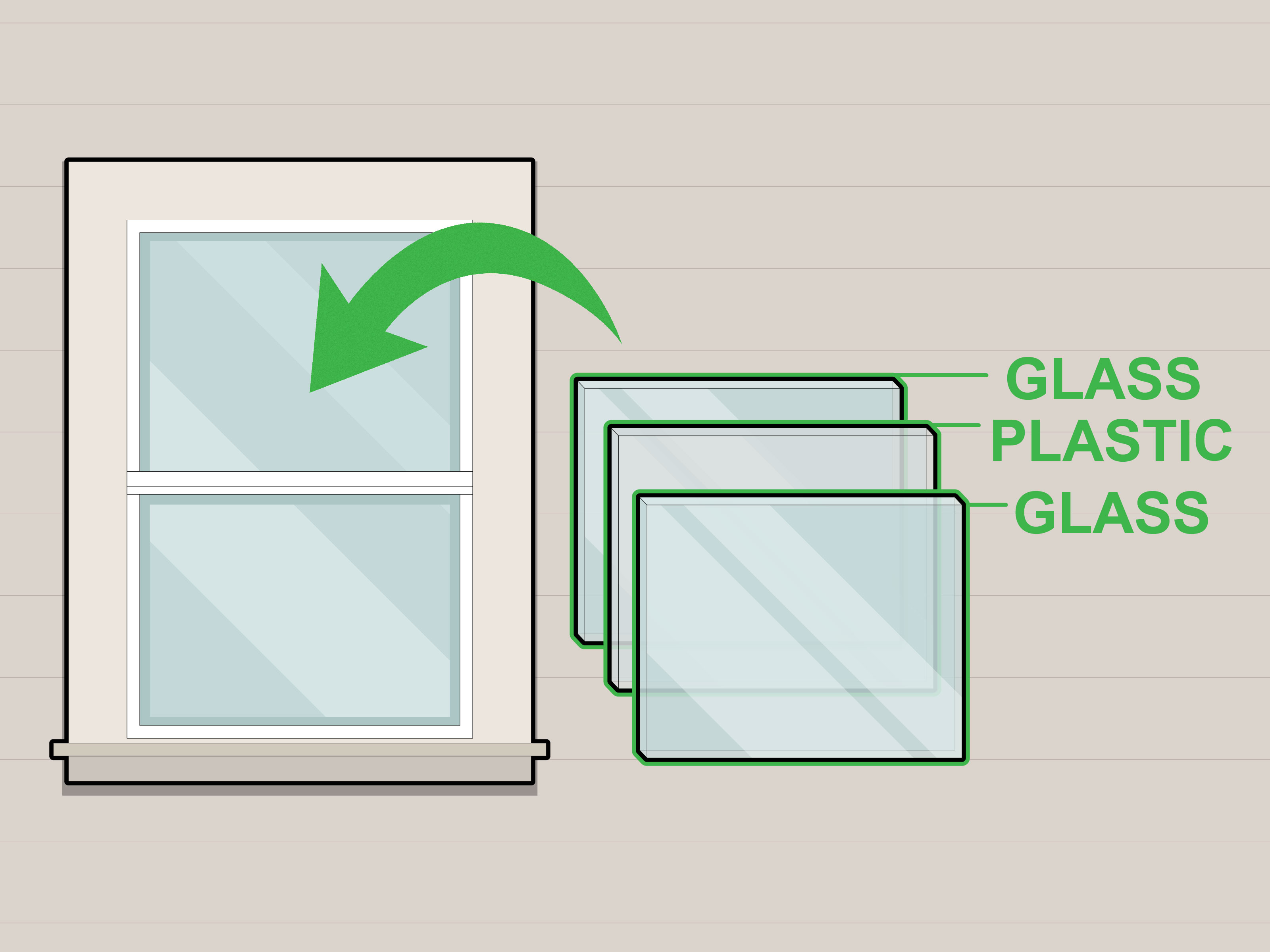
Impact-resistant windows, sometimes called hurricane windows, are a strong long-term solution. These windows use laminated glass and reinforced framing designed to resist impact and remain in place even when cracked. They are especially appealing for homeowners who live in hurricane-prone regions and want year-round protection without dragging panels out of the garage every season.
They are not cheap, and that is the honest truth. But they offer daily benefits beyond hurricane season, including added security, noise reduction, and often improved energy performance. If you are already planning a window replacement or a major renovation, this upgrade can make a lot of sense.
That said, do not buy based on a sales pitch alone. Make sure the product is appropriate for your wind zone, local code requirements, and home design. In coastal areas, the wrong window is still the wrong window even if the brochure is glossy enough to blind you.
3. Use Properly Sized 5/8-Inch Exterior-Grade or Marine Plywood
If permanent shutters or impact windows are not in the budget yet, pre-cut plywood can serve as a practical backup. The important phrase here is pre-cut. Not “I will figure it out in the middle of a hurricane watch while three hardware stores are sold out and my drill battery is dead.”
For many homes, 5/8-inch exterior-grade or marine plywood is the standard emergency board-up option. The panels should be measured, cut, labeled for each window, and stored ahead of time with the necessary hardware. That way, when a storm approaches, installation is a fast operation rather than a stress test for your marriage, your ladder, and your vocabulary.
Also, plywood is only effective when it is properly secured to the structure. A loose panel is just a future projectile with commitment issues. If you plan to rely on plywood, learn the correct attachment method for your house type and opening size, and check local code guidance before storm season.
What Does Not Work
Stop Taping Your Windows
Let us lovingly retire one of the most stubborn storm myths on the coast: taping windows does not protect them from a hurricane. It does not make the glass stronger. It does not stop debris impact. It does not turn your window into a superhero. At best, it wastes time. At worst, it leaves you with broken glass and sticky cleanup after the storm.
If a hurricane is coming, skip the tape and spend that time doing something useful, like deploying shutters, putting up pre-cut plywood, bringing outdoor items inside, or charging tools and devices.
Do Not Rely on Decorative Shutters
Plenty of homes have decorative shutters that look charming in photos and do absolutely nothing when the weather turns angry. A true storm shutter is built, tested, and installed for impact and wind pressure. Decorative panels are just decoration. They may improve curb appeal, but they will not negotiate with a two-by-four flying at highway speed.
Do Not Assume Window Film Alone Is Enough
Some shatter-resistant films can help hold broken glass together, which may reduce dangerous shards. That can be useful as part of a broader strategy. But film alone is not the same as a tested opening protection system. For serious hurricane protection, shutters, impact-rated assemblies, or properly secured plywood are the stronger choices.
How to Prepare Before Hurricane Season
The smartest hurricane prep happens when the weather is boring. That is when you want to inspect, repair, measure, label, and organize. Once a watch is issued, time suddenly becomes rare and hardware stores become modern gladiator arenas.
Create a Window Protection Plan
- Walk around the house and identify every vulnerable opening, including windows, glass doors, sidelights, and large fixed glass panels.
- Decide which protection method each opening will use.
- Label panels or shutters clearly by location.
- Store hardware, anchors, washers, bits, gloves, and tools together in one sealed container.
- Do a practice run before the season starts.
Inspect for Weak Spots
Window protection works best when the rest of the exterior is not falling apart. Check caulking, framing, trim, fasteners, and signs of rot. Make sure doors and garage doors are in good shape too. One failed opening can create major problems, even if your windows are protected like they are starring in an action movie.
Review Insurance and Documentation
Take photos of your windows, shutters, and the rest of the home before the season. Save receipts for upgrades and repairs. Review your homeowners and flood insurance. Hurricane damage is complicated enough. You do not want paperwork joining the disaster just because it got left in a damp drawer.
What to Do When a Hurricane Watch Is Issued
A hurricane watch generally means hurricane conditions are possible within 48 hours. This is your signal to move from planning to action. Do not wait for the sky to look dramatic. Hurricanes do not need your emotional readiness to keep their schedule.
Your Hurricane Watch Checklist
- Install or close storm shutters.
- Put up labeled plywood panels if that is your backup system.
- Bring patio furniture, planters, grills, tools, and yard decor indoors.
- Trim or secure loose items near windows.
- Charge power tools, phones, battery packs, and flashlights.
- Move valuables away from windows.
- Confirm your evacuation zone and local emergency instructions.
If you live in an area subject to mandatory evacuation, obey local orders. Window protection is important, but it is not more important than your life. A well-protected home is great. A well-protected home with you safely somewhere else is better.
What to Do When a Hurricane Warning Is Issued
A hurricane warning generally means hurricane conditions are expected within 36 hours. By this point, your window protection should already be up. This is not the moment for last-second shopping trips, ladder acrobatics, or “maybe I will just install one more panel.” Finish preparations early because outside work becomes more dangerous as winds increase.
Once conditions deteriorate, stay inside, keep away from windows and glass doors, and shelter in an interior room if needed. If local officials tell you to evacuate, go. Do not let your beautifully installed shutters talk you into bad judgment.
Budget-Friendly Hurricane Window Protection Strategy
Not every homeowner can replace every window with impact glass in one magical weekend. That is fine. Hurricane prep does not have to be all-or-nothing. A layered plan can still be very effective.
Start with the Most Vulnerable Areas
Prioritize large front-facing windows, sliding glass doors, and openings exposed to prevailing winds or debris sources. Then build from there. You can add permanent shutters over time, upgrade select windows during renovation, and keep pre-cut plywood ready for the rest.
Think in Terms of Risk Reduction
Maybe your dream plan is impact-rated windows everywhere. Great. But your realistic plan this year might be accordion shutters for the front elevation, plywood for secondary windows, and a better storage system for hardware and tools. That is still progress. In hurricane prep, improvement beats perfection every time.
Common Mistakes Homeowners Make
- Waiting until a storm is approaching to buy supplies.
- Using tape instead of real protection.
- Failing to measure and label plywood panels ahead of time.
- Ignoring glass doors, garage doors, and side windows.
- Assuming any shutter product is automatically storm-rated.
- Skipping practice installation.
- Focusing on property and forgetting evacuation planning.
In short, the biggest hurricane window protection mistakes are usually timing mistakes. The storm is not the time to invent a system. The storm is the time to use the system you already prepared.
Real-World Lessons and Experiences from Hurricane Country
The reflections below are composite, real-world-inspired experiences drawn from common homeowner lessons in hurricane-prone areas.
One of the most common stories from homeowners after a major storm is surprisingly simple: the people who prepared early almost always say the same thing afterward, “I’m so glad we didn’t wait.” Not because prep was fun. Nobody has ever said installing panels in humid weather felt like a spa day. But because once the forecast tightened, they were no longer competing for plywood, batteries, contractors, or common sense at the hardware store.
Another common lesson comes from families who assumed a few sturdy-looking windows would probably be fine. Then a nearby branch, roof shingle, or loose yard object hit the glass, and suddenly the problem was no longer “a broken window.” It became soaked flooring, ruined curtains, damaged furniture, and hours of rain blowing into rooms that had seemed perfectly safe. Many homeowners say the biggest surprise was how quickly a single broken opening changed the entire situation inside the house.
People who invested in permanent shutters often talk about peace of mind as much as protection. They still take storms seriously, of course, but their routine becomes calmer. Instead of a frantic hunt for tools and fasteners, they follow a checklist, secure the house, and focus on people, pets, documents, and evacuation decisions. That emotional difference matters. Hurricanes are stressful enough without adding a last-minute scavenger hunt for wing nuts and drill bits.
Homeowners who rely on plywood also share useful lessons. The successful ones almost always pre-cut, labeled, and stored their panels long before storm season peaked. The less successful ones tried to measure in a rush, discovered one panel did not fit, found that the anchors were missing, and learned that “I thought the screws were in the shed” is not a winning hurricane strategy. Their advice is wonderfully consistent: test your system when the forecast is sunny and your patience is still intact.
There is also a humbling lesson many people learn after a near miss. Sometimes the storm turns, weakens, or spares one neighborhood while hammering another. The temptation after that is to relax and think the risk was overblown. But experienced residents usually say the opposite. They treat the easy outcome as a gift, not proof that prep was unnecessary. In hurricane country, getting lucky once is not a plan.
Perhaps the most important experience shared by long-time coastal residents is this: protecting windows is part of protecting your whole life during storm season. It is not just about glass. It is about buying yourself time, reducing chaos, limiting damage, and making it easier to recover. The families who come through storms best are rarely the ones with the flashiest gear. They are the ones with a realistic system, practiced habits, and the discipline to act early.
Final Thoughts
If you have been wondering how to protect windows from a hurricane, the answer is refreshingly practical. Use tested storm shutters, impact-resistant windows, or properly secured 5/8-inch plywood. Prepare before the season. Ignore the tape myth. Practice your setup. Secure the rest of the home. And when local officials say it is time to leave, leave.
Hurricanes do not reward procrastination, bargain-bin myths, or optimistic guesswork. But they do reward preparation. The goal is not to create a fortress that laughs in the face of nature. The goal is to reduce risk, protect your home envelope, and give your household the best possible chance of riding out the season safely. That is preparedness. And unlike window tape, it actually works.











