
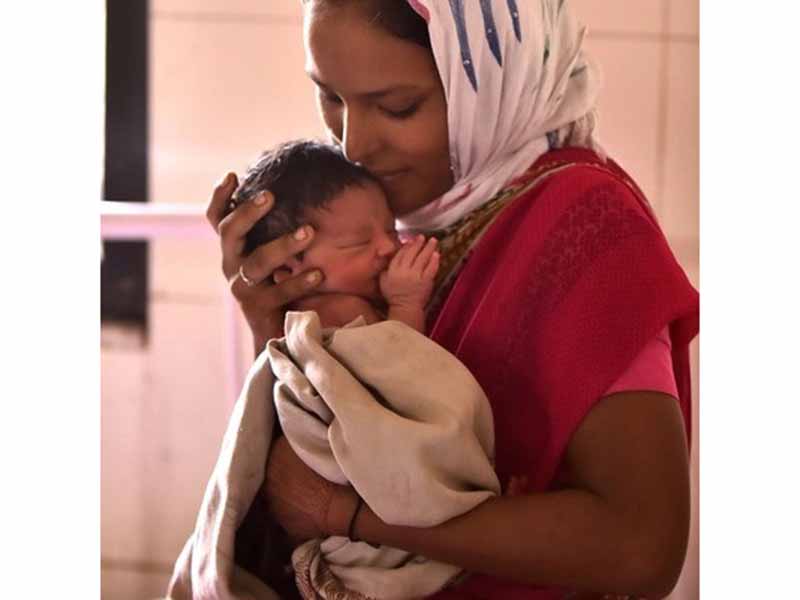
Twenty babies may sound like a cheerful daycare roll call, but in humanitarian work, it is also a practical unit of impact. The UNICEF Inspired Gift called Newborn Kits for 20 Babies is designed to help mothers and infants begin life with several basics that are easy to take for granted: warmth, maternal nutrition, and protection from vaccine-preventable disease. At the time of writing, the gift is listed at $186 and is described as including blankets, prenatal supplements for 20 mothers, and essential vaccines intended to protect 20 children against measles, polio, diphtheria, tetanus, and pertussis.
This is not a luxury hamper filled with monogrammed onesies and a tiny comb nobody will ever use. It is a charitable giving option built around survival needs. More importantly, it represents a larger system: sourcing approved supplies, transporting them to difficult locations, supporting health workers, and reaching mothers and children through clinics, outreach programs, and emergency responses.
What Are Newborn Kits for 20 Babies?
Newborn Kits for 20 Babies is part of UNICEF USA’s Inspired Gifts program. Inspired Gifts represent real supplies used in UNICEF programs, while donations are directed to support children where the need is greatest. In other words, the purchase is best understood as a donation tied to a clear, tangible example of impactnot as an online order that sends one labeled carton directly from the donor to 20 named families.
The Core Items Represented by the Gift
The current description focuses on three categories:
- Blankets to help keep infants warm during transport, recovery, displacement, or daily care.
- Prenatal supplements for 20 mothers, supporting nutrition during pregnancy.
- Essential vaccines that contribute to protection against measles, polio, diphtheria, tetanus, and pertussis.
Earlier UNICEF USA descriptions of newborn kits have also referenced baby clothes and diapers, although exact contents and program configurations can vary by location, emergency, procurement cycle, and assessed need.
Why the Number 20 Matters
A group of 20 makes the impact understandable. One donor, family, workplace, school club, or community organization can picture 20 mothers preparing for delivery and 20 infants beginning life with additional support. It turns an enormous global health challenge into a goal that feels human-sized. Nobody needs a spreadsheet with 14 tabs to understand that helping 20 babies is meaningful.
Why Newborn Support Is So Urgent
The newborn period covers the first 28 days of life, and it remains the most vulnerable stage of childhood. UNICEF reported that approximately 2.3 million children died during their first month of life in 2024about 6,200 newborn deaths each day. The burden is not evenly distributed; infants born in fragile, conflict-affected, remote, or under-resourced communities face much greater risks because families may lack timely access to skilled care, medicines, nutrition, clean water, transportation, and functioning health facilities.
Supplies alone cannot solve every cause of newborn illness or death. However, the right items, delivered through a functioning care system, can remove dangerous gaps. A warm covering can help during a cold trip home. Maternal micronutrients can support a healthier pregnancy. Vaccines can reduce exposure to serious infectious diseases. A stocked clinic gives a trained health worker more than good intentions and an empty cabinet.
The First Hours and Days Require Coordinated Care
The World Health Organization defines essential newborn care as a package that includes immediate drying, assessment of breathing, skin-to-skin contact, early breastfeeding support, thermal care, infection prevention, recognition of danger signs, and timely referral when needed. Save the Children similarly emphasizes clean delivery, skin-to-skin contact, cord care, breastfeeding, and resuscitation for babies who do not breathe at birth.
That context matters because a newborn kit is not a magic box. It is one practical part of maternal and newborn health care. The most effective programs connect supplies with prenatal visits, skilled birth attendance, postnatal checks, immunization services, caregiver education, and referral options.
How Each Part of the Kit Can Make a Difference
Blankets Support Thermal Protection
Newborns lose heat more quickly than older children and adults. Keeping a baby dry and warm, encouraging skin-to-skin contact, and using appropriate clothing or coverings are standard elements of newborn care. In humanitarian settings, a clean blanket may be especially useful when families are displaced, homes are damaged, nights are cold, or a mother must travel far from a clinic.
There is an important safety distinction: a blanket can be useful for supervised warmth, wrapping during transport, or caregiver-held contact, but loose blankets should not be placed in an infant’s sleep space. The American Academy of Pediatrics recommends a firm, flat sleep surface without loose bedding and advises caregivers to avoid overheating. A kit is most helpful when distribution includes simple instructions, because even a useful item needs a safe use case.
Prenatal Supplements Support Mothers Before Birth
The phrase “newborn kit” may sound as though every item is intended for use after delivery, but prenatal supplements work earlier. Pregnancy increases the need for nutrients such as folic acid and iron. March of Dimes notes that folic acid taken before and during early pregnancy helps prevent neural tube defects, while MedlinePlus advises pregnant people to take prenatal vitamins because they need higher amounts of certain vitamins and minerals.
UNICEF supplies multiple micronutrient supplements that combine essential vitamins and minerals for maternal health. Nutrition support is not glamorous, and the tablets will never win a “cutest baby gift” contest, but they address risks that can begin long before labor starts.
Vaccines Extend Protection Beyond the Delivery Room
The diseases named in the gift descriptionmeasles, polio, diphtheria, tetanus, and pertussiscan cause severe illness, disability, or death. Vaccination is delivered according to national immunization schedules, age requirements, local disease risks, and medical guidance. The mention of vaccines in the gift should not be read to mean that a newborn receives every listed vaccine immediately after birth. Instead, the contribution helps support the immunization pathway that protects infants and young children at the appropriate times.
Effective immunization also depends on logistics: procurement, temperature-controlled storage, trained vaccinators, recordkeeping, community outreach, and follow-up doses. The small vial is the visible part; the cold chain and health system behind it are the hardworking backstage crew.
Newborn Gift Kits Versus Clinical Newborn Care Kits
People searching for “newborn kits” may encounter two related but different concepts. The UNICEF Inspired Gift for 20 babies is a donor-facing way to support maternal and infant supplies. Clinical newborn care supply kits, by contrast, are standardized packages intended for trained health personnel in humanitarian settings. Those professional kits may contain medicines, consumables, and equipment for infection management, newborn resuscitation, and care for premature or sick infants.
The distinction protects against unrealistic expectations. A family kit offers basic support. A clinical kit equips a health worker. Neither replaces a functioning health facility, but both can strengthen the chain of care when matched to the correct user.
Why Standardized Kits Work in Emergencies
Prepacked kits allow organizations to group compatible supplies, calculate coverage, simplify ordering, and deploy materials quickly. UNICEF describes standardized kits as valuable in emergencies because they can be assembled, shipped, and distributed more efficiently. This is particularly important after conflict, floods, earthquakes, disease outbreaks, or large population movements, when ordinary supply chains may be damaged or painfully slow.
What Donors Should Understand Before Giving
Impact Is Broader Than the Objects in the Description
A charitable kit has visible components, but delivery requires less photogenic essentials: warehouse staff, fuel, freight, customs clearance, local partners, health-worker time, safe storage, monitoring, and last-mile transport. UNICEF reports operating across more than 190 countries and territories and maintains large-scale humanitarian supply capacity. A blanket matters, but so does the motorcycle, boat, truck, or person carrying it to the final community.
Needs Differ From One Location to Another
A cold-weather response may prioritize warm clothing and blankets. A displacement camp may need diapers, hygiene supplies, safe water, and maternal care. A remote clinic may urgently require vaccines or medical consumables. Responsible programs assess local needs rather than assuming every mother requires the same identical bundle.
Education Should Travel With Supplies
Simple guidance can multiply the usefulness of a kit. Caregivers may need information on safe sleep, breastfeeding support, hygienic cord care, vaccine appointments, maternal warning signs, and when to seek urgent help. In emergencies, feeding guidance is especially important: the CDC notes that ready-to-feed formula is the safest formula option when clean water and sanitation are uncertain because it does not require mixing.
Who Might Choose Newborn Kits for 20 Babies?
This type of charitable gift can work well for people who want a present with a practical purpose. It may be given in honor of a new parent, grandparent, pediatric nurse, midwife, teacher, coworker, or someone who insists they “really don’t need anything.” It is also suitable for baby showers, Mother’s Day, birthdays, holiday exchanges, memorial gifts, employee giving programs, and classroom service projects.
A group can divide the listed cost into manageable shares. Twenty coworkers can each represent one mother-and-baby pair. A school club can set a fundraising target and use the project to discuss newborn health. A family can replace one round of novelty presents with a contribution that has a longer story than another mug.
How to Make the Gift More Meaningful
Pair the donation with a short note explaining why it was selected. Keep the language respectful: families receiving humanitarian aid are not props in someone else’s celebration. Focus on shared hopessafe pregnancy, healthy birth, warmth, protection, and dignity. Avoid claiming that one donation “saves exactly 20 lives,” because health outcomes depend on many factors and ethical fundraising should not promise what cannot be guaranteed.
A Practical Experience: Organizing Support for 20 Babies
Imagine a neighborhood group deciding to fund Newborn Kits for 20 Babies. The first meeting begins with the usual optimistic chaos: six people bring cookies, nobody brings a calculator, and one volunteer has already designed a logo before the group has agreed on a date. Still, the target is wonderfully clear. The team is not fundraising for an abstract phrase such as “global well-being.” It is rallying around 20 mothers and 20 newborns.
The organizers divide the project into 20 symbolic units. Each unit represents one mother-and-baby pair, so participants can sponsor one unit, combine smaller donations, or ask local businesses to match contributions. A poster tracks progress with 20 simple icons. As each goal is funded, another icon is filled in. The visual makes momentum easy to see and prevents the campaign from becoming a mysterious jar of money sitting beside the coffee maker.
During the campaign, the group learns that the gift is more complex than a stack of baby blankets. Prenatal supplements support mothers before delivery. Vaccines are administered according to appropriate schedules rather than all at once on a newborn’s first afternoon. Blankets provide warmth, yet safe-sleep guidance still requires keeping loose bedding out of an infant’s crib. The project becomes an education in how maternal nutrition, newborn warmth, immunization, and caregiver knowledge fit together.
The most memorable moment comes when a participant asks, “Are we literally mailing 20 boxes?” That question opens a useful conversation about humanitarian logistics. Inspired Gifts represent real supplies and program needs, but organizations must retain flexibility to send resources where they are most urgently required. A flood may change the destination. A vaccine shortage may alter procurement. A damaged road may require delivery by boat or motorcycle. The campaign’s success depends not only on buying objects but also on supporting a system capable of moving those objects responsibly.
The group also becomes more thoughtful about storytelling. Instead of using pity-heavy language, organizers write messages centered on dignity: every mother deserves support, every baby deserves warmth, and geography should not determine whether basic care is available. They avoid dramatic claims and explain that kits complementnot replacetrained health workers, clinics, prenatal care, and follow-up services.
By the final week, the 20 icons are filled. The achievement feels concrete without pretending the work is finished. Participants have funded a meaningful package of support, learned why newborn care begins before birth, and discovered that “small” items are often attached to large systems. A blanket needs safe-use guidance. A vaccine needs a cold chain. A supplement needs consistent access and appropriate counseling. A donation needs trustworthy procurement and delivery.
The experience leaves the group with a practical lesson: generosity is strongest when it is specific, informed, and humble. Newborn Kits for 20 Babies offers a clear entry point into global maternal and infant health, but its deepest value is not the neat number in the title. It is the reminder that the beginning of life should come with more than luck.











