
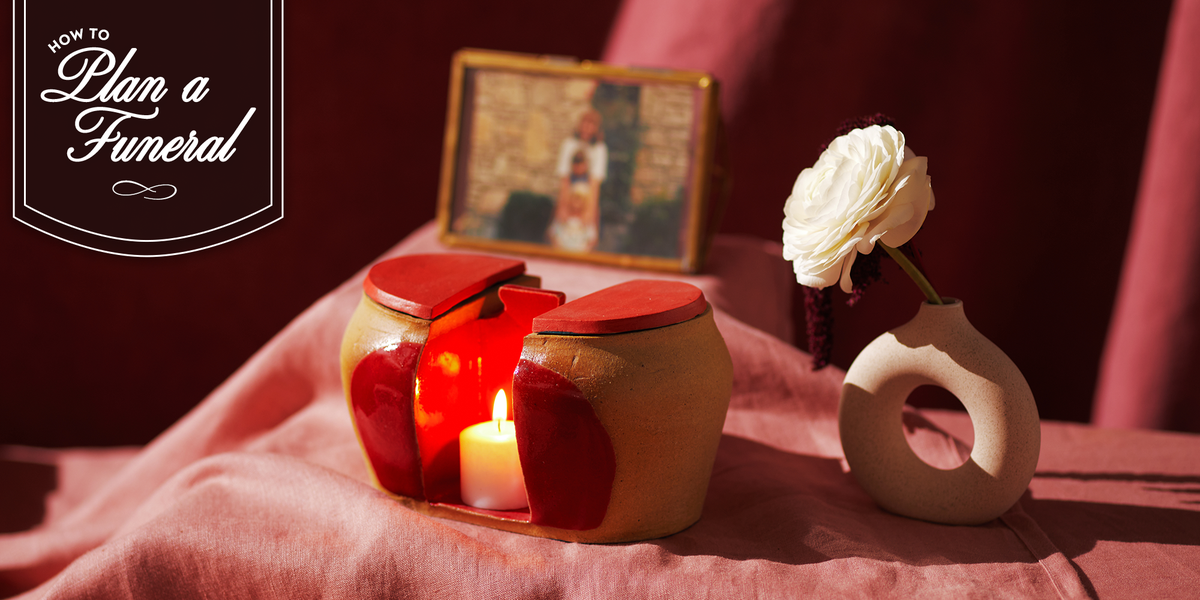
For generations, the American funeral had a recognizable script: dark suits, polished caskets, hushed voices, lilies, organ music, and at least one cousin whispering, “I didn’t know he had that many bowling trophies.” But something remarkable is happening inside modern funeral homes. The end-of-life experience is being rewritten by a new wave of funeral home owners, funeral directors, celebrants, death doulas, and grief educators who believe a farewell can be honest, personal, environmentally thoughtful, culturally aware, andwhen appropriateeven joyful.
This shift does not mean grief is being replaced with party balloons and awkward playlists. Loss is still loss. But families are asking for more than a standard service. They want stories, rituals, transparency, choice, and a funeral that feels like the person being honored actually had something to do with it. In response, forward-thinking funeral home owners are turning traditional death care into something more human: a celebration of life, a space for healing, and a chance to make meaning at one of life’s hardest intersections.
The Funeral Home Is No Longer Just a Funeral Home
Modern funeral homes are evolving from solemn service providers into experience designers. That may sound like a job title invented during a branding retreat with too much coffee, but the concept is simple: families want memorials that reflect real lives. A person who loved jazz may be honored with live saxophone instead of a hymn they never sang. A lifelong gardener may have seed packets placed on chairs. A barbecue lover may get a reception with ribs, cornbread, and a sauce recipe that sparks more tears than the eulogy.
Funeral home owners are responding by offering flexible venues, personalized displays, custom video tributes, memory tables, themed décor, livestreaming, outdoor ceremonies, and services held in parks, restaurants, family homes, or community spaces. The goal is not to make death “fun.” The goal is to make remembrance feel true.
Why Families Are Asking for Different End-of-Life Celebrations
Several forces are driving this transformation in death care. Cremation has become the dominant choice in the United States, with industry projections placing the 2025 cremation rate at more than 60 percent. That matters because cremation often gives families more flexibility. Instead of arranging everything within a narrow window before burial, families may plan a celebration of life weeks or months later, when relatives can travel and emotions have had a moment to breathe.
Cost is another major reason. A traditional funeral with viewing and burial can cost several thousand dollars, and many families are questioning which elements they truly want. The Federal Trade Commission’s Funeral Rule gives consumers the right to choose only the goods and services they want, receive price information, and avoid being pushed into unnecessary packages. Funeral home owners who embrace transparency are building trust by clearly explaining options, itemizing costs, and helping families create meaningful services without financial panic joining the guest list.
Culture is also shifting. Americans are more open about therapy, grief, caregiving, mortality, and end-of-life planning than previous generations were. Death Cafes, death-positive educators, podcasts, hospice advocates, and end-of-life doulas have helped normalize conversations that once made everyone suddenly very interested in checking the mail. People are talking about their wishes earlier, and many are saying, “Please don’t make my funeral feel like a stranger planned it.”
Personalized Funeral Services Are Becoming the New Standard
Personalization is the heartbeat of the modern funeral movement. Instead of asking only, “What package would you like?” innovative funeral directors ask better questions: What music did they love? What did they cook? What made them laugh? What stories always showed up at family gatherings? Were they religious, spiritual, skeptical, outdoorsy, theatrical, quiet, silly, private, or the kind of person who labeled leftovers like they were museum artifacts?
These questions lead to services that feel alive with detail. A retired teacher might be remembered with notes from former students. A veteran mechanic might have a toolbox displayed beside photos. A grandmother famous for banana pudding might be honored with recipe cards for guests. A young artist’s service may include a gallery wall of sketches, unfinished work, and favorite colors. These details do not erase sadness, but they give grief somewhere to land.
Celebrants Are Helping Families Tell Better Stories
Certified funeral celebrants are playing a growing role in this change. Unlike clergy who follow a specific faith tradition, celebrants create ceremonies around the person’s life, values, relationships, and beliefs. They interview family and friends, write customized tributes, choose readings, shape the order of service, and guide mourners through a farewell that feels intentional rather than assembled from a template.
This is especially valuable for families who are spiritual but not religious, interfaith, secular, blended, estranged, or simply unsure what kind of service fits. A good celebrant can make room for scripture, poetry, silence, humor, music, and memory without forcing the ceremony into a mold that does not fit.
Green Burial and Eco-Friendly Death Care Are Growing
One of the biggest changes in modern funeral homes is the rise of sustainable end-of-life options. Green burial, also called natural burial, avoids embalming chemicals, metal caskets, and concrete vaults. The body is placed in a biodegradable shroud or simple casket and returned to the earth in a way that supports natural decomposition. For families who value environmental stewardship, this can feel less like “goodbye in a box” and more like participation in the cycle of life.
Some funeral home owners now partner with green cemeteries, offer biodegradable urns, source natural-fiber shrouds, and educate families about what is truly eco-friendly versus what is simply painted green for marketing. That distinction matters. As sustainable funerals become more popular, trustworthy providers help families avoid vague claims and choose options backed by standards and clear practices.
Water Cremation and Human Composting Are Expanding the Conversation
Alkaline hydrolysis, often called water cremation or aquamation, uses water, alkali, heat, and pressure to reduce remains to bone fragments that are processed into a powder similar to cremated remains. It is legal in many states, though availability varies widely. Families who choose it often describe it as gentle, less industrial-feeling, and more aligned with environmental values than flame cremation.
Natural organic reduction, commonly known as human composting, is another emerging option. It transforms human remains into soil through a controlled process using organic materials such as straw, wood chips, and alfalfa. Washington became the first state to legalize it, and more states have followed. Companies such as Recompose and Earth Funeral have helped bring the option into public conversation, especially among people who want their final act to nourish trees, gardens, or conservation land.
Not everyone will choose these methods, and some religious or cultural traditions object to them. That is the point of the new funeral landscape: not one “better” way, but more respectful choices.
Memorials Are Moving Beyond the Mantel Urn
The old question after cremation was often, “What do we do with the ashes?” Today, families have more answers than ever. Some still choose a classic urn, cemetery niche, or scattering ceremony. Others prefer memorial stones, glass art, jewelry, diamonds made from carbon, reef memorials, or forest memorials where ashes are returned to the earth at the base of a protected tree.
Parting Stone, for example, turns cremated remains into smooth solidified stones that can be held, shared among family members, or placed in meaningful locations. Better Place Forests offers memorial trees in protected forests, giving families a natural place to visit that feels less like a cemetery and more like a walk with someone they love. These options show how funeral home owners and death care innovators are responding to a real emotional need: people want remembrance to be touchable, visible, and integrated into daily life.
Cultural Competency Is Changing Funeral Care for the Better
Modern funeral service is not only about aesthetics. It is also about equity, dignity, and cultural respect. Funeral professionals such as Joél Simone Maldonado, known as The Grave Woman, have emphasized the importance of culturally sensitive death and grief care, especially for communities whose traditions have often been misunderstood or minimized. Her work reflects a broader movement toward honoring diverse rituals, languages, timelines, body care practices, and family structures.
A culturally competent funeral home does not assume every family wants the same service, the same music, the same clothing, the same viewing, or the same timeline. It asks. It listens. It learns. It understands that a Muslim burial, a Jewish funeral, a Buddhist ritual, a Black homegoing service, an Indigenous practice, a Mexican Catholic vigil, a secular celebration of life, and a queer chosen-family memorial may all require different kinds of care.
This matters because funerals are not just events. They are cultural containers. When handled poorly, they can deepen pain. When handled with humility and skill, they can help families feel seen at a moment when they are deeply vulnerable.
Technology Is Making Funerals More Accessible
The pandemic forced funeral homes to adopt livestreaming, online arrangements, digital guestbooks, remote planning meetings, and video tributes faster than anyone expected. Many of those tools stayed because families realized they solved real problems. Not every loved one can fly across the country. Not every grieving spouse can sit through a long in-person planning appointment. Not every family member can speak at the service without crying so hard the microphone starts feeling personally attacked.
Technology can help. Livestreams allow distant relatives to attend. Online memorial pages collect photos, stories, and condolences. Digital planning tools let families compare options before sitting down with a funeral director. AI-assisted obituary tools are also emerging, though they should be used carefully. A good obituary still needs human fact-checking, specific memories, and emotional truth. Otherwise, it can sound like a toaster wrote a eulogy.
Death Doulas and Family-Led Care Are Reclaiming Intimacy
Another major shift is the growing interest in death doulas and home funerals. End-of-life doulas provide nonmedical emotional, spiritual, logistical, and practical support to people who are dying and to their families. They may help with legacy projects, vigil planning, advance directives, family conversations, or simply sitting with someone through fear and uncertainty.
Home funeral advocates also remind families that, in many places, loved ones have the legal right to participate in caring for the dead. This might include washing, dressing, sitting vigil, decorating a room, saying prayers, singing, or holding a private goodbye before a funeral home or crematory becomes involved. For some families, these acts feel uncomfortable. For others, they are profoundly healing.
The most innovative funeral home owners do not treat family involvement as competition. They treat it as collaboration. They guide, educate, and support families who want to be more hands-on, while still providing professional care when it is needed.
Transparent Pricing Is Part of Compassion
Compassion is not only about soft voices and tissues in tasteful boxes. It is also about honest pricing. Families making funeral decisions are often exhausted, shocked, and emotionally foggy. They should not have to decode vague package names or wonder whether asking about cost makes them seem uncaring.
Progressive funeral home owners are making price lists easier to find, explaining direct cremation, immediate burial, memorial services, viewing options, casket choices, urn pricing, transportation fees, and third-party costs in plain English. They recognize that affordability and dignity can exist in the same room. A meaningful farewell does not have to be the most expensive one. Sometimes the most powerful service is simple: a circle of chairs, one good story after another, and someone brave enough to start.
What Funeral Home Owners Are Really Changing
At the center of all these changes is a deeper question: Who gets to decide what a “proper” goodbye looks like? For a long time, tradition answered that question. Today, families are answering it for themselves, often with guidance from funeral professionals who understand that their role is shifting from gatekeeper to guide.
The best funeral home owners are not throwing tradition away. They are expanding it. A traditional religious service can still be beautiful. A formal burial can still bring comfort. A viewing can still matter deeply. But now those choices sit alongside memorial forests, celebrant-led ceremonies, green burial, aquamation, human composting, home vigils, death doulas, livestreams, customized playlists, memory tables, and receptions where people laugh until they cry and cry until they laugh.
Experiences: What These New End-of-Life Celebrations Feel Like
Imagine walking into a funeral home and realizing it does not feel like a place where emotion has been politely vacuum-sealed. In the lobby, there are photographs from every decade of a person’s life: bad haircuts, military portraits, vacation snapshots, blurry birthday candles, and one mysterious picture where nobody knows why Uncle Ray is holding a goat. The room smells faintly of coffee instead of lilies. The music is not generic; it is the person’s favorite Motown song. People are crying, yes, but they are also smiling because the service feels recognizable.
That is the experience many families now want. They want permission to bring the whole person into the room, not just the formal version. A son might place his father’s fishing hat beside the urn. A daughter might read a letter instead of a polished eulogy. A group of friends might raise a toast with root beer because the deceased never drank alcohol but had a legendary sweet tooth. Small choices like these become emotional anchors. They tell mourners, “We knew this person. We remember them accurately.”
In a green burial experience, the feeling may be quieter but equally powerful. A family might gather at the edge of a meadow, lower a simple pine casket by hand, and cover it with flowers, soil, or handwritten notes. There may be birdsong instead of a sound system. There may be muddy shoes. There may be a child asking direct questions that adults were too nervous to ask. Instead of feeling like death has been hidden away, the ceremony makes nature part of the goodbye.
A home vigil offers another kind of experience. Family members may sit with the body for several hours or a day, lighting candles, playing music, telling stories, or simply being quiet. This is not for everyone, and it does require guidance, planning, and awareness of state laws. But for families who choose it, the intimacy can be transformative. The person who died is not immediately rushed out of the home. Loved ones have time to understand what has happened, not just intellectually but emotionally.
Technology can also change the experience in meaningful ways. A granddaughter stationed overseas may attend by livestream. A cousin who cannot speak through tears may record a memory in advance. A digital memorial page may collect stories from old classmates, coworkers, neighbors, and friends who would never fit into a single chapel service. These tools widen the circle of grief and support.
Then there are the highly personal memorial objects that families carry forward. Solidified remains may be divided among siblings. A memorial diamond may become a ring worn daily. A glass sculpture may sit in a sunny window. Ashes returned to a forest tree may give grandchildren a living place to visit. These experiences show that modern death care is not only about the day of the funeral. It is about how memory continues afterward.
The most meaningful experiences often share one quality: they feel chosen. Not automatic. Not pressured. Not copied from a brochure because nobody had the energy to ask questions. Chosen. That is what innovative funeral home owners are giving familiesmore language, more options, more time, and more courage to create a farewell that fits.
Conclusion: A Better Goodbye Is Still a Goodbye
Funeral home owners changing the end-of-life experience are not trying to make death easy. Nothing makes death easy. But they are making funerals more honest, flexible, affordable, sustainable, inclusive, and personal. They are helping families move from “What are we supposed to do?” to “What would truly honor this life?”
That question changes everything. It allows a funeral to become more than a required event. It becomes a final act of storytelling. It becomes a bridge between grief and gratitude. It becomes a place where tradition can sit beside innovation without anyone having to choose one forever. Most of all, it reminds us that the end of life is still part of lifeand if a life was unique, funny, complicated, generous, stubborn, stylish, messy, brilliant, or beautifully ordinary, the farewell can reflect that too.











