
Trust is one of medicine’s most important tools, even though it does not come in a bottle, appear on an insurance statement, or beep dramatically beside a hospital bed. When patients trust their healthcare professionals, they are more likely to ask questions, discuss sensitive symptoms, consider treatment recommendations, and return for follow-up care.
However, medical trust is not distributed equally in the United States. Research has repeatedly linked medical mistrust with race, ethnicity, perceived discrimination, language barriers, unequal treatment, and broader structural inequities. For many people of color, skepticism about healthcare is not an irrational fear or a stubborn refusal to “listen to the experts.” It may be a protective response to personal mistreatment, family experiences, community knowledge, and a well-documented history of medical injustice.
Understanding this connection requires moving beyond the question, “Why don’t some patients trust medicine?” A more useful question is, “What has the healthcare system doneor failed to doto earn their trust?”
What Is Medical Mistrust?
Medical mistrust is a lack of confidence in healthcare professionals, medical institutions, insurers, researchers, government health agencies, or the healthcare system as a whole. A patient may worry that a clinician will not listen, will minimize symptoms, will recommend unnecessary treatment, or will provide different care because of the patient’s race, ethnicity, language, income, or insurance status.
Mistrust exists on a spectrum. One person may trust a longtime primary care physician but remain suspicious of hospitals. Another may accept emergency treatment while avoiding clinical research. Someone else may believe that a medication works but question whether the clinician explained every option fairly.
This distinction matters because medical mistrust is not identical to misinformation, general skepticism, or hostility toward science. Sometimes it reflects incorrect beliefs. In many cases, however, it develops from real encounters in which a person felt ignored, rushed, stereotyped, disrespected, inadequately informed, or excluded from decisions.
What the California Medical Mistrust Study Found
A widely discussed 2021 study examined associations among race, ethnicity, discrimination, and medical mistrust in California. Researchers analyzed information from the Survey of California Adults on Serious Illness and End-of-Life, conducted in 2019. The original survey included 2,588 adults, while the relevant analysis focused on 2,328 participants who identified as non-Hispanic Black, non-Hispanic White, or Hispanic.
Compared with non-Hispanic White respondents, non-Hispanic Black participants had 73% higher odds of reporting mistrust in health professionals. Hispanic participants had 49% higher odds. Fifty-three percent of non-Hispanic White respondents said they trusted their health professionals “a lot,” compared with 37% of non-Hispanic Black respondents and 36% of Hispanic respondents.
Perceived discrimination was strongly associated with medical mistrust. Participants who did not consistently see the same healthcare professional also tended to report more mistrust. In other words, race and ethnicity were part of the pattern, but so were the actual conditions under which people received care.
Research basis:
What the Study Could Not Prove
The research was cross-sectional, meaning that it captured responses during a particular period rather than following people over many years. It could identify associations but could not prove that one factor directly caused another. The researchers also lacked sufficient representation from several racial and ethnic populations to include them in the main analysis.
Those limitations do not erase the findings. They remind readers not to flatten the experiences of every community into one tidy statistic. “People of color” is not a single cultural group, and medical mistrust does not arise in exactly the same way for Black, Hispanic, Asian American, Pacific Islander, Native American, Alaska Native, Middle Eastern, or multiracial patients.
Why Race, Ethnicity, and Medical Mistrust Are Connected
Historical Medical Injustice Still Matters
One frequently cited example is the U.S. Public Health Service Untreated Syphilis Study at Tuskegee. From 1932 to 1972, researchers followed hundreds of Black men, most of whom had syphilis, without obtaining proper informed consent. Treatment was not offered even after it became widely available. The study eventually led to major reforms in research ethics, but reforms cannot retroactively restore the years, health, autonomy, and lives that were lost.
Tuskegee was not the only source of mistrust. Black Americans experienced segregated hospitals, exclusion from medical organizations, nonconsensual experimentation, and unequal access to treatment. Indigenous communities have their own histories involving coercive practices, misuse of biological materials, broken agreements, underfunded services, and research conducted without adequate community control. Latina, Indigenous, Black, disabled, incarcerated, and low-income women have also been subjected to coercive sterilization policies or procedures at different points in U.S. history.
These events are not ancient folklore passed around an unusually gloomy campfire. Many affected families are still living with their consequences, and some discriminatory practices continued within living memory.
Historical sources:
Present-Day Discrimination Reinforces Historical Memory
History may create the background, but contemporary experiences often keep mistrust alive. Patients report having pain minimized, questions ignored, symptoms attributed too quickly to weight or behavior, and concerns dismissed as anxiety. Others describe clinicians making assumptions about medication use, sexual activity, education, immigration, family structure, or the ability to follow treatment instructions.
A prominent pain study found that false beliefs about biological differences between Black and White people were associated with racial bias in pain assessment and treatment recommendations. Beliefs such as the myth that Black people have thicker skin are medically false, yet research found that some medical trainees still endorsed at least one such misconception.
Pain-disparity evidence:
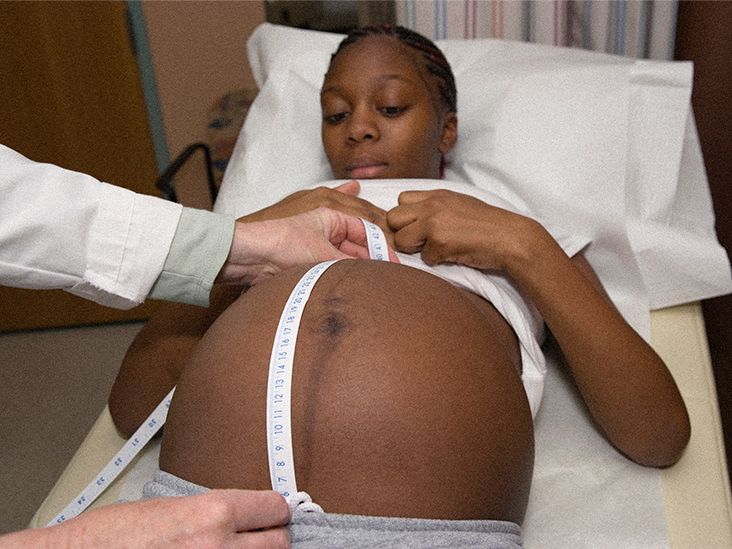
Maternity care offers another sobering example. CDC data found that approximately 20% of surveyed women reported mistreatment during maternity care. The figure was about 30% among Black women, 29% among Hispanic women, and 27% among multiracial women. Nearly half of all respondents said they had held back questions or concerns during maternity care.
Maternity-care evidence:
Language Barriers Can Feel Like Discrimination
Communication is difficult enough when a clinician is translating “medicalese” into regular English. Add a language mismatch, an unavailable interpreter, hurried paperwork, and a frightened family member, and the appointment can resemble a group project designed by chaos itself.
About 26 million people in the United States have limited English proficiency. KFF survey findings indicate that roughly half of adults with limited English proficiency encountered at least one language barrier in a healthcare setting over a three-year period. Reported problems included completing forms, communicating with office staff, understanding instructions, scheduling appointments, and correctly using prescriptions.
When patients cannot fully understand a diagnosis or consent form, trust suffers. Asking a child or untrained relative to interpret may also compromise privacy and accuracy. Professional language assistance is therefore not an optional courtesy. It is a patient-safety measure.
Language-access evidence:
Structural Barriers Send a Message Too
Discrimination is not limited to openly prejudiced remarks. It can be built into appointment availability, insurance networks, transportation systems, clinic locations, staffing levels, digital portals, identification requirements, and the amount of time allocated to each patient.
A clinic may display posters celebrating diversity while offering no interpreter, no wheelchair-accessible examination equipment, and no evening appointments for hourly workers. The poster may be lovely. It may even use an excellent font. It will not repair the underlying problem.
Patients who repeatedly lose access to clinicians because of insurance changes or staff turnover must explain their history again and again. Each restart creates another opportunity for symptoms to be misunderstood and another reason to wonder whether anyone is paying attention.
How Medical Mistrust Affects Health
Mistrust can influence whether people seek preventive care, participate in cancer screening, accept vaccinations, disclose sensitive information, enroll in research, fill prescriptions, or return after receiving an abnormal test result. It may also affect conversations about reproductive health, mental health, substance use, chronic disease, disability, and end-of-life preferences.
A review of colorectal cancer screening research found that higher medical mistrust was frequently associated with lower screening participation among African American patients. Other research has linked mistrust and experiences of racism with delays in routine checkups and preventive screenings.
Preventive-care evidence:
During the COVID-19 pandemic, CDC researchers analyzed responses from more than one million adults. People who reported worse healthcare experiences because of race or ethnicity had a significantly higher prevalence of being unvaccinated. The relationship appeared across multiple racial and ethnic groups, demonstrating that discriminatory care can influence public health behavior long after the original appointment ends.
Vaccination evidence:
Medical mistrust can also make clinical conversations less complete. A patient who expects judgment may avoid discussing symptoms, alternative remedies, financial difficulties, or problems following a treatment plan. The clinician then works with incomplete information, potentially producing a weaker recommendation. The disappointing result may reinforce the patient’s original mistrust, creating a cycle that no cheerful “We value your feedback” email can break.
Mistrust Should Not Be Treated as a Patient Defect
Healthcare discussions sometimes frame mistrust as a problem located entirely inside the patient: the patient is “noncompliant,” “difficult,” “resistant,” or “uneducated.” These labels can hide legitimate concerns and allow institutions to avoid examining their own behavior.
Trust is relational. It grows when people experience honesty, competence, respect, consistency, and accountability. It weakens when professionals become defensive, conceal uncertainty, rush decisions, or treat questions as challenges to their authority.
For historically marginalized communities, demands to “just trust the science” may sound incomplete. Science is a method. Healthcare is a human system that decides which questions receive funding, who is recruited into research, how data are interpreted, where hospitals are built, and whose symptoms are believed. Good science is essential, but trustworthy institutions must also demonstrate ethical conduct.
How Healthcare Systems Can Earn Trust
Acknowledge Harm Without Becoming Defensive
Clinicians do not need to deliver a history lecture during every appointment. They should, however, recognize that a patient’s concerns may have a rational historical and personal basis. Statements such as “I understand why you would want more information” can open a conversation more effectively than “There is no reason to worry.”
Measure Disparities and Act on the Results
Hospitals should examine treatment, wait times, pain management, readmissions, complaints, diagnostic delays, and patient experiences by race, ethnicity, language, insurance type, disability, and other relevant factors. Data collection must protect privacy, but refusing to measure inequity does not make inequity disappear. It merely gives it better camouflage.
Provide Professional Language Services
Qualified interpreters, translated materials, accessible digital tools, and multilingual staff can reduce errors and improve participation in medical decisions. Patients should not have to choose between privacy and comprehension.
Improve Continuity and Shared Decision-Making
Seeing a consistent healthcare professional gives patients and clinicians time to understand one another. Shared decision-making also allows patients to compare options, discuss personal priorities, and ask what would happen if they delayed or declined a treatment.
Partner With Communities Before a Crisis
Faith organizations, tribal leaders, neighborhood groups, patient advocates, community health workers, and local clinicians often possess trust that large institutions cannot manufacture overnight. Healthcare organizations should build these partnerships before the next outbreak, emergency, or public relations disaster.
Create Real Accountability
Bias training may help, but a single annual slideshow is not a force field against discrimination. Organizations also need clear reporting procedures, timely investigations, patient advocates, leadership accountability, standardized clinical protocols, and consequences for repeated mistreatment.
Experiences That Show How Medical Mistrust Develops
The following composite scenarios are based on recurring patterns documented in surveys, qualitative studies, and patient reports. They do not describe specific identifiable individuals.
When Pain Is Repeatedly Minimized
Consider a Black woman who visits an emergency department with severe abdominal pain. She explains that the pain is unusual, worsening, and different from anything she has previously experienced. A clinician suggests stress and advises her to follow up later. She returns the next day, still in pain, and feels that staff members view her as demanding rather than frightened.
A serious condition is eventually identified. Even if the treatment is successful, the lesson she carries home may be that calm explanations are insufficient and that she must fight to be believed. At her next appointment, she arrives guarded, brings a relative, records every instruction, and questions each recommendation. Staff may interpret this behavior as hostility. She experiences it as preparation.
When Language Access Exists Only on Paper
Imagine a Spanish-speaking father attending a specialty visit for his child. The appointment was booked months ago, but no interpreter is available. A bilingual teenager in the family is asked to translate complex information about risks and treatment choices.
The father nods because he does not want to delay care. Later, he realizes that he did not understand the medication schedule or whether a recommended procedure was urgent. When the family misses a follow-up step, the medical record describes “poor adherence.” From the family’s perspective, the system provided instructions without truly providing communication.
When Research Requests Resemble Earlier Exploitation
An older Native patient may be invited to contribute blood samples to a research project. The consent form promises privacy, but the patient wants to know who will control the samples, whether researchers will use them in future studies, and whether the tribal community will benefit.
A hurried researcher may see these questions as unnecessary suspicion. The patient may see them as essential because Indigenous communities have experienced research conducted without meaningful consultation, appropriate consent, or respect for cultural beliefs. Trust improves when researchers discuss data governance, future use, community oversight, and the right to withdraw in plain language.
When a “Positive” Stereotype Still Causes Harm
An Asian American patient experiencing depression may be described as successful, quiet, and unlikely to have serious difficulties. Because the patient performs well at work, a clinician may underestimate the severity of the symptoms. The patient leaves feeling that the appointment confirmed a familiar message: people see the achievement but not the distress.
This experience illustrates why discrimination is not always loud or intentionally cruel. Stereotypes that appear complimentary can still erase individual needs. After several encounters like this, a patient may stop discussing mental health with clinicians altogether.
What These Experiences Have in Common
None of these patients woke up and randomly selected mistrust as a hobby. Their caution developed through encounters in which communication, dignity, consent, or clinical attention failed. Rebuilding trust therefore requires more than better advertising. It requires different experiences: being heard the first time, receiving understandable information, having concerns documented accurately, and seeing mistakes acknowledged rather than disguised.
Conclusion: Trust Must Be Earned Through Equitable Care
The relationship among medical mistrust, race, ethnicity, and discrimination is complex, but its central lesson is straightforward. People are more likely to trust healthcare when healthcare behaves in a trustworthy way.
Historical abuses matter, yet present-day treatment may matter just as much. Every ignored concern, unavailable interpreter, biased assumption, unexplained decision, and unequal outcome can reinforce the belief that the system does not value every patient equally. Conversely, every respectful conversation, transparent explanation, community partnership, and accountable response can begin to repair that relationship.
Medical mistrust should not be used to blame communities for health disparities. It should be treated as evidence that healthcare institutions have ethical, clinical, and structural work to do. Trust cannot be ordered, prescribed, or demanded. It is built appointment by appointmentand lost the same way.












