
Editorial note: No portable space heater is “set it and forget it” safe. The safest space heater is the one with modern safety features, proper certification, correct placement, and an owner who does not treat a 1,500-watt appliance like a scented candle with a cord.
Cold rooms have a special talent for turning sensible adults into desperate people. One minute you are calmly wearing socks. The next, you are shopping for a space heater at midnight while wrapped in a blanket like a nervous burrito. But before you click “buy now,” here is the electrician-approved truth: the safest space heater is not necessarily the biggest, prettiest, smartest, or the one with a remote control that looks like it escaped from a 2009 DVD player.
The safest space heater is the one that respects electricity, heat, dust, furniture, pets, kids, and the fact that extension cords are not emotional support devices. A typical full-size electric space heater uses up to 1,500 watts, which is about 12.5 amps on a 120-volt household circuit. That is a serious load. It is not a phone charger. It is not a lamp. It is a small heat-making appliance that needs a clean outlet, breathing room, and supervision.
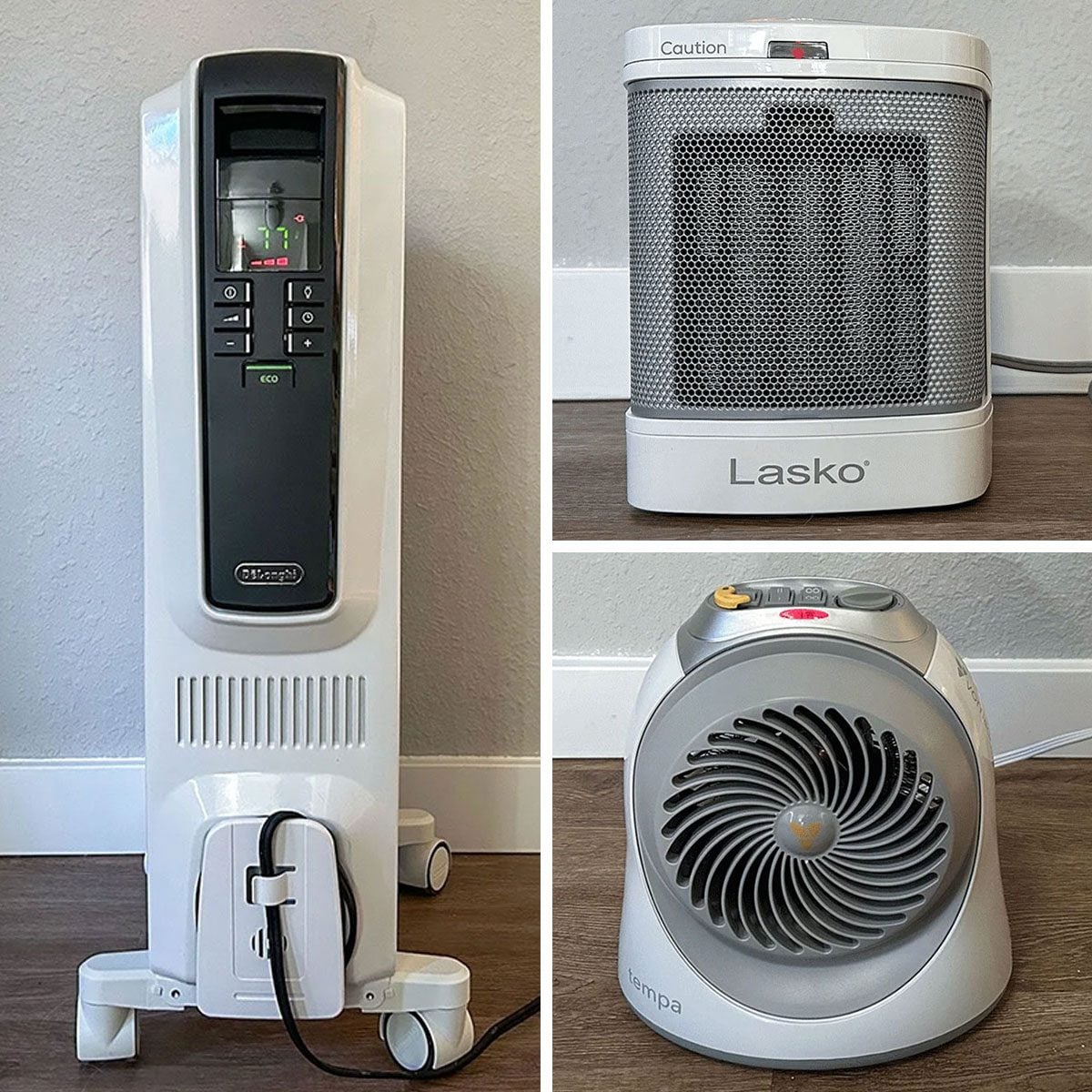
So, what should you buy? After comparing current safety guidance, manufacturer specifications, and hands-on testing reports from reputable U.S. sources, three models stand out for different safe-use situations: the Vornado AVH10 for most rooms, the Dreo Atom 316 for compact personal heating, and the Lasko CD08200 Bathroom Heater for quick, attended bathroom warmups. Each has a different strength, and each comes with a few “do not be clever” rules.
What Makes a Space Heater Safe?
A licensed electrician does not start with color, Wi-Fi, or whether the heater looks like a tiny robot butler. The first question is simpler: will this heater shut itself down when something goes wrong?
Look for these safety features before anything else:
- Third-party safety certification: Choose a heater marked UL, ETL, CSA, or another recognized testing certification. This shows the product has been evaluated to safety standards instead of simply being “warm and optimistic.”
- Tip-over protection: The heater should shut off if knocked over. This is especially important in homes with pets, children, clumsy adults, or anyone who owns a laundry basket.
- Overheat protection: If airflow is blocked or the unit gets too hot, it should stop heating automatically.
- Cool-touch housing: The outside should stay reasonably safe to touch, though no heater should be treated like a pillow.
- Thermostat or eco mode: A heater that cycles on and off can reduce unnecessary heat buildup and wasted energy.
- Timer or auto-off feature: Helpful for preventing accidental marathon heating sessions.
- Proper plug design: The heater should plug directly into a wall outlet. Not into a power strip. Not into an extension cord. Not into a mystery outlet behind a couch that last saw daylight during the Obama administration.
Placement matters as much as the product. Keep a space heater at least three feet away from anything that can burn: curtains, bedding, furniture, paper, laundry, rugs, cardboard boxes, holiday decorations, and that pile of clothes you keep calling “temporary.” Place it on a hard, flat surface, never on a bed, carpeted step, sofa, or wobbly table.
The 3 Safest Space Heaters to Consider
1. Vornado AVH10: Safest Overall for Most Rooms
Best for: bedrooms while awake, home offices, living rooms, small-to-medium spaces, and anyone who wants a serious safety-first heater without turning the room into a wind tunnel.
The Vornado AVH10 earns the top overall spot because it combines strong whole-room circulation with the kind of safety package electricians like to see. It has automatic tip-over protection, an automatic safety shut-off system, a cool-touch case, and a finger-friendly grille design. In plain English, it is designed to cut power if it tips, overheats, or has blocked airflow.
Unlike many cheap ceramic heaters that blast one hot spot and leave the rest of the room sulking, the AVH10 uses Vornado’s air-circulation approach to move warm air around the room. That matters because a heater that warms more evenly is less likely to tempt you into unsafe behavior, such as placing it inches from your knees, under a desk packed with paper, or next to the dog bed “just for a minute.”
The AVH10 also has a low, stable shape. That is an underrated safety advantage. Tall tower heaters can be great, but a squat heater is generally harder to knock over. If you have a busy home office, a child who treats furniture like playground equipment, or a cat with a criminal résumé, stability is not a minor detail.
Why an electrician would like it: It checks the major boxes: overheat protection, tip-over shutoff, cool-touch exterior, and a design that does not invite easy tipping. It also gives you real heating power without needing to run multiple heaters on the same circuit, which is where many electrical problems begin.
What to watch: Do not tuck it under a desk with cords, backpacks, dust bunnies, and your abandoned snack wrappers. Fan-forced heaters need airflow. Block the intake or outlet, and the heater has to work harder. Safety shutoff is a backup, not a lifestyle.
2. Dreo Atom 316: Safest Compact Pick for Personal Heating
Best for: desks, home offices, chilly corners, small bedrooms while awake, and people who want modern safety features in a compact heater.
The Dreo Atom 316 is small, portable, and surprisingly feature-rich for its size. It offers overheat protection, tip-over protection, child lock, flame-resistant materials, thermostat control, a timer, and eco-style settings. That combination makes it a strong pick for someone who wants a compact space heater without dropping safety features to save a few dollars.
One reason compact heaters can be risky is that people tend to treat them casually. They put them under desks, next to curtains, beside beds, or on shelves. The Atom 316 is safer than many tiny heaters because it includes the features that matter, but it still needs space. Small does not mean harmless. A small heater can still pull serious wattage.
The adjustable thermostat is a practical safety feature as well as a comfort feature. Instead of running at full blast forever, the heater can cycle based on room temperature. That reduces wasted energy and helps prevent the “why is this room suddenly a sauna?” situation. The timer is also useful if you are the sort of person who walks away from a room and immediately forgets what appliances are still on.
Why an electrician would like it: It has tip-over and overheat protection, temperature control, child lock, and a timer in a small package. Those features make it a better choice than bargain-bin heaters that offer heat, vibes, and very little else.
What to watch: Do not run it from a power strip under your desk. Desks are already cord jungles. A 1,500-watt heater plugged into a strip with monitors, chargers, speakers, and a laptop dock is not a cozy setup; it is an electrical group project no one asked for.
3. Lasko CD08200 Bathroom Heater: Safest Pick for Quick Bathroom Warmups
Best for: short, attended bathroom warmups before a shower, chilly powder rooms, and anyone who understands that water and electricity should not become roommates.
Most space heaters should not be used in bathrooms or damp areas. Moisture raises the risk of shock, corrosion, and electrical failure. The Lasko CD08200 is different because it is specifically designed for bathroom use and includes an ALCI safety plug. An ALCI plug is intended to cut power quickly if leakage current is detected, adding protection in a damp environment.
This model is also ETL listed and includes overheat protection and cool-touch housing. Its most useful feature may be the one-hour Simple Heat button, which gives you high heat for a limited time. That is exactly how a bathroom heater should be used: briefly, directly, and while you are nearby. Think “take the chill off the tile,” not “operate a personal sauna until next Tuesday.”
There is an important caveat: this model does not list a tip-over switch. That means it is not the best choice for homes where a heater may be bumped, kicked, chased by a toddler, or investigated by a golden retriever. For a bathroom, the ALCI plug is the headline safety feature. For general room use, tip-over protection is still preferable.
Why an electrician would like it: It addresses a specific risk that standard heaters do not: bathroom moisture. The ALCI plug, overheat protection, cool-touch housing, and one-hour high-heat option make sense for a supervised bathroom routine.
What to watch: Use it only according to the manufacturer’s instructions. Keep it away from tubs, showers, sinks, towels, bath mats, and splashing water. Do not leave it running after you leave the bathroom. If your bathroom outlet is old, loose, ungrounded, cracked, or frequently trips, call an electrician before adding any heater to the mix.
Which Type of Space Heater Is Safest?
The safest type depends on where you use it. Ceramic fan heaters warm quickly and are good for short-term comfort. Oil-filled radiators heat more slowly but provide steady warmth and do not use a fan, which some people prefer for bedrooms or allergy-sensitive spaces. Infrared heaters can feel warm fast but often heat people and objects more directly than the whole room.
For most homes, a modern ceramic heater with tip-over protection, overheat protection, a thermostat, and safety certification is the safest all-around choice. For long, gentle heat in a closed room, an oil-filled radiator can be appealing, especially because it has no exposed fan blowing dust around. But oil-filled heaters can have hot surfaces, and many models are heavy. They still need clearance, supervision, and a direct wall outlet.
Bathroom heaters are their own category. Do not take a regular space heater into a damp room just because it has a handle and a can-do attitude. If you need bathroom heat, choose a model specifically designed for bathroom use, with appropriate safety protection, and use it only while attended.
Electrician’s Safety Checklist Before You Plug In
Before using any space heater, give your setup a quick inspection. This is the boring part, which is exactly why it prevents exciting problems.
- Check the outlet: It should hold the plug firmly. If the plug feels loose or slips out, do not use that outlet for a heater.
- Look for damage: Do not use a heater with a cracked case, burned smell, melted plug, frayed cord, or buzzing sound.
- Use one heater per circuit when possible: If lights dim or breakers trip, the circuit is overloaded or otherwise unhappy.
- Plug directly into the wall: Avoid extension cords, power strips, plug adapters, and smart plugs unless the manufacturer specifically approves them for that heater load.
- Keep the cord visible: Do not run it under rugs, through doorways, or beneath furniture.
- Clean dust regularly: Dust blocks airflow and can create odor or overheating.
- Turn it off before sleep: A heater should not be your overnight babysitter.
Common Space Heater Mistakes That Make Electricians Twitch
The first mistake is plugging a heater into a power strip. Power strips are great for lamps and chargers. They are not great for high-wattage heat appliances. When a heater draws heavy current through a strip or extension cord, the connection can overheat before the breaker trips. That is why “it worked fine last winter” is not a safety plan.
The second mistake is placing the heater too close to fabric. Curtains, bedding, towels, and upholstery are common ignition sources because they can sit near heat for a long time before anyone notices. Three feet of clearance is not a suggestion for people with spacious homes. It is the minimum safe bubble.
The third mistake is using an old heater with missing labels. If you cannot identify the brand, certification, wattage, or safety features, retire it. Old heaters may lack modern shutoffs, and damaged cords can hide under the outer jacket. A new, certified heater is far cheaper than repairing smoke damage.
The fourth mistake is buying a heater too small for the job, then misusing it. A tiny heater will not safely warm an open-concept living room. It will run constantly, disappoint everyone, and tempt you to move it closer to furniture. Match the heater to the room, close doors when practical, and remember that space heaters are for supplemental heat, not whole-house rescue missions.
Real-World Experience: What Safe Space Heater Use Looks Like at Home
In real homes, space heater safety is rarely about one dramatic mistake. It is usually a stack of small choices. The heater is a little too close to the bed. The outlet is a little loose. The cord is under a rug because someone did not want to trip. The room is dusty. The dog likes to nap near warm things. None of these details feels dangerous by itself, which is exactly how trouble sneaks in wearing fuzzy socks.
A common winter setup is the home office. Someone works in a converted spare bedroom with one exterior wall, a drafty window, and a desk placed exactly where the cold air enters. The person buys a compact heater and puts it under the desk near their feet. That can work safely if the heater has tip-over protection, enough clearance, and a direct wall outlet. But it becomes risky when the heater is surrounded by a rolling chair, a backpack, printer paper, cable clutter, and a power strip loaded with computer gear. The safer setup is simple: move the heater out from under the desk, place it on open floor, keep the cord visible, and let the thermostat do its job.
Bedrooms are another place where good intentions get slippery. A cold bedroom makes people want to run a heater all night. The safer habit is to warm the room before bed, turn the heater off, and use proper bedding. If the room gets dangerously cold overnight, the better fix may be weatherstripping, insulation, HVAC repair, or a dedicated heating solution rather than relying on a portable heater beside blankets for eight hours.
Bathrooms create a different kind of temptation. Nobody enjoys stepping onto cold tile after a shower. A bathroom-rated heater can be useful, but only as a short-term appliance. Run it before bathing, keep it away from water and towels, and shut it off before the room fills with steam or gets crowded with wet laundry. A heater on a bathroom counter next to grooming tools, tissues, and a damp towel is not a clever comfort hack. It is a tiny electrical drama waiting for its cue.
Living rooms usually create the “just one more outlet” problem. The heater gets moved near the sofa, but the wall outlet is inconvenient, so someone grabs an extension cord. That is the moment to stop. If the cord cannot reach the outlet safely, move the chair, move the heater, or choose another location. Do not make the electrical system adapt to the furniture layout. Electricity is famously bad at compromise.
The best space heater experience is boring. The heater sits on a hard, flat floor. It has three feet of space. It is plugged directly into a snug outlet. The owner turns it off when leaving. The room gets comfortably warm. Nothing smells hot. Nothing trips. Nobody posts a dramatic neighborhood Facebook update. That is the goal: quiet, boring warmth.
Final Verdict: What Is the Safest Space Heater?
For most people, the Vornado AVH10 is the safest overall space heater choice because it combines strong room heating, a stable shape, cool-touch housing, tip-over protection, and overheat shutoff. The Dreo Atom 316 is an excellent compact option for personal heating because it packs modern safety features into a small, affordable design. The Lasko CD08200 is the most sensible choice for quick bathroom warmups because it is designed for that specific environment and includes an ALCI safety plug, though it should be used only while attended and is not the best general-purpose pick for homes needing tip-over protection.
The biggest takeaway is simple: buy a certified heater with the right safety features, then use it like it deserves respect. Plug it directly into the wall. Keep it three feet from anything flammable. Place it on a hard, level surface. Turn it off when you leave or sleep. A safe space heater is not just a product; it is a routine. Fortunately, it is a routine that comes with warm toes.











