
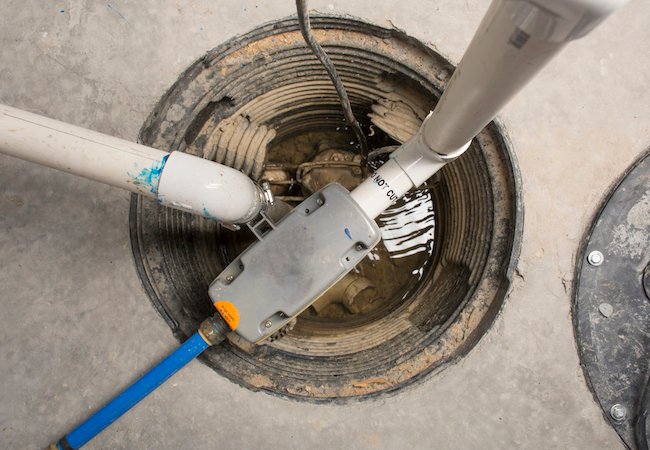
A sump pump is one of those home upgrades nobody brags about at dinner parties. No one says, “You simply must see my new 1/3-horsepower cast-iron water-removal masterpiece.” But when a heavy storm hits and your basement stays dry while your neighbor is rescuing cardboard boxes from a small indoor lake, the sump pump suddenly becomes the household MVP.
Buying a sump pump is not as simple as grabbing the biggest machine on the shelf and hoping it has superhero powers. The right model depends on your basement, crawl space, local water conditions, drain setup, sump basin size, vertical lift, power-outage risk, and how much you enjoy sleeping peacefully during thunderstorms.
This guide explains what to know before buying a sump pump, from pump types and horsepower to battery backup systems, discharge pipes, maintenance, and common mistakes that can turn a useful appliance into an expensive basement decoration.
What Does a Sump Pump Actually Do?
A sump pump removes water that collects in a sump basin, also called a sump pit. The basin is usually located at the lowest point of a basement or crawl space. Water from perimeter drains, groundwater, rain runoff, or foundation drainage flows into the basin. Once the water reaches a certain level, the pump activates and pushes it through a discharge pipe away from the home.
The goal is not to make your basement feel like a luxury spa. The goal is much less glamorous and much more valuable: keep water away from your foundation, floors, stored belongings, electrical equipment, and anything you would prefer not to see floating toward the stairs.
A sump pump can be especially useful in homes with a high water table, frequent storms, snowmelt, poor yard drainage, older foundation waterproofing, or a history of basement seepage. It can also help protect crawl spaces, where trapped moisture may contribute to musty odors, mold growth, and wood damage.
First, Decide Whether Your Home Needs a Sump Pump
Not every home needs a sump pump. A house on high, well-drained ground with a dry basement may never require one. But many homeowners do not discover they need a sump pump until after a storm turns their basement into an unwanted aquarium.
Signs You May Need One
- Your basement has flooded before, even if only once.
- You see water stains, damp walls, peeling paint, mildew, or musty odors.
- Your neighborhood has a high water table or frequent heavy rain.
- Your home sits at the bottom of a slope where runoff naturally collects.
- You have an unfinished basement or crawl space with visible moisture.
- Your existing pump runs often, makes strange noises, or appears old and unreliable.
- You store valuables, electronics, furniture, appliances, or finished rooms below grade.
A sump pump is not a substitute for basic exterior drainage. Before buying one, inspect the simple stuff first: clean gutters, extend downspouts away from the foundation, make sure the yard slopes away from the house, and repair obvious cracks or drainage problems. A pump is a strong defense, but it should not be the only player on your water-management team.
Choose Between a Submersible and Pedestal Sump Pump
The first major decision is pump style. Most residential sump pumps fall into two main categories: submersible and pedestal models.
Submersible Sump Pumps
A submersible sump pump sits inside the sump basin, with the motor and pump body designed to operate underwater. This is the most common choice for many homeowners because it is compact, generally quieter, and less noticeable once installed.
Submersible pumps are often a smart choice when you have a properly sized basin and want a cleaner-looking installation. Because the motor is surrounded by water during operation, it may run cooler. These pumps also tend to keep the basement quieter, which is helpful if your laundry room is near your home office and you are already hearing enough mysterious appliance noises.
The trade-off is that submersible pumps can be harder to inspect without opening the basin. Since they live in the pit, regular testing and maintenance matter.
Pedestal Sump Pumps
A pedestal sump pump keeps the motor above the basin while a hose or lower intake section reaches into the water. The motor remains visible and easier to access, which can make inspection and repairs simpler.
Pedestal models can work well in narrow or shallow pits where a larger submersible pump does not fit. They are usually less expensive than comparable submersible models, but they can be louder and more exposed. In a finished basement, a pedestal pump may look a little like a plumbing experiment escaped from a science fair.
For many homes, a submersible model is the preferred option. However, the right answer depends on your pit dimensions, installation layout, and maintenance preferences.
Understand Horsepower, Flow Rate, and Vertical Lift
Horsepower matters, but it is not the whole story. A pump with more horsepower is not automatically better for every basement. Choosing a pump that is too weak can leave it overwhelmed during heavy rain. Choosing one that is unnecessarily powerful can cause short cycling, extra wear, and a lot of frantic on-and-off activity in the pit.
Common Residential Horsepower Ratings
- 1/4 horsepower: Often suitable for light-duty water problems or small basins.
- 1/3 horsepower: A common choice for average residential basements with moderate water flow.
- 1/2 horsepower: Useful for homes with heavier inflow, a deeper discharge route, or more demanding conditions.
- 3/4 horsepower and above: Usually reserved for more severe water conditions, deeper basements, larger homes, or unusually high water tables.
The important number is not just horsepower. Look closely at the pump’s flow rate, usually listed in gallons per hour or gallons per minute. Then check that rating at the actual lift height required in your home.
What Is Vertical Lift?
Vertical lift is the height the pump must raise water before it can discharge outside. For example, a pump may move a large volume of water at zero feet of lift but much less at 10 or 15 feet. This is why a pump’s biggest number on the box is not always the number that matters most.
Measure from the water level in the sump pit to the highest point in the discharge pipe. Then factor in the horizontal pipe run, fittings, elbows, and resistance inside the pipe. Water does not enjoy taking sharp corners any more than you enjoy stepping on a Lego at 2 a.m.
If you are replacing an old sump pump, check the existing pump label and discharge setup. If your home has had flooding despite the current pump, do not simply buy the same model again. The issue may be undersizing, a failing float switch, a clogged discharge line, poor drainage, or a lack of backup power.
Measure the Sump Basin Before You Buy
Your sump basin must be large enough for the pump and float switch to operate freely. A pump that technically fits but cannot move its float without hitting the basin wall is not a good fit. That is like buying a treadmill for a closet and wondering why the workout feels cramped.
Measure the basin’s width and depth before shopping. Many sump pumps require a minimum basin diameter and depth, particularly models with vertical float switches or separate backup pumps. A larger basin can also reduce rapid cycling by allowing more water to collect before the pump activates.
Look for a basin cover as well. A secure, sealed cover can help reduce moisture, odors, debris, and accidental contact with the pit. It is especially important in homes with children, pets, or curious people who believe every mysterious basement opening deserves investigation.
Pay Close Attention to the Float Switch
The float switch tells the sump pump when to turn on and off. It may be the least glamorous part of the system, but it is often one of the most important. A powerful motor is not very helpful if the switch fails to activate when water rises.
Common Float Switch Types
- Tethered float switch: A float attached to a flexible cord that rises with water.
- Vertical float switch: A float that moves up and down on a rod.
- Electronic switch: Sensors that detect water levels without a traditional floating ball.
Tethered floats need more open space in the basin because they swing. Vertical floats fit well in tighter pits but must have enough clearance to move smoothly. Electronic switches can offer reliable operation, but homeowners should still test them regularly.
When comparing pumps, look for a switch designed for repeated operation and check whether it can be replaced independently. A failed switch should not automatically require replacing an otherwise healthy pump.
Do Not Skip the Check Valve
A check valve is a small component with a big job. It prevents water in the discharge pipe from flowing back down into the sump basin after the pump shuts off.
Without a functioning check valve, some of the water the pump just worked to remove may tumble back into the pit. The pump may restart more often, wear out faster, and waste electricity. It is the plumbing equivalent of carrying groceries upstairs only to watch half the bags roll back down the steps.
Choose a durable check valve designed for sump pump use and make sure it is installed in the correct direction. Many valves are marked with an arrow showing the direction of water flow. A valve installed backward is a surprisingly efficient way to create confusion, noise, and regret.
Plan the Discharge Route Before Installation
Your sump pump is only as good as its discharge system. The pump must move water far enough away from the foundation so that it does not simply soak into the soil and return to the sump basin. That would be less of a drainage system and more of a very tiring water carousel.
The discharge line should direct water away from the house, while following local building codes and neighborhood rules. In many areas, it should not discharge onto a neighboring property, into a sanitary sewer, or into a septic system. Connecting a sump pump to a septic system can create serious problems and should be avoided.
Consider these discharge details before purchase:
- Distance from the foundation
- Vertical lift required to reach the exit point
- Pipe diameter and compatibility with the pump outlet
- Number of elbows and bends in the pipe
- Risk of freezing in cold climates
- Whether the outlet may clog with leaves, mulch, ice, or debris
If you live in a cold climate, the outdoor discharge line needs careful planning. Frozen discharge pipes can prevent water from leaving the system just when snowmelt or spring rain is causing the most trouble.
Consider a Battery Backup Sump Pump
Storms often bring two things together: lots of water and power outages. Unfortunately, a standard electric sump pump is not thrilled by that combination. If the power goes out during heavy rain, your primary pump may sit silently in the basement while water keeps arriving.
A battery backup sump pump provides an additional layer of protection. These systems usually include a secondary pump, battery, charger, alarm, and controller. When the primary pump fails or the power goes out, the backup system can activate.
When a Backup System Makes Sense
- Your area experiences frequent storms or outages.
- Your basement has flooded before.
- You travel often or own a vacation property.
- Your basement contains finished rooms, expensive equipment, or valuables.
- Your pump runs frequently during wet weather.
- You have a high water table or rapid groundwater inflow.
Battery backup pumps are not identical to primary pumps. Their runtime and pumping capacity depend on the battery, water inflow, lift height, and model design. Check how long the system can operate under realistic conditions, not just the most optimistic number printed in giant letters on the packaging.
Some homeowners also consider water-powered backup pumps. These use municipal water pressure rather than electricity or a battery. They can provide long-duration backup in certain situations, but they are not allowed everywhere and may increase water use substantially. Check local code requirements before choosing one.
Look for Materials That Match the Job
Sump pumps are commonly made from plastic, stainless steel, cast iron, or combinations of those materials. The best material depends on how often the pump will run and how demanding the environment is.
Plastic Housing
Plastic pumps are lightweight, corrosion-resistant, and usually budget-friendly. They can be a reasonable choice for light-duty or occasional use. However, they may not be as durable as heavier construction in demanding conditions.
Cast Iron Housing
Cast iron pumps are often chosen for durability and heat dissipation. They tend to cost more, but they can be a worthwhile investment in homes with frequent water issues. A cast-iron pump is not automatically immortal, but it is generally built for more serious work than a bargain plastic model.
Stainless Steel Components
Stainless steel can offer corrosion resistance and durability, particularly in humid basement environments. Check the impeller material, switch quality, motor construction, and warranty rather than judging the entire pump by one shiny metal component.
Choose an Alarm or Smart Monitoring Feature
A sump pump alarm can alert you when water rises too high, the pump fails, the battery backup activates, or the power goes out. This is particularly useful because sump pump problems often happen in the least visited corner of the basement.
Some modern systems provide audible alarms, Wi-Fi alerts, smartphone notifications, or remote monitoring. These features are especially useful for rental properties, vacation homes, finished basements, or homeowners who want a heads-up before a small issue becomes a flooring replacement project.
Smart features are helpful, but do not let them distract from the basics. A reliable pump, correct basin size, proper discharge line, working check valve, and tested backup system matter more than receiving an elegant phone notification that your basement has become damp.
Installation Costs and DIY Considerations
Replacing an existing sump pump can be a manageable project for an experienced homeowner, especially when the basin, discharge pipe, electrical outlet, and drainage system are already in place. Installing a brand-new sump pump system is more complicated because it may involve cutting concrete, digging a basin, adding drain tile, routing discharge pipes, and ensuring the electrical setup meets code.
A professional installation may be worth the cost when you have:
- No existing sump basin
- Recurring basement flooding
- Foundation drainage problems
- Electrical work that requires a dedicated grounded outlet
- A finished basement
- Questions about local drainage or discharge rules
Do not plug a sump pump into an overloaded extension cord, a loose outlet, or a power strip hidden behind storage boxes. Water and questionable electrical shortcuts are a terrible pairing. A properly grounded outlet and a suitable circuit are important safety basics.
How to Maintain a Sump Pump After You Buy It
Buying a sump pump is not the finish line. It is more like adopting a very useful appliance that asks for occasional attention and then saves your basement when the weather becomes dramatic.
Simple Sump Pump Maintenance Checklist
- Test the pump several times a year, especially before rainy seasons.
- Pour water into the basin and confirm that the pump activates and drains properly.
- Inspect the float switch for debris, tangling, or restricted movement.
- Check that the discharge pipe is clear and directs water away from the foundation.
- Inspect the check valve for leaks, noise, or backflow.
- Clean sediment, mud, gravel, and debris from the basin as needed.
- Test the battery backup system and replace batteries according to manufacturer guidance.
- Listen for unusual grinding, rattling, buzzing, or nonstop cycling.
A pump that runs constantly, fails to run, vibrates excessively, smells hot, makes loud noises, or leaves water in the pit may need service or replacement. Do not wait for a major storm to discover that your pump has quietly retired.
Common Sump Pump Buying Mistakes
Most sump pump disasters begin with a few understandable mistakes. Avoid these common problems before they become expensive lessons.
Buying Based on Price Alone
The cheapest pump can be tempting, especially when your basement looks dry on the day you shop. But a sump pump is insurance against a problem that can cost far more than the pump itself. Focus on quality, capacity, warranty, switch reliability, and backup options.
Ignoring the Discharge Pipe
A strong pump connected to a clogged, frozen, undersized, or poorly routed discharge line will not solve your water problem. Plan the entire system, not just the machine in the pit.
Forgetting About Power Outages
If your area loses power during storms, a standard pump alone may not be enough. Consider a battery backup, water-powered backup where allowed, or a properly sized generator plan.
Choosing Too Much Pump
More horsepower is not always better. An oversized pump may cycle too often, causing unnecessary wear. Match the pump to your water inflow and discharge conditions.
Never Testing the Pump
A sump pump can look perfectly fine while doing absolutely nothing useful. Testing it regularly is faster, cheaper, and much less stressful than emergency water removal at midnight.
Real-World Experiences: Lessons Homeowners Learn the Wet Way
Most sump pump advice sounds obvious after a basement flood. Before the flood, however, people often assume the little device in the corner will simply handle everything forever. It is easy to think of a sump pump as a set-it-and-forget-it appliance, like a refrigerator or a smoke detector. In reality, it is closer to a raincoat: incredibly useful, but only when it is in good shape and actually available when the storm arrives.
One common homeowner experience starts with a pump that worked perfectly for years. Then a major storm arrives, the power flickers, and the basement begins taking on water. The pump itself may still be in excellent condition, but without electricity, it cannot move a single gallon. This is why many homeowners who have lived through one storm-related outage become strong believers in battery backup systems. They may never talk about it at parties, but they will absolutely mention it when someone says, “My basement got a little wet last weekend.”
Another frequent lesson involves the discharge line. A homeowner may replace a pump, install a stronger model, and feel completely prepared. Then winter arrives. Snow piles up near the outlet, the pipe freezes, or leaves collect around the discharge point. The pump turns on, but the water has nowhere to go. In this situation, the pump may run continuously, overheat, or send water right back toward the foundation. The lesson is simple: inspect the entire route, not just the motor.
Some homeowners learn that the float switch deserves more respect than it gets. A float can become trapped against the basin wall, tangled around a pipe, blocked by debris, or prevented from moving by a backup pump setup. The pump may be powerful enough to empty a swimming pool, but it cannot help if the switch never signals it to start. Testing the pump by adding water to the pit is one of the easiest maintenance tasks in the house, yet many people skip it until they hear the unmistakable sound of dripping water in a place where dripping water should not be.
There is also the “I bought the biggest pump available” experience. Bigger is sometimes necessary, especially in homes with serious groundwater pressure or long discharge routes. But in a moderate system, a very powerful pump can empty the basin quickly, restart frequently, and put extra wear on the motor and switch. Homeowners sometimes mistake rapid cycling for strength, when it may actually be a sign that the basin is too small, the switch is poorly adjusted, or the system is not matched correctly.
People with finished basements often approach sump pumps differently than people with unfinished storage areas. When a basement contains flooring, drywall, furniture, electronics, family photos, a home gym, or a movie room that cost more than a compact car, the value of backup protection becomes easier to understand. A secondary pump, alarm, and battery system can feel expensive until compared with the cost of replacing wet flooring, removing moldy drywall, drying insulation, and explaining to your family why the “home theater” now smells like a damp cardboard warehouse.
Another practical experience involves maintenance. Homeowners who keep their sump basin clear, check the outlet, inspect the check valve, and test the pump before wet weather usually avoid the most dramatic failures. The maintenance is not exciting. It will not earn likes on social media. But it takes only a few minutes and can prevent the kind of weekend that includes wet-vac rentals, ruined boxes, and an emergency search for “how to dry a basement fast.”
Finally, many homeowners discover that a sump pump is only one part of a larger moisture-control plan. If gutters dump water next to the foundation, grading slopes toward the house, downspouts are clogged, or exterior drainage is poor, the pump may be forced to work much harder than necessary. The best results come from combining a reliable sump pump with smart drainage outside the home. Think of the pump as the last line of defense, not the entire army.
Note: This article provides general educational information for U.S. homeowners. Sump pump sizing, electrical connections, discharge locations, backup systems, and drainage work should follow local building codes, manufacturer instructions, and professional guidance when conditions are complex.











