
Growing older should not feel like being handed a complicated user manual written in tiny font, translated three times, and missing page 47. Yet for many older adults and family caregivers, health care can feel exactly like that: too many appointments, too many medications, too many instructions, and not enough time spent asking the simplest question of all: “What matters to you?”
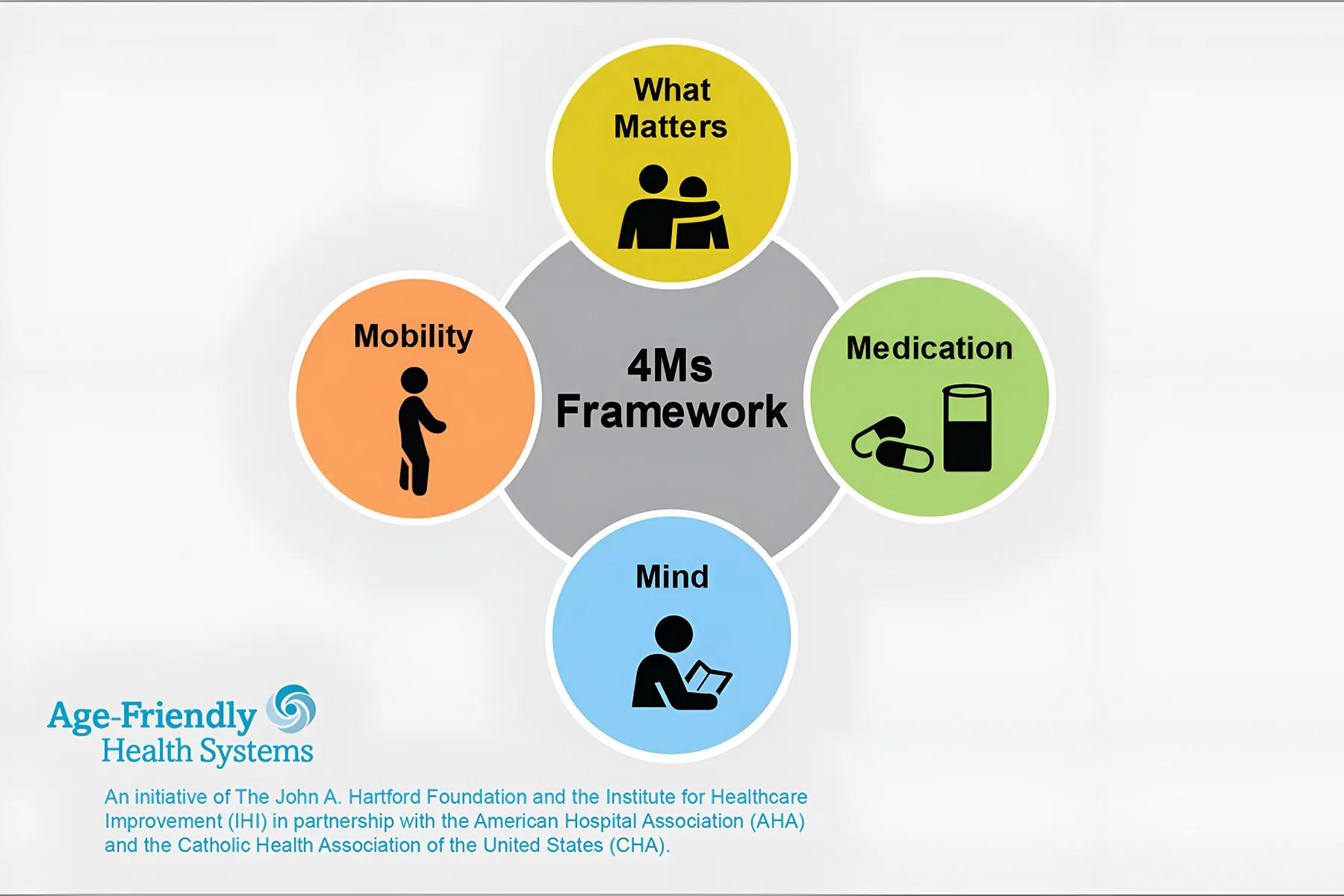
That is where the 4Ms of Age-Friendly Care come in. The 4Ms framework is a practical, evidence-based approach designed to make care for older adults safer, more personal, and easier to coordinate. Instead of treating aging as a long list of problems, the 4Ms organize care around four essential areas: What Matters, Medication, Mentation, and Mobility. In plain English, that means knowing a person’s goals, using medicines wisely, supporting brain health, and helping people move safely.
The beauty of the 4Ms is that they are not a trendy hospital poster or another acronym created to make meetings last longer. They are a useful roadmap for doctors, nurses, pharmacists, social workers, caregivers, and older adults themselves. Whether care happens in a hospital, clinic, nursing home, assisted living community, or at the kitchen table with a pill organizer and a suspiciously judgmental cat, the 4Ms help keep the personnot just the diagnosisat the center.
What Are the 4Ms of Age-Friendly Care?
The 4Ms of Age-Friendly Care are four connected elements that guide high-quality care for older adults:
- What Matters: Understand and act on each older adult’s personal goals, values, and care preferences.
- Medication: Use medications that help, avoid those that harm, and reduce unnecessary treatment burden.
- Mentation: Prevent, identify, treat, and manage dementia, depression, and delirium.
- Mobility: Help older adults move safely every day to maintain function and independence.
These four areas work best together. For example, a medication that causes dizziness may increase fall risk, which affects mobility. Poor sleep or confusion may affect mentation, which makes it harder to explain what matters. A person’s goal may be to stay strong enough to garden, attend church, cook Sunday dinner, or walk a granddaughter down the aisle. The care plan should support that goal, not accidentally trip over it like a rug in the hallway.
Why Age-Friendly Care Matters More Than Ever
Older adults often live with multiple chronic conditions, see more than one clinician, and take several medications. Without a clear framework, care can become fragmented. One specialist adjusts one medicine, another orders a test, a third recommends rest, and suddenly the patient is juggling instructions like a circus performerexcept nobody signed up for the circus.
Age-friendly care helps reduce that chaos. It encourages health systems to ask better questions, communicate across teams, and align care with the older adult’s priorities. It also recognizes that “successful care” does not always mean doing more. Sometimes it means simplifying a medication list, preventing a fall, identifying delirium early, or helping someone stay independent at home.
The First M: What Matters
Putting Personal Goals at the Center
“What Matters” is the heart of the 4Ms framework. It asks clinicians and caregivers to learn what matters most to the older adult and then shape care around those priorities. This may sound obvious, but in real-world health care, it can easily be skipped. Blood pressure readings, lab results, and imaging reports often shout louder than personal goals. The 4Ms politely take the microphone back.
Asking what matters may reveal goals that change the entire care plan. One person may want aggressive treatment to attend a family wedding six months away. Another may prioritize comfort, fewer hospital visits, or staying in their own home. Neither goal is wrong. The point is to know the person’s values before building the plan.
Examples of “What Matters” Questions
Clinicians and caregivers can ask simple, respectful questions such as:
- What is most important to you right now?
- What health goal would make the biggest difference in your daily life?
- What worries you most about your care?
- What activities do you want to keep doing?
- Who should be involved in decisions about your care?
These questions may lead to surprisingly practical answers. An older adult may say, “I want to stop feeling so sleepy,” “I want to keep driving safely,” or “I want to be able to climb my porch steps.” Suddenly, the care plan has a target. Not a vague target like “improve health,” but a real-life target with shoes, stairs, keys, and dignity attached.
The Second M: Medication
Using Medicines Wisely
Medication can be life-changing, life-saving, and occasionally life-confusing. Many older adults take several prescriptions, over-the-counter medicines, vitamins, and supplements. Add in different prescribers, changing doses, and pharmacy refills, and the medication list can start to look like a grocery receipt after Thanksgiving.
The Medication part of the 4Ms focuses on using medicines that support what matters, mobility, and mentation while reducing unnecessary harm. This does not mean older adults should stop medicines on their own. It means medications should be reviewed regularly by qualified professionals, especially when new symptoms appear.
Medication Risks in Older Adults
As people age, the body may process drugs differently. Some medicines can increase the risk of dizziness, falls, confusion, constipation, low blood pressure, or sleepiness. Certain drugs may be appropriate for younger adults but risky for older adults, especially when combined with other medications.
An age-friendly medication review often asks:
- Is each medicine still needed?
- Does the dose remain appropriate?
- Could this drug affect memory, balance, mood, or alertness?
- Are there safer alternatives?
- Is the medication schedule realistic for the patient and caregiver?
Medication management also includes reducing treatment burden. A medicine is not truly helpful if the patient cannot afford it, understand it, open the bottle, remember the schedule, or tolerate the side effects. Good medication care is not just about the prescription pad; it is about real life.
The Third M: Mentation
Supporting Brain Health and Emotional Well-Being
Mentation refers to the mind: memory, thinking, mood, attention, and awareness. In the 4Ms framework, this includes preventing, identifying, treating, and managing dementia, depression, and delirium. These conditions are common in older adults, but they are not “just aging.” That phrase belongs in the same retirement home as “computers are just a fad.”
Changes in thinking or mood deserve attention. A normally sharp older adult who suddenly becomes confused may have delirium, which can be triggered by infection, dehydration, medication effects, surgery, pain, or hospitalization. Depression may look like sadness, but it can also appear as fatigue, withdrawal, poor appetite, or loss of interest. Dementia involves changes in memory and thinking that interfere with daily life and requires thoughtful evaluation and support.
Why Mentation Is Connected to the Other 3Ms
Mentation affects everything. A person with confusion may fall more easily, take medication incorrectly, or struggle to communicate what matters. A person with untreated depression may lose motivation to walk, eat well, attend appointments, or stay socially connected. A person with memory loss may need caregiver support to follow a care plan.
Age-friendly care treats mentation as a core part of health, not an afterthought. Screening for cognitive changes, asking about mood, checking for delirium during hospital stays, and involving caregivers when appropriate can prevent small issues from becoming big crises.
The Fourth M: Mobility
Helping Older Adults Move Safely
Mobility is about more than walking. It is about independence, confidence, strength, balance, and the freedom to participate in daily life. When mobility declines, everything else can shrink too: social life, mood, appetite, sleep, and the ability to live at home.
The Mobility part of the 4Ms encourages safe movement every day. In hospitals, that may mean helping patients get out of bed, walk with assistance, and avoid unnecessary immobility. In clinics, it may include fall risk screening, physical therapy referrals, exercise plans, vision checks, home safety conversations, and reviewing medications that can increase fall risk.
Examples of Age-Friendly Mobility Support
Mobility support may include:
- Checking gait, balance, and fall history.
- Encouraging strength and balance exercises when appropriate.
- Removing tripping hazards at home.
- Improving lighting in hallways and bathrooms.
- Using canes, walkers, or grab bars correctly.
- Reviewing medicines that may cause dizziness or sleepiness.
- Helping hospitalized patients move safely instead of staying in bed all day.
The goal is not to turn every older adult into a marathon runner. The goal is to preserve function. Walking to the mailbox, getting into the shower safely, standing up from a chair, shopping for groceries, or dancing badly at a family party all count as mobility victories.
How the 4Ms Work Together in Real Care
The 4Ms are most powerful when used as a set. Imagine an older adult named Mrs. Carter who comes to the clinic after two recent falls. A traditional approach might focus only on the fall injury. An age-friendly approach looks deeper.
What Matters: Mrs. Carter says she wants to stay in her apartment and keep walking to her neighborhood library. That goal becomes the anchor.
Medication: Her care team reviews her prescriptions and finds that one nighttime medication may contribute to morning dizziness. They discuss safer options with her.
Mentation: The team asks about memory and mood. Mrs. Carter admits she has felt down since her sister moved away. Depression screening leads to support.
Mobility: A physical therapist evaluates her balance and recommends strength exercises. A caregiver helps remove loose rugs and improve bathroom safety.
Instead of simply saying, “Be careful,” the care team builds a plan that supports her real goal: staying independent enough to visit the library. That is the 4Ms in action. It is practical, personal, and much better than handing someone a brochure that says “Don’t fall,” which is about as useful as telling rain to “be less wet.”
Benefits of the 4Ms of Age-Friendly Care
Better Communication
The 4Ms give everyone a shared language. Doctors, nurses, pharmacists, caregivers, and patients can organize conversations around the same four areas. This reduces confusion and helps prevent important concerns from falling through the cracks.
Safer Medication Use
Medication review can identify drugs that may no longer be needed, may be causing side effects, or may interfere with mobility and mentation. This is especially important during care transitions, such as hospital discharge, when medication lists often change.
More Personalized Care
By starting with What Matters, care becomes more respectful and realistic. An older adult’s values guide decisions, rather than being added later like parsley on a plate.
Reduced Risk of Functional Decline
Mobility support helps older adults maintain strength and independence. Preventing immobility is especially important during hospital stays, where even a short period of bed rest can affect function.
Earlier Recognition of Cognitive and Mood Changes
Mentation screening can help detect delirium, dementia, or depression earlier. Earlier recognition allows for faster treatment, better caregiver support, and safer planning.
How Families Can Use the 4Ms at Home
The 4Ms are not only for hospitals and clinics. Families can use them as a simple checklist before appointments, during care transitions, or when something changes at home.
Before a Medical Appointment
Write down the older adult’s top goal or concern. Bring a complete medication list, including over-the-counter products. Note any recent falls, confusion, mood changes, sleep problems, appetite changes, or difficulty walking.
During the Appointment
Ask questions clearly and directly. For example: “Could any of these medicines affect balance or memory?” “Should we screen for depression or cognitive changes?” “What can we do to reduce fall risk?” “How does this treatment help with what matters most?”
After the Appointment
Make sure instructions are understandable. Confirm who is responsible for each step. If the plan involves medication changes, follow the clinician’s directions carefully and ask the pharmacist for help if anything is unclear.
Common Mistakes the 4Ms Help Prevent
Age-friendly care helps prevent several common care mistakes. One is treating every symptom as a separate problem without looking for connections. Dizziness, confusion, and falls may be linked to medication, dehydration, infection, poor sleep, or depression. The 4Ms encourage teams to connect the dots before the dots become a polka-dot disaster.
Another mistake is assuming that older adults all want the same thing. Some want longer life at almost any cost. Others want comfort, fewer side effects, fewer hospital visits, or more time at home. The 4Ms protect personal choice by making What Matters a required conversation, not a lucky accident.
A third mistake is overlooking caregivers. Family members and friends often notice changes first. They may see confusion, missed pills, unsafe walking, or mood changes that do not show up during a 15-minute appointment. Age-friendly care values caregiver input while still respecting the older adult’s voice and autonomy.
Implementing the 4Ms in Health Care Settings
For health care organizations, implementing the 4Ms requires more than good intentions and a motivational poster in the break room. It takes workflows, documentation, staff training, measurement, and teamwork. The goal is reliable practice, meaning every older adult receives 4Ms care, not just the lucky patient who gets the extra-thorough Tuesday morning appointment.
Practical steps include adding What Matters questions to intake forms, integrating medication review into routine care, screening for delirium and depression, assessing mobility, and documenting action plans in the electronic health record. Teams should also track whether they are assessing all four Ms and acting on what they find.
Age-friendly care works best when it becomes part of normal care. The 4Ms should not feel like extra paperwork stapled onto an already busy day. They should simplify decisions, clarify priorities, and help teams spend time on the issues most likely to affect quality of life.
Experience-Based Insights: What the 4Ms Look Like in Real Life
In real life, the 4Ms of Age-Friendly Care often show up in small moments rather than dramatic medical scenes. They appear when a nurse pauses before discharge and asks, “Do you feel safe getting to the bathroom at night?” They appear when a pharmacist notices that a sleep aid may be contributing to morning grogginess. They appear when a daughter says, “Dad is not usually confused like this,” and the care team takes that comment seriously instead of brushing it off as aging.
One common experience families describe is the relief of finally having a framework. Before learning about the 4Ms, caregiving can feel like trying to manage twenty browser tabs at once, except three are playing music and nobody can find which one. The 4Ms reduce the noise. Instead of asking, “What are we forgetting?” families can ask four steady questions: What matters most? Are the medications helping or hurting? Is there any change in memory, mood, or attention? Is mobility safe and supported?
Another real-world lesson is that “What Matters” can change over time. An older adult recovering from surgery may initially care most about pain control and getting home. Later, the priority may become walking to the garden, cooking independently, or attending a grandchild’s graduation. Age-friendly care is not a one-and-done conversation. It should be revisited whenever health status, living situation, or personal goals change.
Medication conversations can also be surprisingly emotional. Some older adults feel attached to long-used prescriptions because they represent safety and routine. Others feel overwhelmed by the number of pills but worry that asking questions will seem disrespectful. A good age-friendly approach makes medication review feel normal, not accusatory. The message is not, “You are taking too many pills.” The message is, “Let’s make sure every medicine still supports your goals and does not create new problems.” That difference matters.
Mentation is another area where experience teaches humility. Families may notice subtle changes long before formal testing happens: unpaid bills, repeated questions, spoiled food in the refrigerator, missed appointments, or unusual irritability. These signs do not automatically mean dementia, but they do deserve attention. Delirium, depression, medication effects, infections, and sleep problems can all affect thinking. Age-friendly care keeps the door open for careful evaluation instead of jumping to conclusions.
Mobility, meanwhile, is often where independence becomes visible. A person may not care about a formal exercise plan, but they may care deeply about walking to the mailbox without fear. They may not want to discuss “fall prevention,” which sounds about as exciting as watching paint apply for a mortgage, but they may want to keep shopping, cooking, gardening, or visiting friends. Framing mobility around meaningful activities makes the plan more motivating.
The biggest experience-based takeaway is that the 4Ms are not separate boxes. They are a conversation loop. What Matters guides the plan. Medication safety protects the mind and body. Mentation affects decision-making and daily routines. Mobility supports independence and confidence. When all four are considered together, care becomes less reactive and more human. That is the quiet power of age-friendly care: it helps older adults receive care that fits their lives, not just their charts.
Conclusion
The 4Ms of Age-Friendly Care offer a smarter, kinder, and more organized way to care for older adults. By focusing on What Matters, Medication, Mentation, and Mobility, the framework helps health care teams and families make decisions that are safer, more personal, and more connected to everyday life.
Age-friendly care does not require magic. It requires listening carefully, reviewing medications thoughtfully, taking brain health seriously, and protecting mobility every day. It asks health systems to treat older adults not as a collection of diagnoses, but as people with goals, preferences, routines, relationships, and stories worth honoring.
In the end, the 4Ms are not just a framework. They are a reminder: good care should help older adults live as well as possible, as safely as possible, in ways that matter to them. And honestly, health care could use more of that kind of common sensewith or without an acronym.












