
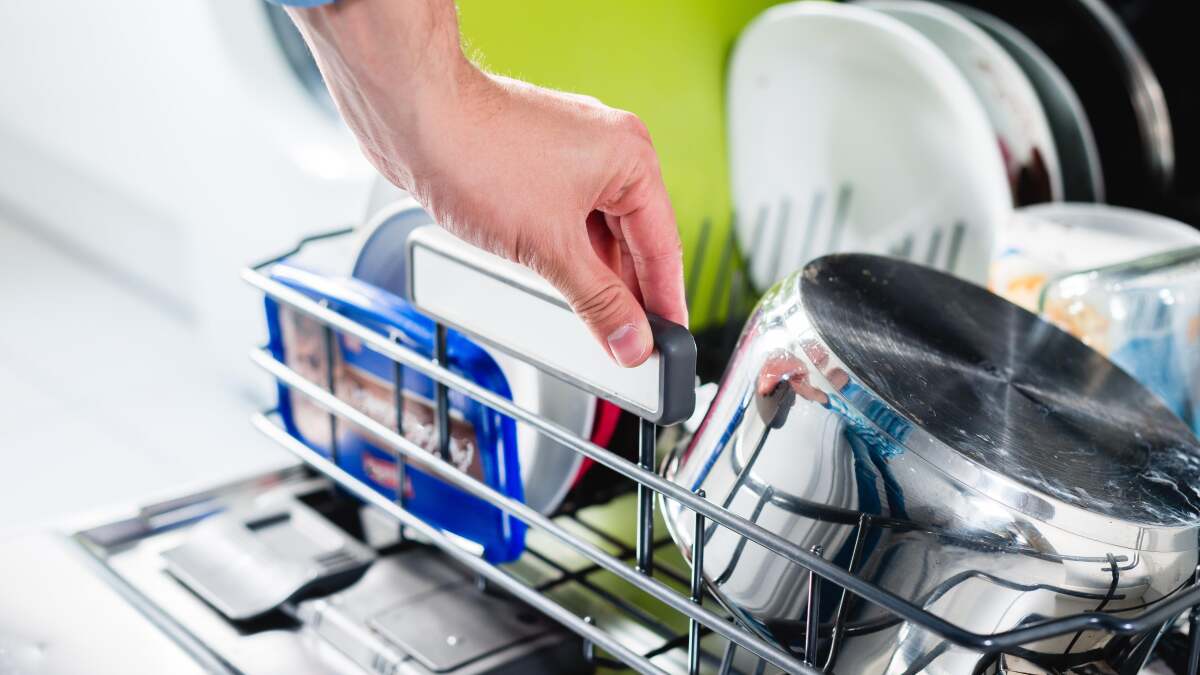
Your dishwasher is a hardworking kitchen hero, but it is not an indestructible washing portal for every objectwerful spray jets, alkaline detergent, and, on many cycles, intense drying heat. Ordinary plates love the experience. Certain pans, knives, containers, and heirlooms absolutely do not.
Loading the wrong item can leave you with warped plastic, rusty cookware, faded decorations, cracked wood, or a chef’s knife that suddenly cuts tomatoes with the enthusiasm of a butter spreader. In some cases, the damaged item can also clog the dishwasher filter or interfere with the spray system.
One important rule applies throughout this guide: always follow the item manufacturer’s care instructions. Newer products are sometimes designed to survive conditions that would damage traditional versions. When no dishwasher-safe label or care manual is available, hand-washing is usually the safer and less expensive choice.
Why Some Materials Cannot Handle a Dishwasher
A dishwasher does much more than spray warm water. Automatic dishwasher detergents are formulated to break down grease, starch, and baked-on food without producing mountains of suds. That cleaning power can also attack seasoning, decorative finishes, adhesives, and sensitive metals.
Meanwhile, repeated soaking and drying cause some materials to expand and contract. Lightweight objects may move around, sharp tools can strike other items, and delicate glassware may vibrate against the rack. Heated drying adds another round of thermal stress. In other words, a dishwasher cycle is less like a relaxing bath and more like kitchenware boot camp.
1. Wooden and Bamboo Kitchenware
Wooden spoons, bamboo utensils, salad bowls, rolling pins, and wood cutting boards should generally stay out of the dishwasher. Wood naturally absorbs moisture. During a cycle, it becomes saturated with hot water and then dries quickly under heat. Repeating that process can make the material warp, split, crack, or lose its smooth finish.
What Can Happen to Wood in the Dishwasher?
A cutting board may come out slightly curved, which turns chopping onions into a tiny seesaw demonstration. Laminated boards can separate along glued joints, while utensil handles may become rough enough to catch on your hand. Dishwasher detergent can also remove protective oil from finished wood, leaving it dry, pale, and more vulnerable to future damage.
How to Clean Wooden Items Instead
Wash wood promptly with warm water, mild dish soap, and a soft sponge. Avoid leaving it submerged in the sink. Rinse it, wipe it dry, and allow it to finish air-drying in an upright position so both sides receive airflow. Food-grade mineral oil or a manufacturer-approved board cream can help maintain unfinished wooden cutting boards.
2. Seasoned Cast-Iron and Carbon-Steel Cookware
Traditional cast-iron skillets, griddles, Dutch ovens, and carbon-steel pans rely on a layer of seasoning. This polymerized oil helps protect the metal from moisture while creating a smoother cooking surface. Dishwasher detergent and prolonged water exposure can strip away that seasoning and encourage rust.
Why the Dishwasher Is So Hard on Seasoned Pans
After one cycle, a pan may look dull, patchy, or orange around the edges. That orange color is not an exciting new design feature; it is rust beginning its career. Even when corrosion is minor and repairable, restoring the pan requires scrubbing, drying, oiling, and reseasoning. The dishwasher saves five minutes and creates a weekend project.
The Better Cleaning Method
Clean seasoned cookware by hand while it is still slightly warm but safe to touch. Use hot water, a brush, or a pan scraper to loosen food. A small amount of mild soap is acceptable for many modern seasoned pans, but follow the manufacturer’s instructions. Dry the cookware immediately and thoroughly, then apply a very thin layer of cooking oil if recommended.
Enameled cast iron requires a separate care check. Some enameled pieces are technically dishwasher-safe, but manufacturers often recommend hand-washing to protect the exterior gloss and reduce the risk of chipping.
3. High-Quality Kitchen Knives
A sturdy dinner knife may be dishwasher-safe, but a sharp chef’s knife, carving knife, paring knife, or premium kitchen shear deserves hand-washing. Heat, detergent, moisture, and contact with other utensils can affect the blade, handle, and cutting edge.
How a Dishwasher Damages Knives
During the cycle, a knife may move against the basket or collide with nearby silverware. That repeated contact can create tiny chips or roll the blade’s fine edge. Corrosive food residue and prolonged moisture may cause staining or corrosion, especially around joints and rivets. Wood handles can crack, while some bonded or composite handles may deteriorate over time.
There is also a safety issue. Reaching into a crowded utensil basket and discovering a sharp blade by touch is an unpleasant way to begin the morning.
How to Wash a Kitchen Knife Safely
Wash the knife shortly after use with warm water, mild soap, and a nonabrasive sponge. Keep the blade visible rather than dropping it into a sink full of cloudy water. Rinse carefully, dry immediately with a clean towel, and return it to a knife block, magnetic strip, sheath, or protected drawer organizer.
4. Nonstick Cookware
Some nonstick cookware carries a dishwasher-safe label, but many manufacturers still recommend hand-washing to preserve the coating. Other ceramic and traditional nonstick pans are explicitly marked hand-wash only. When the instructions are missing, treat the pan gently.
What Dishwasher Cycles Do to Nonstick Surfaces
High heat and aggressive detergent can gradually dull or degrade a nonstick coating. The damage may not be dramatic after one wash, but repeated cycles can reduce food release and shorten the pan’s useful life. Lightweight cookware can also shift during washing and rub against racks, utensils, or other pans.
A pan that once released an omelet with a polite tilt may eventually require a spatula, negotiation skills, and emotional support.
How to Extend the Life of a Nonstick Pan
Allow the pan to cool before washing it; sudden temperature changes can contribute to warping. Use warm soapy water and a soft sponge or cloth. Avoid steel wool, abrasive powders, and harsh scrubbers. For stubborn residue, soak the pan briefly or use the cleaning method recommended by its manufacturer.
5. Copper, Bare Aluminum, Pewter, and Other Sensitive Metals
Not every shiny object belongs in the dishwasher. Copper cookware, bare or anodized aluminum, pewter, tin, and certain mixed-metal pieces can discolor, tarnish, pit, fade, or corrode when exposed to dishwasher detergent and heat.
Copper Cookware
Dishwasher chemicals can damage copper’s finish and cause spotting or discoloration. Pans with iron or brass handles may have additional care requirements. Hand-washing with mild soap and drying immediately helps preserve both the surface and the handle.
Aluminum and Pewter
Bare aluminum may darken or develop spots, while colored anodized finishes can fade. Pewter tarnishes easily and can react poorly to dishwasher conditions. Vintage metalware is especially risky because its exact alloy, coating, and construction may be unknown.
Be Careful When Mixing Metals
Even dishwasher-safe metals may react when they touch different metals during washing. Silver and stainless steel, for example, should not be allowed to rest against each other in the basket. When an item is valuable, decorative, plated, or unlabeled, hand-washing is the sensible default.
6. Antique, Hand-Painted, or Metal-Trimmed Dishes
Modern everyday dinnerware is often dishwasher-safe. Antique china, hand-painted plates, delicate crystal, and dishes with unverified gold, silver, or platinum trim are a different story. Dishwasher detergent can fade decoration, dull metallic details, or create fine surface damage that becomes more visible over time.
Why Age and Construction Matter
An older plate may have survived decades because previous owners washed it gently. Its glaze could contain tiny cracks, repairs, or worn areas that are difficult to see. High-pressure water and repeated temperature changes may worsen existing weaknesses.
Modern metal-trimmed dinnerware is not automatically unsafe; some current collections are specifically engineered and labeled for dishwasher use. The danger comes from guessing. If you cannot verify the care instructions, do not conduct a durability experiment with Grandma’s holiday china.
How to Hand-Wash Delicate Dishes
Line the sink with a folded towel or rubber mat to reduce the chance of chipping. Use lukewarm water, mild detergent, and a soft cloth. Wash one piece at a time, avoid sudden temperature changes, and dry with a lint-free towel. Never stack fragile wet dishes where they can slide against one another.
7. Vacuum-Insulated Mugs and Food Containers Without a Dishwasher-Safe Label
Travel mugs, insulated bottles, and thermal food jars often contain two walls separated by a vacuum. That design keeps coffee hot and iced tea cold, but it also makes cleaning instructions important.
How Dishwasher Heat Can Affect Insulated Drinkware
On an item not designed for machine washing, heat and water may damage the exterior finish, gasket, adhesive, or seal between the walls. Once the vacuum seal fails, the container may no longer maintain temperature effectively. Water can also become trapped inside complex lids, producing odors that seem to return from vacation every time the cap is opened.
Check the Exact Product Instructions
Many newer insulated products are dishwasher-safe, sometimes on the top rack only. Others require hand-washing or recommend skipping heated drying. Do not assume that instructions for one bottle apply to another, even when both appear to be stainless steel.
For hand-washing, use warm soapy water and a bottle brush, then clean removable gaskets and lid components separately. Rinse thoroughly and leave every part open until completely dry.
8. Unmarked Plastics, Disposable Containers, and Items With Paper Labels
Only put plastic in the dishwasher when it is clearly labeled dishwasher-safe. Thin takeout containers, disposable food tubs, plastic cutlery, and unidentified lids may soften, warp, crack, or melt. A deformed container is annoying; melted plastic near a heating element or filter is a much larger problem.
Where Dishwasher-Safe Plastic Belongs
Most dishwasher-safe food-storage containers should be placed securely on the upper rack, away from the heating element. Lightweight lids need enough support to prevent them from flipping over or falling through the rack. Avoid high-temperature or sanitize cycles unless the product instructions specifically allow them.
Remove Adhesive Labels First
Paper labels on jars and containers can loosen during washing. Small pieces of paper and adhesive may collect in the filter or obstruct parts of the wash system. Remove labels and sticky residue before placing an otherwise dishwasher-safe container in the machine.
When a plastic item has no symbol, packaging, or manufacturer guidance, wash it by hand. Your dishwasher is a cleaning appliance, not a materials-testing laboratory.
A Simple Dishwasher-Safety Checklist
Before loading an unfamiliar item, ask these questions:
- Does the item or its packaging clearly say “dishwasher-safe”?
- Does it contain wood, glue, a vacuum seal, a painted design, or a sensitive coating?
- Could it warp, rust, tarnish, chip, or lose its seasoning?
- Is it valuable, antique, irreplaceable, or difficult to repair?
- Could a loose label, melted part, or heavy grease clog the dishwasher?
If the answers create doubt, spend two minutes washing the item by hand. Those two minutes are usually shorter than shopping for a replacement pan while muttering about “convenience.”
Conclusion: Let the Dishwasher Clean Dishes, Not Destroy Them
Dishwashers save water, labor, and a remarkable number of arguments about whose turn it is to clean up. They work best, however, when loaded with items designed to tolerate heat, detergent, spray pressure, and repeated drying.
Keep wooden kitchenware, seasoned iron, quality knives, vulnerable nonstick pans, sensitive metals, unverified decorative dishes, unlabeled insulated containers, and questionable plastics out of the machine. When a manufacturer specifically approves dishwasher cleaning, follow its rack placement and cycle instructions.
A good rule is simple: ordinary, clearly labeled dinnerware can enjoy the automated spa treatment. Expensive, sharp, coated, porous, delicate, or mysterious objects should receive personal service at the sink.
Real-World Lessons From Common Dishwasher Mishaps
Dishwasher mistakes often begin with a perfectly reasonable thought: “It will probably be fine.” Unfortunately, those five words have introduced many kitchens to warped cutting boards, cloudy glasses, and pans that appear to have aged twenty years during a ninety-minute cycle.
The Wooden Cutting Board That Became a Rocking Chair
A common household experience involves a small wooden cutting board being loaded beside the dinner plates. It emerges clean but no longer flat. One edge curls upward, moisture has opened a seam, and the board rocks every time a knife touches it. Continued use becomes irritating and potentially unsafe because the cutting surface moves. The lesson is that dishwasher damage does not always look dramatic; a slight structural change can make a kitchen tool practically useless.
The Cast-Iron Pan With an Orange Surprise
Another familiar mishap occurs when a well-meaning family member loads a seasoned skillet into the dishwasher. The pan comes out with dull gray patches and orange rust around the rim. It can often be rescued, but restoration requires removing the corrosion, drying the metal thoroughly, applying oil, and rebuilding the seasoning in the oven. What looked like a shortcut creates considerably more work than wiping and drying the skillet by hand.
The Knife That Slowly Lost Its Edge
Knife damage can be less obvious. A chef’s knife may survive several dishwasher cycles without visible rust or a broken handle. Over time, however, the edge becomes less precise because it repeatedly contacts the utensil basket and other metal tools. The owner notices that tomatoes crush before slicing and herbs develop bruised edges. A quick hand-wash after each use would have protected the blade and postponed sharpening.
The Plastic Lid That Escaped the Top Rack
Lightweight plastic lids are known for behaving like tiny kitchen frisbees. When placed loosely on a rack, one may flip during the wash and land near the heating area. The result can be a bent lid that no longer seals or, in a worse case, partially melted plastic and an unpleasant odor. Securing approved plastics on the top rack prevents both the escape attempt and the cleanup afterward.
The Travel Mug That Stopped Traveling Well
An unlabeled insulated mug may look nearly identical to a dishwasher-safe model. After repeated high-heat cycles, its painted finish starts peeling, moisture collects around the base, or its insulation becomes less effective. Morning coffee that once remained hot until lunch becomes lukewarm before the first meeting. Checking the exact care instructions would have taken less time than researching a replacement mug.
The “Special Occasion” Plate That Faded
Decorative dishes often carry sentimental value that far exceeds their purchase price. When an older painted plate is machine-washed, fading may be gradual rather than immediate. A floral border becomes slightly paler after each holiday meal until someone compares it with an untouched serving piece and realizes how much color has disappeared. Hand-washing delicate or unverified pieces protects details that cannot simply be repainted.
These experiences point to one practical habit: create a small hand-wash zone beside the sink. Place questionable knives, pans, wood items, and insulated containers there as soon as they are used. Separating them before cleanup prevents another person from loading them automatically. A few minutes of gentle washing can preserve kitchen equipment for years and keep the dishwasher focused on the job it performs best.











