
A blood draw is one of the most common medical procedures, yet the sight of a tray full of tubes can make even a calm adult consider an emergency escape through the nearest window. Fortunately, routine blood collection is usually quick, involves only a small amount of blood, and causes little more than a brief pinch.
Healthcare professionals use blood tests to evaluate blood cells, organ function, blood sugar, cholesterol, hormones, infections, medication levels, and many other aspects of health. Understanding how blood is drawn can make the appointment feel far less mysteriousand considerably less dramatic.
This guide explains the venipuncture procedure step by step, how to prepare, what the needle may feel like, how to manage anxiety or fainting, and what to do after the bandage goes on.
What Is a Blood Draw?
A blood draw is the collection of a blood sample for laboratory analysis. The medical term for drawing blood from a vein is venipuncture. The person collecting the sample may be a phlebotomist, nurse, medical assistant, laboratory technician, or another trained healthcare professional.
Most routine samples are taken from a vein near the inside of the elbow. Veins are generally used instead of arteries because they are closer to the skin and carry blood at lower pressure. Depending on the test and the patient’s age, blood may also be collected through a finger prick, heel stick, existing intravenous line, or arterial puncture.
Venipuncture vs. Finger-Prick Testing
Venipuncture can provide enough blood for several laboratory tests at once. A finger-stick test collects a much smaller capillary sample and is often used for rapid glucose checks, certain screening tests, or situations in which only a few drops are needed. Heel sticks are commonly used for newborn screening.
Although the collection methods differ, each is intended to obtain a useful sample while keeping discomfort and risk as low as possible.
How Blood Is Drawn Step by Step
A standard blood draw often takes only a few minutes. The laboratory analysis may be complicated, but your part is mostly sitting still and resisting the urge to study the needle like it is the villain in a suspense movie.
1. Your Identity and Test Order Are Confirmed
Before collecting anything, the healthcare professional confirms identifying information such as your name and date of birth. They also review the laboratory order to determine which tests were requested, how many tubes are required, and whether special handling is necessary.
This safety step matters because the sample must be matched accurately to the correct patient and test. You may also be asked whether you fasted, took medications, have allergies, use blood-thinning medicine, or have previously fainted during blood collection.
2. You Sit or Lie in a Safe Position
Most people sit in a collection chair with one arm supported on an armrest. Tell the phlebotomist before the procedure if you have a history of dizziness, fainting, seizures, severe needle anxiety, or difficult blood draws. They may have you lie down rather than sit, which can reduce the risk of falling if you become lightheaded.
3. A Tourniquet Is Placed Around Your Arm
An elastic tourniquet is wrapped around the upper arm. It temporarily slows the return of venous blood, making the veins below it easier to see and feel. You may be asked to make a gentle fist. Avoid repeatedly pumping your fist unless the collector specifically requests it, because vigorous muscle activity can affect certain laboratory measurements.
4. The Vein Is Located
The collector examines and gently feels the inside of the elbow or another suitable area. The median cubital vein near the elbow is frequently chosen because it is often easy to stabilize and access. If that vein is not suitable, another arm vein or a vein on the back of the hand may be considered.
Having “difficult veins” does not mean you have done anything wrong. Veins may be harder to locate because of dehydration, cold temperatures, natural anatomy, previous medical treatment, swelling, scar tissue, age, or certain health conditions.
5. The Skin Is Cleaned
The selected area is cleaned with an antiseptic, commonly an alcohol pad, and allowed to dry. Letting the antiseptic dry helps it work properly and can reduce the stinging sensation that may occur when a needle passes through wet alcohol.
6. The Needle Is Inserted
The collector stabilizes the vein and inserts a sterile, single-use needle through the skin and into the vein. You may feel a quick pinch, sting, or pressure. The sharp sensation usually lasts only a moment.
The needle is connected to a holder or tubing system. Small vacuum-sealed tubes attach to the system and fill with blood. A butterfly needle, which has short flexible tubing, may be used for small, fragile, or difficult-to-access veins.
7. The Collection Tubes Are Filled
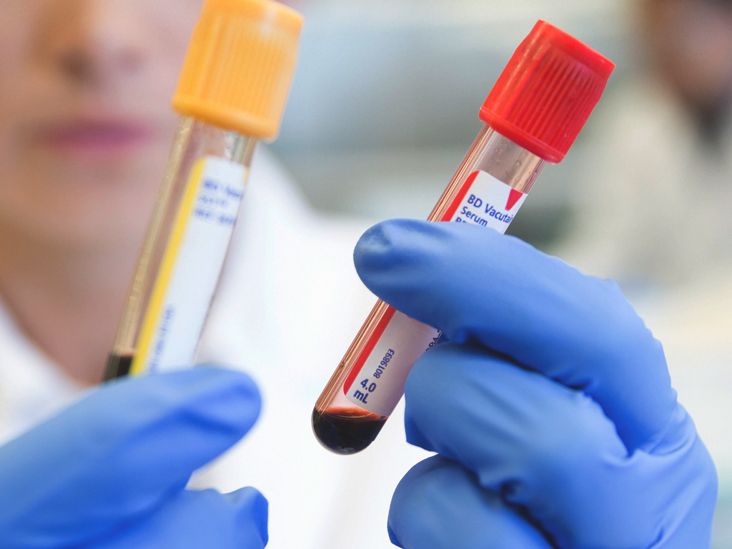
Each tube is designed for particular types of testing. Some contain substances that prevent clotting, while others allow the blood to clot so the laboratory can separate the serum. Tube colors help trained staff identify the additive and intended use.
Several tubes do not necessarily mean an enormous amount of blood is being removed. Routine testing typically requires only small samples, and multiple tests can sometimes be performed from the same tube. The exact amount depends on the ordered tests, the laboratory’s equipment, and the patient’s age.
8. The Needle Is Removed
After the required tubes have been filled, the tourniquet is released. The collector places gauze near the puncture site, removes the needle, and activates the needle’s safety feature. The used device is immediately discarded in an approved sharps container.
9. Pressure and a Bandage Are Applied
You will be asked to press firmly on the gauze. Direct pressure helps the tiny opening in the vein seal and reduces bruising. People taking anticoagulants, aspirin, or medications that affect platelets may need to hold pressure longer.
The tubes are labeled according to laboratory procedures and sent for processing. Proper identification, site cleaning, tube selection, sample handling, and single-use needle disposal are essential parts of safe blood collection.
How to Prepare for a Blood Draw
Confirm Whether You Need to Fast
Not every blood test requires fasting. When fasting is required, patients are often instructed to avoid food and beverages other than plain water for approximately eight to 12 hours. The correct fasting period depends on the test, so follow the instructions from your healthcare provider or laboratory rather than guessing.
Do not stop prescription medications, insulin, supplements, or over-the-counter products unless a healthcare professional has told you to do so. Medication changes can be dangerous, and some tests require a carefully planned schedule. If you accidentally eat or drink something, tell the collector. The test may still be useful, or it may need to be rescheduled.
Drink Water Unless Fluids Are Restricted
Plain water is usually permitted during a standard fasting period and may help you remain hydrated. Hydration can make veins easier to access because dehydration may reduce circulating fluid volume and make veins less prominent.
However, people with heart failure, kidney disease, fluid restrictions, or special procedure instructions should follow their clinician’s advice. “Drink plenty of water” is not permission to ignore a medically prescribed fluid limit.
Wear Practical Clothing
Choose a shirt with loose sleeves that can roll above the elbow without becoming a tourniquet of its own. Staying warm may also help keep peripheral veins from narrowing. A jacket is useful in a chilly waiting room, but ideally it should be easy to remove.
Share Information Before the Needle Appears
Tell the collector if one arm has worked better in the past, you have had lymph node surgery, you have a dialysis access, you bruise easily, or a clinician has instructed staff not to use a particular arm. Mention allergies to adhesives, antiseptics, or latex as well.
Preparation instructions vary by test. Fasting, medications, alcohol, smoking, supplements, and strenuous exercise may influence certain results, so specific directions from the ordering clinician take priority over general advice.
How to Relax During a Blood Draw
Needle anxiety is common and nothing to be embarrassed about. Trying to hide it can make the experience harder because the collector cannot adjust the procedure for a problem they do not know exists.
Say You Are Nervous
A simple statement such as, “I get anxious during blood draws, and I sometimes feel faint,” gives the staff useful information. They may let you lie down, use a quieter area, explain each step, avoid giving a play-by-play, or bring in a colleague experienced with difficult draws.
Look Away
You do not earn bonus points for watching. Turn your head toward the opposite side, close your eyes, read something on your phone, or focus on an object across the room. Looking away can prevent visual triggers for people who become distressed at the sight of needles or blood.
Use Slow, Steady Breathing
Breathe gently through your nose and exhale slowly. For example, inhale for four counts and exhale for six. The goal is comfortable breathing, not enormous breaths that make you lightheaded. Start before the needle is prepared and continue until it is removed.
Keep the Collection Arm Relaxed
Tensing the arm being used may increase discomfort or make it harder to keep the needle steady. Let the arm feel heavy against the support. You can gently press your feet into the floor or tense muscles elsewhere if staff recommends an applied-tension technique for fainting prevention, but keep the puncture arm still and relaxed.
Use Distraction
Conversation, music, counting backward, a short video, or mentally planning dinner can occupy the brain during the procedure. Some people prefer detailed explanations; others want no procedural commentary whatsoever. Tell the collector which approach helps you.
Discuss Severe Needle Phobia With a Clinician
Severe needle fear, known as trypanophobia, can cause people to postpone important testing. Behavioral therapy, gradual exposure techniques, coping practice, and, in selected cases, topical numbing products or prescribed medication may help. A numbing cream should be used only as directed and placed on the correct area with enough time to work.
Needle fear can produce real physical and emotional symptoms. Communication, controlled breathing, distraction, supportive positioning, and professional treatment for persistent phobia can make necessary medical care more manageable.
Why Do Some People Faint During Blood Draws?
Fainting during a blood draw is commonly associated with a vasovagal response. A trigger such as pain, anxiety, seeing blood, or having a needle inserted causes the nervous system to overreact. Heart rate and blood pressure may drop, temporarily reducing blood flow to the brain.
Warning signs can include sudden warmth, sweating, nausea, yawning, pale skin, ringing in the ears, blurred or tunnel vision, weakness, and dizziness. Tell the collector immediately if these symptoms begin. Do not attempt to “tough it out” while sitting upright.
The safest response is usually to stop the procedure if necessary and place you in a reclined or lying position. If you feel faint after leaving the chair, sit or lie down promptly and avoid standing again too quickly.
People with recurring vasovagal episodes may benefit from clinician-approved counter-pressure maneuvers, such as tightening muscles in the legs and abdomen. Because movement during needle insertion can be unsafe, discuss the technique with the collector before the procedure begins.
What to Expect After Blood Is Drawn
Most people can resume normal activities immediately. Keep firm pressure on the site until active bleeding has stopped, and follow the collector’s instructions about how long to leave the bandage in place.
A small bruise, mild tenderness, or tiny lump can occur when a little blood leaks into the surrounding tissue. These symptoms usually improve without treatment. A cold pack wrapped in cloth may help with early soreness or swelling. Avoid placing ice directly against the skin.
If you feel dizzy, remain seated or reclined, drink water when permitted, and eat something if you had been fasting and your healthcare team says it is safe. Stand slowly and do not drive until you feel fully alert and steady.
When to Contact a Healthcare Professional
Seek medical advice if the puncture site continues to bleed despite sustained firm pressure, swelling expands rapidly, pain becomes severe, or you develop numbness, weakness, increasing redness, warmth, drainage, or fever. Emergency evaluation may be needed when fainting occurs with chest pain, difficulty breathing, an irregular heartbeat, serious injury, confusion, or persistent neurologic symptoms.
Blood drawing has very little risk for most people. Temporary pain, bruising, dizziness, and a small hematoma are among the more common problems, while infection, nerve irritation, and significant bleeding are uncommon.
Common Blood-Draw Experiences: Five Realistic Scenarios
The following are composite examples based on common patient experiences. They are not descriptions of specific identifiable patients.
The First-Time Adult Who Expects the Worst
A first-time patient may enter the laboratory expecting a long, painful procedure. The anticipation is often more uncomfortable than the collection itself. After identity checks, the phlebotomist applies the tourniquet, cleans the skin, and asks the patient to look away. There is a brief pinch, followed by mild pressure. By the time the patient asks whether the first tube is nearly full, the needle is already out. The surprising lesson is that ordinary venipuncture frequently finishes before anxiety has time to complete its opening speech.
The Patient With Veins That “Like to Hide”
Another person has previously required several attempts. Before the appointment, they drink water as permitted, wear warm clothing, and tell the collector which arm has worked best. The phlebotomist examines both arms rather than immediately inserting the needle. A warm compress is used, and a vein on the forearm becomes easier to feel. The process takes a little longer, but communication and patience prevent the appointment from turning into a competitive search-and-rescue operation.
The Person Who Faints at the Sight of Blood
This patient does not necessarily fear pain. Instead, needles and blood trigger nausea, sweating, and tunnel vision. In the past, they stayed silent until they nearly fell from the chair. This time, they inform the staff immediately and lie down before the procedure. They look away, keep breathing slowly, and remain reclined for several minutes afterward. The blood draw is completed safely, and there is no dramatic meeting with the floor.
The Patient Completing a Fasting Test
A patient scheduled for morning blood work confirms that fasting is required and asks how to handle regular medication. They drink plain water according to instructions and bring a snack for afterward. Once the sample is collected, they remain seated briefly, then eat. The experience shows why preparation matters: fasting requirements should be confirmed rather than copied from a friend, an old appointment, or an enthusiastic internet comment written by someone whose medical qualifications are mysterious.
The Highly Anxious Patient Who Needs More Support
For some people, looking away and taking a few breaths is not enough. A patient with severe needle phobia begins discussing the problem with a healthcare professional before laboratory day. Together, they arrange a quieter appointment time, practice a coping routine, and discuss whether a topical anesthetic is appropriate. The patient brings headphones and asks the collector not to describe the needle. Progress may be gradual, but completing the test is a meaningful success. Anxiety management is not about pretending fear does not exist; it is about creating a safe plan that allows necessary care to happen.
These experiences highlight a consistent theme: the best blood draw is not always the fastest one. It is the one performed safely, with clear communication and a plan that fits the individual patient.
Conclusion
Knowing how blood is drawn can remove much of the uncertainty surrounding the appointment. A routine venipuncture involves confirming your identity, locating and cleaning a suitable vein, inserting a sterile needle, filling the required tubes, removing the needle, and applying pressure.
You can improve the experience by following preparation instructions, drinking water when allowed, wearing accessible clothing, discussing medications and fasting requirements, and telling the collector about anxiety, fainting, allergies, or difficult veins. During the draw, look away, breathe slowly, keep the collection arm relaxed, and speak up at the first sign of dizziness.











