
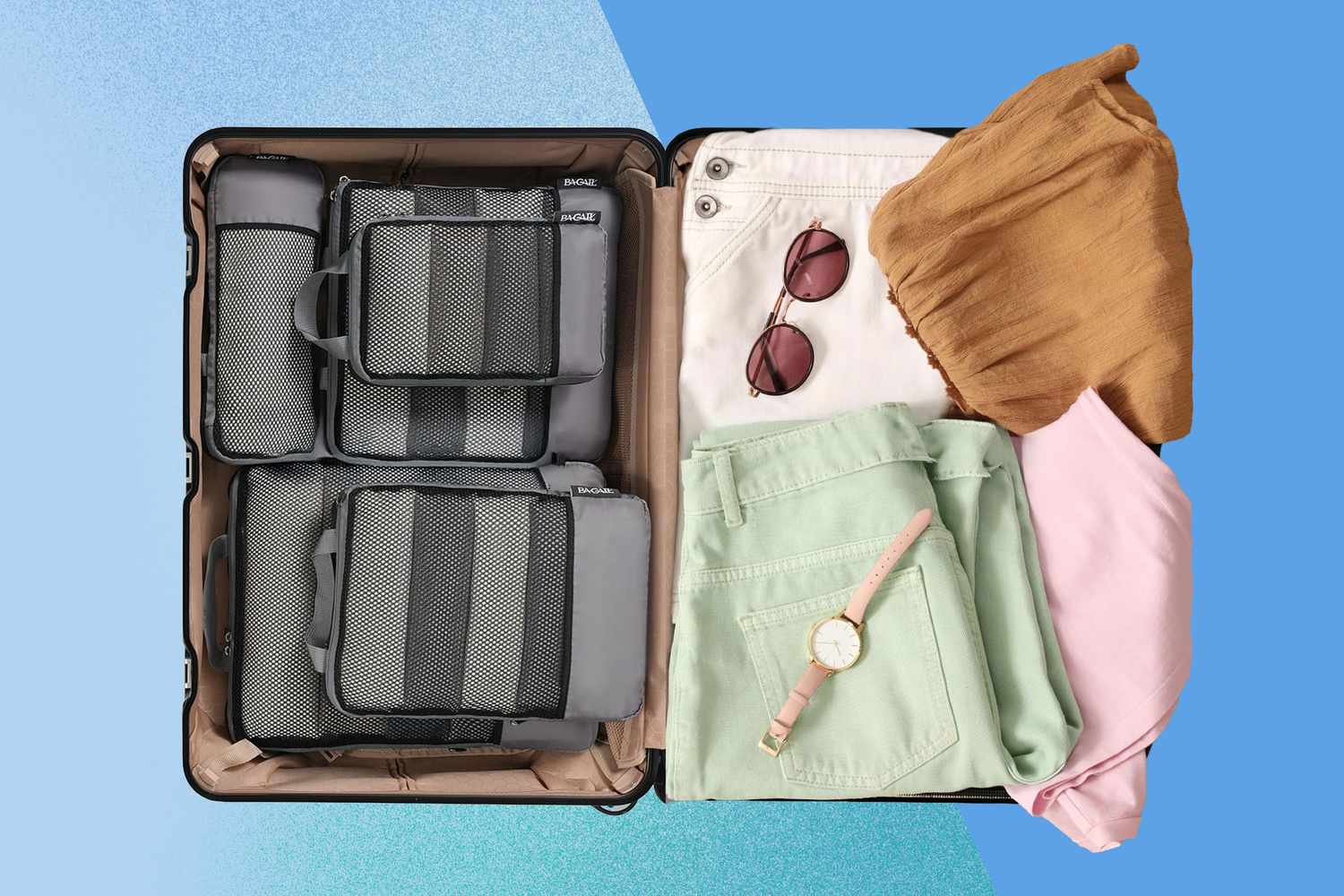
If you have ever sat on a carry-on suitcase like it owed you money, congratulations: you are the target audience for compression packing cubes. These zippered travel organizers have gone from niche frequent-flyer gear to full-blown packing gospel, especially for travelers trying to avoid checked bag fees, baggage claim roulette, and the emotional damage of arriving in Rome with no clean socks.
The big promise is tempting: packing cubes that can “double” space in carry-on bags. That sounds a little like an infomercial hosted by a magician, but there is some truth hiding inside the hype. The best compression packing cubes can make a carry-on feel dramatically roomier by reducing bulk, organizing clothing into tighter bundles, and helping you use every awkward inch of your bag more efficiently. No, they do not create extra pounds of legal airline allowance or bend the laws of physics. But for soft clothing like T-shirts, leggings, sweaters, pajamas, and layers, they can absolutely make your suitcase behave as if it went on a decluttering retreat.
So are these cubes worth the zipper-induced hand workout? In most cases, yes. Here is what they actually do, how they work, what kinds of travelers benefit most, and which styles are most likely to turn your carry-on from overstuffed chaos into a smug little miracle.
Do Packing Cubes Really “Double” Space?
Let’s start with the headline claim. Packing cubes do not literally turn a 22 x 14 x 9-inch carry-on into a clown car. What they do is reduce wasted air and visual chaos. That matters because most people do not pack poorly due to lack of effort. They pack poorly because clothes spread out, shoes flop around, underwear migrates, and sweaters take up more room than their innocent folded appearance suggests.
Compression packing cubes solve that by adding a second zipper. First, you load the cube with your clothes. Then you zip the compression layer, which cinches the contents flatter. The result is less puff, less dead space, and a much neater block of clothing that is easier to stack inside a carry-on.
For some travelers, the difference feels huge. A carry-on that once held outfits for three days may suddenly hold enough for five or six, especially if the wardrobe is built around lightweight layers. That is why people describe the effect as “doubling” space. It is not always a literal two-times increase, but it can feel that dramatic when your previous packing method was basically “fold, pray, zip, regret.”
Regular Packing Cubes vs. Compression Packing Cubes
Regular packing cubes are mostly about organization. They keep categories separated, make unpacking easier, and stop your suitcase from turning into a textile avalanche. Compression packing cubes do all of that, but with the bonus of flattening soft items.
If your main goal is staying organized on weekend trips, regular cubes may be enough. If your main goal is fitting more into a carry-on, compression cubes are usually the smarter choice. They are especially useful for bulkier but compressible clothing, such as sweatshirts, knitwear, activewear, pajamas, and cold-weather layers.
There is one catch: compression cubes save volume, not weight. If your bag is already pushing airline weight limits or you are packing heavy shoes, toiletries, electronics, and denim, cubes will not magically make those items lighter. They help your bag fit better, not weigh less.
Why Packing Cubes Work So Well in Carry-On Bags
Carry-ons are small by design. Many U.S. airlines still use a standard size around 22 x 14 x 9 inches, including wheels and handles. That means every inch matters. A puffy sweater that balloons outward or a pair of loosely folded pants can waste space fast. Compression cubes turn soft clothing into flatter, stackable units, which helps you use the full shape of the bag instead of leaving weird gaps around loose items.
They are also ideal for one-bag travel. If you want to skip checked luggage, packing cubes create a simple system: tops in one cube, bottoms in another, underwear in a smaller cube, laundry in a spare pouch, and toiletries separated so you are not digging through socks to find toothpaste like some kind of travel raccoon.
That system does more than save sanity. It saves space because organized items pack tighter. A jumbled pile of clothes expands. A compact cube behaves.
Who Gets the Biggest Benefit?
Compression packing cubes are especially helpful for:
- Carry-on-only travelers who need every square inch of luggage space
- Overpackers who want structure without hiring a life coach
- Multi-stop travelers who unpack and repack often
- Families sharing one suitcase and trying to keep everyone’s items separate
- Business travelers who want categories organized and easy to access
- Cold-weather packers dealing with bulky but compressible layers
They are slightly less useful if you mostly travel with stiff garments, thick jeans, heavy shoes, or gear that does not compress well. In those cases, cubes still help with organization, but the space-saving effect will be more modest.
The Types of Packing Cubes Worth Considering
1. Classic Mesh Packing Cubes
These are lightweight, simple, and usually cheaper. They are great for keeping a bag organized and spotting what is inside without opening every cube. If your suitcase usually looks like a laundry basket after turbulence, classic cubes are already a major upgrade.
2. Compression Packing Cubes
These are the stars of the “double the space” conversation. They usually have a second zipper and stronger structure, making them the best pick for maximizing room in a carry-on bag. This is the type most space-conscious travelers should buy.
3. Expandable or Hybrid Cubes
Some sets offer a little more flexibility, letting you expand when packing and compress later. These are handy for longer trips or for bringing home souvenirs, because apparently none of us can enter a charming gift shop “just to look.”
4. Specialty Cubes
Shoe bags, slim cubes for underwear or cords, water-resistant pouches for swimsuits, and laundry bags can all help round out a system. These are not essential, but they make a carry-on feel more intentionally packed and less like you lost a bet.
Popular Packing Cubes Travelers Keep Recommending
Across recent U.S. travel and consumer reviews, a few names show up repeatedly. That does not mean there is one perfect set for everyone, but it does suggest a clear pattern in what works.
- Béis Compressible Packing Cubes are often praised for flattening bulkier clothes and offering a good range of sizes.
- Monos Compressible Packing Cubes appeal to travelers who want a more polished, premium set.
- Thule Compression Packing Cubes are popular for durability and carry-on-friendly sizing.
- Calpak Packing Cubes are commonly recommended for lightweight organization and fun color options.
- Amazon Basics Packing Cubes remain a favorite budget choice for travelers who want order without spending much.
- Gonex, Bagsmart, and Bagail compression cubes are often highlighted as affordable ways to get the compression effect without luxury pricing.
- Eagle Creek and Peak Design continue to appeal to travelers who value reliability, thoughtful details, and frequent use.
The best option depends on your trip style. For a short urban trip, lightweight cubes may be enough. For carry-on-only travel in cooler weather, compression cubes are usually the better bet.
How to Use Packing Cubes So They Actually Save Space
Buying good packing cubes helps. Using them strategically helps more.
Roll Soft Items
Rolling shirts, leggings, underwear, and pajamas often lets you fit more into a cube with less wrinkling. It also makes each item easier to identify when you open the cube later.
Fold Structured Items
Blazers, button-downs, trousers, and stiffer garments may do better folded rather than rolled. The goal is not ideological purity. The goal is to get dressed without ironing your vacation.
Do Not Overstuff Before Compressing
This is a classic mistake. If you jam a cube to the breaking point, the compression zipper becomes either useless or aggressive. Fill the cube firmly, but leave enough room for the second zipper to do its job.
Pack by Category or Outfit
Some travelers prefer tops in one cube and bottoms in another. Others build cubes by day or outfit. Both methods work. Choose the system that makes sense for your trip, then stick with it.
Use a Dirty Laundry Cube
This is one of the most underrated packing cube tricks. A spare cube for dirty clothes keeps clean items fresh and makes repacking for the trip home much less disgusting.
Limit Shoes and Toiletries
Compression cubes help with clothes, but shoes and liquids are often the real villains. If you want more room in a carry-on, wear your bulkiest shoes on the plane and keep toiletries truly travel-size. TSA’s liquids rule still applies, so your moisturizer cannot have main-character energy in a carry-on.
Common Mistakes That Cancel Out the Benefits
Even excellent packing cubes cannot save a packing strategy built on denial. Here are the most common errors:
- Packing too many “just in case” outfits instead of versatile pieces
- Using too many cubes, which can add unnecessary structure and eat up room
- Trying to compress hard items like shoes, belts, and toiletry bottles
- Ignoring your personal item, which can carry electronics, documents, and inflight essentials
- Expecting cubes to fix bad luggage if the carry-on itself is heavy, awkward, or poorly designed
The best results usually come from pairing compression cubes with a simple travel wardrobe: neutral colors, re-wearable layers, lightweight fabrics, and fewer shoes. Glamorous? Maybe not. Effective? Extremely.
Are Packing Cubes Worth It for Carry-On Travel?
For most travelers, yes. Packing cubes are one of the rare travel accessories that solve both a practical problem and a psychological one. Practically, they help you fit more into a carry-on and keep it organized. Psychologically, they make you feel like a competent adult at 5:40 a.m. in an airport. That is priceless.
If you are only taking one or two short trips a year, a basic set may be all you need. If you travel often, hate checking bags, or regularly find yourself bargaining with a suitcase zipper like it can hear reason, compression cubes are well worth the upgrade.
The right set will not literally double your luggage capacity every time. But it can make a carry-on hold more, look tidier, unpack faster, and travel smarter. In real-world terms, that is close enough to magic for most of us.
What the Experience Is Actually Like
The first time someone uses compression packing cubes for a carry-on trip, the reaction is usually a mix of skepticism and mild offense. Skepticism because the cubes look too simple to be life-changing. Mild offense because you suddenly realize your old packing method was basically “throw clothes into a bag and hope geometry feels generous today.”
At home, the experience starts quietly. Instead of building one chaotic mountain of clothing, you sort things into smaller decisions. Sleepwear goes in one cube. Everyday tops in another. Underwear and socks get their own little zippered apartment. Then comes the satisfying part: compression. You zip the second layer, the cube flattens, and your brain immediately starts doing suitcase math like a Vegas card counter. Wait. If this cube is that flat, maybe the extra sweater can come. Maybe the sandals fit. Maybe there is room for the souvenir space you keep promising to leave open and never do.
At the airport, the benefit becomes less theoretical. Your carry-on is easier to manage because it is not lumpy and rebellious. You are not wrestling with a suitcase that bulges in one corner and caves in on the other. Security is less annoying too, especially if you kept liquids separate and used your personal item wisely. You still have to obey carry-on and TSA rules, of course, but a bag packed with cubes tends to behave better when opened and closed in stressful places.
Then there is the hotel-room effect, which might be the most underrated advantage of all. Instead of exploding your entire wardrobe across every available surface like a touring rock band, you unzip one cube and pull exactly what you need. The rest stays contained. The room feels calmer. Your things feel easier to track. And if you are sharing space with a partner, kids, or a friend who packs like they are preparing for both a beach vacation and a possible blizzard, organization suddenly becomes a peace treaty.
The trip home is where cubes often become permanent travel gear. Returning with dirty laundry usually turns a previously neat suitcase into a tragic mess. But with an extra cube or laundry pouch, the system survives. Clean clothes stay clean. Worn items stay separated. You can repack in ten minutes instead of sitting on the hotel carpet asking yourself why you brought four shirts you never wore.
That is why travelers get a little dramatic about packing cubes. The cubes themselves are not glamorous. No one posts an emotional reunion video with a medium-size compression organizer. But the experience they create is genuinely better: less digging, less re-folding, less mess, less wasted space, and far less pre-flight nonsense. If a travel accessory can make you feel calmer, more organized, and slightly smarter than your former self, it has earned its place in the carry-on.













