
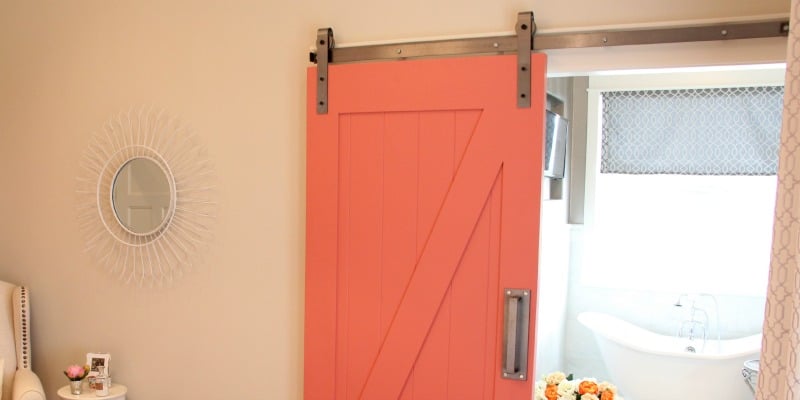
A DIY barn door is one of those home projell-scale renovation, three contractors, and a small emotional breakdown in the flooring aisle. With the right rolling door hardware, a plain opening can become a focal point, a closet can look intentional, and a laundry room can finally stop looking like it is hiding a witness-protection program.
Sliding barn doors are especially useful where a swinging door would eat up valuable floor space. But they are not magical wall-hugging unicorns: they need clear wall space beside the opening, strong mounting support, and enough room for the door to slide completely open. They also do not seal as tightly as traditional hinged doors, so they are usually better for closets, pantries, laundry rooms, offices, and room dividers than for privacy-sensitive bathrooms. Source basis: h2>Before You Build: The Barn Door Reality Check
Before falling in love with a reclaimed-wood masterpiece on Pinterest, take a few measurements. The door should extend beyond the opening on both sides so it covers the doorway when closed. A common practical approach is to add several inches of overlap, depending on trim thickness and privacy needs. The track generally needs to be long enough for the door to travel fully away from the opening.
Also inspect the wall. Barn doors are heavy, and rolling door hardware transfers that weight to the mounting surface. A solid header board or ledger board secured into wall studs or blocking is usually the safest approach. Do not trust drywall anchors with a full-size wood door unless you enjoy the possibility of your new décor becoming a dramatic floor sculpture.
Key Hardware Pieces You Will Need
- Sliding door track or rail
- Roller hangers or wheel straps
- Track stops
- Anti-jump blocks
- Floor guide
- Lag bolts, spacers, and mounting board
- Pull handle and recessed edge pull
- Optional soft-close mechanism
A floor guide is not optional decoration. It keeps the bottom of the door from swinging away from the wall while the rollers move along the rail. Anti-jump blocks and end stops are equally important because they help prevent the door from lifting off or rolling too far. Source basis: h2>35 DIY Barn Door and Rolling Hardware Ideas
Rustic and Farmhouse-Inspired Barn Door Ideas
- Classic X-Brace Barn Door: Build a simple plank door and add diagonal boards in an X pattern. It is the barn-door equivalent of blue jeans: familiar, dependable, and difficult to completely mess up.
- Double Z-Brace Door: Use horizontal rails with angled braces to create a strong farmhouse look. This design works beautifully for pantry doors and mudroom storage.
- Shiplap Sliding Door: Install horizontal shiplap boards over a plywood core for a clean, cottage-style door with more structure than random pallet wood.
- Chevron Reclaimed-Wood Door: Arrange weathered boards in a chevron pattern for texture and movement. Use mixed wood tones so the design feels collected rather than copied.
- Whitewashed Pine Door: A light stain or whitewash keeps the wood grain visible while preventing a small room from feeling like a dark frontier saloon.
- Weathered Gray Barn Door: Combine gray stain, black hardware, and simple vertical planks for a modern farmhouse style that works with neutral interiors.
- Reclaimed Fence Board Door: Old fence boards can create genuine character, but inspect for nails, warping, rot, and mystery substances before bringing them indoors.
- Rustic Pantry Door With Chalkboard Panel: Add a framed chalkboard panel in the center for grocery lists, menus, or passive-aggressive reminders about replacing the coffee filters.
- Two-Tone Wood Door: Use darker braces over lighter vertical planks. The contrast adds depth without needing expensive hardwood.
- Rustic Door With Iron Corner Brackets: Decorative metal corner plates can give a plain wood door a workshop-inspired look while reinforcing the visual theme of the rolling hardware.
Modern Barn Door Ideas for Cleaner Interiors
- Minimalist Flat-Panel Door: Use a smooth plywood or MDF panel with slim black rolling hardware. This option fits modern apartments, offices, and Scandinavian-inspired spaces.
- Black Painted Barn Door: A matte black door creates a bold graphic statement, especially against white walls. Pair it with black steel hardware for a cohesive look.
- Natural White Oak Sliding Door: A white oak veneer or solid oak door adds warmth while keeping the profile sleek and contemporary.
- Vertical Slat Barn Door: Narrow vertical battens add rhythm and texture. This style feels upscale without requiring elaborate woodworking skills.
- Wide-Plank Modern Door: Use only three or four oversized boards instead of many narrow planks. Fewer seams create a calmer, more architectural appearance.
- Fluted Panel Barn Door: Add fluted wood strips or reeded panels to a flat door slab for a subtle luxury finish.
- Painted Color-Block Door: Divide the door into two or three painted sections using muted clay, navy, olive, or warm beige tones.
- Hidden-Track “Magic” Barn Door: Choose concealed hardware for a floating effect. This option works well when you love sliding-door function but do not want the classic exposed rail.
Glass, Metal, and Industrial Sliding Door Ideas
- Steel-Framed Glass Barn Door: A black metal frame with clear glass panels separates rooms while preserving daylight and visual openness.
- Frosted Glass Office Door: Frosted panels are excellent for home offices because they let in light while hiding paperwork, clutter, and occasionally your questionable posture.
- Wire-Mesh Pantry Door: Add metal mesh to upper panels for an industrial pantry door that provides airflow and visual texture.
- Corrugated Metal Accent Door: Use corrugated metal as an inset panel surrounded by wood. It works well in garages, workshops, and rustic laundry rooms.
- Black Steel Pipe Hardware: For a budget industrial style, use pipe-inspired pulls and matte-black hardware with a simple stained wood slab.
- Riveted Metal Panel Door: Add decorative rivets around metal inserts to create a factory-loft feeling without actually moving into an old warehouse.
- Bronze Hardware With Walnut Wood: Warm bronze rollers paired with dark walnut create a refined alternative to the usual black-and-white barn door formula.
- Brushed Nickel Hardware With Gray Door: This pairing feels softer and more transitional, especially in homes with stainless-steel appliances and cool-toned fixtures.
Creative Barn Door Ideas for Small Spaces and Storage
- Mini Barn Doors for Cabinets: Install small sliding doors over open shelving, entertainment centers, or kitchen cabinets to hide clutter with style.
- TV Cabinet Barn Door: Build a shallow wall cabinet around a television and add sliding doors that close when screen time is over.
- Laundry Closet Double Barn Doors: Use matching doors to conceal stacked machines. Choose moisture-resistant paint or a sealed wood finish.
- Under-Stair Storage Door: A custom sliding door can turn awkward under-stair space into practical storage for shoes, pet supplies, or holiday decorations.
- Bookcase Barn Door: Mount a rolling door in front of open shelving to create a secret-library feel and hide visual clutter in seconds.
- Sliding Door Room Divider: Use an oversized barn door to separate a home office from a living area. It offers flexibility without building a permanent wall.
- Pet Feeding Station Door: Create a mini rolling door for a recessed pet-food cabinet. It keeps bowls and supplies out of sight when guests visit.
- Craft Room Supply Door: A colorful sliding door can cover shelves full of paint, fabric, tools, and enough glitter to permanently alter your home’s ecosystem.
- Sliding Barn Door for a Coffee Bar: Hide a countertop coffee station behind a custom door. Open it in the morning, close it when the mugs multiply.
Rolling Door Hardware Ideas That Make the Project Better
The hardware can change the entire personality of your barn door. Matte black flat-track hardware creates a traditional industrial look, while stainless steel feels cleaner and more modern. Bronze or brass finishes can make a wood door feel warmer and more tailored. If your home has chrome fixtures, brushed nickel hardware may be the easiest match.
For a quiet, polished feel, consider soft-close rolling door hardware. It slows the door before it reaches the stop, which is helpful in homes with children, enthusiastic teenagers, or adults who somehow close every door like they are making a courtroom exit.
Bypass hardware is another smart option when two doors need to slide past each other. It works well for wide closets, laundry rooms, and media walls. Double-track systems can create layers, while a single track is often enough for one door that slides beside an opening.
Always select a rail and roller system rated for the actual weight of your door. A lightweight hollow-core slab may need very different hardware than a solid oak or reclaimed-wood door. Hardware manufacturers commonly specify supported door thickness, weight limits, and installation requirements, so treat those instructions as part of the project rather than optional bedtime reading. Source basis: h2>How to Make a DIY Barn Door Look Custom, Not Temporary
The difference between “custom architectural detail” and “weekend project that escaped the garage” is usually in the finishing touches. Sand edges carefully, fill nail holes, stain or paint all sides, and use a finish that suits the room. A good pull handle matters more than many people expect because it is the part everyone touches.
Match the hardware finish to something already in the room, such as light fixtures, cabinet pulls, faucets, or picture frames. You do not need every metal to match exactly, but you do want the door to look intentional. A black rail paired with random shiny chrome pulls can work, but only if the rest of the room has a deliberate mixed-metal strategy.
Also consider trim. A barn door can look more complete when the opening has clean casing, a painted frame, or a contrasting wall color behind the parked door. Remember that the wall behind the open door will be visible often, so do not place artwork, switches, or shelving where the door needs to travel.
Practical Experiences and Lessons From DIY Barn Door Projects
DIY barn door projects tend to teach the same lesson again and again: the woodwork gets all the compliments, but the measuring gets all the responsibility. People often start with the fun partchoosing stain colors, hardware finishes, and dramatic diagonal bracesthen discover that the door needs somewhere to go when it opens. A beautiful door that stops halfway across the opening is not a barn door. It is a very expensive wall decoration with wheels.
The most successful projects usually begin with painter’s tape. Before buying a door slab or cutting lumber, tape the future door outline onto the wall. Mark both the closed position and the fully open position. This simple step reveals problems fast: light switches in the travel path, artwork that will get covered, outlets that may be blocked, or a wall that is simply too short for the design.
Another common experience is underestimating door weight. A simple pine door may feel manageable until trim, battens, stain, handles, and hardware are added. Reclaimed lumber looks fantastic, but it can be surprisingly heavy and occasionally warped. Builders who use solid wood often learn that a helper is not a luxury; a helper is a safety feature with arms.
Many DIYers also discover that barn doors are more forgiving visually than traditional hinged doors, but less forgiving mechanically. A tiny gap around a hinged door may go unnoticed. A barn door that is not level, however, can slowly roll on its own, scrape the floor guide, or stop in a place that makes it look mildly haunted. Taking extra time to level the track, center the rollers, and install the guide correctly makes a huge difference in daily use.
Noise and privacy are another reality check. A sliding barn door can create useful separation, but it does not press tightly against a door jamb like a traditional hinged door. For a pantry, laundry room, closet, or office nook, that is usually fine. For a bathroom near a busy living room, it may lead to more family information than anyone requested. Choosing the right location is often more important than choosing the prettiest hardware.
Finish selection also becomes clearer after real-world use. Dark-stained doors can look dramatic, but fingerprints, dust, and pet hair may show more than expected. Flat black hardware is popular because it hides wear fairly well, while shiny finishes can reveal scratches. Light-colored paint can brighten a small hallway, but it may need occasional touch-ups in high-traffic areas.
The best projects often balance personality with restraint. Instead of adding every possible farmhouse elementreclaimed wood, chicken wire, giant iron straps, distressed paint, faux rust, and a sign that says “Gather”pick one or two strong ideas. A simple white oak door with black hardware can look expensive. A painted plywood door with slim vertical battens can look clean and modern. A modest door that slides smoothly every day will usually feel more successful than an elaborate one that demands a lecture before guests touch it.
In the end, a DIY barn door is not just a door. It is part storage solution, part design feature, part weekend exercise program, and part ongoing reminder that measuring twice is cheaper than buying lumber twice. Build it carefully, choose hardware that can handle the job, and give the door enough wall space to do what it was born to do: roll dramatically out of the way.
Final Thoughts
DIY barn doors can bring warmth, style, and smarter space planning to nearly any room. Whether you build a reclaimed-wood pantry door, a modern black office slider, a frosted-glass divider, or mini cabinet doors, the key is pairing the right door design with dependable rolling hardware. Focus on wall support, track alignment, floor guides, and realistic privacy expectations, then let the design do the talking.
Note: This guide is intended for interior DIY projects. Confirm your door weight, wall structure, hardware rating, and local building requirements before installation. When in doubt, get professional help for structural mounting, electrical obstacles, or unusually heavy doors.












