
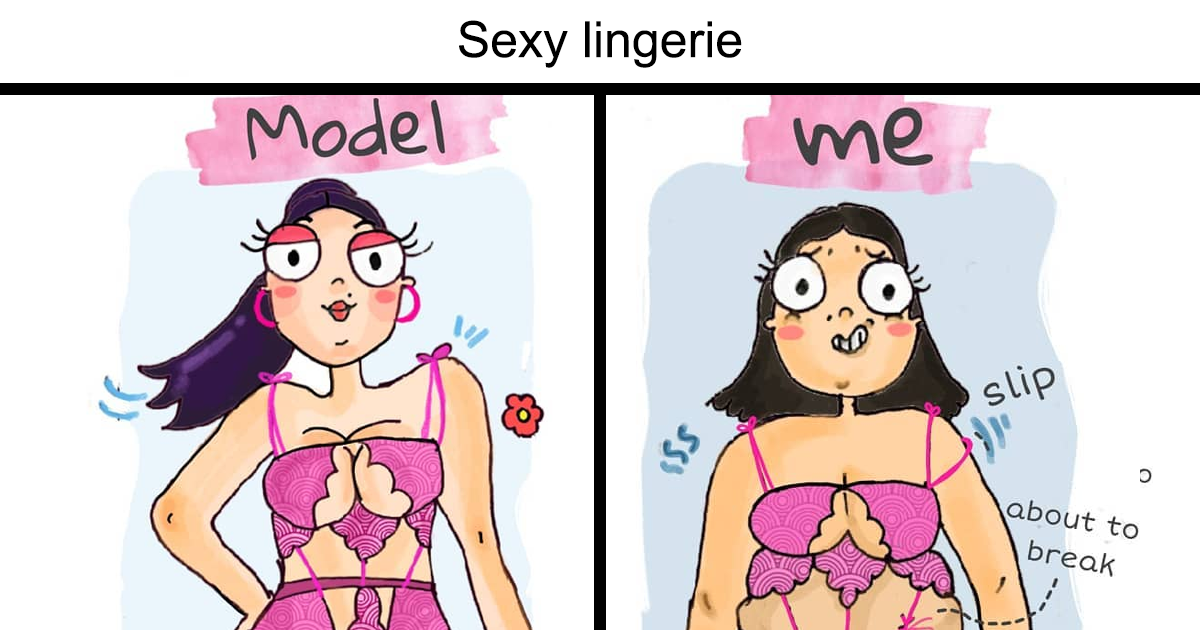
Some comics make you laugh because the joke is clever. Others make you laugh because the joke is suspiciously personal, as if the artist somehow installed a tiny camera inside your daily routine and said, “Ah yes, today we shall draw the emotional drama of choosing an outfit, surviving unsolicited opinions, and pretending not to panic when life gets weird.” That is the charm of Yellow Pencil Comics, a relatable comic series centered on everyday moments, awkward truths, and the tiny storms many girls deal with on a regular basis.
The collection known as “26 New Honest Comics That Illustrate What Girls Have To Deal With Every Day By This Artist” highlights the kind of humor that does not need fireworks. It works because it is familiar. The artist, Ashita Adhikari, turns ordinary girl problems into short, expressive scenes that feel both lighthearted and deeply recognizable. These are not grand superhero battles, unless you count trying to function during a bad hair day while society keeps handing you side quests. Honestly, that may be harder than fighting a dragon.
At first glance, these honest comics look playful, cute, and easy to digest. But under the colorful style and quick punchlines, they explore something larger: the everyday pressure placed on girls and women to look polished, stay calm, be nice, be careful, be confident but not too confident, be independent but not “intimidating,” and somehow know where every missing household object is. The result is a series of relatable comics about girls’ everyday lives that feels funny because it is trueand sometimes a little too true.
Why Honest Comics About Girls Feel So Relatable
Relatable comics work best when they say the quiet part out loud. A girl may spend ten minutes convincing herself she does not care what people think, then immediately overanalyze one tiny comment from someone she barely knows. A woman may leave home feeling confident, only to have a random stranger provide a full, unpaid review of her outfit, face, body, smile, or life choices. Thank you, sir, but Yelp is closed.
Yellow Pencil Comics taps into these small but emotionally loaded situations. The humor is not built on mocking girls; it is built on validating them. The comics say, “Yes, this happens. Yes, it is ridiculous. No, you are not the only one who has had a complete personality crisis because your eyeliner betrayed you five minutes before leaving the house.”
The Power of Seeing Everyday Struggles Drawn Simply
One reason the series connects with readers is its simplicity. The drawings are clean, expressive, and direct. The characters do not need long speeches to communicate exhaustion, embarrassment, confidence, irritation, or joy. A raised eyebrow, a slumped shoulder, or a tiny dramatic reaction can carry the entire joke.
This visual economy is perfect for webcomics. People scrolling online often decide in two seconds whether something is worth their attention. Honest comics about girl problems succeed because they deliver meaning quickly. They combine humor, visual storytelling, and emotional recognition in a format that feels made for the modern internet attention span: short enough to enjoy during a coffee break, sharp enough to remember later.
Everyday Girl Problems Are Not Always “Small”
The phrase “girl problems” can sound cute, but many of the experiences behind it are not always small. They may include social pressure, beauty standards, street harassment, online judgment, workplace double standards, emotional labor, body image worries, and the constant mental checklist women often carry without anyone noticing. Comics can make these topics approachable without making them meaningless.
For example, a comic about deciding what to wear may look simple. But behind that tiny closet crisis are questions many girls know too well: Is this too much? Is this too plain? Will people stare? Will someone comment? Can I walk comfortably? Will I be taken seriously? Does this outfit say “professional,” “fun,” “available,” “unavailable,” “trying,” or “I gave up but in a stylish way”? Clothing should not require a legal department, yet somehow it often feels like it does.
Humor Makes Heavy Topics Easier to Discuss
Comedy has a special superpower: it lowers people’s defenses. A direct lecture about sexism may make some readers tense up. A comic showing the absurdity of being told to “smile more” can make the same point with a tiny punchline and a very tired cartoon face. Suddenly, the message lands. The reader laughs first, then thinks, “Wait, why is this so accurate?”
This is why honest comics by female artists matter. They do not simply entertain; they translate lived experience into visual language. They show how big social issues appear in ordinary moments: in the workplace, on the sidewalk, in group chats, in families, in relationships, and even in the mirror before a long day begins.
The Themes Behind Yellow Pencil Comics
While each comic may focus on a different situation, several recurring themes make the collection especially engaging for readers searching for funny comics about girls, honest webcomics, and relatable female comics.
1. The Pressure to Look Effortless
Girls are often expected to look good, but not like they tried too hard. This is one of society’s funniest little traps, and by “funniest,” we mean “please send snacks and emotional support.” Makeup should look natural. Hair should look casual but perfect. Outfits should be stylish but not attention-seeking. Skin should glow, but nobody wants to hear about the five-step routine, three products, and one silent prayer involved.
Comics that poke fun at beauty expectations resonate because they expose the impossible math behind them. The joke is not that girls care about appearance. The joke is that society tells them appearance should not matter while constantly grading them on it.
2. The Emotional Roller Coaster of Daily Life
A good relatable comic understands that a normal day can contain twenty emotional seasons. Morning confidence. Afternoon confusion. Evening overthinking. Midnight motivation to completely reorganize life, followed immediately by deciding to sleep instead. Girls are not “dramatic” for having emotions; they are human beings living inside a world that keeps pressing buttons like a toddler in an elevator.
Yellow Pencil Comics often captures this fast emotional movement. A character can go from cheerful to suspicious to overwhelmed in a few panels, and readers instantly understand. The humor lies in exaggeration, but the feeling is real.
3. Personal Space, Safety, and Public Judgment
Many girls grow up learning little safety habits so early that they become automatic. Holding keys between fingers. Sharing ride details. Avoiding certain streets. Pretending to talk on the phone. Laughing politely at comments that do not feel funny. These habits can be difficult to explain to someone who has never had to do them.
Comics can show these realities without turning every panel into a public service announcement. A small scene about walking alone at night, ignoring unwanted attention, or calculating whether to respond to a stranger can say a lot. The humor may be soft, but the message is clear: girls often carry invisible alert systems everywhere they go.
4. The Mental Load Nobody Applauds
The mental load is the invisible work of remembering, planning, noticing, and managing. It is knowing when the laundry needs doing, what groceries are missing, who has an appointment, which friend needs checking on, and why there are somehow three bottles of shampoo but no conditioner. In many families, friendships, and workplaces, women are quietly expected to keep track of things.
Honest comics about everyday female life often turn this invisible labor into something visible. That is important because what is visible can be discussed. And what can be discussed has a better chance of being shared fairlyor at least joked about while everyone finally learns where the extra toilet paper is stored.
Why This Artist’s Comics Stand Out Online
The internet is full of comics, memes, reels, reaction images, and people arguing with strangers about whether pineapple belongs on pizza. Standing out is not easy. Yet comics like these gain attention because they offer a mix of honesty, charm, and emotional accessibility.
Ashita Adhikari’s style under the Yellow Pencil Comics name does not depend on complicated worldbuilding. The world is our world: messy rooms, changing moods, beauty expectations, awkward social interactions, tiny victories, and random disasters. The characters feel like people you knowor like you, especially on the day your confidence and your hair both decide to resign.
Short Comics Fit Modern Reading Habits
Webcomics thrive because they are easy to consume and easy to share. A reader can see one panel, relate instantly, and send it to a friend with the sacred message: “This is us.” That kind of shareability is SEO gold and social media magic. It increases engagement because people do not only read the comic; they use it to communicate.
In this sense, relatable girl comics function almost like emotional postcards. They let readers say, “I feel seen,” “I have lived this,” or “Please stop drawing my private thoughts so accurately, it is becoming suspicious.”
The Bigger Cultural Value of Relatable Female Comics
Beyond entertainment, these comics contribute to a larger cultural conversation about representation. For a long time, women’s everyday experiences were either ignored, exaggerated, or flattened into stereotypes. Female characters in mainstream media were often written as love interests, fashion problems, emotional support machines, or mysterious beings who apparently sleep in mascara and wake up camera-ready.
Independent webcomics helped change that. Female artists could publish directly to audiences, bypassing traditional gatekeepers and telling stories that felt more personal. The result was a wave of comics about periods, anxiety, dating, friendship, ambition, body image, burnout, introversion, messy bedrooms, food cravings, and all the unglamorous details that make life feel real.
Representation Does Not Have to Be Perfect to Matter
Not every comic has to represent every woman. No single artist can capture every culture, identity, age, body type, or life experience. But each honest perspective adds something useful. A comic about one girl’s daily life may remind another reader of her own routine. A joke about insecurity may help someone feel less alone. A panel about social pressure may start a conversation that would otherwise stay buried under “I’m fine.”
That is the beauty of personal comics: they are specific enough to feel authentic and universal enough to travel. The more honest the details, the more likely readers are to recognize themselves in them.
What Readers Can Learn From These 26 Honest Comics
The main lesson is not that every girl has the same problems. The lesson is that many girls are navigating layers of expectation that outsiders may not notice. Humor helps reveal those layers. It also gives readers a way to talk about frustration without turning every conversation into a courtroom drama.
These comics remind readers to take everyday experiences seriously, even when they look small from the outside. Being interrupted repeatedly, judged for appearance, expected to manage emotions, or told how to behave can add up. A single comment may not ruin a day, but hundreds of tiny comments over time can become background noise that shapes confidence, choices, and comfort.
For Girls and Women
The comics offer recognition. They say, “You are not weird for noticing this.” They also invite self-compassion. If you have ever felt exhausted by beauty standards, safety planning, emotional expectations, or the pressure to be pleasant at all times, you are not failing. You are responding to a world that often asks girls to carry extra invisible luggageand then acts surprised when their arms get tired.
For Everyone Else
The comics offer a window. They show how everyday situations can feel different depending on gender, social expectations, and personal history. A funny panel might help someone understand why a “small joke” is not always small, why unsolicited advice can feel invasive, or why safety concerns are not paranoia but practical experience.
Experience Section: What These Comics Feel Like in Real Life
Anyone who has lived through the situations these comics describe knows the experience is rarely dramatic in a movie-trailer way. There is no thunder. No slow-motion camera. No orchestra. It is usually just Tuesday. You are trying to buy coffee, answer messages, make yourself presentable, and survive the strange obstacle course known as “existing in public while female.” Then something happens that is small enough for others to dismiss but familiar enough to make you sigh from your ancestors.
One relatable experience is the constant negotiation with appearance. You may choose an outfit because it makes you feel good, then immediately wonder how it will be interpreted. Too casual? Too formal? Too bright? Too tight? Too invisible? Somehow a closet full of clothes becomes a debate stage, and every shirt is running for office. Comics about this are funny because they exaggerate the panic, but they also reveal how much social meaning gets attached to women’s bodies before women even leave the house.
Another familiar experience is emotional editing. Many girls learn to adjust their reactions depending on the room. Be assertive, but not rude. Be friendly, but not inviting. Be honest, but not difficult. Be successful, but not intimidating. It can feel like speaking with subtitles only you can see. When a comic shows a character smiling politely while internally screaming, readers laugh because they know that face. It is the official facial expression of surviving a comment you will mentally respond to three hours later in the shower.
There is also the experience of being expected to remember everything. Birthdays, group plans, family needs, emotional weather reports, missing objects, social obligations, and the mysterious location of scissors. The mental load is not always visible, which makes it easy for others to underestimate. A comic can turn that hidden checklist into a visual mountain, and suddenly the joke becomes a tiny act of justice. Yes, remembering everyone’s preferences is work. No, the refrigerator does not refill itself because a kitchen fairy got promoted.
Then there is public space. Many girls know the tiny calculations: which route feels safer, whether to wear headphones, whether to respond, whether silence is safer than confrontation, whether a compliment is actually a warning label in disguise. These choices can become so routine that they almost disappear. Honest comics bring them back into view. They do not always need to be dark or heavy; sometimes a single exaggerated expression says, “Why must walking to the store require strategy?”
The most powerful experience these comics create is recognition. Seeing your private irritation turned into art can be oddly comforting. It transforms isolation into community. A reader may think, “I thought I was the only one who felt this way,” and then realize thousands of people are laughing, “I thought I was the, nodding, and tagging friends. That shared recognition is why relatable comics continue to thrive. They turn everyday survival into a conversation, and they do it with humor gentle enough to enjoy but honest enough to matter.
Conclusion
26 New Honest Comics That Illustrate What Girls Have To Deal With Every Day By This Artist succeeds because it understands that everyday life is full of tiny emotional plot twists. Ashita Adhikari’s Yellow Pencil Comics capture the humor, awkwardness, pressure, and resilience woven into many girls’ daily routines. The collection is funny, but it is not empty. It uses simple illustrations to explore body image, social expectations, safety, emotional labor, friendship, confidence, and the universal need to feel understood.
In a digital world overflowing with content, honest comics still matter because they make people pause, laugh, and recognize themselves. They remind readers that the small stuff is often not small at alland that sometimes the best way to handle life’s ridiculous expectations is to draw them, share them, and laugh together before getting back to the heroic business of existing.
/article>











