
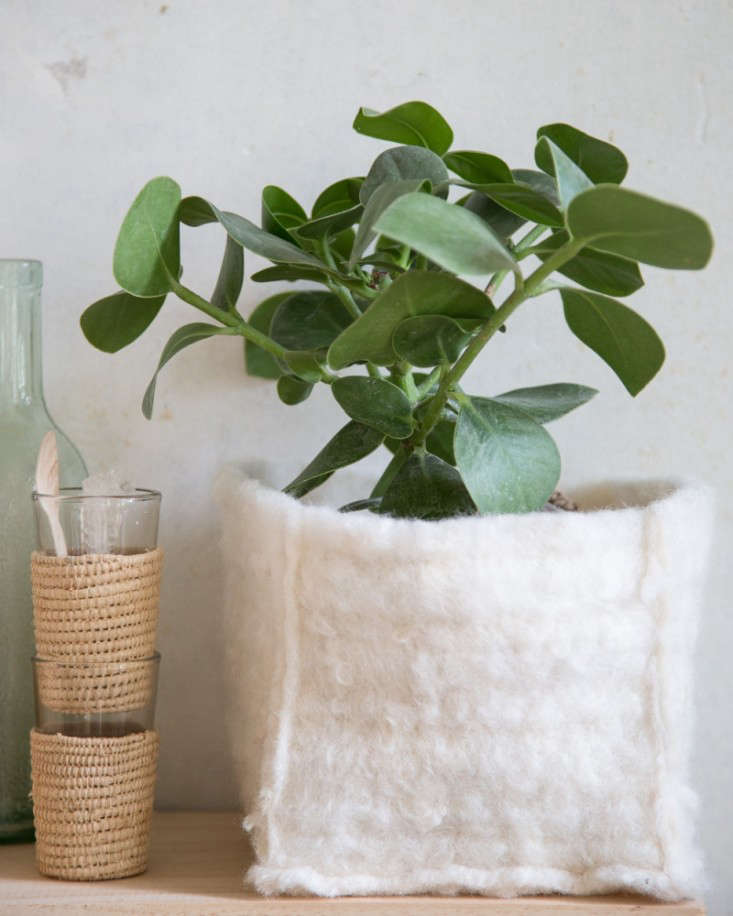
A yarn stash begins innocently. One skein is bought for a scarf, another appears because the color was “too pretty to leave behind,” and suddenly the couch has a fuzzy roommate named Merino. A well-planned cube rangement laine, or yarn storage cube, is the simple solution that turns a pile of tangled possibility into an organized, inspiring craft station.
The right yarn cube storage system does more than hide supplies. It protects wool yarn, keeps works in progress easy to grab, helps you see what you already own, and reduces the chances of buying your fourth nearly identical skein of mustard yellow. This guide explains how to choose, organize, style, and maintain a storage cube setup for knitting yarn, crochet yarn, wool blends, tools, and unfinished projects.
What Is a Cube Rangement Laine?
Cube rangement laine is a French-inspired phrase often used to describe a cube-shaped storage solution for wool, yarn, knitting supplies, and crochet materials. In practical terms, it can mean a cubby shelf, a fabric storage bin, a basket made to fit inside a square shelf, or a modular cube organizer dedicated to your yarn collection.
Unlike a random tote bag stuffed under the bed, a yarn storage cube gives each type of supply a home. One cube may hold chunky wool for winter blankets. Another can hold cotton yarn for dishcloths. A third can contain a current crochet project, complete with hook, pattern, stitch markers, and the snack you insist is “part of the creative process.”
The best system is not necessarily the biggest or most expensive one. It is the one that fits your room, your budget, and your crafting habits. A hobbyist with six skeins needs a different setup than a dedicated knitter who owns enough yarn to open a small, extremely cozy museum.
Why Yarn Storage Cubes Are So Useful
Storage cubes work well because they are flexible. You can place them in a bedroom, home office, closet, living room, craft room, or hallway. Many cube shelving units can stand vertically or horizontally, allowing you to use wall space when floor space is limited. They can also grow with your yarn stash instead of forcing you to reinvent your organization system every season.
A cube organizer also creates natural categories. Rather than digging through one giant bin like an archaeologist searching for lost civilization, you can separate yarn by fiber, color, weight, project, season, or brand. This makes planning new projects faster and helps prevent tangled skeins from developing their own complicated social lives.
For many crafters, visibility matters. When yarn is hidden completely, it is easy to forget what is available. Open cubes and clear-front bins make it easier to shop your own stash before buying more supplies. At the same time, covered cubes can protect yarn from dust, pet hair, sunlight, and curious toddlers who believe every skein is a tiny, colorful snake.
Choose the Right Type of Cube Storage for Wool Yarn
Fabric Storage Cubes
Fabric cubes are lightweight, affordable, and easy to move. They are especially useful for yarn that is used often, such as everyday acrylic, cotton, or wool-blend skeins. Many fabric bins have handles, so you can pull out an entire category of yarn and carry it to the couch, dining table, or wherever your latest project has decided to take over.
Look for sturdy fabric sides and smooth interior seams. Rough baskets, unfinished wood, or decorative wire can snag delicate yarn. A fabric cube with a reinforced base is usually a better choice for heavier collections, especially if you store bulky yarn or several large skeins together.
Plastic Bins with Lids
Plastic containers are useful for long-term yarn storage, especially when you need to protect natural fibers from dust, insects, pets, or damp conditions. Choose clean, dry containers with secure lids, and avoid packing yarn away while it is damp or dirty. Moisture trapped inside a closed container can create unpleasant odors and may encourage mold or mildew.
Covered plastic bins are best for seasonal yarn, special fibers, heirloom materials, and skeins you are saving for future projects. They are less convenient for yarn you use every week, so consider reserving them for your “archive” collection rather than your active craft supplies.
Woven Baskets and Rope Cubes
Woven baskets and cotton rope cubes can make yarn storage look warm and intentional. They work beautifully in living rooms, bedrooms, and open shelving because they feel more like decor than utility storage. They are ideal for bulky yarn, blanket projects, and soft supplies that do not need airtight protection.
Before buying a woven cube, inspect the interior. Some natural materials have rough edges that can catch delicate fibers. A removable fabric liner is helpful for wool yarn, cashmere, alpaca, silk blends, or other premium skeins that deserve better than an accidental snag before they even become a sweater.
Cube Shelving Units with Inserts
A modular cube shelf gives you the most flexibility. You can mix open compartments, fabric bins, baskets, drawers, and doors in the same unit. This creates a useful balance between display and concealment. Show off your prettiest yarn colors in a few open cubes, then hide practical supplies such as tape measures, scissors, labels, patterns, and emergency chocolate in closed bins.
Measure the shelf openings before buying inserts. A cube bin that is too tight will be annoying to remove, while one that is too small wastes valuable space. The best fit slides in smoothly but does not wobble like a shopping cart with one rebellious wheel.
How to Organize a Cube Rangement Laine
Before you buy containers, gather your yarn in one place. Yes, all of it. Check the hallway basket, the project bag in your car, the drawer where you hide unfinished gifts, and the suspicious tote in the closet. Seeing the full collection helps you choose a storage system based on reality rather than optimism.
Sort by Yarn Weight
Organizing by yarn weight is one of the most practical methods for knitters and crocheters. Group lace, fingering, sport, DK, worsted, bulky, and super bulky yarn separately. This makes it easier to select yarn when a pattern calls for a particular weight and reduces the risk of accidentally combining a delicate sock yarn with a blanket yarn that has the personality of a garden hose.
Sort by Fiber Type
If you work with a variety of materials, sorting by fiber can be even more useful. Keep wool, wool blends, cotton, acrylic, bamboo, alpaca, and specialty fibers in separate cubes or labeled bins. Natural fibers may need more care than synthetic yarns, especially when stored for long periods.
For example, a dedicated wool yarn storage cube can hold merino, cashmere, lambswool, and alpaca. Store this cube in a cool, dry area away from direct sun, heat vents, damp basements, and high-humidity spaces. Wool and other animal-based fibers can attract clothes moth larvae and carpet beetles, so regular cleaning and periodic inspections are smart habits.
Sort by Color
Color organization is the most visually satisfying choice. Rows of blues, greens, neutrals, pinks, and bright colors can make a craft room feel cheerful and creative. This approach works best for crafters who often design projects from their existing stash or enjoy combining colors without following a strict pattern plan.
A practical compromise is to organize yarn by weight first and color second. For instance, one cube can hold worsted-weight blues and greens, while another stores worsted-weight warm colors. Your shelves will still look attractive, but you will not accidentally choose a beautiful yarn that is completely wrong for the project.
Use a Dedicated Cube for Works in Progress
Every active project deserves its own home. A work-in-progress cube should contain the yarn, pattern, needles or hooks, notions, and a simple project label. Keeping all project materials together prevents the classic moment when you find a half-finished scarf but cannot remember which hook was used or where the remaining yarn escaped to.
For portable projects, use a small zip bag or project pouch inside the cube. You can grab it quickly before travel, appointments, or a long wait where you know your phone battery will surrender before your patience does.
Protect Wool Yarn from Dust, Moisture, and Pests
Wool yarn is durable, but it is not invincible. Good storage protects it from three major enemies: moisture, pests, and neglect. Neglect is especially sneaky because it often arrives wearing the disguise of “I will organize this next weekend.”
Start by storing yarn in a dry, temperature-stable room. Avoid attics, garages, damp basements, and laundry areas if possible. Extreme temperature changes and humidity can make storage conditions less predictable, especially for wool and other animal fibers.
Keep storage cubes clean. Vacuum or wipe shelves regularly, especially fabric cubes and baskets. Natural-fiber yarn can be attractive to clothes moth larvae and carpet beetles, so inspect your stash occasionally for webbing, shed material, damage, or tiny larvae. If you notice signs of infestation, isolate the affected yarn and clean the storage area before returning supplies.
Cedar blocks, cedar balls, and lavender sachets are often used in yarn storage because they add a pleasant scent and may help discourage pests. Replace or refresh them as needed, and do not allow oily products or strongly scented items to touch yarn directly. Keep sachets in a small pouch or place them in a corner of the container.
For valuable wool, hand-dyed yarn, or long-term storage, use a clean covered bin or sealed bag inside your cube shelf. Add a label that includes fiber content, yarn weight, yardage, colorway, and purchase date. Your future self will be deeply grateful, even if your present self rolls its eyes at the label maker.
Make Your Yarn Cube Storage Beautiful and Functional
A craft storage system should make you want to use it. That does not mean every shelf must look like a catalog photo where no one has ever dropped a stitch. It means the space should feel pleasant, easy to maintain, and realistic for your daily life.
Use matching bins for a calm, unified look, or choose different textures and colors for a more playful craft-room style. Label every cube clearly. Simple labels such as “Wool,” “Cotton,” “Bulky,” “Scraps,” “Hooks,” “Patterns,” and “WIPs” work better than vague labels like “Miscellaneous,” which is usually code for “open at your own risk.”
Add a few useful accessories around the cube organizer. A yarn bowl can hold the skein currently in use. Clear jars can store stitch markers, buttons, safety eyes, and tapestry needles. A small tray can keep scissors, measuring tapes, and crochet hooks from disappearing beneath the furniture. A pegboard or wall hooks can hold project bags and finished pieces waiting to be blocked or gifted.
Do not overfill the cubes. Leave a little room so you can browse yarn without crushing the labels or pulling out half the shelf. A cube that is about 80 percent full is much easier to use than one packed so tightly it requires a rescue team and a butter knife.
Small-Space Ideas for Yarn Storage Cubes
You do not need a dedicated craft room to organize yarn well. A small cube shelf beside a sofa can become a compact knitting station. A three-cube organizer in a closet can hold yarn, tools, and project bags. Fabric cubes can slide onto a bookcase, under a desk, or inside a wardrobe.
For very small homes, choose vertical storage. A tall cube shelf takes advantage of wall height without claiming too much floor space. Keep frequently used yarn in middle cubes, heavier items near the bottom, and rarely used supplies on the top shelf. A small step stool can help with top compartments, although it is best not to turn every crochet session into a mountaineering event.
Another smart solution is a rolling cart paired with cube bins. Use the cart for active projects and everyday tools, then keep the larger yarn stash in a stationary cube shelf. This gives you flexibility without forcing you to carry an entire yarn collection from room to room.
How to Maintain Your Yarn Storage System
Organization works best when it is simple enough to repeat. Once a month, spend ten minutes returning loose yarn, hooks, labels, and project supplies to their correct places. At the end of a project, place leftover yarn in its assigned cube immediately instead of letting it join the mysterious pile on the coffee table.
Twice a year, review your yarn stash. Donate yarn you no longer love, combine usable scraps into a scrap-yarn project bin, and remove patterns or supplies you no longer use. This does not mean you must own only the exact amount of yarn required for one project. That would be impractical and frankly a little joyless. It simply means your collection should support your creativity rather than overwhelm it.
Keep a basic inventory list if your stash is large. A note on your phone or a simple spreadsheet can track yarn brand, fiber content, color, yardage, and storage cube location. This is especially helpful for sweaters, blankets, and other projects that require matching dye lots or several skeins of the same yarn.
Real-Life Experiences with a Cube Rangement Laine
The first time I tried organizing yarn with storage cubes, I made the classic beginner mistake: I bought beautiful bins before I counted the yarn. The bins looked perfect in the store. At home, they held approximately one-third of my collection and one very judgmental skein of purple wool. The rest of the yarn remained in bags, baskets, and a cardboard box that had apparently become part of the furniture.
The second attempt went better because I started with the stash itself. I collected every skein from around the house and placed it on the floor. That was the moment I discovered I had enough gray yarn to knit a small cloud system. I also found three unfinished projects, two duplicate sets of crochet hooks, and a pattern I had printed so long ago that the paper had developed a vintage personality.
After sorting by yarn weight and fiber type, I assigned each cube a specific job. One cube held wool and wool blends. Another held cotton yarn for summer projects and kitchen items. A third stored acrylic yarn for colorful blankets and quick gifts. One cube became the “active project zone,” which was probably the most helpful change of all. Instead of hunting through several bags for one missing hook, I could pick up the entire project bin and start working within seconds.
The biggest surprise was how much easier it became to use the yarn I already owned. Before the cube organizer, my stash felt like a vague collection of possibilities. Once it was visible and grouped, I could see enough coordinating yarn for hats, scarves, baby blankets, amigurumi, and several projects that were not supposed to happen but clearly had plans of their own.
I also learned that open storage is not always ideal. It looked wonderful at first, especially with color-coordinated skeins on display. Then dust appeared. Then pet hair appeared. Then a curious cat decided that a basket of wool was a luxury spa. I switched my delicate yarn and natural-fiber yarn to covered bins, leaving only durable everyday skeins in open cubes. The room still looked colorful, but the yarn stayed cleaner and less vulnerable.
Another lesson involved labels. I resisted them because I thought I would remember where everything went. That confidence lasted about four days. Labels turned out to be less about creating a perfect system and more about reducing tiny daily decisions. When a skein had a clear destination, putting it away took seconds instead of becoming a dramatic internal debate.
The most useful habit was leaving empty space in each cube. A packed bin may look efficient, but it is frustrating when you want to compare colors, check labels, or pull out one skein without causing an avalanche. A little breathing room made the entire setup easier to maintain.
Today, the yarn storage cubes are not perfectly styled every minute of the day. There are often loose stitch markers, an unfinished scarf, and at least one skein waiting suspiciously close to the couch. But the system works because it is forgiving. It gives every material a home, keeps active projects within reach, and makes the next creative idea feel exciting instead of chaotic. That is the real value of a cube rangement laine: not perfection, but more time making things and less time asking, “Where did I put that yarn?”
Conclusion
A practical cube rangement laine can transform an unruly yarn stash into a useful, attractive, and easy-to-maintain craft system. Choose cubes that fit your space, sort yarn in a way that matches how you create, protect natural fibers from moisture and pests, and reserve a dedicated place for active projects. Whether you use fabric bins, lidded containers, rope baskets, or modular cube shelves, the goal is simple: make your yarn easier to find, easier to enjoy, and far less likely to stage a colorful takeover of your home.













