
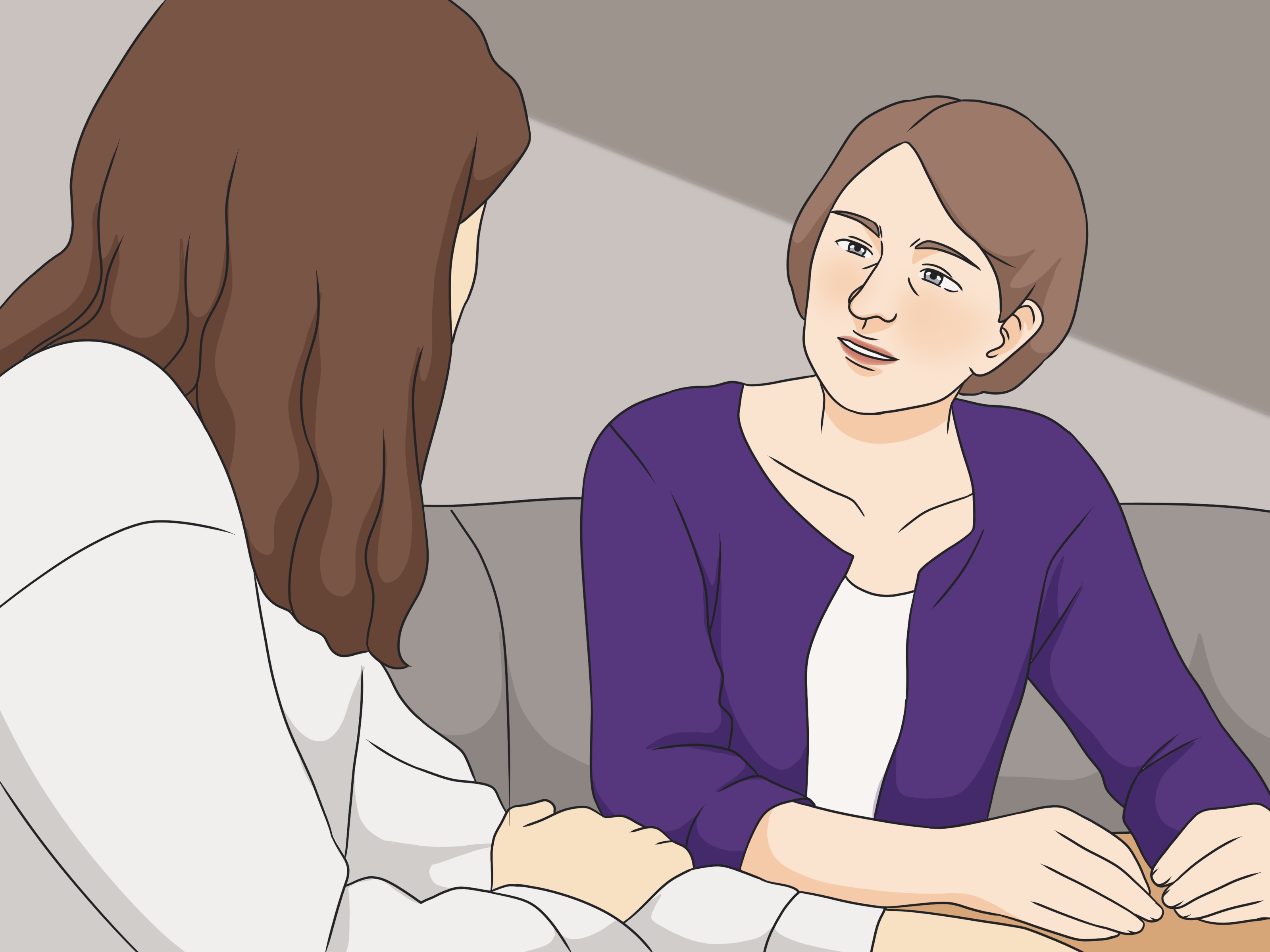
Divorce may be an adult decision, but its emotional paperwork often lands on a child’s desk without warning. Your daughter may suddenly face two homes, changed routines, complicated holidays, financial uncertainty, and questions she does not know how to ask. Even when a separation is peaceful, the family she understood is being reorganizedand nobody gave her the instruction manual.
The encouraging news is that divorce does not automatically determine a child’s future. What matters greatly is how the adults handle the transition. Honest communication, predictable routines, emotional warmth, and protection from parental conflict can help your daughter regain her sense of safety. Your mission is not to erase every difficult feeling. It is to show her that difficult feelings can be named, shared, and survived.
The following eight steps explain how to help your daughter through divorce without asking her to become the family therapist, messenger, detective, or tiny judge in charge of deciding which parent is “right.”
Why Divorce Can Feel Overwhelming to a Daughter
Children react to divorce in different ways. A younger daughter may become clingy, have trouble sleeping, or worry that another parent will disappear. A school-age child may blame herself, struggle academically, or complain about headaches and stomachaches. A teenager might withdraw, become angry, spend less time at home, or act as though she does not care.
That last response can be especially misleading. Teenagers sometimes use a highly advanced coping strategy called “shrugging while secretly feeling everything.” Silence is not always proof that your daughter is fine.
Children and adolescents may experience sadness, anger, guilt, anxiety, behavioral changes, or withdrawal during divorce. Their reactions can vary according to age, temperament, family circumstances, exposure to conflict, and the amount of stability preserved during the transition.
1. Explain the Divorce Honestly and Appropriately
Your daughter needs a truthful explanation, but she does not need every painful detail. Tell her what is happening in language that matches her age and maturity. Whenever possible and safe, both parents should deliver the basic message together so she hears one clear version rather than competing press conferences.
Focus on what affects her life
Explain which parent will move, where she will live, when she will see each parent, whether she will remain at the same school, and what will happen to important activities. Children often care less about legal terminology than adults imagine. “Who will take me to soccer?” may feel more urgent than “When will the court finalize the dissolution?”
A simple explanation might sound like this:
“We have decided that we cannot continue living together as a married couple. This is an adult decision, and you did not cause it. We both love you, and we will always be your parents. Some things will change, but we will explain those changes and take care of you.”
Avoid discussing affairs, financial accusations, legal strategy, or intimate marital problems. Those details may satisfy curiosity temporarily while creating emotional burdens your daughter cannot resolve.
2. Repeat That the Divorce Is Not Her Fault
Adults know that children do not cause divorces. Children do not always know this.
Your daughter may remember arguments about discipline, school expenses, bedtime, or her behavior and conclude that she somehow broke the marriage. Younger children are particularly likely to connect unrelated events through magical thinking: “Dad left after I got in trouble, so Dad must have left because of me.”
Tell her directly and repeatedly that she did not cause the divorce and cannot fix it. One conversation is rarely enough. Reassurance may need to be repeated during moves, custody exchanges, birthdays, holidays, and other moments when the new family structure becomes especially noticeable.
Give her three dependable messages
- The divorce is an adult decision.
- She did nothing to cause it.
- Both parents’ love for her continues, even though the marriage has ended.
Do not say, “Nothing will change,” because something clearly is changing. Instead, identify what will remain dependable: who will care for her, how she can contact each parent, which routines will continue, and when she will receive new information. Age-appropriate truth is more comforting than a promise she can already see is impossible.
3. Listen Without Trying to Correct Every Emotion
Your daughter may be sad, relieved, embarrassed, furious, confused, or all five before breakfast. She may even feel happy that the fighting has stopped and then guilty for feeling happy. These reactions do not require a courtroom-style rebuttal.
Listen before offering solutions. Instead of saying, “You shouldn’t be angry,” try, “I understand why you’re angry.” Validation does not mean agreeing with every conclusion. It means recognizing that the emotion is real.
Use questions that leave room for honest answers
- “What has been the hardest part this week?”
- “What are you worried might happen?”
- “Is there anything you wish we would stop doing?”
- “Would you rather talk now, write it down, or come back to it later?”
Avoid interrogating her immediately after she returns from the other parent’s home. “Did your father have anyone over?” is not emotional support; it is unpaid private investigation. Ask how she feels, whether she needs anything, and whether there are practical concerns you should address.
Some daughters communicate more easily while walking, driving, cooking, drawing, or doing another activity. A direct face-to-face conversation can feel intense, especially for teenagers. Create regular opportunities to talk without demanding an emotional performance on schedule.
4. Keep Her Out of Parental Conflict
One of the most protective things you can do is refuse to make your daughter choose sides. She should not carry messages, negotiate schedules, collect evidence, conceal information, or comfort one parent after arguments with the other.
Never ask questions such as, “Who would you rather live with?” in a way that makes her feel responsible for an adult decision. When her preferences must be considered, they should be explored carefully, without pressure or promises.
Do not recruit her into the divorce
Avoid criticizing the other parent within her hearing, including through sarcastic comments, social-media posts, phone conversations, or dramatic sighs worthy of an award. Children often experience attacks on a parent as attacks on part of themselves.
Handle scheduling, expenses, legal disagreements, and parenting disputes directly with the other adult or through an appropriate professional. If ordinary communication repeatedly turns into conflict, consider a structured co-parenting app, mediator, parenting coordinator, or parallel-parenting arrangement.
This guidance changes when abuse, stalking, coercive control, dangerous substance use, neglect, or another safety threat is present. In those circumstances, protecting your daughter may require restricted communication, supervised contact, legal assistance, or support from domestic-violence and child-safety professionals. “Support her relationship with both parents” never means ignoring danger.
Child-centered guidance consistently emphasizes shielding children from adult conflict and avoiding situations in which they become messengers, allies, or decision-makers in parental disputes.
5. Preserve Predictable Routines
Divorce can make life feel unpredictable, so ordinary routines become surprisingly powerful. Bedtimes, school attendance, meals, homework, chores, sports, and weekend rituals tell your daughter that her world still has a recognizable shape.
You do not need identical rules in both homes. Children can understand that one home allows dessert after dinner while the other regards cookies as a breakfast food group. The important goal is reasonable consistency around safety, school responsibilities, medication, sleep, and respectful behavior.
Create a calendar she can understand
Use a shared digital calendar or a printed schedule showing where she will stay, who will pick her up, and when special events will occur. Younger children may benefit from pictures or color-coded days. Older daughters should have access to plans without being responsible for managing them.
Prepare duplicate essentials for both homes when possible: toiletries, chargers, medication, school supplies, and comfortable clothing. Constantly packing an entire life into a backpack can make a child feel like a visitor everywhere.
Notify her early when a schedule must change. Sudden surprises may feel minor to an adult but can reopen a child’s fear that nothing is dependable. Predictability, regular contact, and continued parental involvement can help children adjust, provided both caregivers are safe and capable.
6. Give Her Permission to Love Both Parents
Your daughter should not have to hide affection for one parent to protect the feelings of the other. Welcome her stories about enjoyable experiences in the other home. Let her display photographs, mention relatives from both sides, and bring treasured belongings between homes when practical.
When she says, “I miss Mom,” avoid responding with, “Well, Mom chose to leave.” Try, “It makes sense that you miss her. Would you like to call her?” Supporting that connection does not diminish your importance. It demonstrates that her emotional needs matter more than adult rivalry.
Respect mixed loyalties
Holidays and milestones can create loyalty conflicts. Your daughter may worry that enjoying Thanksgiving with one parent betrays the other. Tell her she is allowed to have fun wherever she is. Do not make her responsible for your loneliness, even when your loneliness is real.
New partners should be introduced slowly and thoughtfully. Do not demand instant affection, insist on parental titles, or present a new relationship as the replacement family. Your daughter may need time to understand the change without feeling that accepting someone new erases someone she already loves.
7. Build a Support Team Around Her
You should remain a central source of comfort, but you should not be her only emotional outlet. A trusted grandparent, aunt, uncle, teacher, coach, school counselor, family friend, clergy member, or mentor may give her a safer place to express thoughts she worries could hurt you.
Inform relevant school staff about the divorce without broadcasting private details to the entire building. A teacher or counselor can watch for changes in concentration, attendance, friendships, behavior, or academic performance. They can also prevent awkward misunderstandings involving forms, family projects, parent events, or transportation.
Protect her privacy
Ask before sharing personal information whenever possible, especially with teenagers. She deserves support, not a community announcement delivered with a casserole.
Help her maintain friendships and activities. Dance class, basketball, music lessons, gaming with friends, or a weekly visit with a grandparent may provide continuity and a healthy break from family stress. Do not cancel everything simply because transportation has become inconvenient. Familiar relationships and interests remind her that divorce is something happening in her life, not the total definition of her life.
8. Recognize When Professional Help Is Needed
Many children experience temporary emotional or behavioral changes during divorce. Professional support becomes especially important when symptoms are intense, persistent, worsening, or interfering with daily life.
Watch for significant warning signs
- Persistent sadness, hopelessness, panic, or severe anxiety
- Loss of interest in friends or favorite activities
- Major changes in sleep, appetite, energy, or hygiene
- Frequent physical complaints without a clear medical explanation
- Sharp academic decline or repeated school refusal
- Aggression, dangerous behavior, substance use, or running away
- Regression that continues or significantly disrupts daily functioning
- Self-harm, suicidal statements, or talk about not wanting to live
Begin with her pediatrician or primary-care clinician, who can evaluate physical concerns and recommend a qualified child or adolescent mental-health professional. A therapist experienced in divorce, family transitions, trauma, or high-conflict parenting can help your daughter develop coping skills without asking her to decide which parent has the superior legal brief.
Therapy should not be used to extract information, build a custody case, or persuade your daughter to reject a safe parent. Its purpose is to support her well-being.
If she talks about suicide, self-harm, or being unable to stay safe, treat the situation as urgent. In the United States, call or text 988 for crisis support, contact emergency services when immediate danger is present, or take her to the nearest emergency department. Warning signs such as withdrawal, sleep changes, loss of interest, self-harm, substance use, and severe mood changes warrant prompt attention.
Take Care of Yourself Without Leaning on Your Daughter
Your emotional health influences the atmosphere around your daughter. That does not mean you must pretend to be cheerful. It means processing adult pain with adults.
Seek support from friends, relatives, a therapist, a divorce-support group, a financial professional, or an attorney as appropriate. Eat, sleep, exercise, attend medical appointments, and resist sending furious messages at 1:17 a.m. Nothing revolutionary happens in a late-night text containing fourteen exclamation points.
You may say, “I’m having a difficult day, but I have people helping me and I will be okay.” That models honest emotion without making your daughter responsible for rescuing you.
Do not discuss financial panic, legal fears, dating details, or the other parent’s alleged character defects as though she were your closest confidante. Parentificationplacing a child in an adult emotional rolecan make her feel important temporarily while burdening her with responsibilities she cannot safely carry.
Experiences That Show How the Eight Steps Work
The following composite examples combine common family situations and are not descriptions of specific individuals. They illustrate how small parental choices can either increase a daughter’s stress or help her recover.
Experience 1: The Eight-Year-Old Who Thought She Caused Everything
After her parents separated, eight-year-old Lily began asking whether her father would come home if she behaved better. She remembered being sent to her room after a family argument shortly before he moved out. In her mind, the events were connected: she misbehaved, her parents fought, and her father left.
At first, both parents answered, “Of course this isn’t your fault,” but they did not explain further. Lily kept worrying because reassurance without detail felt like another confusing adult statement.
Her parents eventually sat with her and explained that they had experienced grown-up problems for a long time. They told her that no homework mistake, tantrum, messy bedroom, or forgotten lunchbox could cause a divorce. They repeated the message during several later conversations rather than expecting one talk to solve everything.
They also created a calendar showing school days, exchanges, and weekend visits. Each home kept pajamas, a toothbrush, art supplies, and favorite books so she no longer packed as though she were leaving for a six-month expedition.
Lily still felt sad, especially on Sunday evenings, but her bedtime problems gradually improved. What helped was not a magical sentence. It was repeated reassurance combined with predictable actions. Her parents said they would show up, and then they showed up.
Experience 2: The Teenager Who Said She Did Not Care
Fourteen-year-old Maya responded to news of her parents’ divorce with one word: “Whatever.” She went to her room, turned up her music, and refused to talk. Her mother assumed she was coping well. Her father assumed she was angry only with him. In reality, Maya worried about changing schools, losing friends, and whether her college savings had disappeared into attorney fees.
Instead of demanding a serious family meeting every evening, her mother began inviting her on short drives and letting silence exist. During one trip, she asked, “What practical change worries you most?” Maya finally said she was afraid they would have to move.
Her mother did not offer a false promise. She explained what was known, what remained uncertain, and when they expected an answer. She also contacted the school counselorwith Maya’s knowledgeso someone could watch for academic changes without treating her like a fragile museum exhibit.
Both parents stopped asking Maya to deliver messages. They used email for scheduling and agreed not to criticize one another in front of her. Maya remained sarcastic because she was fourteen and apparently contractually obligated to be sarcastic. However, she became less withdrawn once she no longer had to monitor the adults.
Her recovery began when her parents stopped interpreting silence as indifference and started offering honest information without forcing immediate disclosure.
Experience 3: The College-Age Daughter Who Became Everyone’s Therapist
Twenty-year-old Ava was away at college when her parents announced their divorce. Because she was legally an adult, both parents treated her like a peer. Her mother described years of marital disappointment. Her father called to defend himself and ask what her mother had said. Ava began dreading every phone notification.
She felt guilty setting limits because both parents insisted they “just needed someone to talk to.” Meanwhile, her grades slipped, she stopped attending club meetings, and she began having trouble sleeping.
During a visit home, Ava said, “I love both of you, but I cannot be the person who processes this divorce with you.” It was an important boundary, but her parents had to respect it for the boundary to work.
They found adult sources of support and stopped discussing legal and romantic details with her. They also agreed not to request reports about the other parent. Ava could call either one without walking into an emotional interrogation room.
Her mother began asking, “Do you have space to hear a brief update?” before discussing family changes. Her father stopped saying, “You’re old enough to know what really happened.” Both reassured her that loving the other parent was not a betrayal.
Ava eventually used counseling through her college and resumed her usual activities. The divorce still hurt, but she was no longer carrying three people’s grief in one backpack. Her experience shows that even an adult daughter remains a daughter. Age does not turn her into a mediator, marriage counselor, or emergency emotional-support department.
Conclusion: Help Her Feel Safe, Not Responsible
You cannot make divorce painless, and trying to eliminate every uncomfortable emotion may teach your daughter that sadness is dangerous. A healthier goal is to give her the security, language, relationships, and coping tools she needs to move through the transition.
Tell the truth without oversharing. Repeat that the divorce is not her fault. Listen without correcting her feelings. Keep her away from parental conflict. Preserve routines, support safe relationships, involve trusted adults, and obtain professional care when warning signs appear.
Most importantly, remain the parent. Your daughter may have opinions, preferences, and legitimate concerns, but she should not be responsible for protecting adults from the consequences of adult decisions.
Divorce changes the structure of a family. It does not have to destroy your daughter’s belief that she is loved, protected, and allowed to build a joyful future.
Editorial note: This educational article synthesizes guidance from U.S. pediatric, psychiatric, psychological, family-court, trauma, and public-health resources, including the American Academy of Pediatrics, American Academy of Child and Adolescent Psychiatry, American Psychological Association, Child Mind Institute, Mayo Clinic, Association of Family and Conciliation Courts, National Institute of Mental Health, Centers for Disease Control and Prevention, National Child Traumatic Stress Network, National Alliance on Mental Illness, HHS adolescent-health resources, and peer-reviewed research indexed by the National Library of Medicine. It is not a substitute for individualized medical, mental-health, legal, or safety advice.











