
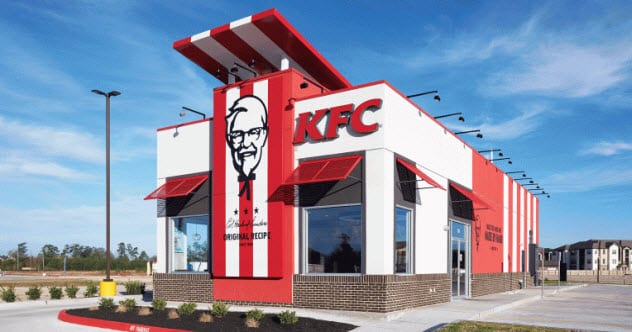
KFC is one of those brands that seems almost too familiar to contain any surprises. You recognize the red-and-white bucket, Colonel Sanders’ glasses, and the promise of 11 herbs and spices before you even smell the chicken. Yet behind that familiar image is a wonderfully strange story involving a roadside gas station, an honorary military title, a Utah restaurant owner, a pressure cooker, a Japanese Christmas tradition, and an elderly entrepreneur who refused to retire quietly.
The history of Kentucky Fried Chicken is not a tidy tale of instant success. It is a story about late-life reinvention, relentless franchising, clever marketing, and a founder who could be charming, stubborn, generous, and spectacularly grumpysometimes before lunch. Here are 10 surprising KFC facts that may change the way you look at your next bucket.
1. Colonel Sanders Was Not a Military Colonel
Harland David Sanders did serve briefly in the U.S. Army, but he did not earn the rank of colonel there. The famous title was an honorary distinction connected to the state of Kentucky. Sanders was recognized as a Kentucky Colonel, a ceremonial honor given for service and achievement rather than battlefield command.
After being recommissioned as a Kentucky Colonel in 1950, Sanders leaned into the role with the enthusiasm of a man who understood branding before personal branding had a name. He grew his white goatee, wore a string tie, and eventually adopted the white suit that became his visual trademark. The outfit was not merely restaurant decoration. Sanders wore it so consistently in public that it became part uniform, part logo, and part traveling billboard.
2. KFC Began Beside a Gas Station, Not in a Fast-Food Restaurant
The earliest version of KFC did not have a drive-through, glowing menu boards, or a giant bucket rotating above the highway. In 1930, Sanders began serving meals to travelers near his service-station business in Corbin, Kentucky. Customers initially ate at his own dining table before the operation expanded into a roadside restaurant and motel.
His menu included more than fried chicken. Travelers could order country-style foods such as ham, biscuits, vegetables, and gravy. Sanders’ reputation grew because motorists shared stories about the unusually good food available along the road. In an era before restaurant apps and online reviews, word of mouth did the heavy lifting.
The location eventually became known as Sanders Court & Café. It was there that Sanders refined the flavor and cooking method that would later support a global restaurant empire. In other words, one of the world’s most recognizable fast-food chains grew from the practical question, “What should we feed the people stopping for gas?”
3. The First KFC Franchise Was in Utah
Kentucky may be in the name, but the first successful Kentucky Fried Chicken franchise opened in Salt Lake City, Utah, in 1952. Sanders partnered with restaurant owner Pete Harman, who began selling chicken prepared with Sanders’ recipe and cooking process.
The Utah location helped transform a regional dish into a recognizable commercial product. Harman’s restaurant reportedly experienced dramatic growth after adding Sanders’ chicken. It also helped establish several elements that customers would later assume had emerged fully formed from the mind of the Colonel.
Even the name “Kentucky Fried Chicken” was shaped through this partnership. Sign painter Don Anderson, who worked with Harman, is credited with developing the name. “Kentucky” suggested Southern hospitality and gave the product an exotic regional identity to Utah diners. Apparently, “Harland’s Very Good Roadside Poultry” did not have quite the same snap.
4. Colonel Sanders Built His Franchise Career After Retirement Age
One of the most inspiring facts about KFC is that Sanders did not become a major franchising success while he was a young entrepreneur. His business faced a serious setback when a new highway route redirected traffic away from his Corbin restaurant. He eventually sold the property and began searching for a new way to earn a living.
Sanders was about 65 years old and receiving a modest Social Security payment when he began traveling from restaurant to restaurant to promote his fried chicken method. He carried pressure cookers and spice mixtures in his car, prepared chicken for restaurant owners, and proposed a royalty agreement whenever they liked what they tasted.
The campaign was not glamorous. Sanders sometimes slept in his car to save money and relied on the food he cooked during sales demonstrations. His story has become a classic example of late-life entrepreneurship because he did not merely start overhe started over with cookware in his trunk and rejection waiting at nearly every stop.
5. Pressure Frying Helped Make Fast KFC Service Possible
Great fried chicken takes time, which creates an obvious problem when hungry travelers expect food quickly. Traditional pan-frying could require roughly half an hour, while preparing chicken too far in advance risked serving dry food or wasting unsold portions.
Sanders experimented with early pressure-cooking equipment and developed a method that cooked chicken more quickly while helping it remain moist. The technique shortened preparation time enough to make his chicken practical for restaurant service without treating quality as optional.
Pressure frying became just as important to the KFC system as the seasoning blend. The chicken’s texture depends not only on what goes into the coating but also on breading procedures, oil temperature, cooking time, equipment, and how the pieces are arranged. That is why simply dumping 11 mystery spices into flour does not automatically produce authentic Original Recipe chicken. Culinary chemistry is rude that way.
6. The Famous Bucket and Slogan Were Franchise Innovations
Colonel Sanders supplied the recipe, personality, and salesmanship, but early franchisees helped turn Kentucky Fried Chicken into a polished fast-food concept. Pete Harman is closely associated with two of the brand’s most enduring ideas: the family meal bucket and the “finger lickin’ good” slogan.
In 1957, Harman offered chicken, bread rolls, and gravy together in a cardboard bucket as a complete family meal. The packaging made takeout easier while creating a distinctive object that worked as advertising wherever it traveled. A paper container had effectively become a portable restaurant sign.
The bucket also helped reposition fried chicken as a group meal rather than a single serving. Families could place it in the middle of the table and let everyone negotiate over the last drumstick using the ancient legal principle known as “I touched it first.” The combination of convenience, shareability, and memorable packaging helped make the bucket one of the most recognizable symbols in fast-food history.
7. The Secret Recipe Is Protected as a Trade Secret
KFC’s Original Recipe is famously described as a blend of 11 herbs and spices. According to the company, the recipe was perfected in 1939 and remains confidential. A signed copy has been associated with high-security storage at the company’s Kentucky facilities, reinforcing the idea that the seasoning formula is a piece of corporate treasure.
The recipe is treated as a trade secret rather than a patented formula. A patent generally requires public disclosure and eventually expires. A properly guarded trade secret can theoretically remain protected indefinitely, provided the information stays secret.
Over the years, journalists, cooks, relatives, and highly motivated internet detectives have claimed to uncover the formula. In 2016, a handwritten list found in a family scrapbook attracted widespread attention after it was linked to Sanders’ nephew. KFC denied that the published combination was authentic. Whether the real formula is astonishingly complex or hiding among ordinary pantry spices, the secrecy itself has become one of the company’s most effective marketing ingredients.
8. Sanders Sold KFC but Continued Criticizing Its Food
Sanders sold Kentucky Fried Chicken to a group of investors in 1964 for approximately $2 million, while remaining closely connected to the brand as its public spokesman. Selling the company, however, did not transform him into a quiet ceremonial mascot.
He remained intensely concerned with food quality and became openly critical when he believed the chain’s recipes or preparation standards had declined. He was particularly harsh about changes to the gravy. His criticism eventually became part of a legal dispute involving KFC’s later corporate owner and the restaurant Sanders operated with his wife, Claudia.
Sanders filed a lawsuit seeking $122 million, and the dispute was settled outside court. The episode revealed an unusual tension: the company needed the Colonel’s image, but the real Colonel was perfectly willing to complain about the company represented by that image. Most mascots do not sue their own restaurants, which is probably why modern brands prefer cartoon animals.
9. KFC Became a Christmas Tradition in Japan
In Japan, fried chicken from KFC has become closely associated with Christmas. The custom grew after the company launched its “Kentucky for Christmas” campaign in 1974. One commonly repeated origin story says a restaurant manager heard foreign customers discussing their difficulty finding turkey and recognized an opportunity to market fried chicken as a holiday alternative.
The campaign turned an unfamiliar Western holiday meal into a highly visible seasonal ritual. Customers now place advance orders, restaurants experience long lines, and special Christmas packages may include chicken, side dishes, desserts, and commemorative items. Millions of Japanese families reportedly participate each year.
KFC Japan also holds an annual memorial ceremony sometimes called Chicken Thanksgiving. Company leaders and supply-chain representatives gather at a temple to express gratitude for the chickens used by the business and to pray for food safety. It is a thoughtful tradition you probably will not see advertised beside a two-piece combo.
10. KFC Is Now More Global Than Many People Realize
KFC may be rooted in Kentucky history, but most of its growth now occurs outside the United States. The chain passed 30,000 restaurants worldwide in 2024, and Yum! Brands reported that KFC opened nearly 3,000 additional restaurants during 2025, including its 30,000th international location. By 2026, industry reporting placed the brand at more than 34,000 restaurants across over 150 countries.
China has become an especially important KFC market. By the end of 2025, the country had roughly 13,000 KFC restaurants. Yum China’s combined KFC and Pizza Hut loyalty programs surpassed 590 million members, illustrating how the business has evolved from handwritten royalty agreements into a massive digital commerce network.
The company’s geography continues to change in other ways. Yum! Brands announced in 2025 that KFC’s U.S. corporate office would move from Louisville, Kentucky, to Plano, Texas, although Yum! would retain corporate operations and employees in Louisville. KFC may always wear Kentucky in its name, but its modern business stretches far beyond state linesor even national borders.
Experiencing KFC Beyond the Drive-Through
Knowing the history behind KFC can make an ordinary meal feel surprisingly different. A bucket of chicken stops being merely convenient packaging once you realize that the family bucket was a franchise innovation developed during the brand’s early expansion. The Colonel’s portrait becomes more interesting when you know that the white suit belonged to a real entrepreneur who traveled the country selling restaurant owners on his cooking process.
Visit the Place Where the Story Began
Travelers interested in American food history can explore the Harland Sanders Café and Museum in Corbin, Kentucky. The preserved location offers a physical connection to the period before KFC became a standardized chain. Seeing the old dining area, kitchen displays, motel-related features, and early advertising materials makes it easier to imagine Sanders serving motorists one table at a time.
The experience also highlights how closely the restaurant’s success was linked to automobile travel. Before interstate highways redirected traffic, roadside businesses depended on being visible, welcoming, and memorable. Sanders was not simply selling chicken. He was selling relief to tired travelers who wanted a reliable meal before returning to the road.
Compare KFC Menus in Different Countries
Another way to experience KFC’s history is to compare menus while traveling. The Original Recipe provides a recognizable center, but regional restaurants frequently adapt their offerings to local preferences. Depending on the market, customers may encounter rice dishes, porridges, localized sauces, seafood items, spicy sandwiches, breakfast menus, or desserts rarely seen at a typical U.S. location.
Those differences demonstrate why KFC became such a powerful global brand. It maintains enough familiar imagery to remain recognizable while allowing local operators to create meals that make sense within regional dining habits. A customer may recognize the Colonel immediately even when nearly everything surrounding his picture has been customized.
Try a Thoughtful Taste Test
A simple at-home tasting session can reveal how much technique matters. Compare Original Recipe chicken with an extra-crispy version, a homemade batch, or fried chicken from a local independent restaurant. Pay attention to the aroma, coating thickness, salt level, peppery notes, crust texture, and moisture inside the meat.
You may notice that the “secret” flavor is not produced by seasoning alone. Breading consistency, resting time, frying pressure, temperature control, and oil management all affect the result. This explains why countless copycat recipes can use similar spice lists yet produce noticeably different chicken. The supposed treasure map may list the ingredients, but it does not automatically teach you how to drive the ship.
Order a Bucket as the Designers Intended
Finally, consider eating KFC as a shared meal rather than an individual fast-food order. The original bucket concept was designed to gather multiple components into one family package. Place the chicken and sides in the middle of the table, put away the delivery containers, and let everyone serve themselves.
This small change makes the meal closer to the experience that helped popularize the brand in the 1950s. The bucket becomes a social object, encouraging conversation, sharing, and spirited negotiations about who receives which piece. Just establish drumstick rules in advance. Families have survived disagreements about politics, money, and holiday travel only to be permanently divided by one unclaimed crispy wing.
Conclusion
KFC’s history is far richer than its fast-food image suggests. The brand grew from a Kentucky roadside business, but its first franchise succeeded in Utah. Its founder achieved national success after age 65, while franchise partners helped create the famous name, slogan, and bucket. Pressure cooking made the product practical, secrecy made the recipe legendary, and creative international marketing turned fried chicken into a Christmas tradition in Japan.
Perhaps the most surprising lesson is that KFC was never the work of one perfectly planned business strategy. It developed through experimentation, setbacks, partnerships, strong personalities, and a great deal of driving. Colonel Sanders did not discover a shortcut to success. He simply kept moving until the rest of the world caught up with his chicken.












