
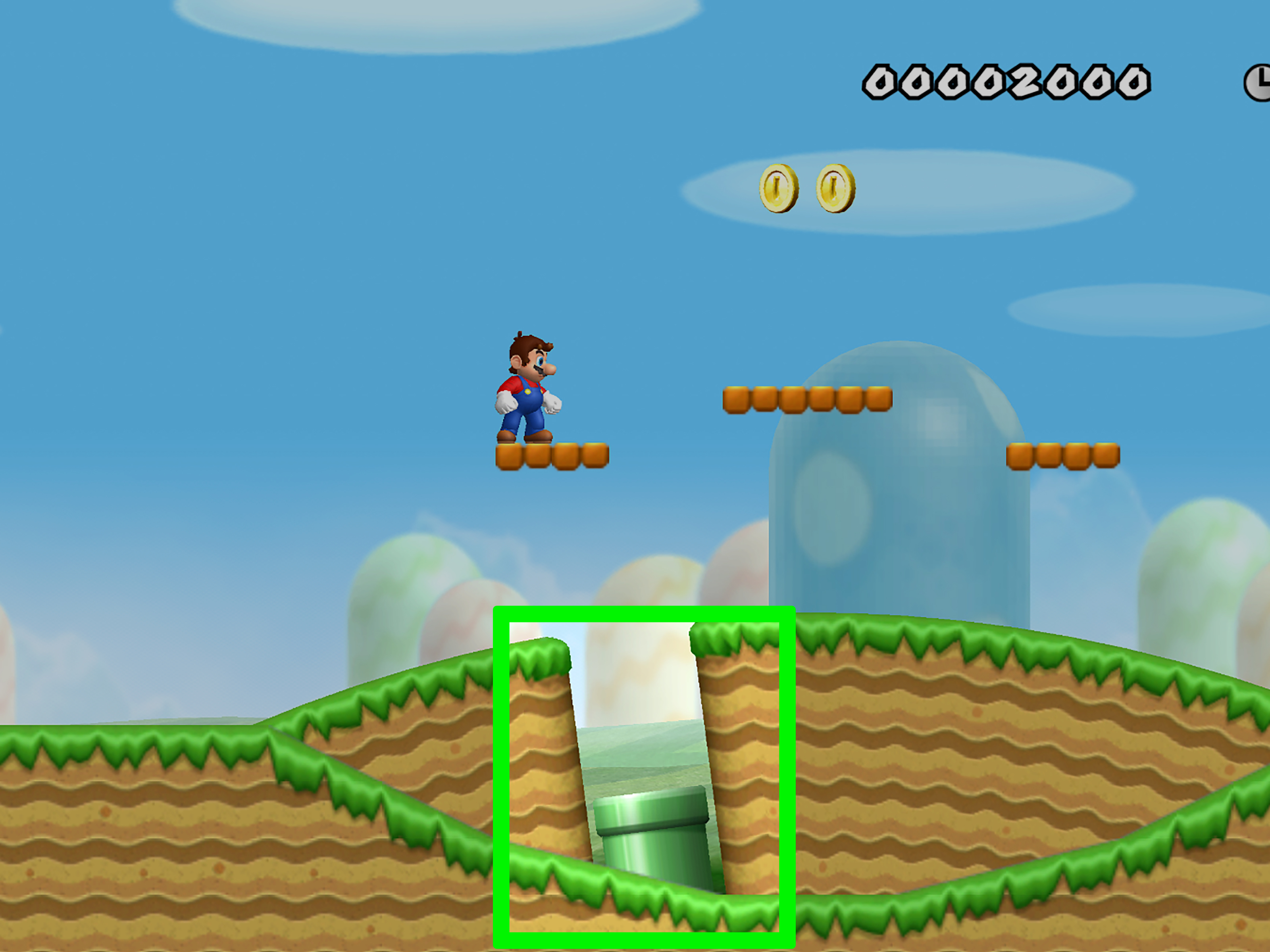
If you have ever looked at New Super Mario Bros. Wii and thought, “That looks adorable and completely capable of ruining a family game night,” congratulations, you are absolutely correct. This game takes classic side-scrolling Mario action and adds more chaos, more teamwork, more accidental head-bonks, and more last-second saves than a platformer has any right to contain. It is easy to start, tough to master, and dangerously good at turning calm players into very passionate couch commentators.
The good news is that learning how to play is not complicated. The better news is that once you understand the basics, the game becomes much more fun and a lot less “Why did you throw me into a pit, Luigi?” Whether you are playing solo or with up to three other people, the key is knowing how the controls, power-ups, level design, and multiplayer systems actually work. This guide breaks it all down in 11 clear steps so you can jump in with confidence, save Princess Peach, and maybe even keep your friendships intact.
Why This Mario Game Still Hooks Players
New Super Mario Bros. Wii feels familiar right away, but it has enough twists to keep things lively. You get the classic run-and-jump rhythm, but now the stages are built for both solo play and multiplayer mayhem. That means bigger moments, trickier platforming, more opportunities to help each other, and just as many chances to accidentally sabotage the whole operation. In other words, it is Mario with a little more spice and a lot more shouting from the couch.
It also rewards curiosity. If you simply sprint to the flagpole, you can finish levels and enjoy the adventure just fine. But if you slow down, you will find Star Coins, secret exits, hidden routes, useful power-ups, and clever shortcuts that make the game feel much deeper. That balance is part of the magic. Beginners can still have a blast, while completionists can happily turn into suspicious little treasure hunters.
How to Play New Super Mario Bros. Wii: 11 Steps
Step 1: Set up your game and choose how many people are playing
Before you start bouncing off Goombas like a certified plumber, get your setup right. Pop the game into your Wii, sync your Wii Remotes, and decide whether you are playing alone or with friends. The game supports up to four players, which means one person can be calm and strategic while the other three become sentient banana peels.
If you are brand-new, solo play is the easiest way to learn the mechanics. Multiplayer is fantastic, but it adds a layer of chaos that can make even simple jumps feel like a group project gone wrong. Start alone if you want a smoother learning curve, or go multiplayer if you enjoy a little beautiful disorder.
Step 2: Hold the Wii Remote the right way
This is one of the first things new players get wrong. In most cases, you will hold the Wii Remote sideways, like an old-school controller. That makes the game feel closer to classic Mario titles, which is exactly the point. If you grew up with platformers, it will feel familiar fast.
Once you are holding it correctly, the controls become much easier to understand. The directional pad moves your character, one button handles running and certain actions, and another button is used for jumping. Simple? Yes. Easy to master? Not always. Mario games have a sneaky way of making basic inputs feel like advanced math once the level starts collapsing under your feet.
Step 3: Learn the three moves that matter most
At the start, focus on three essentials: moving, jumping, and running. That is your bread, butter, and emergency pizza of Mario gameplay. If you can move cleanly, time your jumps, and know when to run instead of tiptoeing, you are already halfway to being competent.
Practice short jumps and long jumps by changing how long you press the jump button. Get used to running before big gaps. Learn how momentum works. In this game, hesitation is often more dangerous than confidence. A nervous half-jump usually ends with you disappearing into a bottomless pit while the music continues cheerfully, which feels a little rude.
Step 4: Get comfortable with shake-based actions
New Super Mario Bros. Wii uses motion controls lightly, not constantly. That is good news for anyone who does not want to feel like they are conducting an orchestra in the living room. Certain actions use a shake of the Wii Remote, including some special moves and item interactions.
The trick is not to overdo it. You do not need to shake the remote like you are trying to start a lawn mower. A quick, controlled flick usually does the job. The more relaxed you stay, the more accurate you will be. This matters a lot when you are using special power-ups or trying to grab something in a tense moment without launching yourself into disaster.
Step 5: Understand what each power-up actually does
Mario power-ups are not just cute wardrobe changes. They are tools, and learning them makes the game much easier. The classic Super Mushroom makes you bigger, the Fire Flower lets you throw fireballs, and the Starman turns you into an overpowered sprinting menace for a short time.
The newer power-ups are where things get especially fun. The Propeller Mushroom can send you soaring upward, which is wonderful for vertical levels and for players who like solving problems by simply leaving the ground. The Ice Flower helps you freeze enemies, creating safer routes and extra platforming tricks. The Penguin Suit improves movement on ice, helps with swimming, and turns belly sliding into a valid life choice. Use each one for the level in front of you, not just because the outfit looks funny.
Step 6: Slow down in early levels and study the stage
World 1 is not just there to make you feel good about yourself. It is your training ground. Use those early stages to learn how enemies move, how platforms behave, where hidden blocks might be, and how the game telegraphs danger. Mario games are secretly very fair. They usually warn you before they punish you. The problem is that most players are too busy sprinting to notice.
Take your time. Watch the timing of moving platforms. See how Koopas bounce when kicked. Notice where the level seems to invite exploration. When you play with your eyes open instead of your panic button pressed, you start spotting patterns everywhere. That is when the game becomes much more manageable.
Step 7: Collect coins, grab checkpoints, and respect extra lives
Coins are not just shiny decorations meant to distract your lizard brain. One hundred coins earns an extra life, and extra lives matter more than many new players expect. You will lose some. Then you will lose some more. Then a single level with a rotating platform and a bad attitude will take three more just to make a point.
Checkpoints are equally important. If you hit the midpoint flag, your progress inside the level is safer than if you charge ahead and miss it. When possible, grab coins naturally as you move, but do not dive headfirst into danger for every single one. A coin is nice. Falling into lava for one coin is the kind of economic decision Bowser would approve of.
Step 8: Hunt for Star Coins and secret exits
If you want to do more than just reach the ending, start paying attention to Star Coins and hidden paths. Many levels hide three Star Coins, and they are often placed in spots that teach you to think differently about the stage. Sometimes they reward careful timing. Other times they practically whisper, “There is definitely a hidden route above this ceiling, you curious little goblin.”
Secret exits are just as important. They can unlock alternate paths, shortcuts, bonus areas, and extra content. If a wall looks suspicious, a platform seems oddly placed, or a pipe feels too convenient, investigate it. Mario games love rewarding players who poke at the scenery like tiny digital raccoons.
Step 9: Learn how multiplayer chaos actually works
Multiplayer in New Super Mario Bros. Wii is part teamwork, part slapstick comedy, and part survival test. You can help each other by sharing space, clearing enemies, and reviving teammates. You can also bump into each other, steal power-ups, block jumps, and create the exact kind of disaster that nobody will admit was their fault.
The smartest approach is to assign loose roles. Let one player lead when the route is tricky. Agree not to fight over every item. Give stronger players the job of handling riskier sections while newer players hang back. And remember the bubble mechanic can save struggling players in difficult stretches. Used wisely, it keeps a run alive. Used constantly, it turns one player into expensive luggage.
Step 10: Use Yoshi and special abilities strategically
When Yoshi appears, do not waste the opportunity. Yoshi can swallow enemies, assist with tricky movement, and give you a little extra flexibility when a level gets messy. He is not just there to look charming, though he does that extremely well. He is a practical advantage wrapped in dinosaur packaging.
Special abilities in this game are best used with purpose. The Propeller Mushroom is brilliant for reaching high places and recovering from shaky jumps. Ice attacks can neutralize dangerous enemies and create safer timing windows. The Penguin Suit can make ice stages less annoying and water sections more manageable. A good player does not just grab power-ups. A good player thinks, “What problem does this solve?” Then solves it before Bowser’s minions make the question louder.
Step 11: Do not be embarrassed to use Super Guide and postgame goals
This game can get surprisingly difficult, and that is not your imagination. Some later stages are absolutely built to test your timing, patience, and ability to avoid saying dramatic things at the television. If you fail enough times, the game offers Super Guide, which is there to help players get through a rough spot and keep moving.
There is no shame in using assistance while you learn. The point is to understand the level and improve, not to stare at the same pit for forty-five minutes while your confidence evaporates. After you beat the main adventure, you can go back for missed Star Coins, secret exits, tougher content, and completion goals. That is when the game really opens up for players who enjoy polishing every last jump.
Common Mistakes Beginners Make
The biggest mistake is rushing. New players often run at full speed through every stage like Mario owes them money. That usually ends in missed jumps, lost power-ups, and very preventable deaths. Slow down just enough to read what the level is doing.
Another common mistake is panicking in multiplayer. When things get crowded, players start mashing buttons and blaming physics. Try to stay predictable. If everyone is bouncing around like caffeinated popcorn, no one is in control. Also, do not underestimate how useful it is to replay easier levels. Repetition helps build timing, and timing is everything in platformers.
What Playing New Super Mario Bros. Wii Feels Like
One reason this game has stayed memorable for so many players is that it creates stories almost by accident. You do not just “beat a level.” You remember the moment one player grabbed the Propeller Mushroom, flew toward safety, and then somehow landed directly on the only teammate standing near a cliff. You remember the glorious five seconds when everyone was working together like a trained speedrunning squad, followed immediately by somebody kicking a shell into the group and erasing all progress. It is a game that turns small mistakes into legends.
Solo play has its own charm. When you play alone, the game feels focused and rhythmic. You start noticing the level design more. Each jump matters. Each platform has purpose. You begin to appreciate how cleverly the stages teach you to use momentum, timing, and patience. There is a satisfying feeling when a level that once seemed impossible suddenly clicks, and you move through it with the kind of confidence that would have seemed ridiculous an hour earlier.
Multiplayer, though, is where the game becomes pure social theater. It is not just about skill. It is about communication, trust, chaos management, and occasionally forgiving the person who absolutely, definitely knocked you into lava. Family members, roommates, and friends all tend to develop their own style. There is always the cautious player, the reckless speed demon, the coin hoarder, and the one person who treats every co-op level like a contact sport. Somehow, that weird mix is exactly what makes the game work.
The emotional range is also surprisingly wide. One minute everyone is laughing because two players bonked heads under the same block. The next minute the room goes dead silent because the last surviving player is trying to clear a castle while three teammates float nearby in bubbles, silently judging. Then comes either triumph or a collective groan so dramatic it sounds like a Shakespeare rehearsal.
The game also rewards persistence in a way that feels good instead of exhausting. You can feel yourself getting better. Jumps become cleaner. Enemy patterns become easier to read. Secret exits that once seemed invisible start standing out. Even frustrating levels become satisfying once you learn their rhythm. That sense of progress is a huge part of the experience. The game does not just challenge you. It gradually teaches you how to meet the challenge without making a big speech about it.
There is also something timeless about the presentation. The bright visuals, playful animation, and cheerful music make failure sting a little less. You can lose the same life five times and still feel weirdly eager to try again. That is a rare trick. Many difficult games make players tense. New Super Mario Bros. Wii can be tough, but it still feels inviting. It nudges you back in with a smile, like a cartoon coach who believes in you and also enjoys watching you get flattened by a Thwomp.
In the end, the experience is part platformer, part puzzle, part party game, and part accidental comedy show. It is a game about movement, but also about moments: the clutch save, the surprise secret, the ridiculous wipeout, the lucky power-up, and the hard-earned victory at the flagpole. That is why people keep coming back to it. Not because it is easy, but because it is memorable every single time.
Final Thoughts
If you want to play New Super Mario Bros. Wii well, focus on the basics first: correct controls, clean jumps, smart use of power-ups, and careful attention to level design. From there, everything gets easier. You will start spotting secrets, handling tougher stages, and surviving multiplayer chaos with a little more dignity.
Most of all, remember that the game is supposed to be fun. It can be challenging, yes, but it is also silly, energetic, and packed with moments that make people laugh even while they are losing. Learn the rhythm, trust the process, and do not take every failure personally. Sometimes the pit wins. Sometimes the penguin suit saves the day. That is Mario, baby.












