
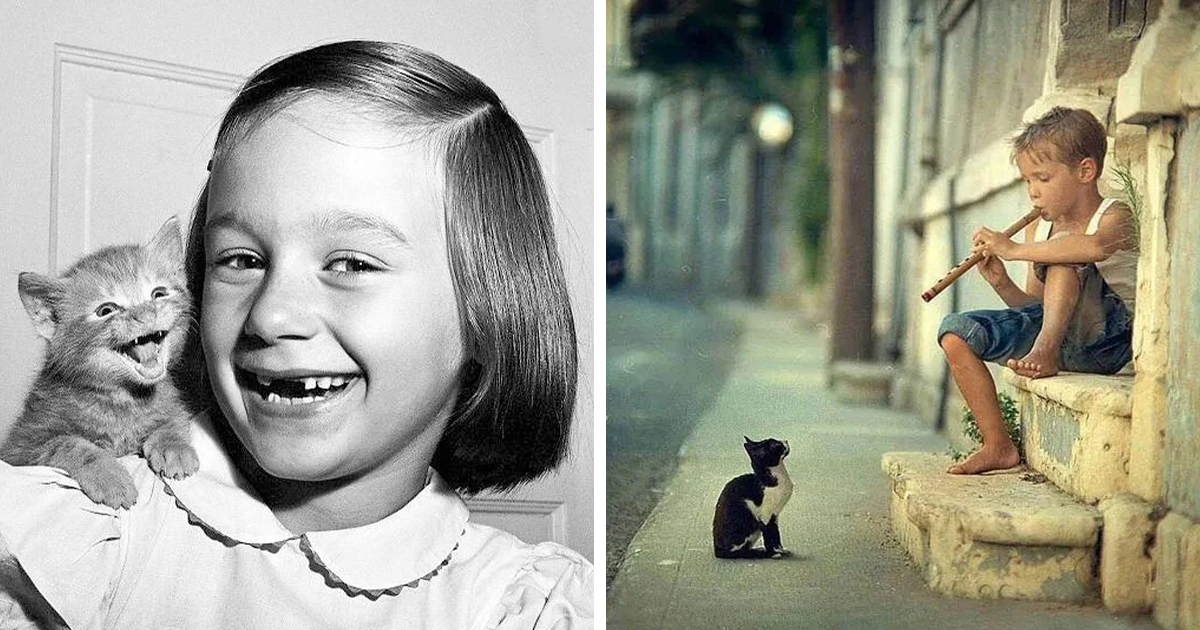
Some days, the internet feels like a raccoon got into a keyboard and started a small electrical fire. Then, just when your brain is one spreadsheet away from becoming soup, along comes a gallery of funny animal photos: a squirrel looking personally offended, a bird mid-sneeze, a fox with sitcom timing, or a frog sitting like it just paid taxes for the first time.
That is the magic of striking animal kingdom images. They are not only beautiful, strange, and technically impressive; they are tiny emotional reset buttons. A well-timed wildlife photo can make us laugh, pause, and remember that nature is not a stiff museum display. It is alive, chaotic, dramatic, awkward, and occasionally dressed in the facial expression of a disappointed middle-school principal.
This article explores what makes these animal images so entertaining, why wildlife photography matters, and how 30 new picture ideas from the animal kingdom can deliver both giggles and genuine appreciation for the creatures sharing our planet.
Why Funny Animal Photos Never Get Old
Humans love patterns, faces, and stories. When we see a lion cub grabbing a tail, an owl blinking like it forgot its own password, or a seal waving from the surf, our brains instantly create a tiny narrative. We know the animal is not actually posing for a yearbook photo called “Most Likely to Steal Your Sandwich,” but the resemblance is irresistible.
Wildlife photography succeeds when it captures a real moment that feels larger than the frame. Sometimes that moment is majestic: an eagle diving, a whale breaching, a wolf crossing snow. Other times it is gloriously ridiculous: a penguin slipping, a monkey making eye contact with maximum side-eye, or a bear cub looking like it has discovered Monday.
The funniest animal images usually work because they combine three things: timing, expression, and surprise. The animal is simply doing what animals do, but the split second chosen by the photographer turns natural behavior into visual comedy.
The Serious Skill Behind Silly Wildlife Pictures
A great funny wildlife photograph may look accidental, but the work behind it is rarely casual. Photographers often spend hours, days, or even years learning an animal’s behavior, habitat, movement patterns, and comfort distance. The silly frame is usually the reward for patience.
Consider birds. A heron shaking water from its feathers may look like a dramatic opera singer. A puffin carrying fish may look like it is late to a seafood potluck. A pelican opening its beak at the perfect angle may resemble a living grocery bag with opinions. These moments last fractions of a second, and catching them requires sharp observation, fast shutter speed, and the ability not to laugh too hard while holding expensive equipment.
Ethical wildlife photography also matters. The best images are captured without baiting, chasing, cornering, or disturbing animals. A funny photo is not funny if the animal was stressed to create it. Responsible photographers keep distance, respect nesting areas, avoid altering natural behavior, and remember that the animal’s welfare comes before the perfect shot.
30 New Pics Worth Imagining: The Animal Kingdom’s Comedy Club
Below is a playful selection of 30 striking animal-image concepts inspired by real wildlife behavior and the kind of perfectly timed moments that make viewers laugh, share, and secretly wish animals had their own talk shows.
1. The Squirrel That Regrets Everything
A squirrel freezes mid-climb with cheeks full of food and eyes wide enough to suggest it has just remembered a dentist appointment. The charm is in the expression: dramatic, tiny, and extremely snack-based.
2. The Owl With Monday Energy
An owl half-opens one eye while perched in soft morning light. It looks wise, ancient, and deeply opposed to whatever meeting has been scheduled before coffee.
3. The Seal That Waves Like a Celebrity
A seal lifts one flipper from the water as if greeting fans from a red carpet. Its round eyes and whiskers add the finishing touch: ocean superstar, no publicist required.
4. The Fox Mid-Sneeze
A red fox caught in a sneeze becomes an instant cartoon. Ears sideways, mouth open, eyes closed: nature’s reminder that elegance is temporary.
5. The Penguin Traffic Jam
A line of penguins waddles across ice while one in the middle appears to stop and reconsider its life choices. It is adorable, social, and suspiciously similar to airport boarding.
6. The Frog That Owns the Pond
A frog sits on a lily pad with its front legs spread like a tiny boss at a board meeting. You can almost hear it saying, “Bring me the mosquito report.”
7. The Bear Cub Belly Flop
A bear cub tumbles into shallow water with maximum enthusiasm and minimum grace. The splash is huge, the cub is delighted, and the viewer immediately becomes emotionally invested.
8. The Giraffe Photobomb
Two giraffes stand calmly while a third head appears from the side of the frame like a curious neighbor peeking over a fence. Long necks make the best accidental comedy.
9. The Lemur Yoga Pose
A ring-tailed lemur sits with arms open toward the sun, looking peaceful, dramatic, and perhaps a little too proud of its morning routine.
10. The Raccoon Caught Red-Pawed
A raccoon turns toward the camera with paws hovering over something it definitely should not have touched. The masked face says innocence; the situation says otherwise.
11. The Alpaca With a Hairstyle
An alpaca’s wool blows forward into a wild fringe, creating the impression of a farm animal fronting an indie rock band. Soft, stylish, and slightly judgmental.
12. The Dolphin Side-Eye
A dolphin surfaces beside the camera with a curved mouth and sideways glance. It may not be smiling in the human sense, but the image still feels like aquatic sarcasm.
13. The Meerkat Security Team
Several meerkats stand upright in perfect formation, scanning the horizon like tiny guards at a very serious desert palace.
14. The Moose With Snacks
A moose emerges from bushes with leaves tangled in its antlers. Majestic? Yes. Also decorated like it lost a fight with a salad bar.
15. The Parrot That Knows Gossip
A brightly colored parrot leans toward another bird with its beak open, creating the illusion of scandalous news being shared before lunch.
16. The Otter Belly Table
An otter floats on its back with a shell resting on its belly. It looks relaxed, practical, and better at work-life balance than most adults.
17. The Horse Laughing at Its Own Joke
A horse curls its upper lip in a flehmen response, but to human eyes it looks like a full comedy-club laugh. Science explains it; the internet captions it.
18. The Chameleon With Main Character Energy
A chameleon grips a branch, one eye facing forward and the other appearing to monitor a completely different storyline. Multitasking has never looked so suspicious.
19. The Duckling March
A row of ducklings follows their mother across grass, but one tiny rebel trails behind, distracted by absolutely everything. Relatable, fluffy, perfect.
20. The Elephant Calf Trumpet Practice
A baby elephant lifts its trunk high, ears spread, looking like it is announcing breaking news to the savanna. The confidence is enormous; the body is still learning.
21. The Catfish Mustache Portrait
A close-up of a catfish shows its whiskers in full glory. It looks less like a fish and more like a retired detective about to solve a pond mystery.
22. The Mountain Goat Standoff
A mountain goat stands on a cliff with impossible balance and a face that says, “Yes, I parked here.” Dramatic scenery meets stubborn confidence.
23. The Kangaroo Stretch
A kangaroo caught mid-stretch appears to be warming up for a fitness video. Strong legs, serious face, zero interest in your excuses.
24. The Pelican Overshare
A pelican opens its giant bill at the exact moment the camera clicks, resulting in an image that is half wildlife portrait and half “too much information.”
25. The Prairie Dog Alarm
A prairie dog pops from its burrow with mouth open, looking like it has just seen the price of concert tickets. It is a tiny scream with fur.
26. The Gorilla High-Five Moment
A young gorilla lifts one hand toward another, creating a gesture that feels instantly human. It is playful, powerful, and a reminder of how expressive primates can be.
27. The Turtle in No Hurry
A turtle crosses a path with the calm authority of someone who left early and still refuses to rush. The comedy lies in the confidence.
28. The Peacock Overdoing It
A peacock spreads its tail in full display while another bird looks away. Romance, apparently, is not always impressed by premium feathers.
29. The Goat on the Wrong Object
A goat stands on a bucket, bench, rock, or anything not designed for goats. This is less a photo and more a legal question for farm equipment.
30. The Dog-Sized Bird Attitude
A large bird, such as an emu or cassowary, stares directly into the lens with prehistoric confidence. It is beautiful, alarming, and clearly knows dinosaurs had a point.
Why We See Ourselves in Animal Expressions
Part of the fun comes from anthropomorphism: our habit of assigning human thoughts or emotions to animals. A sleepy owl looks grumpy. A surprised marmot looks scandalized. A frog looks smug. In reality, animal expressions and behaviors have biological functions. They may communicate stress, curiosity, play, dominance, fear, comfort, or social interest.
Still, the human interpretation is not worthless. It creates empathy. When a viewer laughs at a bear cub slipping or a monkey looking embarrassed, they feel a connection. That connection can lead to curiosity, and curiosity can lead to care. Humor opens the door before education walks in carrying a clipboard.
Entertainment With a Conservation Bonus
Funny wildlife photography has become popular because it offers joy without ignoring reality. Many species face habitat loss, climate pressure, pollution, illegal wildlife trade, and human conflict. A silly image of a squirrel or penguin does not solve those problems, but it can make people stop scrolling long enough to care.
That is why galleries of animal kingdom images work so well online. They are accessible. You do not need a biology degree to enjoy a fox looking confused. But once the laugh lands, readers may become more open to learning about the animal’s habitat, diet, behavior, and conservation challenges.
How to Enjoy Animal Photos Responsibly
When viewing or sharing animal photos, it helps to think beyond the joke. Was the animal wild or captive? Was the photo taken ethically? Does the caption mislead people about the species? Does the image encourage unsafe behavior, such as getting too close to wildlife?
Responsible enjoyment means celebrating the moment while respecting the animal. Admire the bear cub, but do not approach bears. Laugh at the raccoon, but do not feed raccoons. Share the owl, but avoid revealing sensitive nest locations. The goal is simple: let animals stay wild, even when they accidentally become internet comedians.
Photography Tips for Capturing Your Own Funny Animal Moments
Be Patient, Not Pushy
The best animal photos happen when wildlife behaves naturally. Settle in, stay quiet, and wait. If the animal changes behavior because of you, you are too close.
Learn the Species
Knowing when birds feed, when squirrels are active, or how deer react to movement improves your odds. Research turns lucky shots into repeatable success.
Use Fast Shutter Speeds
Funny moments are often quick: a shake, jump, blink, yawn, splash, or wing flap. A fast shutter speed helps freeze the expression before it disappears.
Watch the Background
A clean background makes the animal’s expression stand out. A cluttered background can turn a great moment into visual soup.
Do Not Fake the Wild
If an image is taken at a zoo, sanctuary, or rescue center, be honest. Captive animal photography can still be valuable and beautiful, but transparency builds trust.
of Experience: What These Animal Images Teach Us
Spending time with funny and striking animal images feels like taking a tiny field trip without needing hiking boots, bug spray, or the courage to ask whether that rustling sound was “probably nothing.” The more you look at these photos, the more you notice that animals are not background decoration for human life. They are busy being themselves: hunting, resting, courting, arguing, parenting, exploring, failing, trying again, and occasionally looking like they just read the group chat.
One of the best experiences connected to animal photography is the sudden shift from laughter to attention. At first, you laugh because a penguin looks like it slipped on invisible soap. Then you notice the texture of the ice, the shape of its wings, the way the group moves together. A joke becomes a lesson. A giggle becomes observation.
That is what makes animal kingdom images so powerful for web readers. They are light enough to enjoy during a coffee break, but rich enough to leave behind a little wonder. A child may laugh at a frog sitting like a king, then ask what frogs eat. An adult may share a squirrel photo because it is funny, then learn that squirrels play an important role in forest ecosystems by burying seeds. A casual viewer may click for entertainment and leave with a deeper respect for patience, habitat, and biodiversity.
There is also something comforting about animal awkwardness. Humans spend a lot of energy trying to appear polished. Animals, by contrast, are wonderfully unbothered. A bear cub falls down. A bird lands badly. A goat climbs something foolish. A monkey makes a face that would ruin any professional headshot. Yet none of it feels like failure. It feels alive.
For photographers, these moments teach humility. You can buy the sharpest lens, study every manual, and pack your bag like a wilderness astronaut, but the animal kingdom still controls the schedule. The fox sneezes when it wants. The owl blinks when it wants. The raccoon commits suspicious trash-related activities on its own timeline. The photographer’s job is to be ready, respectful, and grateful when nature offers a punchline.
For readers, the experience is simpler but just as meaningful. Looking at funny wildlife photos reminds us that joy does not always need to be complicated. Sometimes it is a squirrel with messy fur. Sometimes it is an otter floating like a tiny vacation expert. Sometimes it is a giraffe photobombing another giraffe with the confidence of someone who knows the camera loves them.
In a fast, noisy online world, these images give people permission to pause. They entertain us, but they also soften us. They make the wild feel closer without making it less wild. And if a single funny animal photo inspires someone to protect a habitat, respect a trail rule, support a conservation group, or simply look more carefully at the birds outside the window, then the giggle has done something surprisingly important.
Conclusion
A selection of the most striking images of the animal kingdom is more than a quick laugh gallery. It is a celebration of timing, personality, patience, and the endless weirdness of life on Earth. From dramatic owls and overconfident frogs to tumbling bear cubs and gossiping parrots, funny animal photos remind us that nature is not only grand and beautiful. It is also playful, expressive, and occasionally funnier than anything humans could script.
The next time an animal photo makes you giggle, take one extra second to appreciate the real creature behind the caption. That laugh may be small, but the connection it creates is powerful.
Note: This original, publication-ready article is based on synthesized information from reputable wildlife photography, animal behavior, zoo, conservation, and nature education resources; no source links or contentReference markers are included.












