
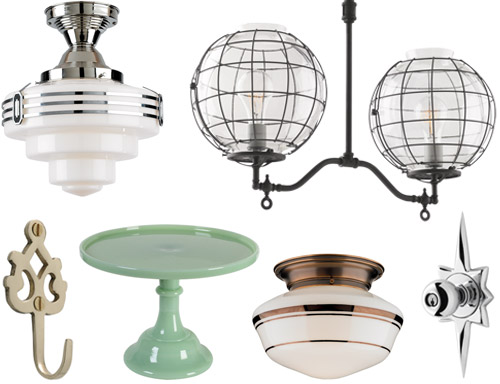
Fab Freebie: Made In Portland is more than a catchy giveaway headline. It is a tiny doorway into a city where lighting, furniture, art prints, ceramics, textiles, hardware, food gifts, and handmade oddities all seem to carry the same message: someone thoughtful made this, and they probably had excellent coffee nearby.
Portland, Oregon has long been associated with independent makers, vintage revival, practical design, small-batch production, and a special talent for turning “old but wonderful” into “new and somehow even cooler.” A Portland-made freebie, especially one inspired by home design, is not just about winning a prize. It is about discovering the story behind the object, the workshop behind the finish, and the local culture behind the brand.
What “Made In Portland” Really Means
When people hear “Made in Portland,” they often picture bearded woodworkers, ceramic mugs, clever screen prints, bicycles, rain jackets, and lighting fixtures that look like they were rescued from a 1920s hotel lobby and then politely upgraded for modern life. That stereotype is not entirely wrong, but it is far too small.
Portland’s maker identity blends craft, sustainability, neighborhood pride, and a healthy suspicion of disposable stuff. Local shoppers tend to appreciate products that feel personal, useful, and built to age well. A lamp should not just glow; it should bring character to a room. A cabinet pull should not just open a drawer; it should make the drawer feel like it has finally found its purpose in life.
This is why the phrase Fab Freebie: Made In Portland works so well for a design-focused article or giveaway. It promises something stylish, local, and a little unexpected. It also taps into the pleasure of finding a piece that does not look like it came from the same warehouse as everyone else’s Tuesday-night impulse purchase.
The Rejuvenation Connection: Portland’s Love Letter to Old Houses
A major reason the “Made In Portland” idea feels so at home in the design world is the city’s relationship with architectural salvage and restoration. Rejuvenation, a Portland-born lighting and hardware brand, began as an architectural salvage, lighting, and hardware restoration shop before becoming known for classic fixtures, period-inspired designs, cabinet hardware, furniture, textiles, outdoor products, and vintage finds.
That history matters because Portland interiors often celebrate layers. A room might have a modern sofa, a century-old built-in, a locally thrown ceramic vase, a handwoven textile, and a pendant light that looks like it has a dramatic backstory. In Portland, mixing eras is not a design mistake. It is practically a civic sport.
Why Lighting Makes a Perfect Portland Freebie
Lighting is one of the best categories for a Portland-style giveaway because it changes a room instantly. A pendant over a kitchen sink, a brass sconce in a hallway, or a milk-glass ceiling fixture in a breakfast nook can shift the entire mood of a home. Paint is dramatic, yes, but lighting is the friend who walks in wearing one great jacket and suddenly everyone else feels underdressed.
A $500 home design prize, for example, could become a statement pendant, a pair of sconces, a collection of cabinet hardware, or a few smaller finishing touches that make a room feel less builder-basic and more “I have taste, and my drawer pulls know it.”
Portland’s Maker Ecosystem: More Than One Beautiful Store
The appeal of Portland-made goods is not limited to one brand. The city has a broad maker ecosystem made up of local shops, workshops, markets, design studios, furniture builders, artists, and creative entrepreneurs. Portland Made celebrates local goods and entrepreneurial makers. MadeHere showcases products designed and handcrafted in Portland and the Pacific Northwest. Crafty Wonderland features work from hundreds of local artists. Portland Saturday Market gives small businesses a public stage for handmade arts, crafts, and foods.
That variety gives “Made In Portland” real SEO depth. The topic can naturally connect with keywords such as Portland-made gifts, local Portland makers, handmade home decor, artisan lighting, architectural salvage, Pacific Northwest design, and small-batch home goods. Those related terms are useful because they reflect how people actually search when they want meaningful products, gift ideas, or home inspiration.
Markets Make the City Feel Touchable
Online shopping is convenient, but Portland’s markets make the maker scene feel alive. At a good local market, you can see the brushstrokes, smell the soap, pick up the mug, ask who made the print, and learn whether the wooden spoon was shaped by hand or by a tiny forest wizard. Usually it is a person, but in Portland you never fully rule out the wizard.
These marketplaces are important because they turn products into conversations. Buyers do not just leave with a tote bag, candle, print, or jar of something delicious. They leave with a small story. That story is the real luxury.
How to Choose a Portland-Made Prize That Feels Truly “Fab”
A great freebie should feel generous, useful, and memorable. The best Portland-inspired giveaway prizes are not random leftovers from a storage closet. They are carefully chosen objects that show off craftsmanship and help the winner imagine a better version of their space.
1. Pick Something With Everyday Impact
Lighting, cabinet hardware, entryway hooks, mirrors, planters, and textiles are smart choices because people interact with them daily. A beautiful pendant light is not hidden away for special occasions. It becomes part of breakfast, homework, late-night snacks, and the weekly mystery of why everyone stands in the kitchen even when there is a perfectly good living room.
2. Favor Timeless Materials
Portland design often leans into materials that age gracefully: brass, bronze, walnut, oak, ceramic, linen, glass, steel, and leather. These materials do not need to scream for attention. They get better through use, like a cast-iron skillet or a favorite denim jacket.
3. Include a Local Story
If the prize comes from a Portland maker, include a short note about the craft process, the neighborhood, the inspiration, or the material. People love free things, but they remember free things with a story. A plain prize says, “Here is a thing.” A story-driven prize says, “Here is a thing with a soul, and yes, it looks great on your shelf.”
4. Make the Prize Flexible
Gift cards, store credits, and curated bundles work well because home style is personal. One person wants a schoolhouse-style flush mount. Another wants black cabinet knobs. A third wants a vintage textile and will defend that choice with the intensity of a courtroom attorney. Flexibility lets the winner choose something they will actually use.
Why Portland-Made Design Feels So Searchable
From an SEO perspective, “Fab Freebie: Made In Portland” has strong potential because it combines three reader-friendly ideas: free stuff, local identity, and design inspiration. Each one has its own audience. Together, they create a topic that can attract DIY readers, home decorators, gift shoppers, local travel fans, and people searching for Pacific Northwest style.
The best way to optimize an article like this is to use natural keyword clusters instead of repeating the same phrase like a malfunctioning robot with a clipboard. The main keyword can appear in the title, introduction, one or two subheadings, and conclusion. Related phrases should appear where they make sense: Portland makers, handmade goods, local design, architectural salvage, artisan lighting, Portland home decor, and Pacific Northwest craftsmanship.
Search engines reward helpful structure. Readers reward paragraphs that do not feel like furniture assembly instructions written during a thunderstorm. Use clear headings, short sections, specific examples, and practical takeaways. That makes the article easier to scan and more enjoyable to read.
Portland Style at Home: Small Changes With Big Personality
You do not need to remodel an entire house to bring Portland-made energy into a room. Start with one visible detail. Swap generic cabinet knobs for solid metal pulls. Replace a tired hallway light with a simple globe fixture. Add a handmade ceramic bowl to an entry table. Hang a local art print near the breakfast nook. Choose a wooden stool that looks sturdy enough to survive both guests and questionable dance moves.
The trick is to mix function with character. Portland style works best when a room feels collected, not staged. It should look like the homeowner has lived, noticed, chosen, and occasionally wandered into a market “just to browse” before leaving with three prints, a candle, and a tote bag featuring a raccoon in sunglasses.
Kitchen
In the kitchen, focus on lighting, cabinet hardware, cutting boards, pottery, and textiles. A Portland-made pendant over an island or sink can become the room’s anchor. Brass or oil-rubbed bronze pulls can warm up white cabinets. A hand-thrown utensil crock adds texture without demanding applause.
Living Room
In a living room, use local art, handcrafted side tables, wool throws, sculptural lamps, or vintage-inspired hardware on built-ins. The goal is comfort with intention. Nothing should feel too perfect. A little imperfection keeps the room human.
Entryway
The entryway is a perfect place for a Portland-made upgrade because guests notice it first. Wall hooks, a bench, a mirror, a small lamp, or a tray for keys can make the space feel thoughtful. Bonus points if the tray prevents the daily household ritual known as “Who Took My Keys?”
Hosting a “Made In Portland” Giveaway: Smart Tips for Bloggers and Brands
If you are publishing a giveaway-style post, clarity is just as important as charm. Readers should know what the prize is, who can enter, when entries close, how the winner will be chosen, and whether there are any location restrictions. A beautiful prize can lose its sparkle if the rules are foggy.
For bloggers, a Portland-made freebie works best when the post includes more than a prize announcement. Add context. Explain why the maker matters. Show how the item could be used in a real home. Offer styling ideas. Mention materials, finishes, size considerations, and the type of space where the product shines.
For brands, the giveaway should introduce new readers to the maker’s values. Is the product handcrafted? Is it made from responsibly sourced wood? Is it inspired by historic architecture? Is the company supporting local entrepreneurs or preserving a traditional craft? Those details transform a promotion into content worth sharing.
Experience Notes: What “Fab Freebie: Made In Portland” Feels Like in Real Life
The best way to understand a Portland-made freebie is to imagine spending a slow afternoon moving through the city’s creative spaces. You start with coffee because this is Portland and skipping coffee would be rude to the local ecosystem. Then you wander into a shop filled with locally made goods: shelves of candles, rows of art prints, tiny ceramic dishes, leather goods, greeting cards, clever socks, jars of jam, and enough beautifully designed objects to make your wallet quietly pretend it has a prior commitment.
What stands out first is not just the quantity of handmade goods. It is the personality. The pieces often have a wink to them. A print might be elegant but funny. A mug might be simple but slightly asymmetrical in a way that makes it feel friendly. A lamp might have classic bones but a finish that feels fresh. Portland-made design rarely feels sterile. It tends to have a pulse.
Then there is the experience of talking to makers. At a market, the person behind the table may be the same person who designed, cut, stitched, fired, poured, printed, welded, or packaged the item. That changes the transaction. You are not just buying a thing; you are meeting the reason the thing exists. Even when you are only browsing, you begin to understand why local products cost more than mass-produced versions. You are paying for time, skill, risk, rent, materials, experiments that failed, and the one version that finally worked.
A Portland-made home design prize carries that same feeling. If you win a store credit or product bundle, the fun is partly in the choosing. Do you go practical with cabinet hardware? Dramatic with a pendant light? Cozy with textiles? Sentimental with a vintage-inspired fixture that makes your new house feel older in the best possible way? The decision becomes a mini design adventure.
The most satisfying Portland-inspired pieces are the ones that keep revealing themselves. A brass pull develops a softer glow after months of use. A ceramic dish becomes the spot where rings land every night. A lamp turns a dark corner into a reading nook. A handmade print becomes part of the room’s background music. These objects are not loud, but they are loyal.
That is the charm behind Fab Freebie: Made In Portland. The “freebie” catches attention, but the “Made In Portland” part gives it depth. It suggests the prize is not disposable. It hints at craftsmanship, local pride, and a city that still believes objects should have character. In a world full of fast everything, that feels refreshingly slow, sturdy, and worth celebrating.
Conclusion: A Freebie With a Sense of Place
Fab Freebie: Made In Portland is a strong topic because it combines the excitement of a giveaway with the lasting appeal of thoughtful design. Portland’s maker culture gives the phrase real weight. It points to independent shops, local markets, restored materials, handcrafted goods, vintage-inspired lighting, and home details that feel personal instead of predictable.
Whether the prize is a Rejuvenation-style lighting upgrade, a locally made home accessory, a market bundle, or a flexible gift card, the best Portland-made freebie should do more than delight the winner. It should introduce readers to the value of craftsmanship and remind them that a home becomes more interesting when it contains objects with stories.
In other words, the perfect Portland freebie is not just fabulous because it is free. It is fabulous because it feels made, chosen, and loved. That is very Portland. And yes, it probably looks great next to a good cup of coffee.












