
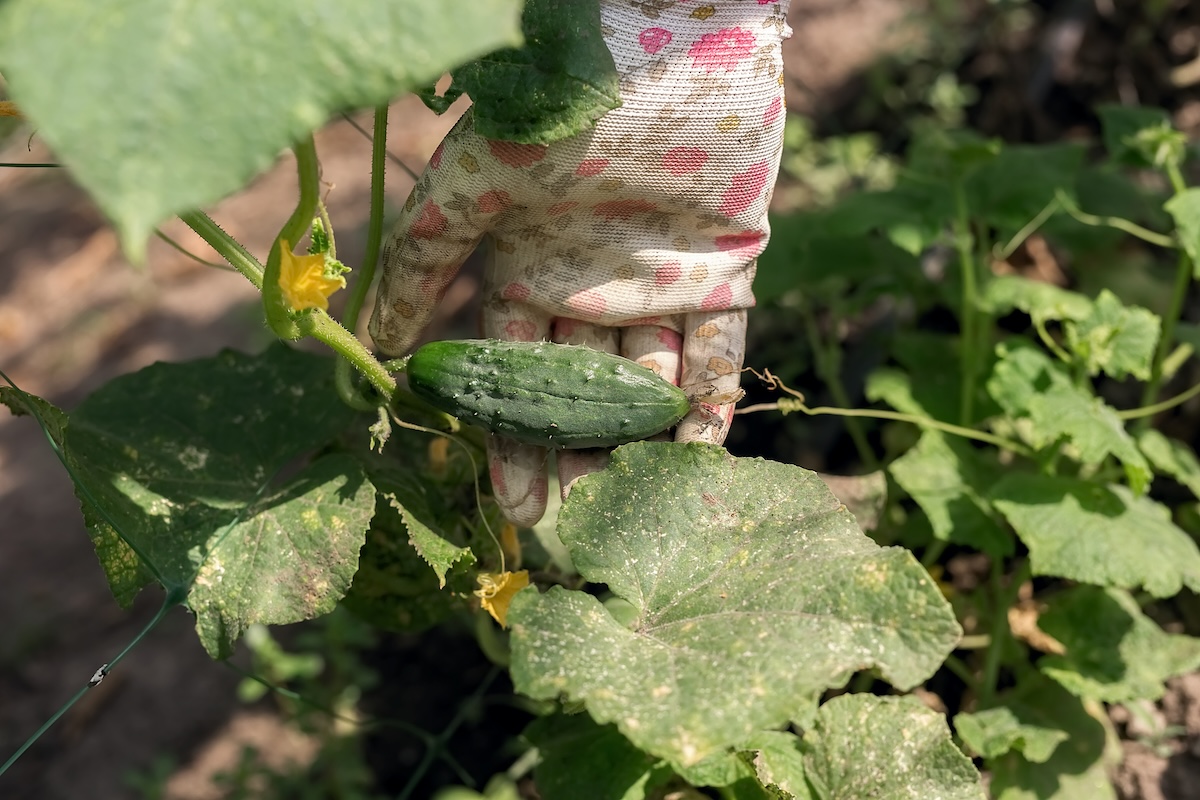
I used to think crop rotation was one of those “nice in theory, optional in practice” gardening rules, right up there with labeling seed trays and pretending I would definitely remember what I planted where. Then my cucumber patch staged a full-scale protest.
One year, my plants looked decent. The next year, I tucked cucumbers right back into the same bed, feeling smug because the soil looked dark, rich, and ready for another round. By midsummer, the leaves were spotted, the vines looked moody, cucumber beetles had apparently reserved VIP seating, and a few plants wilted like they had just read the electric bill. That was the season I learned a hard truth: ignoring crop rotation for cucumbers is a great way to invite pests, diseases, and disappointment to dinner.
If you grow cucumbers at home, this lesson matters. These plants can be wonderfully productive, but they are also drama magnets. Repeat the same crop in the same space year after year, and you create a comfortable little neighborhood for problems that already know the address. The good news is that a smarter rotation plan can help you protect your patch, reduce disease pressure, and get back to harvesting crisp, straight cucumbers instead of gardening regrets.
What Crop Rotation Actually Means for Cucumbers
Crop rotation means moving crops to a different area of the garden each year so plants from the same family are not growing in the same place again and again. For cucumbers, that means rotating the entire cucurbit family, not just the cucumber variety itself. If you plant cucumbers in one bed this year, you should avoid putting cucumbers, melons, squash, pumpkins, or gourds in that same bed next season.
This is where many gardeners accidentally sabotage themselves. They proudly announce, “Don’t worry, I rotated from cucumbers to zucchini.” That is not rotation. That is just a costume change within the same family.
Because cucurbits share many of the same pests and diseases, the best rotation plan is based on plant families. In a home garden, a three-year rotation is often a practical goal. If you have limited space, even a two-year break is better than none. If disease pressure has been severe, a longer break can be even smarter.
Why Replanting Cucumbers in the Same Spot Backfires
Pests Start Treating Your Bed Like a Favorite Restaurant
When cucumbers or other cucurbits return to the same space every year, insect pests do not have to work very hard. They already know where the buffet opens. Cucumber beetles are a classic example. These pests damage young plants directly by feeding on leaves, stems, and blossoms, and they are especially dangerous early in the season when seedlings are small and vulnerable.
Even worse, cucumber beetles can spread bacterial wilt, a disease that can cause cucumber vines to collapse and die. Once bacterial wilt is established in a plant, there is no magic spray that turns the situation around. That is why prevention matters so much. Rotation helps reduce recurring pressure, especially when combined with sanitation and early monitoring.
Diseases Build Up Quietly, Then Show Off
Repeated planting of cucurbits in the same bed can allow soilborne and residue-borne diseases to build over time. Some pathogens survive in plant debris, some linger in soil, and some benefit from the simple fact that their favorite host keeps showing up every year like a loyal customer. The result can be leaf spots, fruit rot, crown issues, weak vines, or plants that simply never look vigorous.
Not every cucumber problem is caused by rotation, of course. Some diseases blow in on the wind. Some are weather driven. Some arrive because the universe enjoys humbling gardeners. But poor rotation can absolutely stack the odds against you by increasing the amount of trouble already waiting in the bed.
The Soil Gets Tired Too
Cucumbers are not delicate little flowers, but they are also not low-maintenance saints. They like warm, fertile, well-drained soil and a consistent supply of moisture. Growing the same crop family in the same spot year after year can contribute to lopsided nutrient demand and poorer soil balance over time. Crop rotation is not just about disease control; it also helps distribute nutrient use more evenly across the garden.
The Signs My Cucumber Patch Was Headed for Disaster
Looking back, my patch did not fail all at once. It sent warnings first. I just ignored them with the confidence of someone who had clearly not yet been humbled enough.
- Weak early growth: Seedlings emerged, but they did not take off with that happy, fast summer energy cucumbers usually have.
- Beetle pressure: I noticed cucumber beetles early and shrugged, which was a terrible management plan.
- Leaf spotting and yellowing: The foliage began to look tired, blotchy, and increasingly offended by life.
- Wilting vines: A few plants drooped even when the soil was not dry, which is never a charming sign.
- Reduced harvest: The plants still produced some fruit, but the overall yield was disappointing and uneven.
That combination is what makes repeated cucumber planting so deceptive. You may still harvest enough to lull yourself into thinking the bed is “fine,” while the patch quietly turns into a training center for next year’s pests and pathogens.
How Crop Rotation Helps Save a Cucumber Bed
It Breaks the Pest-and-Disease Cycle
The main benefit of crop rotation in vegetable gardens is simple: it interrupts the life cycle of problems that prefer a certain host. If cucumbers are not available in that bed next year, pests and pathogens that depend on cucurbits lose their easy target. Rotation is not perfect, but it lowers the pressure and gives your garden a chance to reset.
It Encourages Better Garden Planning
Rotation forces you to think like a strategist instead of a seed-packet optimist. You map beds, track families, and start noticing patterns. That awareness helps you avoid repeating mistakes and makes it easier to remember which area had beetles, mildew, or drainage problems last season.
It Works Best with Other Good Habits
Rotation shines brightest when paired with other smart practices. For cucumbers, that means:
- Choosing a sunny site with well-drained soil
- Using disease-resistant varieties when available
- Keeping weeds and crop debris under control
- Watering the soil instead of constantly wetting leaves
- Spacing plants for airflow
- Using row covers early in the season, then removing them at flowering for pollination
- Scouting often for cucumber beetles and removing badly infected plants promptly
In other words, crop rotation is the star of the show, but it still needs a supporting cast.
What to Plant After Cucumbers Instead
If cucumbers were in a bed this season, the next crop should come from a different family. Good follow-up choices can include:
- Legumes: beans or peas
- Brassicas: cabbage, broccoli, kale, or radishes
- Alliums: onions, garlic, or leeks
- Roots and greens: carrots, beets, lettuce, or spinach
- Cover crops: depending on the season, a cover crop can help improve soil structure and support a healthier rotation plan
What should not follow cucumbers? Other cucurbits. That includes squash, zucchini, melons, pumpkins, and gourds. They may look different above ground, but underground and in the pest world, they are all close cousins who share too many problems.
How I Rebuilt My Cucumber Patch After the Mess
Once I accepted that my beloved cucumber bed needed a break, I made a few changes that actually worked.
1. I Moved the Entire Cucurbit Crew
I did not just move cucumbers. I moved all cucurbits out of that bed. That one decision probably saved me from repeating the same disaster with a different plant label.
2. I Cleaned Up Like I Meant It
At the end of the season, I removed diseased vines, fallen leaves, and leftover plant debris. This is not glamorous work, but it is powerful. A tidy bed gives fewer pathogens and pests a place to hang around and start trouble next year.
3. I Paid Attention to Drainage
Cucumbers want moisture, but they do not want swamp conditions. I improved the bed with organic matter, avoided crowding, and made sure the new planting area drained well. A healthy site does not make plants invincible, but it does make them better equipped to handle stress.
4. I Used Early Protection
The following season, I used a lightweight row cover early to protect young plants from beetle pressure. Once flowers opened, I removed the cover so pollinators could do their thing. This gave the plants a stronger start, which is especially important because young cucumbers are the easiest targets.
5. I Started Keeping Records
I finally became the kind of gardener who makes a map. I did not become emotionally attached to the spreadsheet, but I did stop planting things based on vibes alone. Progress.
Common Crop Rotation Mistakes Gardeners Make with Cucumbers
- Rotating by vegetable name instead of family: cucumbers to melons is not a real break.
- Assuming one healthy year proves the bed is fine: buildup often happens over time.
- Ignoring sanitation: rotation helps, but leaving diseased debris behind can undo part of the benefit.
- Trying to fix everything with fertilizer: extra feeding will not solve beetle pressure or bacterial wilt.
- Forgetting weeds and volunteers: stray cucurbit seedlings and weedy hosts can keep problems circulating.
- Expecting rotation to do everything: you still need airflow, scouting, resistant varieties, and smart watering.
My Best Advice if Your Cucumber Patch Looks Rough
If your cucumber bed is underperforming, do not panic and do not immediately blame yourself, the moon, or the seed catalog. Start with a calm review.
Ask whether you planted cucumbers or other cucurbits there recently. Look for beetle feeding, wilt, leaf spotting, or poor vigor. Check whether the site is crowded, shady, or slow to drain after watering. Then make a plan that goes beyond this week’s symptoms and addresses next year’s layout too.
The most effective gardens are not the ones where nothing ever goes wrong. They are the ones where the gardener notices patterns, adjusts, and stops giving repeat problems a permanent parking spot.
Extra Experience: The Season I Learned Crop Rotation the Hard Way
The year my cucumber patch nearly crashed started with a ridiculous amount of confidence. I had gotten a decent harvest the summer before, so naturally I decided the same bed had earned another round. Why move anything? The trellis was already there. The soil looked good. I even told myself I was being “efficient,” which is a charming word gardeners use right before making a preventable mistake.
At first, everything seemed normal. Seeds sprouted, the vines started climbing, and I pictured jars of pickles lining the kitchen counter like a victory parade. Then the patch got weird. The seedlings were slower than usual. Some leaves showed chew marks almost immediately. I spotted a few cucumber beetles and brushed off the concern because there were only a handful. That was my second mistake. My first mistake, obviously, was the entire bed placement situation.
By early summer, the patch looked uneven. A few plants still grew well enough to keep my optimism alive, but others seemed stalled. Then the yellowing started. Some leaves developed spots, others looked ragged, and one vine wilted so dramatically it looked like it had received devastating personal news. I watered, because that is what gardeners do when they are confused. Then I watered a little more, which did not help and may have made me feel useful more than it helped the cucumbers.
What really made the lesson stick was the pattern. The problems were not random. They kept centering around the same bed, the same family of plants, the same old decision. I had unknowingly created a comfortable setup for recurring trouble. Pests did not have to search. Disease pressure did not have to start from zero. The cucumbers were walking into a fight on tired ground.
Once I finally accepted that the patch needed a break, my whole approach changed. I cleaned up every sad, suspicious vine at season’s end. I moved the next cucumber planting to a sunnier, better-drained bed. I tracked where the cucurbits went. I used row cover early. I watched for beetles like a gardener with trust issues. And the difference was obvious. The next crop looked stronger from the start, produced more evenly, and caused far fewer midseason theatrics.
That experience turned crop rotation from a vague gardening suggestion into a rule I actually respect. Not because it sounds technical, but because I saw what happens when I ignore it. Cucumbers are productive, delicious, and absolutely worth growing, but they are not forgiving when you keep sending them into the same problem bed. Now, when I plan the garden, I rotate first and congratulate myself later.
Conclusion
Ignoring crop rotation nearly ruined my cucumber patch because it gave pests, disease pressure, and tired growing conditions a head start. The fix was not complicated, but it did require discipline: rotate by plant family, give cucurbits a real break, clean up debris, improve drainage, protect young plants, and stop pretending zucchini is somehow unrelated to cucumbers. It is not.
If you want healthier vines, fewer headaches, and a better harvest, cucumber crop rotation is one of the smartest habits you can build into your garden plan. It may not be flashy, but neither is harvesting armfuls of crisp cucumbers without a midseason meltdown. And honestly, I will take the cucumbers.












