
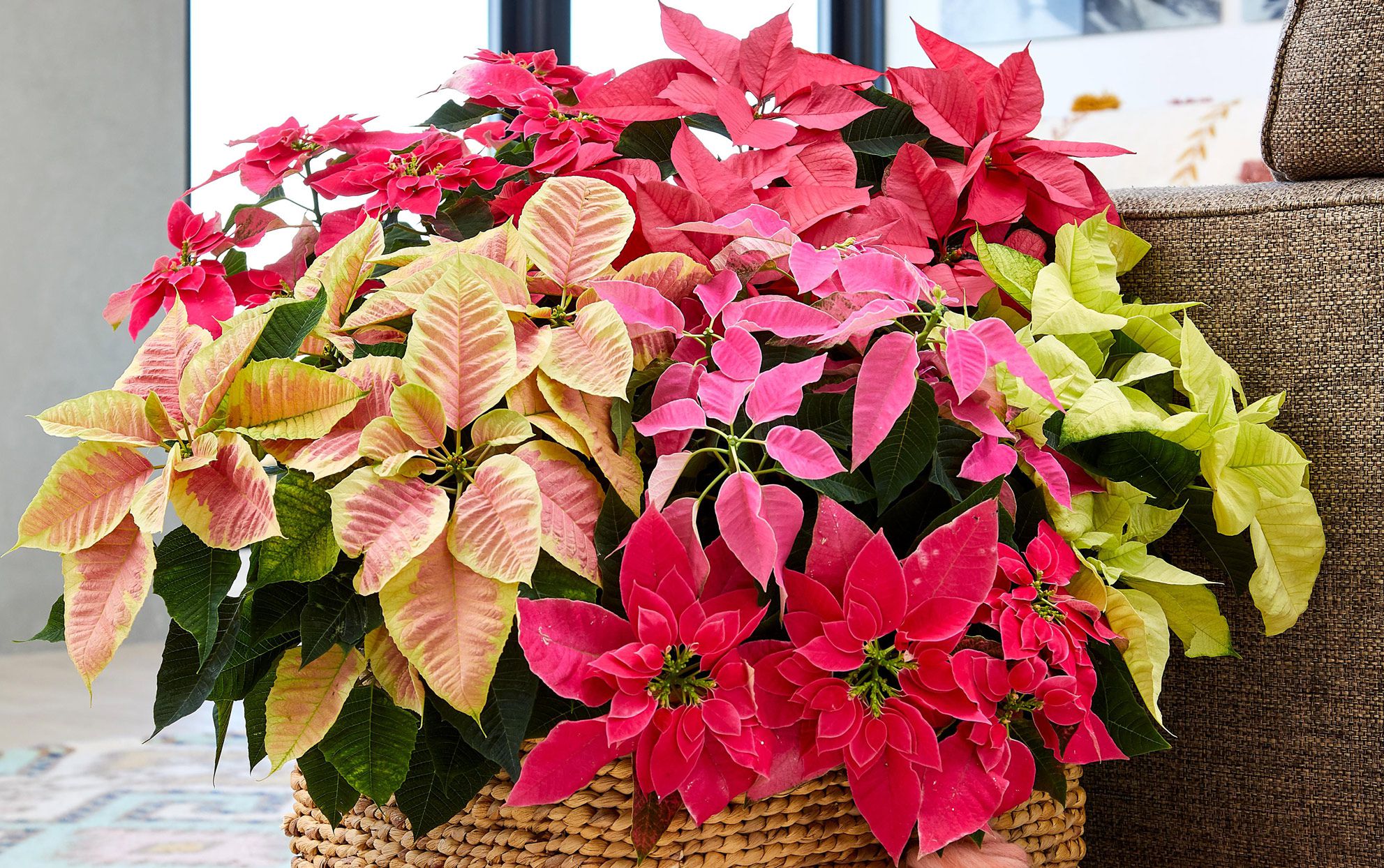
Poinsettias have a dramatic reputation. One minute they are the glowing red, pink, cream, or speckled stars of your holiday table. The next, they are dropping leaves like they just heard bad news. The good news? Poinsettias are not impossible to keep alive. They are not “fussy” so much as they are very clear about what they dislike: soggy roots, dry spells, cold drafts, and being trapped in shiny decorative foil full of mystery puddles.
If you want your poinsettias to last beyond the holiday party and keep their colorful bracts looking fresh, watering is the biggest care habit to get right. Not fertilizer. Not pep talks. Not moving the plant from window to window like it is on a spa tour. Watering is the quiet hero.
This guide breaks down eight simple watering tricks to make your poinsettias last longer, stay fuller, and avoid the dreaded yellow-leaf confetti situation. These tips are easy enough for beginners but practical enough for anyone who has accidentally loved a houseplant to death with too much water. Let’s keep that poinsettia looking festive instead of funeral-ready.
Why Watering Matters So Much for Poinsettias
Poinsettias are tropical plants, and the colorful parts most people call flowers are actually modified leaves called bracts. Their true flowers are the small yellow structures in the center. Because poinsettias are grown in greenhouses under carefully managed light, temperature, and moisture conditions, they arrive at your home looking almost too perfect. Then they meet real life: dry indoor heat, cold windows, busy schedules, and decorative containers with no drainage.
The plant’s root system needs oxygen as much as it needs water. When soil stays soggy, air spaces in the potting mix fill with water. Roots cannot breathe well, and root rot can follow. On the other hand, if the plant dries out too much, the leaves and bracts wilt, curl, yellow, or drop early. The sweet spot is simple: evenly moist soil, never bone-dry and never swampy.
Think of poinsettia watering like making a good cup of coffee. Too little water and nothing works. Too much water and everything is weak, messy, and mildly disappointing. The goal is balance.
8 Simple Watering Tricks to Make Your Poinsettias Last
1. Check the Soil Before You Water
The most important poinsettia watering trick is also the least glamorous: touch the soil. Do not water on autopilot. Do not water because it is Tuesday. Do not water because the plant “looks like it might be thirsty” while you are holding a watering can and feeling generous.
Press your finger into the top inch of the potting mix. If the surface feels dry to the touch, it is usually time to water. If it still feels damp, wait. Some homes are warm and dry, so the soil may dry quickly. Other homes are cooler or more humid, so the plant may need water less often. The calendar is not in charge; the soil is.
You can also lift the pot. A dry pot feels noticeably lighter than a freshly watered one. This trick is especially helpful once you get used to the plant’s normal weight. It may sound like plant-parent wizardry, but after a few checks, you will be able to tell when the pot feels light and ready for a drink.
For best results, check the soil daily during the first week after bringing the plant home. This helps you learn how fast it dries in your specific room. A poinsettia near a heater, fireplace, or sunny window may dry faster than one in a cooler, brighter-but-indirect location.
2. Remove Decorative Foil Before Watering
That shiny red, gold, green, or silver foil wrap looks festive. It also has a sneaky habit of turning into a tiny indoor pond. Many poinsettias are sold in decorative sleeves or pot covers that trap excess water. If water collects at the bottom, the roots may sit in it for hours or days. Poinsettias do not like “wet feet.” Honestly, who does?
Before watering, take the nursery pot out of the decorative cover. Place it in the sink, water it thoroughly, and let it drain completely before returning it to the foil or outer container. This one habit can prevent many common poinsettia problems, including yellow leaves, wilted growth, root rot, and early bract drop.
If you absolutely must keep the foil on for display, punch drainage holes in the bottom and place the plant on a saucer. Then empty the saucer after watering. But the cleaner method is to remove the plant, water and drain it properly, then put it back in its decorative outfit. Think of it as letting the poinsettia change out of holiday formalwear for a quick shower.
3. Water Thoroughly, Not Teaspoon by Teaspoon
One common mistake is giving poinsettias tiny sips of water. A little splash on top may wet the surface but leave the root ball dry in the middle. This can trick you into thinking you watered well when the roots are still thirsty.
When the soil is dry enough to water, water thoroughly until liquid runs out of the drainage holes at the bottom of the pot. This ensures the entire root zone receives moisture, not just the top layer. Let the pot drain in the sink or over a tray until water stops dripping.
Thorough watering also helps prevent dry pockets in the potting mix. If the soil gets extremely dry, it may shrink away from the sides of the pot, causing water to run down the edges without soaking in. In that case, water slowly and give the pot a few extra minutes to absorb moisture. You may need to water once, wait briefly, then water again so the root ball fully rehydrates.
The goal is not “a lot of water all the time.” The goal is a complete watering only when the plant actually needs it. That difference matters.
4. Never Let the Pot Sit in Standing Water
After watering, always empty the saucer, cachepot, or decorative cover. Standing water is one of the fastest ways to shorten the life of a poinsettia. Even if the top of the soil looks fine, the roots at the bottom may be suffocating in soggy conditions.
A good routine is simple: water in the sink, wait until drainage slows, then return the plant to its display spot. If you water in place, check the saucer after 15 to 30 minutes and dump out any extra water. Do not assume the plant will “drink it later.” Poinsettia roots are not sitting around with tiny straws waiting for a second round.
Standing water can cause roots to rot, and once root damage begins, the top of the plant often shows symptoms that look confusing. Leaves may wilt even though the soil is wet. That happens because damaged roots cannot move water properly. Many people see wilting and add more water, which makes the problem worse. It is the botanical version of pressing every button on the remote when the TV freezes.
5. Use Room-Temperature Water
Poinsettias are sensitive to shock, especially during the holiday season when they are already adjusting from greenhouse life to your home. Very cold water can stress the roots, while very hot water is obviously a terrible idea unless your poinsettia has requested tea, which it has not.
Use room-temperature or slightly lukewarm water. Fill your watering can and let it sit for a bit if the tap water is icy. This is especially helpful in winter, when pipes may deliver very cold water. The plant will respond better to gentle, moderate conditions.
If your tap water is heavily softened with salts, consider using filtered water, rainwater, or distilled water occasionally. Poinsettias are usually not as dramatic about water quality as some houseplants, but salt buildup can still stress roots over time. If you keep the plant only for the holiday season, standard tap water is usually fine. If you plan to maintain it for months, better water habits can help.
6. Water at the Soil Line, Not Over the Bracts
When watering your poinsettia, aim for the soil surface rather than pouring water over the leaves and bracts. Wet foliage can encourage spotting or fungal issues, especially if the plant is in a cool room with limited air movement.
Use a watering can with a narrow spout so you can direct water to the potting mix. Move the leaves gently aside if needed. This keeps the colorful bracts cleaner and helps the plant dry more evenly after watering.
This trick also prevents water from splashing soil onto the lower leaves. Soil splatter is not only messy; it can carry organisms that contribute to plant disease. You do not need to be nervous about every droplet, but neat watering makes a difference.
For tabletop poinsettias, place a towel under the pot or carry it to the sink. For larger poinsettias, use a saucer and water slowly, then empty the saucer once drainage is complete. The main idea is to water the roots, not give the plant a surprise rainstorm.
7. Adjust Watering Based on Room Conditions
No two homes treat poinsettias the same way. A poinsettia in a warm room with forced-air heating may dry quickly. A poinsettia in a cool, bright room may stay moist longer. A plant in a small pot dries faster than one in a larger pot. Direct sun increases water use. A drafty window may stress the plant and change how quickly the soil dries.
This is why “water every three days” is not reliable advice. Your poinsettia does not care what the internet calendar says. It cares about its soil, roots, temperature, light, and airflow.
Place the plant in bright, indirect light and keep it away from heating vents, fireplaces, exterior doors, and cold windowpanes. Stable conditions help the soil dry at a predictable rate. Daytime temperatures around normal comfortable room temperature are usually fine, and slightly cooler nights can help the plant last longer. Avoid extreme heat, which can shorten the display and dry the soil quickly.
During the first few days, check the plant every morning. If the soil is dry on top, water. If not, leave it alone. Once you see the pattern, you can settle into a rhythm. The rhythm may change after the holidays when indoor humidity, heating use, and plant growth shift.
8. Reduce Watering After the Holiday Display Fades
If your goal is simply to enjoy your poinsettia through the holidays, keep using the moist-but-not-soggy method until the display fades. But if you want to keep the plant after the season, watering needs will change.
After the bracts and leaves naturally begin to fade or drop, the plant enters a slower period. At that point, reduce watering. Keep the stems from shriveling, but do not continue treating the plant like it is in peak display mode. Overwatering during this slower phase can harm the roots.
Later, when new growth begins, you can gradually increase watering again. If you repot the plant or move it outdoors in warm weather, its water needs may rise. More light, more warmth, and active growth generally mean more frequent watering. Less light, cooler rooms, and slower growth mean less frequent watering.
This seasonal adjustment is the difference between caring for a poinsettia as a temporary holiday decoration and maintaining it as a living houseplant. Both options are fine. Not every poinsettia needs to become a family heirloom. But if you want to try keeping one, watering must follow the plant’s growth cycle.
Common Poinsettia Watering Mistakes to Avoid
Mistake 1: Watering Every Day
Daily watering sounds caring, but it often leads to soggy soil. Poinsettias should be checked daily, not automatically watered daily. There is a big difference. Checking daily makes you attentive. Watering daily makes you suspiciously close to a swamp manager.
Mistake 2: Letting the Plant Wilt Badly
A slight droop can happen if the plant gets a little dry, but severe wilting can cause leaves and bracts to drop faster. Try to water before the plant reaches the dramatic collapse stage. Once a poinsettia has wilted hard, it may recover, but it often loses some of its holiday charm.
Mistake 3: Ignoring the Pot Size
Small poinsettias dry faster than large ones. A mini poinsettia on a desk may need attention more often than a big floor plant in a larger container. Always judge by soil moisture, not by the size of your watering can or your level of holiday enthusiasm.
Mistake 4: Forgetting About Drainage Holes
A poinsettia pot needs drainage holes. If the plant is inside a decorative container with no drainage, remove the inner nursery pot before watering. If there is no way for extra water to escape, root problems become much more likely.
How to Tell If Your Poinsettia Is Overwatered or Underwatered
Overwatering and underwatering can look annoyingly similar. Both can cause wilting, yellowing, and leaf drop. The soil tells the real story.
If the soil is wet and the plant is wilting, overwatering or poor drainage may be the issue. Check whether water is trapped in the decorative cover or saucer. Let the plant drain fully and avoid watering again until the top of the soil dries.
If the soil is dry, light, and pulling away from the pot edges, the plant likely needs a thorough watering. Place it in the sink and water slowly until the root ball is fully moist. Let it drain before returning it to display.
Yellow lower leaves can happen from stress, but frequent yellowing paired with damp soil often points to too much water. Crispy edges, dry soil, and limp leaves usually suggest the plant has gone too dry. Either way, the solution is not panic. It is observation.
Best Watering Setup for Long-Lasting Poinsettias
For the easiest care, keep your poinsettia in its nursery pot with drainage holes. Place that pot inside a decorative cover only after watering and draining. Use a saucer if the plant sits on furniture, but empty the saucer after each watering.
Keep a small watering can nearby, but do not use it unless the soil test says yes. If the plant is large, a moisture meter can help, though your finger and the pot-lift method are usually enough. Avoid misting as a replacement for watering. Misting may briefly increase surface moisture, but it does not properly hydrate the root system.
A bright spot with indirect sunlight is ideal. Good light helps the plant use water efficiently. A dark corner may keep the soil wet too long, while a hot, sunny windowsill may dry the plant too quickly and shorten the display.
of Real-Life Experience: What Actually Works With Poinsettia Watering
In real homes, poinsettia care is rarely perfect. People buy a beautiful plant from a grocery store, florist, school fundraiser, garden center, or office gift table. It comes wrapped in cheerful foil, looking like it belongs in a holiday magazine spread. Then it gets placed wherever there is room: beside the TV, near the front door, on the dining table, or dangerously close to a heating vent that blows warm air like a tiny desert wind.
The biggest lesson from everyday poinsettia care is that the plant usually gives warning signs before it gives up. The soil feels dry. The pot feels light. A lower leaf turns yellow. The bracts start to droop. The trick is to notice these signs early rather than waiting until the plant looks like it has been personally betrayed by December.
One practical habit that works well is the “coffee routine.” In the morning, while making coffee or tea, check the poinsettia soil. Touch the top of the mix. Lift the pot slightly. Look for water in the saucer or foil cover. This takes less than a minute, and it prevents most watering mistakes. You are not committing to daily watering; you are committing to daily awareness. That is much safer.
Another experience-based tip: the sink is your friend. Watering a poinsettia in the sink feels like extra work the first time, but it saves trouble later. The plant can drain properly, furniture stays dry, and you are less likely to leave water sitting under the roots. After the plant drains, wipe the bottom of the pot and place it back in its decorative cover. It is simple, tidy, and much more reliable than trying to water carefully over a tablecloth while pretending gravity is not involved.
Mini poinsettias deserve special attention. They are adorable, but their small pots dry out quickly. A tiny poinsettia on a warm office desk may need water more often than a large poinsettia in a cool living room. Many people lose mini poinsettias because they treat them like full-size plants. Smaller pot, smaller soil volume, faster drying. It is not complicated, but it is easy to overlook.
Large poinsettias have the opposite problem. Their pots may look dry on top while deeper soil remains moist. That is where the finger test and pot-weight test help. If the top inch is dry and the pot feels lighter, water. If only the surface looks dry but the pot still feels heavy, wait another day and check again.
One more real-world detail: holiday decorations can create bad plant conditions. Poinsettias placed near candles, fireplaces, drafty doors, cold windows, or heat vents often struggle no matter how well they are watered. If your plant dries out too quickly or drops leaves suddenly, look around. The problem may not be your watering skill; it may be the location. Move the plant to bright, indirect light with stable temperatures, then resume careful watering.
The best poinsettia owners are not the people with fancy tools. They are the people who pay attention. They check before watering. They drain the pot. They avoid extremes. They do not panic when one leaf turns yellow. And they definitely do not leave the plant sitting in a shiny foil bathtub. Follow those habits, and your poinsettia has a much better chance of lasting well beyond the first round of holiday leftovers.
Conclusion: Keep the Color, Skip the Swamp
Poinsettias last longer when watering is consistent, thoughtful, and based on soil moisture rather than guesswork. Check the soil before watering, remove decorative foil, water thoroughly, drain completely, and keep the plant away from stressful hot or cold spots. The formula is simple: moist soil, healthy drainage, bright indirect light, and no standing water.
You do not need to be a plant expert to keep poinsettias looking good. You just need to avoid the two classic extremes: neglecting them until they wilt or drowning them because holiday cheer got out of hand. With these eight simple watering tricks, your poinsettia can stay colorful, fresh, and festive long after the wrapping paper has been recycled.
Note: This article is written for web publishing and synthesizes practical poinsettia care recommendations from reputable U.S. gardening and university extension resources. It is original, rewritten in standard American English, and does not include source links or unnecessary citation placeholders in the article body.












