
Doose syndrome is a rare childhood epilepsy syndrome that can turn an ordinary morning into a blur of sudden jerks, unexpected falls, medical appointments, and questions nobody expected to be asking. A child who was developing normally may begin stumbling, dropping objects, staring into space, or collapsing without warning. What first looks like clumsiness can actually be a series of seizures.
The condition is now more formally called epilepsy with myoclonic-atonic seizures, or EMAtS. It has also been called myoclonic-atonic epilepsy, myoclonic-astatic epilepsy, and MAE. Whatever name appears in a medical chart, the defining problem is the same: generalized seizures that often include a quick muscle jerk followed by a sudden loss of muscle tone.
Doose syndrome can be difficult to diagnose and treat, but the outlook is not uniformly bleak. Many children eventually achieve seizure control or remission. Early recognition, careful medication selection, dietary therapy, injury prevention, and support for learning and behavior can all make an enormous difference.
What Is Doose Syndrome?
Doose syndrome is an uncommon form of generalized epilepsy that begins during childhood. It accounts for roughly 1% to 2% of childhood-onset epilepsy cases. Symptoms most commonly appear between ages 2 and 6, although onset can occur somewhat earlier or later. Boys are diagnosed more often than girls.
Most affected children were meeting developmental milestones before seizures began. The first recognized event may be a generalized tonic-clonic seizure, sometimes associated with a fever. Over the following days or months, other seizure types may emerge, particularly myoclonic-atonic seizures and drop attacks.
Unlike focal epilepsy, in which abnormal electrical activity begins in one specific brain region, Doose syndrome involves networks on both sides of the brain. That distinction matters because it affects which medications are appropriate and explains why removing a single area of brain tissue is generally not a treatment option.
Why Is It Called Doose Syndrome?
The syndrome was named for German pediatric neurologist Hermann Doose, who described it as a distinct epilepsy syndrome in 1970. Medical terminology has evolved since then, and many specialists now prefer “epilepsy with myoclonic-atonic seizures” because the name describes the defining seizure type more precisely.
Doose Syndrome Symptoms
Children with Doose syndrome can experience several kinds of seizures. Their frequency and intensity vary considerably. One child may have occasional drop attacks, while another may experience dozens or even hundreds of brief seizures in a day.
Myoclonic-Atonic Seizures
A myoclonic-atonic seizure has two rapid phases. First, the muscles jerk suddenly. This is the myoclonic portion. Immediately afterward, muscle tone disappears, producing the atonic phase. The child’s head may drop, the knees may buckle, or the entire body may collapse.
These events may last only a few seconds, but their consequences can be serious. A child can strike a table, floor, wall, or playground equipment before anyone has time to react. Because gravity has no sympathy and terrible timing, protective helmets are sometimes recommended when drop attacks are frequent.
Atonic or Drop Seizures
During an atonic seizure, the muscles suddenly become limp without a preceding jerk. A child who is sitting may slump forward. A child who is standing may drop straight to the floor. Awareness may be briefly impaired, although the event can be over so quickly that it is difficult to tell exactly what the child experienced.
Myoclonic Seizures
Myoclonic seizures cause brief, shock-like muscle jerks. A child may fling an arm outward, spill a drink, drop a toy, or appear to startle for no obvious reason. These movements are involuntary and should not be mistaken for misbehavior or carelessness.
Generalized Tonic-Clonic Seizures
Generalized tonic-clonic seizures may involve loss of consciousness, body stiffening, and rhythmic jerking of the arms and legs. Breathing may sound unusual, saliva may collect around the mouth, and the child may be sleepy or confused afterward. These seizures are often the first noticeable sign of Doose syndrome.
Absence Seizures
Absence seizures can look like short episodes of daydreaming. The child may stop speaking, stare blankly, blink repeatedly, or pause in the middle of an activity. The episode may last only a few seconds before normal activity resumes. Because these seizures are subtle, adults may initially assume the child is distracted.
Tonic Seizures
Tonic seizures cause sudden muscle stiffening. They can lead to falls and may become more apparent later in the course of the condition. Their appearance can influence how the medical team evaluates the child’s diagnosis and likely outcome.
Nonconvulsive Status Epilepticus
Some children develop prolonged periods of abnormal seizure activity without dramatic shaking. During nonconvulsive status epilepticus, a child may seem unusually sleepy, confused, unsteady, irritable, or less responsive for an extended period. This change can be easy to miss because it does not resemble the television version of a seizure.
Other Possible Effects
Doose syndrome is more than a collection of visible seizures. Frequent epileptic activity, disrupted sleep, medication side effects, and repeated injuries can affect daily functioning. Some children experience developmental slowing, learning difficulties, attention problems, language challenges, poor coordination, or behavioral changes.
These problems vary widely. One child may remain academically on track, while another may need speech therapy, occupational therapy, physical therapy, behavioral support, or an individualized education program. Development may improve substantially once seizures are controlled.
What Causes Doose Syndrome?
The immediate cause of a seizure is abnormal electrical activity in the brain. The deeper reason a particular child develops Doose syndrome is often harder to identify.
Researchers consider Doose syndrome a genetically influenced epilepsy. Some children have a family history of epilepsy or febrile seizures, but many do not. A child can therefore receive the diagnosis even when nobody else in the family has ever had a known seizure.
Changes in several genes have been associated with Doose-like epilepsy, including genes involved in brain signaling, ion channels, and the movement of chemical messengers between nerve cells. Examples reported in some patients include SLC6A1, SLC2A1, SCN1A, SCN1B, SCN2A, CHD2, and SYNGAP1. No single gene explains every case.
A genetic finding may clarify the diagnosis, identify a related neurodevelopmental condition, influence treatment, or provide useful information for relatives. However, a negative genetic test does not rule out Doose syndrome. Science has not yet identified every relevant genetic change.
Is Doose Syndrome Caused by Parenting, Food, or Vaccines?
No. Doose syndrome is not caused by parenting style, ordinary foods, discipline, or anything a caregiver did during pregnancy. Fever can trigger a seizure in a susceptible child, but fever does not necessarily create the underlying epilepsy. Families deserve accurate information, not a side order of guilt with every medical appointment.
How Do Doctors Diagnose Doose Syndrome?
There is no single blood test that stamps “Doose syndrome” across a laboratory report. Diagnosis combines the child’s age, developmental history, seizure pattern, neurologic examination, electroencephalogram results, and exclusion of other conditions.
Detailed Seizure History
The neurologist will ask what happened before, during, and after each event. Useful details include whether the child stiffened, jerked, stared, fell, lost awareness, had a fever, or seemed confused afterward. Smartphone videos can be extremely helpful when they can be recorded safely.
A seizure diary may reveal patterns that memory misses. Families can record the date, time, seizure type, duration, possible trigger, medication changes, sleep quality, illness, and recovery period.
Electroencephalogram
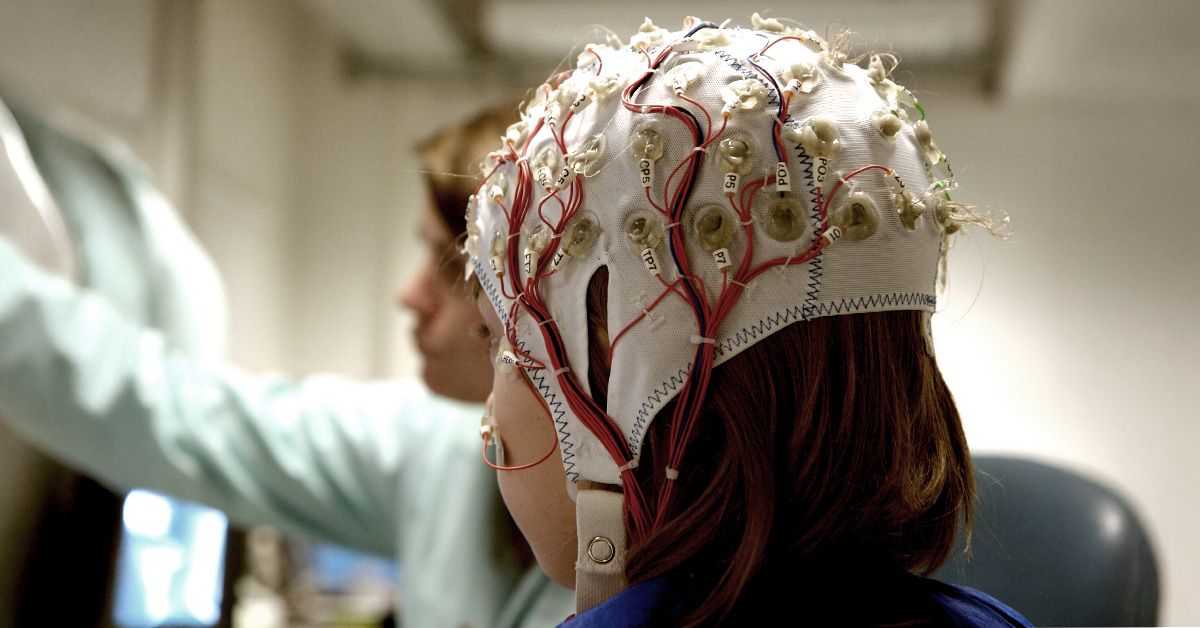
An electroencephalogram, or EEG, records electrical activity in the brain. Children with Doose syndrome often develop generalized spike-wave or polyspike-wave discharges. However, an early EEG can be normal or inconclusive, so repeat or prolonged monitoring may be necessary.
Brain Imaging
A brain MRI is commonly performed to look for structural causes of seizures. In classic Doose syndrome, MRI findings are usually normal. A normal scan does not mean the seizures are imaginary; it means the problem involves electrical network function rather than an obvious structural lesion.
Genetic and Metabolic Testing
Genetic testing may be recommended because several genetic disorders can resemble Doose syndrome. In selected cases, doctors may also order metabolic testing, especially when symptoms, development, family history, or treatment response suggest a specific inherited condition.
Conditions That May Look Similar
The medical team may compare Doose syndrome with Lennox-Gastaut syndrome, Dravet syndrome, childhood absence epilepsy, myoclonic epilepsy in infancy, glucose transporter type 1 deficiency, and other developmental and epileptic encephalopathies. Correct classification is important because a medication that helps one epilepsy syndrome can aggravate another.
Doose Syndrome Treatment
Treatment aims to reduce seizures, prevent injury, protect development, and help the child participate in family, school, and community life. No single plan works for everyone, and treatment may require several adjustments.
Antiseizure Medications
Doctors generally select broad-spectrum medications that treat generalized seizures. Depending on the child’s seizure types, medical history, test results, and side-effect risks, options may include valproate, levetiracetam, lamotrigine, topiramate, zonisamide, clobazam, ethosuximide, rufinamide, or felbamate.
Medication selection requires pediatric epilepsy expertise. Certain narrow-spectrum drugs, including carbamazepine in some patients, may worsen myoclonic or generalized seizures. Families should never start, stop, or change an antiseizure medicine without medical guidance. Abrupt withdrawal can provoke dangerous seizure activity.
Ketogenic Diet Therapy
Dietary therapy has an unusually important role in Doose syndrome. Studies and specialist-center experience suggest that the ketogenic diet can be highly effective, particularly when medications have not provided adequate control. Some children experience a major reduction in seizures, and some become seizure-free.
The classic ketogenic diet is very high in fat, contains carefully calculated protein, and severely limits carbohydrates. A modified Atkins diet may be considered for certain children as a less restrictive alternative. These treatments change how the body produces and uses energy, which can reduce seizure activity through mechanisms that are still being studied.
This is medical therapy, not a do-it-yourself internet diet. Meals may need to be weighed precisely, and children require monitoring for growth, nutrition, constipation, dehydration, kidney stones, abnormal cholesterol, low blood sugar, and other possible complications. A pediatric neurologist and ketogenic dietitian should supervise the program.
Rescue Medication
A clinician may prescribe rescue medicine for prolonged seizures or dangerous seizure clusters. Caregivers, relatives, teachers, school nurses, and other responsible adults should know when and how to give it. The exact emergency threshold should be documented in a written seizure action plan.
Devices and Other Therapies
For severe drug-resistant epilepsy, a specialist may discuss options such as vagus nerve stimulation. Evidence and suitability vary, so these decisions are individualized. Traditional resective brain surgery is usually inappropriate because Doose syndrome produces generalized rather than single-focus seizure activity.
Developmental and Educational Support
Speech therapy, occupational therapy, physical therapy, neuropsychological testing, behavioral care, and school accommodations may be as important as seizure medication. A child should not have to wait for seizures to disappear before receiving help with communication, coordination, attention, or learning.
Seizure First Aid and Everyday Safety
During a convulsive seizure, stay calm, clear dangerous objects away, protect the child’s head, and turn the child gently onto one side when possible. Time the seizure. Do not restrain the child, place anything in the mouth, or offer food or water until the child is fully alert.
Call 911 when a seizure lasts longer than five minutes, another seizure begins soon afterward, breathing or waking is difficult, a serious injury occurs, the seizure happens in water, or the event is the child’s first known seizure. Follow the child’s individualized emergency plan when it gives different or more specific instructions.
Frequent drop attacks may require a properly fitted protective helmet. Families may also need gates near stairs, padding on sharp furniture edges, close supervision around water, and safer bathroom routines. Safety planning should protect the child without turning childhood into permanent house arrest.
School Planning for a Child With Doose Syndrome
The school should receive a seizure action plan signed by the child’s clinician. It should explain the child’s seizure types, usual duration, first-aid steps, daily medications, rescue treatment, emergency criteria, and parent and medical contact information.
Teachers, aides, bus staff, coaches, substitutes, and school nurses may all need training. Depending on the child’s needs, accommodations might include additional supervision, a helmet, rest after seizures, extra time for assignments, modified physical activities, therapy services, or an individualized education program.
Classmates can often be given a simple, age-appropriate explanation of epilepsy with the child’s and family’s permission. Calm education reduces fear and helps prevent teasing. A seizure is a medical event, not a spectacle and certainly not material for the class group chat.
Doose Syndrome Prognosis
The long-term outlook varies. Approximately two-thirds of affected children may eventually achieve seizure freedom, and broader estimates suggest that a majority attain remission through medication, dietary therapy, or both. Some children later discontinue treatment under medical supervision and continue developing normally.
Other children have persistent drug-resistant seizures accompanied by intellectual, behavioral, or learning difficulties. Outcomes may be better when effective seizure control is achieved early. However, no statistic can predict an individual child’s future with certainty.
Progress is not always linear. A child may improve, have a setback during illness, respond to a new treatment, and then require another adjustment months later. The useful question is often not simply, “Will this go away?” but, “What can we do now to improve safety, development, and quality of life?”
Experiences Families Commonly Face
The following examples are realistic composites based on experiences commonly reported by families dealing with childhood epilepsy. They do not describe one specific patient and are not a substitute for professional medical care.
The Confusing Beginning
A typical journey may begin with a child suddenly falling at breakfast. The parents assume the chair slipped. Later that day, the child drops a cup and jerks both arms. A week later, the child collapses while walking across the living room. Because each event lasts only seconds, adults may wonder whether they are imagining a connection.
Then a larger tonic-clonic seizure occurs, and the family enters a new world of emergency departments, EEG vocabulary, medication schedules, and insurance phone calls. The first tests may not provide a clear answer. An early EEG may be normal, leaving parents relieved for several hours and confused again when another seizure happens.
Learning to Recognize Different Seizures
Families often become remarkably skilled observers. They learn that a quick head drop is different from ordinary sleepiness, that a blank stare can be a seizure rather than selective hearing, and that sudden morning jerks may be neurologic rather than behavioral.
A seizure diary becomes part medical record and part detective notebook. Parents count falls, record videos, track sleep, circle medication changes, and notice whether seizures cluster after illness. This information can help clinicians decide whether a treatment is working even when the improvement is gradual.
The Helmet Conversation
Protective headgear can be emotionally difficult. Parents may worry that it will make the child look different, while the child may resist wearing it. Yet repeated falls can cause facial cuts, broken teeth, and concussions. Many families eventually view the helmet the same way they view a bicycle helmet: not glamorous, but much better than an avoidable head injury.
Trying Medication After Medication
Finding an effective medication can involve frustrating trial and error. One drug may reduce tonic-clonic seizures but leave drop attacks unchanged. Another may help seizures but cause sleepiness, poor appetite, irritability, or balance problems. Families may feel as though they are constantly choosing between imperfect options.
Regular communication with the epilepsy team matters. Side effects should be documented rather than silently endured, and medications should not be stopped suddenly. Sometimes a dose adjustment, slower titration, or different combination makes treatment easier to tolerate.
Adapting to Dietary Therapy
Starting a ketogenic diet may bring equal parts hope and intimidation. Ordinary meals become mathematical projects. Food is weighed, labels are inspected, and hidden carbohydrates suddenly appear in medicines, toothpaste, and products nobody previously considered part of dinner.
The adjustment can be demanding, especially during birthday parties, holidays, travel, and school events. Support from a ketogenic dietitian helps families create meals the child will actually eat while maintaining the prescribed ratios. When seizures decline, the measuring and planning may feel worthwhile. When improvement is limited, the team can reassess rather than expecting the family to keep struggling indefinitely.
Protecting Childhood
One of the hardest challenges is balancing safety with independence. Parents may feel tempted to eliminate climbing, swimming, sports, field trips, and sleepovers. Some restrictions are necessary during uncontrolled seizures, but the long-term goal is not merely to prevent every possible risk. It is to help the child live as fully and safely as possible.
With informed supervision, appropriate equipment, school cooperation, and an emergency plan, many activities can remain accessible. The diagnosis may reshape childhood, but it does not erase curiosity, humor, friendships, or the need to occasionally make an impressive mess with finger paint.
The Emotional Side
Caregivers commonly experience fear, exhaustion, grief, and hypervigilance. Sleeping lightly because every sound might be a seizure takes a toll. Siblings may feel worried or overlooked. The child may become embarrassed, frustrated, or anxious about the next fall.
Support groups, counseling, respite care, honest family conversations, and practical help from relatives can reduce isolation. Accepting support is not evidence that a family is failing. It is evidence that epilepsy is demanding and human beings were never designed to carry every difficult thing alone.
Conclusion
Doose syndrome is a rare childhood epilepsy characterized by myoclonic-atonic seizures, drop attacks, and several other possible seizure types. Diagnosis depends on careful observation, EEG findings, developmental history, and testing that rules out related conditions. Genetics frequently plays a role, although a specific gene is not identified in every child.
Treatment may include broad-spectrum antiseizure medications, medically supervised ketogenic or modified Atkins diet therapy, rescue medication, injury prevention, and developmental support. Some children achieve lasting seizure freedom, while others require long-term multidisciplinary care.
The most useful next step after suspected seizures is prompt evaluation by a pediatric neurologist or comprehensive epilepsy center. Early specialist care can turn a frightening collection of unexplained events into a practical plan for treatment, safety, education, and hope.











