
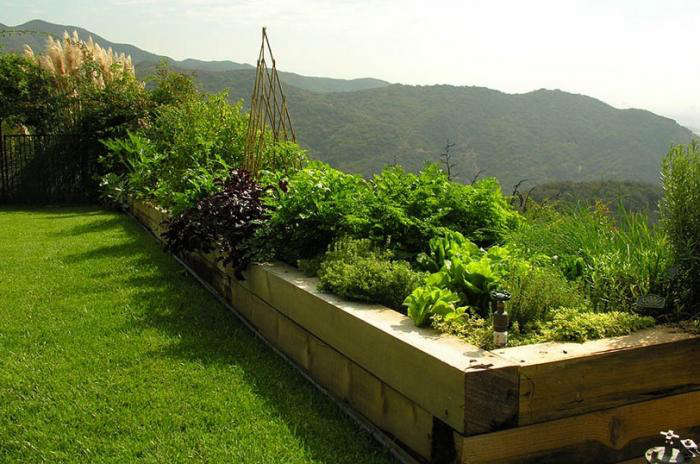
A truly great kitchen garden is not a backyard grocery store with a few tomatoes nervously sweating in the sun. It is a living pantry: a place where herbs, vegetables, edible flowers, fruit, and a little bit of garden swagger work together to make everyday meals taste better.
California master gardeners are especially good at this balancing act. They garden in a state where a cool coastal morning can turn into a blazing inland afternoon, where water matters, soil varies wildly, and a squirrel may regard your heirloom tomatoes as a personal invitation. Their approach is practical, flavorful, and beautifully flexible.
The ultimate kitchen garden does not need to be enormous. It needs to be intentional. Whether you have a sunny suburban yard, a side patio, a few raised beds, or a collection of containers that make your porch look like a tiny produce department, the goal is the same: grow what you actually want to cook, harvest it often, and build a garden that works with your climate instead of arguing with it.
What Makes a Kitchen Garden “Ultimate”?
An ultimate kitchen garden is not defined by size, expensive materials, or how many people ask whether you have a landscaping crew. It is defined by usefulness. Every square foot should earn its keep by producing ingredients, attracting pollinators, reducing maintenance, or making the garden a more enjoyable place to be.
California-style kitchen gardening begins with a simple question: What do you love to eat? Start there, not with a seed catalog that suddenly convinces you that you need twelve varieties of ornamental kale and a purple cauliflower named after royalty.
If your household makes tacos every week, grow cilantro, jalapeños, scallions, tomatoes, oregano, and lime-friendly herbs. If pasta night is sacred, plant basil, parsley, garlic, cherry tomatoes, arugula, and Italian eggplant. If you are a devoted salad person, focus on lettuce, radishes, cucumbers, snap peas, edible flowers, and tender herbs.
The best edible garden feels personal. It reflects your kitchen, your climate, and your level of patience. A gardener who harvests one basket of food every week will usually get more joy from the garden than someone who plants an ambitious jungle and then vanishes until the zucchini begins sending legal notices.
Start With the Right Location
Before buying seeds, study your yard like a detective in gardening gloves. Most productive vegetables need plenty of direct sunlight, especially fruiting crops such as tomatoes, peppers, eggplants, squash, and beans. A site with morning-to-afternoon sun, nearby water access, and good drainage gives your kitchen garden the best possible start.
Convenience matters more than many gardeners realize. Put the garden close enough to your kitchen that grabbing a handful of basil feels easier than opening a plastic clamshell from the refrigerator. When the garden is visible and nearby, you are more likely to notice thirsty plants, ripening fruit, sneaky pests, and that one cucumber that has somehow become the size of a canoe paddle.
Keep Pathways Practical
A California master gardener thinks about access before planting. Beds should be narrow enough to reach from both sides without stepping on the soil. Compacted soil is bad news for roots, drainage, and the gardener who later wonders why carrots have the emotional stability of corkscrews.
Use wood chips, gravel, decomposed granite, stepping stones, or another easy-to-maintain material for paths. The goal is to keep your shoes out of growing beds while giving yourself a clean route for harvesting after rain or irrigation.
Build Healthy Soil Before Chasing Fancy Plants
Soil is the quiet employee of the kitchen garden. It does not demand applause, but it does most of the work. Healthy soil holds moisture, allows air around roots, supports helpful microbes, and gives crops a better chance to handle heat, pests, and the occasional missed watering session.
Start with a soil test when possible, especially if your garden is new or you have struggled with poor growth. A soil test can reveal pH issues and nutrient imbalances that are impossible to diagnose accurately by staring at a sad tomato plant and whispering encouraging phrases.
Add finished compost to improve soil structure and organic matter, but do not treat compost like magic dust. Compost can improve texture and support soil life, yet it is not always a complete fertilizer. Different crops have different nutrient needs, so use soil-test recommendations and observe plant performance over time.
Raised Beds, In-Ground Beds, and Containers
Raised beds are popular for good reason. They provide clear growing zones, improve drainage in difficult soil, and make it easier to control the growing mix. A bed that is about three to four feet wide is generally easy to reach from both sides. Taller beds can also make gardening more comfortable for people who prefer less bending and kneeling.
In-ground beds are equally excellent when native soil is workable and well drained. They often hold moisture more steadily and can support larger crops with less frequent watering once established.
Containers are the kitchen garden’s secret weapon. Use them for herbs, compact tomatoes, strawberries, peppers, leafy greens, and edible flowers. Put a pot of basil by the back door, mint near the patio, and thyme where you can brush past it and feel briefly like you own a Mediterranean villa.
Choose Crops Like a Cook, Not a Catalog Collector
The strongest kitchen gardens combine reliable staples with a few delicious surprises. A California-inspired edible garden often includes warm-season favorites for sunny months and cool-season crops for the gentler parts of the year.
Warm-Season Essentials
- Tomatoes: Choose a mix of cherry, slicer, and sauce types for salads, sandwiches, and roasting.
- Peppers: Sweet peppers, jalapeños, shishitos, and serranos reward sunny conditions.
- Basil: Plant more than you think you need. Pesto is not known for restraint.
- Beans: Pole beans climb upward, making them excellent for small-space gardens.
- Cucumbers: Grow them vertically on a trellis to save space and keep fruit cleaner.
- Summer squash: Productive, dramatic, and occasionally too enthusiastic.
Cool-Season Favorites
- Lettuce and arugula: Perfect for repeated sowing and frequent harvests.
- Radishes: Fast, satisfying, and ideal for gardeners who enjoy nearly instant gratification.
- Kale and chard: Attractive, productive, and useful in everything from salads to sautés.
- Broccoli and cabbage: Best for gardeners willing to keep an eye out for hungry caterpillars.
- Carrots and beets: Excellent for loose soil and patient harvesters.
- Peas: Sweet, vertical, and worth growing just for the pleasure of eating one straight from the vine.
Use Succession Planting to Keep the Garden Productive
A masterful kitchen garden is never completely finished. As one crop leaves, another takes its place. This is succession planting: a simple strategy that keeps beds productive instead of allowing empty soil to become a luxury resort for weeds.
Plant quick crops such as lettuce, radishes, baby greens, cilantro, and bush beans in small batches every couple of weeks rather than all at once. This spreads out harvests and reduces the classic problem of having twenty pounds of lettuce on Tuesday and absolutely none by Friday.
When spring greens finish, replace them with warm-season crops. When tomatoes slow down, replant beds with kale, broccoli, garlic, carrots, or cool-season herbs. In mild California climates, the kitchen garden can provide food through much of the year when planting dates are matched to local conditions.
Water Wisely: The California Master’s Superpower
Water management is one of the biggest differences between a merely attractive garden and a consistently productive one. In dry climates, water should go where it belongs: near plant roots, not on sidewalks, leaves, or the neighborhood cat.
Drip irrigation is especially useful for kitchen gardens because it delivers water slowly and directly to the root zone. It can reduce evaporation, help keep foliage drier, and make watering more consistent. A timer can be helpful, but it should not replace observation. Weather changes, plant size changes, and soil moisture changes. Your irrigation schedule should change too.
Mulch is another essential tool. A layer of straw, shredded leaves, untreated wood chips, or compost around established plants helps moderate soil temperature, reduce evaporation, and discourage weeds. Keep mulch slightly away from plant stems to avoid creating a cozy, damp hotel for rot and pests.
Watering Rules That Actually Work
- Water deeply enough to encourage roots to grow downward.
- Check soil moisture before watering on a fixed schedule.
- Water early in the day when possible.
- Give containers extra attention because they dry out faster than garden beds.
- Adjust watering during heat waves, windy periods, and cool weather.
Grow Up: Trellises, Arches, and Vertical Edibles
California kitchen gardens often use vertical space as cleverly as possible. Trellises, cattle panels, bamboo poles, wire supports, and simple arches allow gardeners to grow more food in less area.
Train pole beans, cucumbers, peas, indeterminate tomatoes, and small melons upward. Vertical growing improves air circulation, makes harvesting easier, and creates a garden that feels lush without requiring a football-field-sized yard.
An arch between two raised beds can carry beans in summer and peas in cooler months. It is practical, productive, and just dramatic enough to make visitors assume you know what you are doing.
Invite Pollinators and Beneficial Insects
The ultimate kitchen garden is not only vegetables. It is also flowers, herbs, and habitat. Planting nectar-rich blooms near food crops can attract pollinators and beneficial insects that help create a more balanced garden ecosystem.
Good companions include calendula, alyssum, cosmos, yarrow, borage, dill, fennel, nasturtiums, and flowering herbs. These plants add color and can provide food or shelter for beneficial insects such as lady beetles, lacewings, parasitic wasps, and predatory bugs.
Do not panic at the first sign of an insect. Identify the problem before reaching for a spray bottle. Many garden visitors are helpful, harmless, or simply passing through like tourists who took a wrong turn.
Use Gentle Pest Management First
Start with physical and cultural controls. Hand-pick visible pests, use row covers for vulnerable crops, remove diseased leaves, clean up spent plants, and avoid overfertilizing. Healthy, properly spaced plants are generally better equipped to handle minor pest pressure.
Floating row covers can be especially useful for brassicas, cucumbers, squash, and young seedlings. Remove covers from flowering crops when pollination is needed. The goal is not to create a sterile garden. It is to create a garden where you are not personally donating all your kale to caterpillars.
Harvest Often and Cook With the Seasons
Harvesting is not the final step. It is the whole point. Pick leafy greens when young and tender. Snip herbs regularly to encourage bushier growth. Gather beans before they become tough. Harvest zucchini while it is still reasonably sized and not large enough to qualify for a county fair.
Frequent harvesting keeps many plants productive. It also changes how you cook. A kitchen garden encourages simple meals because the ingredients are already doing most of the flavor work: tomatoes warm from the vine, basil that has not spent a week in transit, arugula with actual peppery bite, and cucumbers that taste like cucumbers instead of chilled water with aspirations.
A California Master’s Kitchen Garden Experience
The first lesson I learned from a California-style kitchen garden was that the garden does not care about your grand plans. It cares about sun, soil, water, timing, and whether you remembered to protect the lettuce from the afternoon heat. This sounds obvious until you have confidently planted a row of delicate greens in full summer sun and watched them bolt with the speed of a Hollywood actor leaving an awkward premiere.
One spring, the garden began with four raised beds, a handful of containers, and a very optimistic collection of seeds. There were cherry tomatoes, basil, parsley, jalapeños, cucumbers, beans, lettuce, chard, and enough calendula to make the garden look like it had joined a flower parade. The original plan was elegant: every plant would thrive, every meal would feature something freshly harvested, and no squirrel would ever discover the strawberries.
Reality arrived quickly. The basil loved the heat. The lettuce did not. The cucumbers climbed exactly where they were supposed to, then continued climbing because apparently they had career ambitions. One tomato plant grew taller than expected and leaned so heavily against its support that it looked like it was asking for emotional reassurance.
But this is where the kitchen garden became genuinely useful. Instead of treating problems as proof of failure, each problem became information. The lettuce moved into a shadier spot. Mulch was added around tomatoes and peppers. A drip system replaced inconsistent hand watering. More herbs were planted near the kitchen door, where they were easier to remember and much harder to ignore.
By midsummer, the garden had settled into a rhythm. Tomatoes became bruschetta, pasta sauce, salads, and snacks eaten directly over the sink. Basil disappeared into pesto, grilled chicken marinades, and sandwiches. Jalapeños were sliced into tacos. Cucumbers became quick pickles. Chard went into eggs, soups, and weeknight sautés. Even the flowers had a job, attracting pollinators and making the garden feel more generous than a row of vegetables alone.
The most memorable moment came during a warm evening harvest. The sun was dropping, the garden smelled like tomato leaves and damp mulch, and dinner was nothing more complicated than grilled bread, sliced tomatoes, basil, olive oil, and a little cheese. It was not a restaurant meal. It was better because the ingredients had traveled about thirty feet.
That is the real charm of an ultimate kitchen garden. It does not need to be perfect. It needs to become part of your life. It teaches you to notice seasons, pay attention to weather, waste less food, and appreciate how much flavor can come from something you picked five minutes ago. A California master gardener may offer the techniques, but the reward belongs to anyone willing to get a little dirt under their fingernails.
Conclusion: Build a Garden That Feeds Your Kitchen and Your Routine
The ultimate kitchen garden is not a competition. It is a practical, beautiful, edible space designed around the way you live and cook. Start with good light, healthy soil, efficient watering, and a small selection of crops you truly enjoy. Add flowers, herbs, vertical supports, mulch, and a willingness to learn from every slightly crooked carrot.
Borrow the best habits of California master gardeners: plant for your climate, use water wisely, keep soil healthy, rotate crops, grow vertically, and harvest often. Over time, your garden will become more than a collection of beds. It will become your favorite place to plan dinner.











