
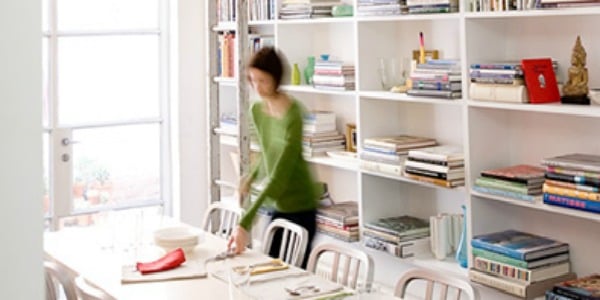
The dining room has a funny reputation. In many homes, it is treated like a museum exhibit: beautiful, formal, slightly intimidating, and used approximately as often as the emergency sewing kit. Meanwhile, the kitchen counter is doing unpaid overtime as a homework station, laptop desk, mail drop, snack bar, craft zone, and emotional support surface. Something feels unfair here.
The good news? Your dining room does not need to sit around waiting for Thanksgiving like an actor waiting for one big scene. With a little creativity, smart furniture, flexible storage, and a budget-friendly plan, it can become one of the hardest-working rooms in your home. It can host weeknight dinners, remote work, school projects, family game nights, bill sorting, coffee breaks, small gatherings, and even quiet reading sessionsall without looking like a storage unit wearing a tablecloth.
Creating a multipurpose dining room on a budget is not about buying everything new. In fact, the best version usually starts with what you already own. A dining table can become a desk. A sideboard can become an office cabinet. A bench can hide board games, linens, craft supplies, or the mysterious pile of charging cables every household seems to breed in the dark. The goal is simple: make the room useful every day while keeping it warm, stylish, and ready for meals.
Why the Dining Room Deserves a Second Job
A formal dining room can feel like a luxury, but an unused dining room is expensive square footage taking a very long nap. Whether you live in a house, apartment, condo, or small rental, every room should earn its keep. The dining room is especially suited for double duty because it already has the basics: a large work surface, chairs, lighting, and usually enough space to move around.
Think of the dining room as your home’s flex zone. It can be a weekday office from 9 to 5, a family dinner spot at 6, and a puzzle headquarters by 8. It can function as a command center for mail and schedules, a creative studio for kids, or a calm place to drink coffee before the day starts throwing emails at you like confetti.
The trick is not to cram every possible function into one room. That leads to chaos, and chaos already has plenty of job openings. Instead, choose two or three roles that match your lifestyle. A dining room that serves as a dining area, work zone, and storage hub is realistic. A dining room that also becomes a gym, pet spa, music studio, gift-wrapping warehouse, and indoor greenhouse may need a union representative.
Start With a Budget-Friendly Dining Room Audit
Before buying anything, walk into the dining room and look at it honestly. What is working? What is annoying? What do you avoid using? Maybe the chairs are uncomfortable, the lighting is too dim, the table is too large, or the room has become a landing pad for things nobody wants to put away.
Make three quick lists: keep, move, and replace. Keep pieces that are functional, sturdy, and attractive enough to support your plan. Move items that belong elsewhere, such as random exercise gear, extra pantry items, or that one vase everyone is afraid to donate because “it might be useful someday.” Replace only what truly limits the room’s function.
Measure Before You Make Plans
A measuring tape is the cheapest design tool you will ever buy, and unlike a trendy chair, it does not require assembly. Measure the room, the table, the walking paths, door swings, windows, and wall space. A dining area should allow people to sit down, stand up, and move around without performing a sideways shuffle worthy of a spy movie hallway scene.
If your room is tight, consider whether your current table shape is the problem. Round tables and pedestal tables often improve flow because they remove sharp corners and awkward table legs. Rectangular tables work beautifully in longer rooms, especially when paired with a bench on one side. Drop-leaf or expandable tables are ideal for homes that need flexibility: small during the week, larger when guests appear with casserole dishes.
Choose Furniture That Works Harder Than It Looks
Budget decorating does not mean buying the cheapest piece in the store and hoping it survives longer than a houseplant. It means choosing furniture that solves more than one problem. A hardworking dining room needs pieces that are flexible, durable, and easy to reset.
The Table: Your Main Multitasker
The dining table is the hero of the room. For a multipurpose space, choose a table that can handle eating, writing, working, crafting, and the occasional dramatic family board game. If you already have a solid table, keep it. Scratches can be softened with polish, a runner, placemats, or the proud declaration that your home has “character.”
If you need to buy, look secondhand first. Estate sales, local marketplaces, thrift stores, and furniture resale shops often have real wood dining tables for far less than new retail prices. Look for stable legs, a smooth top, and a size that fits your room. Avoid anything wobbly unless you enjoy soup with suspense.
Seating: Mix Comfort With Flexibility
Dining chairs matter more when the room does double duty. A chair that feels fine for a 20-minute dinner may feel like medieval furniture during a two-hour work session. If your dining room doubles as a home office, consider adding one supportive chair that still coordinates with the room. It does not need to look corporate. A cushioned dining chair, upholstered armchair, or slim office chair in a neutral fabric can blend in beautifully.
Benches are also budget heroes. A bench can seat more people in less space, slide under the table, or include hidden storage. In small dining rooms, a wall-side bench or banquette-style setup can free up floor space while making the room feel cozy and intentional.
Storage Pieces That Hide the Evidence
A sideboard, buffet, bookcase, cabinet, or console table can transform the dining room from “Where did I put that?” into “Look at me, I have systems.” Use storage furniture to hold linens, candles, serving pieces, office supplies, craft materials, chargers, paperwork, and games.
The secret is assigning categories. One drawer for office items. One shelf for entertaining pieces. One basket for kid supplies. One lidded box for paperwork. When every item has a home, the dining table is less likely to become a horizontal junk drawer with legs.
Make the Dining Room a Real Home Office Without Killing the Mood
Many people need a work-from-home spot but do not have a spare room. The dining room can be a practical solution, especially if you create a quick “open and close” system. Your goal is to work comfortably during the day and make the room feel like home again afterward.
Create a Work Kit
Instead of leaving laptop chargers, notebooks, pens, sticky notes, and headphones scattered across the table, build a portable work kit. Use a basket, rolling cart, storage box, or cabinet tray. At the start of the day, bring it out. At the end of the day, put it away. This simple habit keeps your dining room from looking like a meeting room that forgot to go home.
A rolling cart is especially useful because it can hold supplies on different levels and move out of sight when dinner begins. Choose one that fits under a console table or beside a cabinet. Add small containers inside the cart so tiny items do not stage a rebellion.
Protect the Table Surface
A dining table used as a desk needs protection. A large desk mat, washable tablecloth, leather-like writing pad, or simple placemat can prevent scratches and heat marks. For crafts or kids’ projects, keep a wipeable mat nearby. It is much easier to clean glue from a mat than explain why the dining table now has glitter permanently embedded in its personality.
Use Walls Like Valuable Real Estate
When floor space is limited, go vertical. Walls can hold shelves, hooks, art, calendars, mirrors, lighting, and storage. The key is to keep wall storage attractive enough for a dining space. Open shelves can display dishes, glassware, cookbooks, baskets, plants, or framed art. Closed cabinets hide the less charming necessities, such as printer paper and tax folders.
Add a Small Command Center
A dining room command center can be as simple as a wall calendar, a mail sorter, and a few hooks. This works well for families, roommates, or anyone who has ever lost an important paper under a pizza coupon. Keep it neat and limited. A command center should guide the household, not become a bulletin board jungle.
Try Mirrors and Light Colors
Mirrors can help bounce light around a small dining room, making it feel brighter and more open. Light paint colors, soft neutrals, and consistent tones can also make a room feel calmer. That does not mean everything must be beige enough to disappear. Add personality through art, textiles, plants, and one or two bold accents.
Lighting: The Budget Upgrade That Changes Everything
Lighting can make a budget dining room feel polished fast. A dated fixture, harsh bulb, or dim corner can make even good furniture look tired. You do not always need an electrician or a designer chandelier. Sometimes, new bulbs, a plug-in wall sconce, a table lamp on a sideboard, or a simple pendant swap can completely change the mood.
Layered lighting is the goal. Use overhead lighting for meals, task lighting for work, and soft accent lighting for evenings. LED bulbs are a practical choice because they use far less energy than old incandescent bulbs and last much longer, which helps the budget over time. Choose warm or soft white bulbs for a cozy dining atmosphere, especially if the room is used at night.
Make One Light Fixture the Star
If you have room in the budget for one visual upgrade, consider the main dining light. A woven pendant, simple drum shade, vintage chandelier, or modern fixture can act like jewelry for the room. Just keep scale in mind. A fixture that is too tiny looks timid; one that is too huge looks like it is trying to land aircraft.
Decorate With Texture, Not Clutter
A hardworking dining room needs warmth, but it also needs breathing room. The fastest way to make a multipurpose space feel messy is to overdecorate every surface. Instead, rely on texture: a rug, curtains, woven baskets, wood tones, fabric chairs, ceramic bowls, plants, and framed prints.
A rug can define the dining area, especially in an open-plan home. Choose a flatweave or low-pile rug that is easy to clean. If chairs constantly catch on the edges, the rug is probably too small. The rug should be large enough for chairs to remain on it when pulled out, at least in an ideal world where budgets and room dimensions cooperate.
Use Centerpieces That Move Easily
Keep the table centerpiece simple and portable. A tray with a vase, candle, small plant, or bowl can be lifted away when the table becomes a desk or craft station. This is the difference between “styled and flexible” and “why is there a decorative forest blocking my laptop?”
Budget Dining Room Ideas That Look More Expensive Than They Are
You do not need a massive renovation to make the dining room feel special. Many high-impact updates are affordable, renter-friendly, and doable over a weekend.
Paint One Wall
An accent wall can add depth without requiring gallons of paint. Try a rich green, warm terracotta, soft blue, charcoal, or creamy neutral depending on your home’s style. If paint is not allowed, removable wallpaper or peel-and-stick panels can add pattern with less commitment.
Recover Chair Seats
If your dining chairs are sturdy but sad, re-covering the seats can give them a second life. Choose durable fabric that can handle spills. Performance fabric, faux leather, canvas, or washable slipcovers are practical options. A staple gun and patience can work wonders, though patience is usually the harder tool to find.
Shop Your Own Home
Before buying decor, shop your own home. Move a lamp from the bedroom, art from the hallway, baskets from the closet, or a plant from the living room. Rearranging existing pieces can make the dining room feel new without touching the credit card.
Use Secondhand Finds Wisely
Secondhand furniture can stretch a small budget, but inspect pieces carefully. Check for strong construction, odors, stains, pests, cracks, loose joints, and missing hardware. For online purchases, review seller details, return policies, pickup logistics, and total cost before committing. A “great deal” is less great if it requires a truck rental, three friends, and emotional recovery.
Small Dining Room Layouts That Actually Work
The best layout depends on your room shape and daily needs. A square room may work well with a round table. A narrow room may prefer a rectangular table pushed slightly closer to one wall. A corner nook can become charming with a small bistro table and two chairs. An open-plan area can feel more defined with a rug, pendant light, or bookcase acting as a subtle divider.
Layout 1: Dining Room and Office
Place the table in the center or near a window. Add a sideboard or cabinet for work supplies. Use one comfortable chair for long work sessions and standard dining chairs for the rest. Keep a portable work kit so the room can reset quickly for meals.
Layout 2: Dining Room and Family Hub
Use a durable table, wipeable seating, and closed storage. Add a calendar, small charging station, and baskets for school or household supplies. This layout works well for families who need one central place for meals, homework, paperwork, and planning.
Layout 3: Dining Room and Library Lounge
Line one wall with bookcases or shelves. Add a comfortable chair in the corner if space allows. Use warm lighting and a simple table setup. This creates a cozy room for meals, reading, studying, and relaxed conversation.
Layout 4: Dining Nook in a Small Home
Choose a small round table, two chairs, and a bench if possible. Use wall shelves instead of bulky cabinets. Keep the palette simple and add one strong design feature, such as a pendant light or framed art, to make the nook feel intentional.
How to Keep a Multipurpose Dining Room From Becoming a Mess
A flexible room needs rulesnot scary rules, just friendly ones that prevent clutter from declaring independence. The most important rule is the daily reset. At the end of each day, clear the table. Put work supplies back in the cart, return dishes to the kitchen, file papers, and remove anything that does not belong.
The second rule is visible storage should be attractive. Use matching baskets, simple boxes, trays, and bins. Consistency helps the room feel calm even when it stores many different things. A row of matching boxes looks intentional. A pile of random bags looks like the room is packing for a confusing vacation.
The third rule is to edit often. Multipurpose spaces attract items because they are convenient. Once a month, check drawers, baskets, shelves, and cabinets. Remove anything outdated, broken, duplicated, or mysteriously sticky.
Affordable Finishing Touches That Make the Room Feel Like Home
A useful dining room should still feel inviting. Add personal details that make people want to sit down. Family photos, thrifted art, a bowl of fruit, fresh branches, a favorite table runner, or a small lamp can soften the room. Plants are especially helpful because they bring life and color without requiring a full redesign.
Curtains can also make a major difference. Even inexpensive panels can add height, softness, and privacy. Hang them higher and wider than the window when possible to make the room feel larger. If you rent, tension rods or no-drill hardware may help you avoid awkward conversations with your security deposit.
Finally, do not underestimate the power of a clean table. A clear surface makes the whole room feel more expensive. It also invites use. People are more likely to eat, work, write, read, and gather when they do not have to excavate the table first.
Real-Life Experiences: What Putting a Dining Room to Work Actually Feels Like
The best lesson from living with a multipurpose dining room is that the room will tell you what it wants to be. You may begin with a perfect plan: the left cabinet for office supplies, the right drawer for linens, the table for meals only after 6 p.m., and a charming little basket for mail. Then real life walks in wearing muddy shoes and carrying three backpacks, a laptop charger, grocery receipts, and a half-finished science project. That is when the room’s true purpose becomes clear.
One practical experience many households discover is that convenience beats perfection. If the storage is too far away, nobody uses it. If the basket has a lid that is annoying to open, papers land on the table. If the work supplies require a ten-step cleanup routine, the laptop stays out overnight. The solution is to make the right action the easy action. A tray on the sideboard, a rolling cart beside the table, or a drawer for daily supplies can make cleanup almost automatic.
Another lesson is that comfort matters more than the photo-ready version of the room. A beautiful dining chair that hurts your back will not support a work-from-home day. A gorgeous rug that traps crumbs like it is collecting evidence will become a cleaning problem. A delicate table finish may look amazing until the first hot mug, marker, or homework session. Budget-friendly design works best when it respects how people actually live.
In many homes, the dining room becomes more loved once it becomes less formal. People linger longer when the room feels relaxed. Kids spread out homework while dinner simmers. Adults use the table for planning, writing, paying bills, or working on hobbies. Friends gather around for casual meals without worrying that they are disturbing a perfect showroom. The room becomes a place where life happens, not just where plates are displayed twice a year.
One surprisingly effective habit is the “ten-minute reset.” Before bed or after dinner, set a timer and return the room to neutral. Dishes go to the kitchen. Pens return to the work kit. Mail goes into the sorter. Crumbs vanish. Chairs slide back in. The reset does not need to be dramatic. It simply tells the room, “Thank you for your service; please report for duty again tomorrow.”
Budget also teaches creativity. A thrifted cabinet may become the most useful piece in the room. A leftover paint sample may refresh a frame. A plain table runner may hide scratches while adding softness. A secondhand lamp may create the cozy glow that makes the room feel finished. These little wins are satisfying because they prove style is not only about money. It is about attention, editing, and choosing pieces that solve real problems.
The biggest experience-based takeaway is this: a dining room does not have to choose between beauty and function. It can be both. In fact, function often makes it more beautiful because the room feels alive. A dining room that supports meals, work, storage, hobbies, and connection becomes part of the home’s daily rhythm. It stops being the room you pass through and becomes the room you rely on.
Conclusion
Putting your dining room to work is one of the smartest budget-friendly home upgrades you can make. You do not need custom built-ins, designer furniture, or a renovation show budget with suspiciously cheerful contractors. You need a clear plan, flexible furniture, practical storage, better lighting, and a willingness to let the room do more than host special occasions.
Start small. Clear the table. Measure the room. Move out what does not belong. Add storage where clutter collects. Improve the lighting. Choose pieces that can handle real life. Whether your dining room becomes a home office, family hub, library nook, craft space, or all-purpose gathering zone, the goal is the same: make your home sweeter, smarter, and more useful without draining your wallet.
Note: This article was written for web publication in standard American English, with SEO-friendly structure, practical examples, and budget-focused home design guidance based on real U.S. home improvement, design, consumer, and energy-efficiency information.











