
Editorial note: This article synthesizes real product information from Blackcreek Mercantile & Trading Co., design publications, retailer descriptions, and established wood-care guidance, rewritten in original American English for web publishing.
Some cutting boards live a quiet, practical life: onion here, sandwich there, maybe a suspicious tomato stain that becomes part of the family history. Then there are Blackcreek Mercantile & Trading Co.’s cutting boards, which look like they wandered out of a sculptor’s studio, politely agreed to help with dinner, and somehow made the kitchen feel more intentional.
Blackcreek Mercantile & Trading Co., often shortened to BCM&T Co. or BCMT, is a Kingston, New York-based studio known for handmade wooden objects, furniture, kitchen tools, bowls, boards, and pieces that blur the line between utility and art. Their cutting boards are not designed as disposable kitchen accessories. They are made to be used, cared for, displayed, and slowly transformed by daily life. In other words, they are not the kind of board you hide under the sink beside the mystery appliance manual from 2011.
The brand’s approach is simple but unusually thoughtful: use excellent domestic hardwood, respect the natural character of the material, keep the design clean, and make something that performs well without shouting for attention. The result is a collection of maple cutting boards, double-handle boards, butcher blocks, and Blackline serving boards that feel warm, sculptural, and deeply practical.
What Makes Blackcreek Mercantile & Trading Co.’s Cutting Boards Different?
The most important feature of Blackcreek’s maple cutting boards is also one of the easiest to understand: each board is cut from a single piece of wood. That means no glue seams, no laminated layers, and no patchwork construction pretending to be rustic after three Instagram filters.
This single-piece construction matters because glue joints can be weak points over time, especially in a kitchen where water, heat, washing, drying, and repeated use all take turns testing the material’s patience. A board carved from one piece of maple has a directness to it. It feels less manufactured and more discovered, as if the tree had a very organized retirement plan.
Blackcreek uses domestic hardwoods that are sustainably harvested, with maple being a central material for their cutting boards. Maple has long been appreciated in kitchenware because it is dense enough to handle regular chopping, yet not so unforgiving that it feels like cutting on a stone countertop. It offers a smooth working surface, subtle grain, and a pale tone that works beautifully in modern, traditional, farmhouse, and minimalist kitchens.
The Design Philosophy: Simple, Useful, and Quietly Beautiful
Blackcreek’s work is closely associated with Joshua Vogel, a woodworker and designer whose practice emphasizes small-scale production, material honesty, and handmade character. Before Blackcreek, Vogel worked in the world of high-end furniture and interiors, and that background shows. These boards are not decorated with unnecessary flourishes. Instead, the drama comes from proportion, shape, wood grain, thickness, and touch.
That restraint is exactly why the boards feel so refined. A Blackcreek board does not need a slogan burned into the corner or a novelty shape to make itself interesting. It relies on the natural movement of maple, the curve of a handle, the weight of the piece, and the subtle marks that appear over time. The board is functional first, but it also behaves like a design object. It can live on a counter, lean against a backsplash, sit on open shelving, or carry cheese, bread, fruit, and charcuterie without looking like it borrowed its outfit from the pantry.
From Tool to Tabletop Object
One of the strongest appeals of Blackcreek Mercantile & Trading Co.’s cutting boards is their versatility. A small maple board can handle everyday prep: slicing fruit, trimming herbs, preparing toast, or giving a lemon the dramatic finale it deserves. A larger board can become a generous work surface for baking prep, meal assembly, or serving. Double-handle boards bridge the gap between cutting board and presentation piece, making them useful for entertaining without needing to switch trays halfway through the evening.
The brand also offers butcher block-style boards and specialty sizes depending on wood availability. Because wood is a natural material, each board has slight variations. That is not a defect; it is the point. The grain, color, and small natural differences are what keep the board from feeling factory-flat and soulless.
Popular Styles and Sizes
Blackcreek’s maple cutting board collection includes standard boards with carved handles, double-handle boards, round butcher blocks, and specialty boards. Exact availability can change, but the core idea remains consistent: simple shapes, useful proportions, and handmade character.
Standard Maple Boards with Carved Handles
The standard maple boards are the easiest entry point into the Blackcreek cutting board world. They are generally offered in small and medium sizes, making them practical for everyday use. The carved handle gives the board a graceful silhouette and makes it easier to move from counter to table.
A small board is ideal for quick prep, snacks, fruit, sandwiches, and small kitchens where counter space is treated like beachfront property. A medium board offers more room for actual cooking projects, from chopping vegetables to serving a casual spread. Both sizes can be left out as part of the kitchen’s visual landscape, which is helpful if your cabinets are already negotiating for breathing room.
Double-Handle Boards
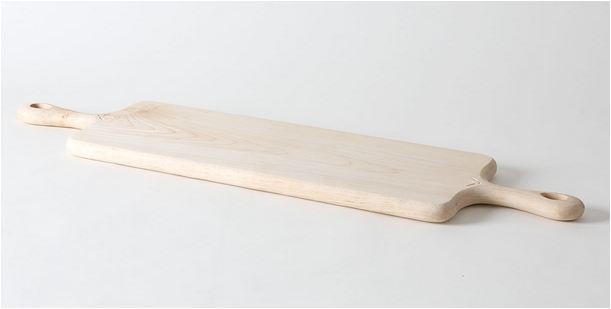
Double-handle boards are especially appealing for serving. Their long shape makes them beautiful for bread, cheese, roasted vegetables, pastry, crackers, or anything that benefits from a little horizontal drama. The handles are not just decorative; they make the board easier to carry, which matters when you are transporting appetizers and trying not to perform an accidental floor tasting.
These boards work well for people who host often or who like their kitchen tools to do double duty. They can be used for prep, then cleaned, oiled, and brought out again as serving pieces. The key is care: do not soak them, do not toss them into a dishwasher, and do not treat them like a plastic tray from a cafeteria.
Round Butcher Blocks
The round butcher block is the more substantial option. With a thicker profile, it has a grounded, almost furniture-like presence. It is the kind of board that can anchor a kitchen island or become the central serving piece on a dining table. Because of its scale, it is less of a grab-and-go board and more of a permanent kitchen companion.
For serious home cooks, a thick maple butcher block offers stability and visual weight. It also develops character beautifully. Every careful slice, every oiling, every meal prep session contributes to a surface that feels increasingly personal.
The Blackline Collection: Dark, Natural, and Dramatic
Blackcreek’s Blackline Collection deserves its own spotlight. These boards and serving pieces are made from white oak and achieve their dark finish through a natural reactive process using tannins in the wood. No conventional pigment is used to create the black color. Instead, the finish develops from within the material itself.
That gives the Blackline boards a distinctive look: deep, moody, and modern, but still organic. They are especially striking as serving boards because the dark surface makes pale cheeses, fruit, bread, and small bites look almost gallery-ready. Suddenly, crackers become architecture. Grapes become a still life. Your grocery-store brie begins behaving like it went to design school.
Because the finish is natural, some variation in color is expected. Over time, the surface may wear and develop patina. This aging process is part of the board’s charm, but it also requires awareness. Acidic foods such as citrus or tart berries may affect the finish if left sitting for extended periods. For that reason, Blackline boards are best treated as beautiful serving pieces and carefully maintained kitchen objects, not as indestructible landing pads for lemon wedges.
Why Maple Works So Well for Cutting Boards
Maple is a classic cutting board material for good reason. It has a tight grain, dependable hardness, and a clean appearance that suits many kitchen styles. It is durable enough for daily tasks but still pleasant to work on. Compared with glass, stone, or metal surfaces, wood offers a warmer, quieter, and more forgiving experience.
Wood also has something synthetic boards often lack: emotional staying power. A good wooden cutting board can become familiar. It picks up marks, deepens slightly in tone, and begins to feel like part of the household routine. A plastic board may be useful, but nobody lovingly describes its patina unless they are trying very hard to win a strange argument.
Blackcreek’s use of single-piece maple intensifies this appeal. The board feels connected to its source material. Rather than hiding the wood’s natural movement and grain, the design allows those qualities to become the decoration.
How to Care for Blackcreek Mercantile & Trading Co.’s Cutting Boards
A handmade wooden cutting board is not high maintenance, but it does expect basic respect. Think of it less like a fragile antique and more like a cast-iron pan: use it often, clean it properly, and give it a little conditioning when it starts looking dry.
Wash by Hand
After use, wash the board with warm water and mild dish soap. Scrub gently, rinse, and dry it thoroughly. Standing the board upright or allowing air to circulate around it helps prevent moisture from sitting on one side too long.
Do not put a Blackcreek cutting board in the dishwasher. Dishwashers combine heat, water, steam, and chaos into one aggressive little chamber. That environment can cause wood to warp, crack, or dry unevenly. A handmade maple board deserves better than being blasted next to coffee mugs and a rogue spoon.
Avoid Soaking
Never leave a wooden cutting board soaking in the sink. Wood absorbs water, and uneven moisture can lead to swelling, warping, and cracking. A quick wash is fine. A long bath is not. The board is not trying to relax with cucumber slices over its eyes.
Oil Regularly
Blackcreek boards come tempered and pre-finished with the company’s own cutting board oil. Over time, regular washing removes some of that protective conditioning. Reapplying food-safe cutting board oil helps keep the wood from drying out, reduces odor absorption, and gives the surface a healthy sheen.
The general process is simple: apply a generous amount of oil to clean, dry wood with a cloth or brush, allow it to absorb, and wipe away excess. Letting the oil sit for several hours or overnight can be especially helpful when the board feels dry. With repeated oiling, the board becomes more resilient and easier to clean.
Use Natural Cleaning Methods Carefully
For lingering smells, a mixture of salt and lemon can help refresh a board, though citrus should be used carefully on Blackline pieces because acidity may affect the dark natural finish. White vinegar can also help with odors, but it may react with tannins in certain woods, especially oak. When in doubt, test a small area or keep cleaning simple with soap, water, drying, and oiling.
Blackcreek Cutting Board Oil: The Unsung Hero
Blackcreek’s story is closely connected to cutting board oil. In fact, the studio’s board oil helped establish demand for the brand’s kitchen goods before the cutting boards themselves became widely known. The oil has been described as a food-safe blend built around white mineral oil, cold-pressed essential oils such as lemon or rosemary, and bee propolis.
Mineral oil helps condition wood without becoming rancid. Lemon and rosemary add a clean aromatic quality. Bee propolis, a resin-like substance associated with beehives, contributes to the oil’s distinctive character. The result is a board-care product that feels more like a thoughtful ritual than a chore. And yes, oiling a cutting board can absolutely become a small domestic ceremony. Light a candle if you must. Just do not oil the candle.
Who Should Buy a Blackcreek Cutting Board?
Blackcreek Mercantile & Trading Co.’s cutting boards are best for people who value craftsmanship, natural materials, and objects that improve with use. They are not the cheapest boards on the market, nor are they trying to be. Their value comes from design, material quality, handmade production, and long-term beauty.
They make sense for home cooks who enjoy leaving tools out on the counter, design lovers who want kitchen pieces with sculptural presence, and gift buyers looking for something useful but memorable. A Blackcreek board is a strong wedding gift, housewarming gift, anniversary gift, or “I have decided to become a person who owns nice things” gift.
They may not be ideal for someone who wants a dishwasher-safe board, a color-coded plastic system, or a surface that can be ignored indefinitely. These boards reward care. Not fussy care, but real care. A little washing, drying, and oiling goes a long way.
How to Style Blackcreek Boards in the Kitchen
One reason Blackcreek boards have such strong visual appeal is that they do not look overly styled. Their beauty is quiet, which makes them surprisingly flexible. In a bright kitchen, a maple board adds warmth without visual clutter. In a darker kitchen, it provides contrast and softness. In a rustic kitchen, it feels natural. In a modern kitchen, it prevents the space from looking like a showroom where nobody is allowed to make toast.
Lean Them Against the Backsplash
A carved-handle maple board leaned against a stone, tile, or plaster backsplash creates an effortless layered look. Pair it with a ceramic bowl, a small lamp, or a crock of utensils for a kitchen vignette that feels useful rather than staged.
Use Them as Serving Pieces
Double-handle boards and Blackline boards are especially good for serving. Use maple for a warm, casual spread or Blackline for a more dramatic presentation. Bread, cheese, fruit, roasted nuts, herbs, and small desserts all look better on wood. This is not science, but anyone who has seen a sad cracker on a paper plate knows it is emotionally true.
Let the Patina Happen
Do not panic over every small mark. A wooden board is meant to change. Fine knife marks, slight shifts in tone, and a deepening surface are signs of use. The goal is not to keep the board frozen in showroom condition. The goal is to let it become yours.
Buying Considerations: Price, Purpose, and Personality
Before choosing a Blackcreek board, consider how you plan to use it. For daily prep, a small or medium maple board is practical and easy to handle. For entertaining, a double-handle board offers more visual impact. For a kitchen island or serious cooking zone, a round butcher block may be the most satisfying choice. For dramatic presentation, Blackline serving boards bring a darker, more modern mood.
Price can vary by size and style, and handmade boards naturally sit at a higher price point than mass-market options. But the comparison is not quite equal. A mass-produced board is often bought, used, damaged, and replaced. A well-made wooden board can become part of the kitchen for years, even decades, if cared for properly.
The best choice is the board that fits your cooking habits. Beautiful objects are most meaningful when they are used. A board that sits untouched because it feels too precious is not living its best life. Blackcreek’s own philosophy celebrates use, age, and familiarity. So buy the one you will actually reach for.
Experience Notes: Living With a Blackcreek-Style Cutting Board
Using a Blackcreek Mercantile & Trading Co. cutting board changes the rhythm of ordinary kitchen work in small but noticeable ways. The first thing people tend to notice is the feel. A single-piece maple board has a grounded quality under the hand. It does not rattle like thin plastic or feel cold and punishing like glass. It stays present. When you place it on the counter, it seems ready for work, not merely available for work.
The second noticeable difference is visual. A Blackcreek board does not need to be put away immediately after use because it already looks like it belongs in the room. This matters more than it sounds. In many kitchens, the tools we use most often are also the things we rush to hide. A beautiful wooden board reverses that habit. It can sit near the stove, lean beside a coffee station, or rest on an island and still make the kitchen look calmer.
For daily cooking, the best experience comes from treating the board as a regular tool rather than a museum piece. Slice apples on it. Chop herbs. Build a sandwich. Serve warm bread. Let it collect the normal signs of kitchen life. After washing and drying, give it oil when the surface looks pale or thirsty. That small act becomes surprisingly satisfying. The grain darkens slightly, the surface regains depth, and the board looks awake again.
There is also an emotional pleasure in using something that is not pretending to be perfect. Wood changes. Maple develops a softer glow. Small marks appear. Edges feel familiar. Over time, the board becomes linked with meals: weekend pancakes, holiday prep, late-night toast, the ambitious salad that used every bowl in the house for no clear reason. A handmade board earns memory through use.
Blackline boards create a different experience. They bring instant drama to the table. A simple arrangement of bread, cheese, pears, nuts, and herbs looks elevated without becoming fussy. The dark oak surface creates contrast, making food appear more vivid. However, the Blackline finish also teaches restraint. You become more aware of acidic foods, moisture, and cleaning habits. That awareness is not a burden; it is part of owning natural materials.
The most practical lesson is that good boards encourage better habits. You dry them instead of abandoning them in the sink. You oil them instead of ignoring them. You stop cutting on plates, which is a small act of civilization. You begin to notice the difference between disposable kitchen gear and objects designed for long use. A Blackcreek board quietly argues for the second category.
For gift giving, the experience is equally strong. A Blackcreek cutting board feels personal without being overly intimate, useful without being boring, and luxurious without being ridiculous. It is the kind of gift people understand immediately, then appreciate more over time. Unlike many decorative presents, it does not demand a specific style of home. Wood has a way of fitting in almost anywhere.
The only real warning is this: once a kitchen has one well-made wooden board, cheaper boards start looking nervous. A Blackcreek board raises the standard. It makes everyday prep feel more deliberate and serving feel more generous. It proves that humble objects can carry beauty, and that even a cutting board can have presence. That is a lot of responsibility for a rectangle of maple, but somehow it handles the job gracefully.
Final Thoughts
Blackcreek Mercantile & Trading Co.’s cutting boards stand out because they combine honest materials, refined design, and everyday usefulness. They are handmade wooden kitchen objects with enough beauty to display and enough durability to use. From single-piece maple boards to naturally dark Blackline serving boards, the collection reflects a belief that practical objects can still feel meaningful.
For anyone who loves cooking, hosting, craftsmanship, or kitchens that feel warm rather than sterile, these boards offer more than a surface for slicing. They offer a relationship with a material that changes over time. Use them, wash them, oil them, and let them age. A good wooden board does not stay new forever, and that is exactly why it becomes worth keeping.












