
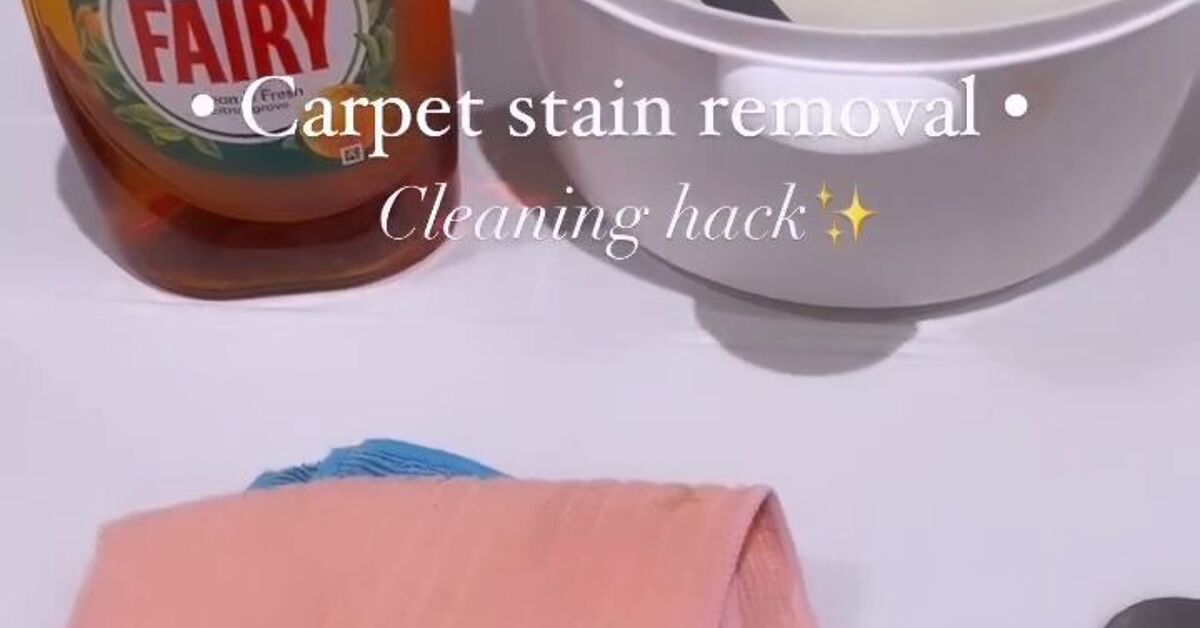
Carpet stains have an impressive sense of timing. Coffee waits until you are already late for work. Red wine targets the lightest section of the living room. A pet accide expensive carpet.
Fortunately, you do not always need a shelf full of specialty sprays to handle an everyday spill. An easy DIY carpet stain remover can be made with mild ingredients many households already have. The real secret, however, is not dumping a heroic amount of cleaner onto the stain. Effective carpet spot cleaning is a combination of the right solution, fast action, careful blotting, thorough rinsing, and enough patience to resist attacking the carpet with a scrub brush.
Carpet-care guidance consistently recommends absorbing fresh spills quickly, using a clean white cloth, and blotting rather than aggressively rubbing the fibers. Working from the outside of a spot toward the center can also help prevent the stain from spreading. simple homemade carpet stain remover recipe, followed by practical techniques for coffee, food, grease, mud, pet messes, and other household disasters. Your carpet may not send a thank-you card, but at least it can stop displaying yesterday’s spaghetti incident like modern art.
The Best Simple DIY Carpet Stain Remover Recipe
For a surprisingly useful general-purpose spot treatment, start with a mild detergent solution. The Carpet and Rug Institute and carpet manufacturer guidance commonly use a very small amount of clear liquid dishwashing detergent diluted in water. A typical formula is about 1/4 teaspoon of clear dish soap per cup of water. s
- 1 cup lukewarm water
- 1/4 teaspoon clear liquid dishwashing soap
- Clean white microfiber cloths or white paper towels
- A small bowl or clean spray bottle
- Plain cool water for rinsing
Choose a clear dish soap without bleach whenever possible. This is not the moment to use half a cup of ultra-concentrated detergent because you believe more bubbles mean more cleaning. Too much soap can be difficult to rinse from carpet fibers. Residual detergent may become sticky and encourage rapid re-soiling. It
Add the dish soap to the lukewarm water and stir gently. Avoid shaking the mixture like a protein drink unless you enjoy waiting for a mountain of foam to calm down.
You can keep the solution in a labeled spray bottle for convenient spot treatment, but spraying the cloth rather than soaking the carpet gives you more control. A small amount of moisture is usually easier to manage than a puddle that reaches the backing and pad.
How to Use Homemade Carpet Stain Remover Step by Step
Step 1: Remove Excess Material
If the stain is liquid, immediately blot away as much as possible with a clean white cloth. For semi-solid messes such as sauce or food, gently lift the material with a spoon or dull-edged utensil. Dry debris should generally be broken up or vacuumed before adding moisture. n by grinding a meatball into the carpet with a towel. That turns a surface problem into an archaeological excavation.
Step 2: Test the Cleaning Solution
Apply a tiny amount of your DIY carpet cleaner to an inconspicuous area, such as a hidden corner. Allow the test spot to dry and check for color loss, dye transfer, or changes in texture.
Pretesting is particularly important for rugs, dark carpets, natural fibers, and any carpet with an unknown cleaning history. Carpet-care organizations and retailers repeatedly recommend testing spot treatments before treating a visible area. ply a Small Amount
Dampen a clean white cloth with the detergent solution. Blot the stain from its outside edge toward the middle. Using a white cloth makes color transfer easier to see and reduces the risk of dye from a colorful towel moving onto the carpet.
Continue switching to a clean section of cloth as the stain transfers. This matters. Blotting with the same coffee-soaked corner for 10 minutes is less “stain removal” and more “coffee redistribution.”
Step 4: Give the Solution a Few Minutes
For a stubborn spot, allow the mild cleaning solution to work for approximately three to five minutes before blotting again. Some carpet-care procedures specifically allow detergent solution a brief contact period before continued blotting. ng a wet stain treatment sit forgotten for hours unless a carpet manufacturer or cleaning-product label specifically instructs you to do so.
Step 5: Rinse the Spot
Once the discoloration has lifted, use a fresh cloth lightly dampened with clean water. Blot repeatedly to remove detergent residue.
This simple rinsing step is one of the most overlooked parts of DIY carpet stain removal. Remaining soap can attract dirt, causing a mysterious gray spot to appear where the original stain used to be. Thorough water rinsing and blotting help reduce that problem. ot Dry
Press dry white towels firmly onto the damp area. For additional moisture removal, place several layers of white paper towels over the spot and add a flat, colorfast weight on top. Replace the towels if they become wet.
Allow the carpet to air-dry completely. Vacuum afterward to restore the texture of the fibers.
Optional DIY Carpet Stain Remover Boosters
The mild dish soap recipe is an excellent starting point, but stains are chemically different. Grease does not behave like coffee, and coffee does not behave like blood. A single magical potion for every stain is a wonderful idea right up there with calorie-free cheesecake.
White Vinegar for Some Food and Beverage Stains
For some recent spills, a diluted white vinegar solution may help after excess liquid has been blotted. The Home Depot, for example, describes a mixture of 1/2 cup vinegar with 1 cup water for certain carpet spots, applied as a light mist and then blotted. Other cleaning guidance uses smaller quantities of vinegar alongside highly diluted dishwashing detergent for specific food-related stains. -test vinegar first and check the carpet manufacturer’s care instructions. Do not assume that “natural” means universally safe for every fiber or dye.
Baking Soda for Odors and Oily Residue
Plain baking soda can be useful as a carpet deodorizer and, in some stain-cleaning procedures, as an absorbent treatment for oily material. The EPA’s household hazardous waste guidance even lists baking soda as a rug deodorizer that can be sprinkled on carpet, allowed to sit, and vacuumed. deodorizing, wait until the carpet is appropriately dry, apply baking soda, let it sit, and vacuum thoroughly. Avoid burying a soaking wet spill beneath a snowdrift of powder.
Hydrogen Peroxide for Selected Stubborn Stains
Three-percent hydrogen peroxide appears in a number of stain-removal techniques, especially for discoloration caused by certain foods, beverages, or biological materials. However, hydrogen peroxide is a mild bleaching agent and may lighten carpet dye. It should be spot-tested carefully, particularly on dark carpet. bt, skip the peroxide and use a carpet-approved product or professional service. Saving a stain is not much of a victory if you replace it with a perfectly clean, permanently pale circle.
How to Treat Common Carpet Stains
Coffee and Tea
Blot fresh coffee or tea immediately with a dry white cloth. Continue until you are picking up very little liquid. Apply the mild DIY carpet stain remover and work from the outer edge inward.
After the color transfers to the cloth, rinse with cool water and blot dry. Coffee and tea stains can be persistent, so several controlled blot-and-rinse cycles are generally better than one aggressive soaking.
Red Wine and Juice
Speed matters with intensely colored beverages. Begin by blotting. Do not rub. Plain cool water can help dilute a fresh spill before additional treatment. Dishwashing detergent and diluted vinegar are among household methods described for some wine stains, while hydrogen peroxide is sometimes suggested for suitable light-colored carpets after a colorfastness test. d is blot. Scrubbing red wine creates an excellent opportunity to transform a four-inch spot into a nine-inch spot.
Grease and Oily Food
Carefully remove solid food first. An absorbent powder such as baking soda may help with oily residue in some cleaning procedures. Vacuum the powder thoroughly, then use the diluted clear dish soap solution. Dishwashing detergent is designed to cut grease, which makes a mild version useful for many oily carpet spots. , and repeat. Do not use an excessive quantity of detergent.
Mud and Dirt
Mud is one of the rare messes that often becomes easier when you stop touching it. Allow ordinary tracked-in mud to dry, then vacuum up as much loose soil as possible.
Once the dry material is removed, treat remaining discoloration with the mild soap solution. Use small amounts and blot carefully. Adding cleaner to a thick layer of wet mud can create something resembling homemade pottery slip.
Fresh Blood
Use cool water rather than hot water. Carpet and Rug Institute guidance for blood stains includes rapid cool-water rinsing followed by a solution containing 1/4 teaspoon of clear, nonbleach dishwashing liquid and 1 cup of cool water. lly and rinse. For significant biological contamination or a stain involving a health concern, consider professional cleaning and appropriate protective measures.
Pet Accidents
For a fresh accident, absorb as much liquid as possible before cleaning. A mild spot treatment may help with visible residue, but odor is a separate challenge.
Enzymatic carpet cleaners are specifically designed to break down biological matter and are often recommended for urine and other organic pet stains. A general DIY solution may improve appearance without fully addressing material deeper in the carpet or padding. peatedly returns to the same area, use a product intended for pet odor removal and follow its label instructions.
Old or Set-In Stains
Old carpet stains require patience. Begin with a gentle treatment, blot, rinse, and allow the area to dry so you can accurately judge the result.
A stain that seems permanent when wet may look significantly lighter after drying. Repeated mild treatments can be preferable to saturating the spot with an aggressive homemade chemical cocktail.
DIY Carpet Cleaning Mistakes to Avoid
Do Not Scrub Aggressively
Scrubbing can distort carpet fibers and drive a mess deeper into the pile. Multiple carpet manufacturers and cleaning organizations recommend blotting rather than rubbing or abrasive scrubbing. ent towel press,” not “angry bathroom grout session.”
Do Not Oversaturate the Carpet
More liquid does not automatically produce more cleaning power. A heavily soaked spot can take longer to dry, and moisture can reach the carpet backing or pad.
Apply small quantities, blot frequently, and control the treatment area.
Do Not Leave Soap Behind
Dish soap is useful in tiny, highly diluted quantities. It is also meant to be rinsed away. Carpet-care guidance warns that detergent residue can contribute to rapid re-soiling. sible stain disappears, your job is not quite finished. Rinse with a lightly dampened cloth and blot dry.
Do Not Build a Science-Fair Volcano in Your Carpet
Baking soda and vinegar are famous DIY cleaning ingredients, but mixing them together is not automatically better. BISSELL notes that combining vinegar and baking soda largely neutralizes the advantages of each, while adding too much soap can leave sticky residue. g ingredients for a purpose, not because the mixture fizzes dramatically on social media.
Never Casually Mix Household Cleaning Chemicals
Do not mix your carpet solution with bleach, ammonia, or random leftover cleaners. Poison Control advises against mixing cleaning chemicals and specifically warns that bleach with ammonia can release chloramine gas. Bleach mixed with acids can also create dangerous fumes. cipes simple, label bottles clearly, and never reuse a container that still contains another chemical.
When a Homemade Carpet Cleaner Is Not the Right Choice
DIY carpet stain removal is best suited to small, ordinary household spots on compatible carpet. Stop and check professional or manufacturer guidance when dealing with valuable handmade rugs, vintage textiles, unknown fibers, large water-damaged areas, mold, tar, or difficult solvent-based stains.
Professional help may also make sense when a stain repeatedly returns after drying. This can happen when material remains deeper in the carpet and gradually wicks toward the surface. Carpet-care procedures sometimes use extended towel wicking specifically to draw moisture upward during drying. your carpet warranty and manufacturer’s cleaning recommendations before experimenting. A simple homemade solution may be inexpensive, but replacing an incorrectly treated wool rug is less charmingly budget-friendly.
Real-World Lessons From Everyday Carpet Stain Removal
The most useful experience-based lesson in carpet cleaning is that technique usually matters more than drama. People tend to panic when a dark drink hits pale carpet. The natural reaction is to grab the nearest cleaner, empty half the bottle, scrub furiously, and question every life decision that led to owning beige flooring.
A better pattern is much less exciting: absorb, identify, test, treat, rinse, and dry.
Consider a fresh coffee spill. The person who immediately starts scrubbing may force liquid across a larger group of fibers. The person who lays down a clean white towel, presses firmly, changes to a dry section, and repeats can remove a surprising quantity of coffee before a cleaning solution even enters the story. This matches the blot-first approach repeatedly emphasized in professional carpet-care instructions. mon lesson comes from using too much soap. At first, the carpet may look fantastic. The stain is gone. Everyone celebrates. A few weeks later, the cleaned area appears darker than the surrounding floor. It is tempting to assume the stain has returned, but sometimes the problem is sticky cleaning residue collecting ordinary soil. That is why a plain-water rinse and careful blotting are not optional decorative steps at the end of the process.
Pet stains offer a different lesson: visual cleanliness and odor removal are not always the same job. You may remove the visible yellow or brown discoloration and still have an odor problem because biological material has traveled below the surface. In this situation, endless applications of vinegar or perfume are not necessarily the answer. An appropriate enzyme-based product can make more sense for organic material, especially when odor encourages a pet to revisit the same location.
Greasy food stains also demonstrate why stain identification matters. Imagine two spots sitting next to each other after a party: one is cola, and the other is oily dip. They may both look like dark smudges, but the oily stain often responds better to a grease-cutting detergent approach. The drink stain may require repeated dilution and blotting. Treating every stain identically is like using a butter knife to fix every appliance because technically it is a tool.
Drying reveals another important lesson. A damp carpet naturally appears darker, so it can be difficult to judge your work immediately. Continuing to add cleaning solution because the wet fibers still look different may result in unnecessary saturation. Often, the smartest move after a thorough rinse and blot is simply to let the carpet dry. Check the area in normal daylight before deciding whether it needs a second treatment.
The white-cloth recommendation may sound overly particular until you see why it helps. A white towel clearly shows whether brown coffee, red juice, or dark soil is transferring out of the carpet. It also reduces the chance that dye from a brightly colored cleaning cloth will complicate the problem. You can watch the stain removal process almost like a progress indicator: when less color appears on fresh sections of towel, you know the treatment is doing its job.
One final practical lesson is to assemble a tiny carpet emergency kit before the emergency. Keep clear dish soap, white cloths, a small measuring spoon, baking soda, and a labeled spray bottle in one location. When a glass tips over, you will not waste the critical first few minutes searching three cabinets while someone stands over the stain giving motivational speeches.
The goal is not to create the strongest possible homemade carpet cleaner. The goal is to use the mildest effective method, control moisture, remove the stain material, rinse away residue, and preserve the carpet. A stain remover that destroys the stain and the surrounding carpet has technically completed only half the assignment.
Conclusion: Simple Ingredients, Better Technique, Cleaner Carpet
Making an easy and effective DIY carpet stain remover does not require an elaborate collection of chemicals. For many everyday spots, a basic mixture of 1 cup lukewarm water and 1/4 teaspoon clear liquid dish soap provides a practical starting point.
The bigger difference comes from how you use it. Remove excess material first. Test the solution in a hidden area. Blot from the edges toward the center. Use only enough cleaner to treat the fibers, rinse away detergent residue, and dry the carpet thoroughly.
White vinegar, baking soda, or 3% hydrogen peroxide may have roles in selected stain-cleaning situations, but they should be used thoughtfully rather than tossed together into a bubbling mystery bottle. Check carpet-care instructions and remember that peroxide can cause color loss.
Most of all, move quickly and stay calm. The carpet has already been stained. Yelling at the coffee will not intimidate it into leaving.











