
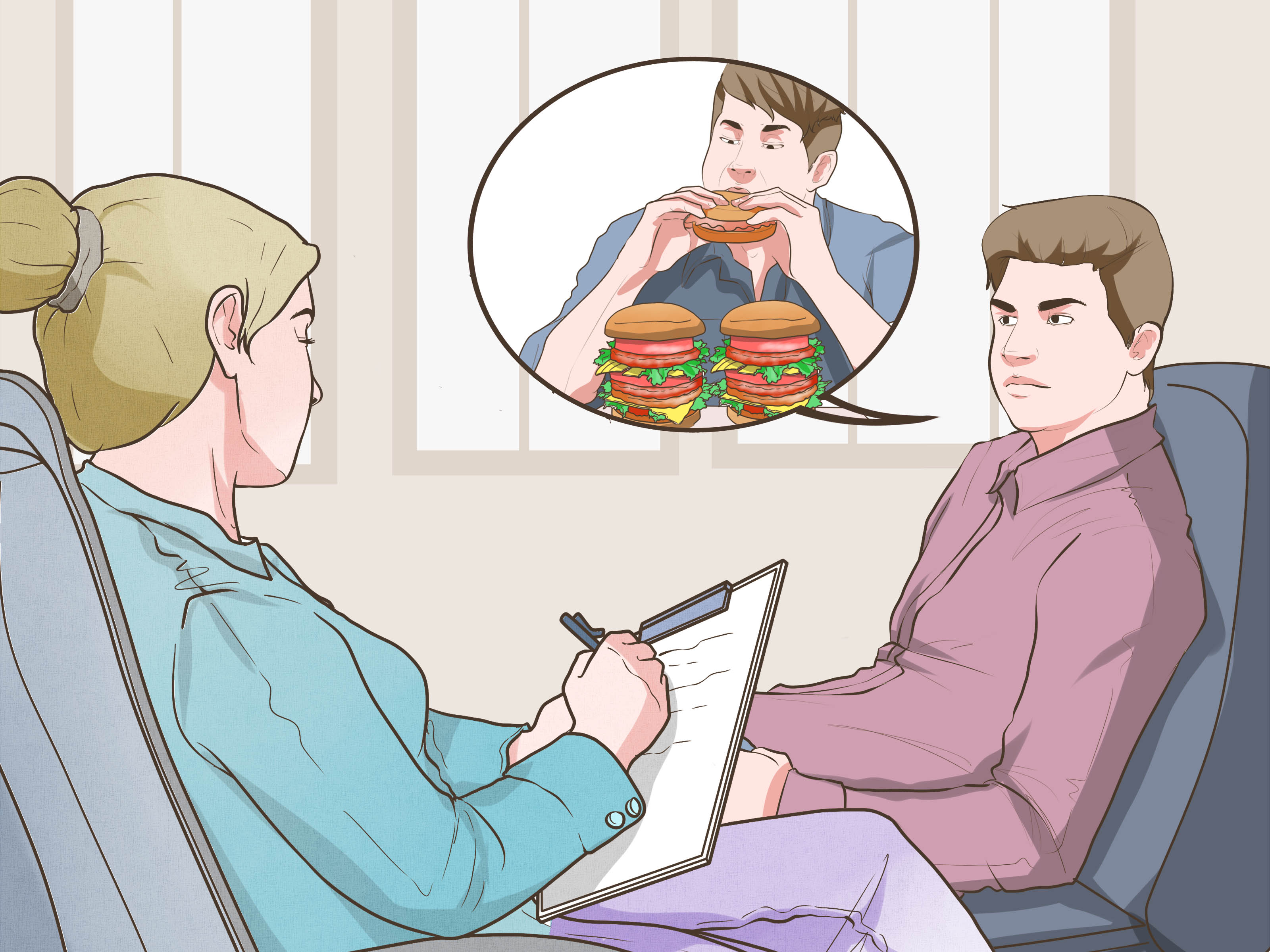
Important note before we begin: if you are a teenager, trying to lose weight “without your parents knowing” can be a red flagnot because you are doing something wrong, but because your body is still growing, changing, and basically running a full-time construction project with hormones as the foreman. This article is not a guide to secret dieting, skipping meals, hiding food, using weight-loss pills, or shrinking yourself to please anyone. Instead, it is a safe, practical guide to building healthier habits quietly, confidently, and responsiblywithout turning your life into a spy movie starring a bathroom scale.
Maybe you feel embarrassed talking about weight. Maybe your family comments too much. Maybe you simply want to feel stronger, more energetic, or more comfortable in your clothes without making it a household press conference. That is understandable. The healthiest path is not dramatic secrecy; it is small, steady habits that improve your nutrition, movement, sleep, mood, and self-respect. And if your weight, food, or body image is causing stress, fear, or compulsive behavior, please talk to a trusted adult, school counselor, doctor, nurse, coach, or relative. Privacy is fine. Dangerous secrecy is not.
Can You Lose Weight Without Making It Obvious?
Yes, but the goal should be healthy lifestyle changes, not rapid weight loss. Safe weight management is usually boring in the best possible way: more water, better meals, daily movement, less screen-snacking, better sleep, and fewer “I accidentally ate cereal out of a mixing bowl” moments. These changes may help your body settle into a healthier place over time, especially if you replace extreme plans with consistent routines.
For teens, weight is not the only sign of health. Growth, puberty, muscle development, stress, sports, menstrual cycles, sleep, and genetics all matter. That is why crash dieting is risky. Your body needs enough energy, protein, calcium, iron, healthy fats, carbohydrates, and fluids to grow. In other words, your body is not a phone battery you can run at 3% and call it discipline.
15 Safe Steps to Build Healthier Habits Privately
1. Change the Goal From “Lose Weight Fast” to “Feel Better Daily”
A healthier goal might be: “I want more energy,” “I want to walk without getting tired,” “I want to eat fewer sugary snacks,” or “I want to feel confident in my body.” These goals are better than obsessing over a number. Weight can fluctuate from water, salt, hormones, digestion, and normal growth. Daily habits are easier to control than the scale.
2. Do Not Skip Meals
Skipping breakfast or lunch may sound like a shortcut, but it often backfires. You may feel tired, moody, distracted, and extremely ready to inhale the entire kitchen later. A better approach is to eat balanced meals with protein, fiber, and healthy carbohydrates. For example, eggs with whole-grain toast, yogurt with fruit, rice with chicken and vegetables, or a bean burrito with salsa can keep you satisfied without feeling deprived.
3. Use the “Add First” Method
Instead of starting with “I can’t eat this” or “I must stop that,” begin by adding helpful foods. Add fruit to breakfast. Add vegetables to lunch. Add water before soda. Add protein to snacks. When your meals become more filling and nutritious, ultra-processed snacks often become less tempting naturally. It is hard for a vending machine cupcake to look heroic when your body already got real food.
4. Drink More Water Without Making It a Big Deal
Water supports digestion, focus, energy, and exercise. A simple habit is to keep a reusable bottle nearby and sip throughout the day. If plain water feels too plainlike drinking from a cloud with no personalitytry adding lemon, cucumber, mint, or fruit slices. Replacing some sugary drinks with water is one of the easiest quiet changes you can make.
5. Build Meals Around the Plate Method
A balanced plate often includes vegetables or fruit, protein, grains or starchy foods, and dairy or another calcium-rich choice. Think chicken, tofu, fish, eggs, beans, yogurt, milk, lentils, rice, oats, potatoes, whole-grain bread, berries, greens, carrots, or avocado. You do not need a perfect meal. You need a repeatable meal. Perfect eating lasts three days. Practical eating lasts years.
6. Choose Snacks That Actually Help
Snacks are not the enemy. Random grazing while bored is the sneaky little goblin. Choose snacks that combine protein and fiber, such as apple slices with peanut butter, Greek yogurt with berries, hummus with carrots, cheese with whole-grain crackers, boiled eggs, nuts, edamame, or popcorn. A good snack should help you reach the next meal, not start a snack parade.
7. Move Every Day in a Way You Do Not Hate
You do not need a dramatic workout montage. Walking, biking, dancing, swimming, basketball, jump rope, yoga, bodyweight exercises, or helping with chores can all count as movement. The best exercise is the one you will actually do again. If you hate running, do not make running your personality. Try brisk walks with music, short home workouts, or sports with friends.
8. Aim for Strength, Not Shrinking
Strength training can help build muscle, support posture, improve confidence, and make daily life easier. Start with bodyweight movements like squats, wall push-ups, lunges, planks, step-ups, or light resistance bands. Focus on form, not ego. No one needs to begin their fitness journey by wrestling a barbell like it insulted their family.
9. Sleep Like It Is Part of the PlanBecause It Is
Sleep affects hunger, energy, mood, school performance, and motivation. When you sleep poorly, cravings can feel louder, workouts feel harder, and everything becomes more annoying, including chairs, homework, and people breathing nearby. Create a basic sleep routine: dim lights, reduce screens before bed, keep caffeine earlier in the day, and try to wake up at a consistent time.
10. Reduce Mindless Eating Without Becoming Weird About Food
Mindless eating often happens while scrolling, gaming, watching videos, or standing in the kitchen pretending you are “just looking.” Try eating meals and snacks from a plate or bowl instead of directly from the package. Sit down when possible. Notice whether you are hungry, bored, stressed, or tired. Awareness is not restriction; it is simply turning the lights on.
11. Handle Family Meals Calmly
If your family meals are heavy, you can make small choices without announcing a lifestyle revolution. Take a normal portion, include vegetables if available, drink water, eat slowly, and stop when comfortably full. You do not need to reject everything your family cooks. Food is culture, comfort, and connection. The goal is balance, not becoming the dinner table detective.
12. Avoid Secret Diet Products
Do not use weight-loss pills, laxatives, detox teas, appetite suppressants, or “fat-burning” supplements. Many are unsafe, especially for teens, and some can harm your heart, digestion, mood, sleep, or growth. Detox teas do not “cleanse” your body; your liver and kidneys already have that job and, frankly, they did not ask for a marketing department.
13. Be Careful With Social Media Advice
Social media can make unhealthy behavior look glamorous. A stranger’s “what I eat in a day” video may be edited, incomplete, sponsored, or totally inappropriate for your body. Avoid content that makes you feel panicked, guilty, or obsessed. Follow creators who promote strength, balanced meals, realistic bodies, mental health, and evidence-based habits.
14. Track Habits, Not Calories
For many teens, calorie tracking can become stressful or obsessive. A safer option is habit tracking. You might check off simple goals like: drank water, ate breakfast, moved for 30 minutes, included a fruit or vegetable, slept on time, or took a walk after school. These habits improve health without turning every meal into math homework with emotional damage.
15. Know When Privacy Should Become Support
It is okay to want privacy. It is not okay to suffer alone. Talk to someone if you are skipping meals, hiding food, purging, exercising when injured, feeling afraid of eating, weighing yourself constantly, using diet products, losing weight rapidly, or feeling worthless because of your body. Support is not punishment. A good adult or health professional can help you stay safe while working toward your goals.
What If Your Parents Comment on Your Body?
Body comments from family can hurt, even when they are “just joking.” If your parents talk about your weight in a way that makes you uncomfortable, try a calm script: “I’m working on being healthier, but comments about my body make me feel stressed. Can we talk about habits instead?” If saying that directly feels hard, write it in a message. You can also talk to another adult first, such as a counselor, aunt, uncle, teacher, doctor, or coach.
Sometimes parents worry because they care, but worry can come out as criticism. Sometimes they simply do not know how to talk about food and bodies without sounding like a pop-up ad for insecurity. Either way, you deserve conversations that are respectful and health-focused.
Healthy Weight Loss for Teens: What Matters Most?
The safest habits are not dramatic. They are ordinary, repeatable, and flexible. Eat regular meals. Choose more whole foods. Drink water. Move daily. Sleep enough. Limit sugary drinks. Build strength. Manage stress. Ask for help when needed. These habits may support healthy weight over time, but they also improve energy, mood, digestion, confidence, and focus.
If a doctor has told you that weight loss would benefit your health, ask for specific guidance. If no doctor has said that, be careful about assuming you need to lose weight. Many teens compare themselves to filtered images, classmates, celebrities, athletes, or older siblings. Comparison is a terrible coach. It yells a lot and knows almost nothing.
Red Flags: When Weight Loss Is Becoming Unsafe
Pause and get support if you notice any of these warning signs:
- You feel guilty or panicked after eating.
- You skip meals to “make up” for food.
- You hide food, throw food away, or lie about eating.
- You exercise even when sick, exhausted, or injured.
- You use laxatives, diet pills, detox teas, or vomiting to control weight.
- You avoid friends, family meals, or social events because of food.
- You feel like your worth depends on your weight.
If any of these sound familiar, you are not weak or dramatic. You may need support, and support works best when it starts early. Talk to a trusted adult or healthcare professional. If you are in immediate danger or feel unable to keep yourself safe, contact local emergency services right away.
A 7-Day Low-Drama Healthy Habit Plan
Day 1: Add Water
Carry a water bottle and drink before school, during lunch, and after physical activity. Do not force huge amounts. Just make water the default.
Day 2: Upgrade Breakfast
Choose something with protein and fiber: oatmeal with fruit, eggs and toast, yogurt and granola, or a smoothie with milk, fruit, and peanut butter.
Day 3: Walk 20–30 Minutes
Walk after school, after dinner, or while listening to music. A walk is simple, free, and unlikely to make anyone ask why you suddenly joined “Olympic Stair-Climbing Club.”
Day 4: Add a Vegetable or Fruit
Put fruit in breakfast, add lettuce and tomato to a sandwich, snack on carrots, or include vegetables with dinner.
Day 5: Eat Without Screens Once
Pick one meal or snack and eat without your phone. Notice taste, fullness, and hunger. This is not magic, but it helps.
Day 6: Do a Simple Strength Routine
Try two rounds of 10 squats, 10 wall push-ups, 10 lunges, and a 20-second plank. Keep it easy and safe.
Day 7: Sleep Reset
Put your phone away earlier, dim the lights, and aim for a calmer bedtime. Sleep is the underrated superhero of health habits.
of Real-Life Experience: The Quiet Way Healthy Change Actually Happens
Many people imagine weight loss as a huge announcement: new gym clothes, a strict meal plan, a fridge full of mysterious green things, and a dramatic speech about “becoming a new me.” In real life, the healthiest changes often look much quieter. They look like drinking water before reaching for soda. They look like walking home instead of waiting for a ride. They look like eating breakfast even when you are tempted to skip it because some influencer with perfect lighting said breakfast is “optional.”
One common experience is that people start with too much intensity. They promise themselves they will never eat chips again, work out every day, avoid all desserts, and become a fitness legend by next Thursday. Then life happens. Homework piles up. Friends invite them out. Someone brings pizza home. The plan collapses, and they feel like they failed. But the problem was not the person. The problem was the plan. A healthy plan has room for normal life.
A better experience is slower and less glamorous. For example, someone might start by taking a 15-minute walk after dinner. At first, it feels too small to matter. But after a week, they notice they sleep better. After two weeks, the walk becomes a break from stress. After a month, they may feel more energetic. No one had to know it was “for weight loss.” It was simply a walk. That is the beauty of quiet habits: they do not need applause to work.
Food changes can feel the same way. Instead of secretly dieting, a person might begin adding more filling foods. They still eat family meals, but they add vegetables when possible, choose water more often, and stop eating directly from snack bags. They learn that hunger is not an emergency and fullness is not a failure. They also learn that one cookie does not ruin anything. In fact, knowing how to enjoy a cookie without spiraling into guilt is a sign of a healthier relationship with food.
Another real experience is emotional. Sometimes the desire to lose weight is not really about health. It may be about wanting control, wanting approval, or wanting to stop feeling judged. That is why support matters. A trusted adult, counselor, or doctor can help separate healthy goals from harmful pressure. The strongest people are not the ones who hide everything. They are the ones who know when to ask for backup.
Over time, the best “secret” is not secrecy at all. It is consistency. You become the person who drinks water, walks often, eats breakfast, sleeps better, and treats your body like it belongs to someone you care about. Because it does. And unlike a crash diet, that kind of change can last.
Conclusion
So, how do you lose weight without your parents knowing? The safest answer is: do not hide dangerous weight-loss behavior. Instead, build healthy habits so ordinary that they do not need a dramatic explanation. Eat regular meals, add nutritious foods, move in ways you enjoy, drink water, sleep enough, and protect your mental health. If you are a teen, your body is still developing, so extreme restriction, secret dieting, diet pills, purging, or obsessive exercise can be harmful. Privacy is normal. Isolation is risky.
Health should make your life bigger, not smaller. If your plan makes you afraid of food, ashamed of your body, or desperate to hide, it is time to involve someone safe. You deserve support, strength, confidence, and meals that do not come with a side dish of panic.












