
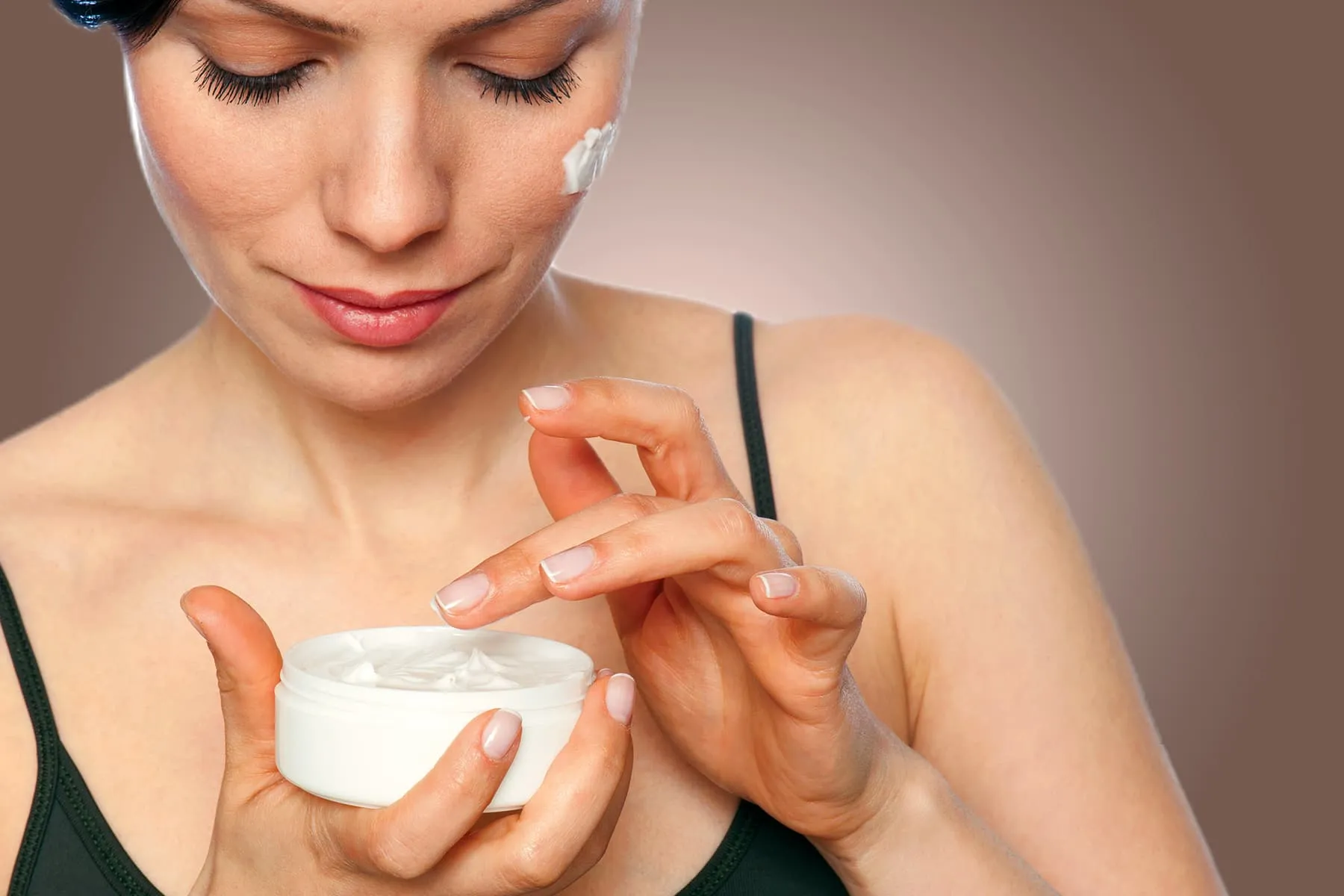
Eczema can make getting ready feel less like a beauty routine and more like negotiating with ats moisturizer, sunscreen, and makeup without complaint. The next, it rejects everythingincluding the product it loved yesterday.
Still, having eczema does not mean giving up cosmetics, glowing skin, stylish hair, or the simple pleasure of feeling polished. The secret is to redefine beauty around comfort and skin health. Instead of forcing irritated skin to look “perfect,” you create a routine that protects the skin barrier, minimizes triggers, and uses makeup strategically rather than aggressively.
This guide explains how to stay beautiful with eczema using a practical, barrier-first approach. You will learn how to cleanse, moisturize, apply sunscreen, wear makeup, manage visible flares, and care for commonly affected areas such as the eyelids, lips, scalp, and hands.
Understand What Eczema-Prone Skin Needs
Atopic dermatitis, the most common form of eczema, is a chronic inflammatory skin condition associated with dryness, itching, sensitivity, and a weakened protective barrier. Healthy skin acts like a well-built wall: skin cells are the bricks, and natural lipids are the mortar. With eczema, that wall develops gaps. Water escapes more easily, while irritants and allergens have an easier time getting inside.
This is why eczema-prone skin may react to seemingly innocent products. A fragrant face cream, foaming cleanser, glittery eye shadow, or trendy botanical serum may feel like a surprise attack. Even products labeled “natural,” “clean,” or “hypoallergenic” are not automatically suitable for eczema.
Your primary beauty goal should therefore be simple: keep the skin barrier calm, hydrated, and protected. Once the foundation is comfortable, foundation makeup becomes much easier too.
Build a Barrier-First Eczema Skincare Routine
Cleanse Without Stripping the Skin
Use a mild, fragrance-free, nonsoap cleanser. Traditional soaps and strongly foaming cleansers can remove protective oils and leave eczema-prone skin feeling tight, itchy, or hot. You do not need a cleanser that makes your face squeak. Squeaky-clean skin is often skin asking for legal representation.
Wash with lukewarm water rather than hot water. Hot showers may feel wonderful temporarily, especially when the skin itches, but prolonged heat can worsen dryness. Keep showers or baths relatively short, avoid scrubbing brushes, and use your fingertips or a very soft cloth.
After washing, gently pat the skin with a clean towel. Do not rub it like you are polishing a bowling ball. A little moisture left on the surface can help when you apply moisturizer immediately afterward.
Moisturize While the Skin Is Still Damp
A thick fragrance-free cream or ointment is usually more protective than a lightweight lotion. Ointments contain more oil and are excellent at reducing water loss, although they can feel greasy. Creams offer a useful compromise between comfort and staying power.
Look for straightforward formulas containing ingredients such as petrolatum, ceramides, glycerin, dimethicone, or colloidal oatmeal. A moisturizer does not need to arrive in a diamond-shaped jar or contain an extract harvested during a full moon. It needs to help your skin retain water without causing burning, itching, or redness.
Apply moisturizer after bathing and again whenever the skin feels dry. For many people, this means at least twice daily. Use clean hands and press the product gently into the skin rather than massaging inflamed areas vigorously.
Do Not Confuse “Unscented” with “Fragrance-Free”
Choose products specifically labeled fragrance-free. An “unscented” product may still contain fragrance ingredients used to mask the smell of other components. Fragrance is a frequent cause of irritation or allergic contact dermatitis, particularly in people whose skin barrier is already vulnerable.
Also remember that the term “hypoallergenic” does not guarantee that a cosmetic will be safe for you. Cosmetic label claims do not replace a careful ingredient review or personal product testing.
Test Every New Product Before Full Application
Before applying a new serum, moisturizer, sunscreen, foundation, or concealer to your entire face, test it on a small area. Apply a normal amount to a quarter-sized spot on the inner arm or elbow area once or twice daily for seven to ten days. Stop if you notice itching, burning, swelling, bumps, or a rash.
This home product test is not the same as medical patch testing performed by a dermatologist or allergist. Professional patch testing may be appropriate when reactions keep happening and the trigger remains mysterious.
Add only one new product at a time. Introducing a cleanser, toner, serum, moisturizer, primer, and foundation on Monday makes it nearly impossible to identify which one ruined Tuesday.
Create a Simple Morning Routine
- Rinse with lukewarm water or use a gentle fragrance-free cleanser.
- Apply prescribed eczema medication exactly as directed, when applicable.
- Apply a thick moisturizer and allow it to settle.
- Use broad-spectrum, water-resistant sunscreen with SPF 30 or higher.
- Apply makeup only after the skincare layers have stopped feeling wet or slippery.
Mineral sunscreens containing zinc oxide, titanium dioxide, or both may be better tolerated by some people with sensitive skin. However, any sunscreen can cause a reaction in a particular individual, so test it first. Tinted mineral formulas may also reduce the chalky appearance that some products leave on deeper skin tones.
Sun protection matters for more than sunburn prevention. Eczema inflammation can leave temporary darker or lighter marks after a flare, especially in richly pigmented skin. Daily sunscreen and protective clothing can reduce additional color contrast while the skin gradually recovers.
How to Wear Makeup Without Angering Your Eczema
Skip Makeup on Open or Weeping Skin
Do not apply foundation, concealer, eye shadow, or other cosmetics directly over cracked, bleeding, blistered, crusted, or weeping eczema. Makeup can sting, trap contaminants, complicate cleaning, and make it harder to notice signs of infection.
Give the area a cosmetic vacation and follow your treatment plan. Seek medical care if you notice increasing pain, warmth, swelling, pus, yellow crusting, rapidly spreading redness, fever, or eczema that suddenly begins leaking fluid.
Choose Flexible, Fragrance-Free Formulas
Dry powders can collect around flakes and make texture appear more obvious. Many people prefer a moisturizing liquid, cream, or balm foundation during calm periods. That does not mean every creamy product is eczema-friendly; it still needs to be fragrance-free, tested, and comfortable on your skin.
Look for a short ingredient list when possible. Avoid cosmetics that produce a cooling, tingling, heating, or plumping sensation. In beauty advertising, tingling is often presented as proof that something exciting is happening. On eczema-prone skin, the exciting thing may be inflammation.
Use Thin Layers and a Pressing Motion
Begin with less product than you think you need. Place small dots of foundation where coverage is desired, then press or stipple it into the skin with clean fingers, a damp sponge, or a soft brush. Avoid dragging tools repeatedly across irritated patches.
Build coverage gradually. Thick makeup is more likely to crack, separate, or emphasize dry areas. A sheer, even layer usually looks fresher than a heavy mask trying to conceal every visible difference.
Use Color Correction Strategically
When the skin is intact and calm enough for makeup, a small amount of color corrector can reduce the amount of foundation needed. Green-toned corrector can visually soften redness. Peach, orange, or reddish correctors may help neutralize brown, gray, or bluish discoloration, depending on your skin tone.
Apply color corrector only where needed, blend gently, and cover it with a thin layer of concealer or foundation. The objective is not to erase your skin. It is to create a more even appearance without building a cosmetic brick wall.
Keep Brushes and Sponges Clean
Wash reusable makeup tools regularly with a gentle fragrance-free cleanser and let them dry completely. Dirty brushes can collect oils, old product, and microorganisms. Avoid sharing cosmetics or applicators, especially eye and lip products.
Replace products that smell unusual, change texture, separate unexpectedly, or pass their recommended use period. Stop using any cosmetic associated with a recurring rash, even when it was expensive enough to arrive with its own velvet pouch.
Give Special Attention to Sensitive Areas
Eyelids
Eyelid skin is thin and particularly vulnerable to irritants and allergens. Eye makeup, nail products, hair dye, fragrance, cleansers, eye drops, and eyelash adhesives may contribute to eyelid dermatitis. Interestingly, the trigger does not always have to be placed directly on the eyelid; it may be transferred by your fingers.
During an eyelid flare, temporarily stop eye makeup, false lashes, fragranced products, and nonessential creams. Use only products recommended for the area by your healthcare professional. Do not casually apply strong steroid medication near the eyes, because the location requires specific medical guidance.
Lips and the Skin Around the Mouth
Fragranced or flavored lip balms, long-wear lip colors, plumping glosses, toothpaste, mouthwash, and habitual lip licking can aggravate sensitive lips. Plain petrolatum is often a useful protective option. Choose fragrance-free, dye-free products and avoid peeling loose skin with your fingers.
Persistent rashes around the mouth may not be ordinary eczema. Perioral dermatitis, allergic contact dermatitis, irritation, or infection can resemble one another, so obtain a professional diagnosis when the problem does not improve.
Scalp and Hairline
Shampoo, conditioner, styling spray, dry shampoo, fragrance, preservatives, and hair dye can affect the scalp, ears, eyelids, neck, and hairline. Rinse hair products thoroughly and keep scented styling products away from active eczema.
Never dye, bleach, relax, or perm hair when the scalp is cracked, inflamed, sunburned, or damaged. Follow the manufacturer’s allergy-test instructions every time you use hair dye, even if you have used the same shade before. Allergic reactions can develop after repeated exposure.
Hands and Nails
Frequent handwashing, sanitizer, cleaning chemicals, nail polish, gel manicures, and artificial nail adhesives can worsen hand eczema. Wear protective gloves for wet work, but choose a glove system that does not make your hands sweaty. Cotton liners under protective gloves may improve comfort.
Moisturize after every handwashing and keep fingernails smooth. Short nails reduce accidental skin damage during scratching. Gel nails and acrylic products contain chemicals that can cause allergic reactions in some users, so unexplained eyelid, finger, or facial eczema deserves professional evaluation.
Use a Calm Evening Beauty Routine
Remove makeup gently every night. Avoid makeup wipes that contain fragrance, alcohol, or harsh preservatives if they sting or leave the skin tight. A gentle creamy cleanser may be enough. Heavy, water-resistant makeup may require a compatible cleansing balm followed by a mild cleanser, but double cleansing is optionalnot a sacred ritual enforced by the skincare police.
Pat dry, apply prescribed treatment to affected areas as directed, and seal the skin with moisturizer. A thin layer of ointment over especially dry spots may reduce overnight water loss.
Keep the bedroom comfortably cool because heat and sweating can increase itching. In dry conditions, a properly maintained humidifier may help, but it must be cleaned according to its instructions to prevent mold or microbial buildup.
Support Beautiful Skin Beyond the Bathroom Mirror
Choose Comfortable Clothing
Soft, breathable fabrics are generally kinder to eczema-prone skin than rough wool, scratchy seams, or tight clothing that traps sweat. Wash new clothes before wearing them. Use fragrance-free laundry detergent and consider an extra rinse if residue appears to bother your skin.
Manage Heat, Sweat, and Stress
Overheating and sweat are common eczema triggers. Exercise in a cool environment when possible, wear breathable clothing, rinse off sweat promptly, and moisturize afterward.
Stress does not mean eczema is “all in your head.” It means the nervous system, immune system, sleep, scratching behavior, and skin inflammation can influence one another. Regular sleep, physical activity, relaxation exercises, therapy, or simple boundaries around stressful situations may support overall management.
Avoid Random Elimination Diets
Do not remove major food groups merely because an online influencer declared dairy, gluten, tomatoes, joy, and Tuesdays inflammatory. Food allergies can coexist with eczema, particularly in some children, but unnecessary dietary restriction can cause nutritional problems and rarely replaces appropriate skin treatment.
Discuss suspected food reactions with a qualified healthcare professional. Testing and elimination plans should be based on a convincing history and clinical guidance rather than guesswork.
When Professional Treatment Is Part of Your Beauty Routine
Moisturizer is essential, but moderate or severe eczema may require prescription treatment. Depending on the location and severity, clinicians may recommend topical corticosteroids, nonsteroidal anti-inflammatory creams, oral medicines, injectable treatments, or phototherapy.
Consult a dermatologist or other qualified healthcare professional when eczema frequently interrupts sleep, affects daily activities, involves the eyes, becomes painful, appears infected, or fails to improve with basic care. Repeated reactions to cosmetics may warrant formal patch testing to identify allergens such as fragrance ingredients, preservatives, metals, adhesives, or hair-dye chemicals.
Real-Life Experiences: Staying Beautiful with Eczema
Living with eczema teaches you that a successful beauty routine is not always glamorous. Sometimes the biggest victory is wearing sunscreen without your face feeling as though it has been lightly seasoned with chili powder.
Consider a common experience: You wake up with a dry patch beside your nose on the morning of an important event. Your first instinct may be to exfoliate it into submission. That usually makes matters worse. A better approach is to cleanse gently, apply moisturizer, wait for it to absorb, and use a very small amount of flexible concealer pressed onto the surrounding skin. The patch may remain slightly visible, but it looks calmer and feels significantly better.
Another familiar situation happens during product experimentation. A new serum promises radiance, pore refinement, wrinkle reduction, emotional growth, and possibly better credit. You apply it everywhere on Friday. By Sunday, your eyelids are swollen and your cheeks itch. The lesson is not that skincare is forbidden; it is that eczema rewards patience. Testing one product at a time may feel boring, but boring skin is frequently excellent skin.
Many people also discover that their “holy grail” routine changes with the seasons. A lightweight cream may work beautifully during a humid summer but become inadequate when indoor heating dries the winter air. During colder months, an ointment applied over moisturizer at night may reduce flaking. In hot weather, thinner layers and breathable clothing may feel more comfortable.
Makeup application often becomes more skillful after eczema because you learn to work with texture rather than fight it. Instead of covering the entire face with full-coverage foundation, you might use tinted mineral sunscreen, spot-conceal discoloration, add cream blush, groom the brows, and finish with a plain lip balm. The result can look polished while requiring fewer products and less friction.
There are emotional experiences too. Visible eczema may attract questions, advice, or uncomfortable staring. Someone will eventually recommend coconut oil with the confidence of a person revealing the location of buried treasure. You are allowed to smile, change the subject, and follow the treatment plan that actually works for you.
On difficult flare days, beauty may mean protecting cracked hands with moisturizer and gloves. It may mean wearing glasses instead of eye makeup because the eyelids need rest. It may mean choosing a bright scarf, an excellent hairstyle, or a favorite pair of earrings while leaving inflamed skin uncovered.
The most useful long-term habit is keeping a simple diary. Record new products, weather changes, menstrual cycles, stress, sweating, travel, treatments, and unusual reactions. Patterns may gradually appear. Perhaps a fragranced shampoo affects your neck, a gel manicure precedes eyelid irritation, or hotel detergent triggers itching. This information can help you and your clinician make more precise decisions.
Most importantly, eczema can change how skin looks, but it does not reduce attractiveness, cleanliness, professionalism, or personal worth. Beautiful skin is not skin that never becomes red, textured, dry, or uneven. It is skin treated with knowledge and patienceand owned by someone who refuses to let a flare cancel the entire day.
Conclusion
Learning how to stay beautiful with eczema is less about hiding every patch and more about creating conditions in which the skin can function comfortably. Use a gentle fragrance-free cleanser, moisturize consistently, protect the skin from the sun, test new products, and keep makeup light during stable periods. When eczema is cracked, weeping, painful, or possibly infected, put cosmetics aside and prioritize treatment.
A minimalist routine may not earn millions of views on social media, but it can produce something more valuable: calmer skin, fewer mystery reactions, and confidence that does not disappear whenever a flare arrives.
Note: This article provides general educational information and is not a substitute for diagnosis or individualized medical care. Consult a dermatologist, allergist, or other qualified healthcare professional for persistent, severe, infected, or treatment-resistant eczema.













