
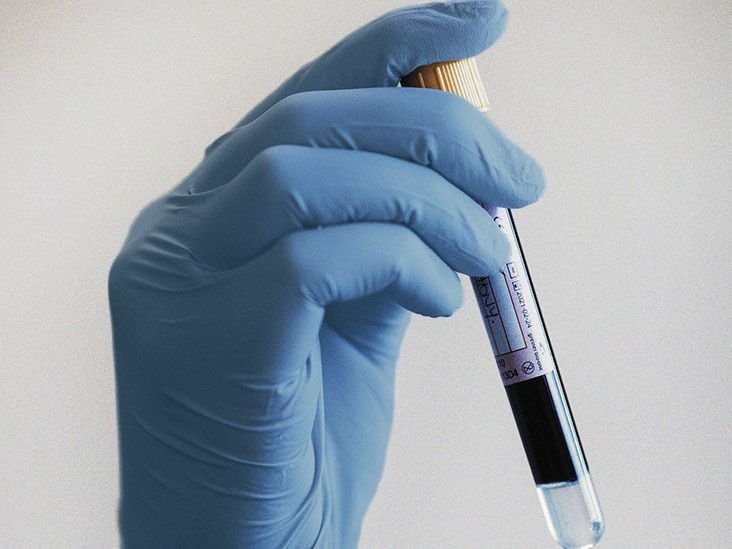
After a possible HIV exposure, one question tends to arrive loudly and immediately: “How long until I know?” Unfortunately, the body does not send a neat calendar invitation labeled “HIV symptoms, 10:00 a.m., Tuesday.” HIV can cause early symptoms, but many people have none at all. That is why symptoms can offer clues, while testing provides answers.
For people who do develop early symptoms, they often appear about two to four weeks after HIV infection. The symptoms can resemble the flu, a cold, mono, COVID-19, or a rough few days after not sleeping enough. That overlap is exactly why guessing based on a sore throat or a rash is not reliable. The practical move is to understand the timeline, choose the right test, and act quickly when appropriate.
Medical note: This article is educational and does not replace personal medical care. If a possible HIV exposure happened within the past 72 hours, seek urgent medical advice about post-exposure prophylaxis (PEP) rather than waiting for symptoms.
The Quick Answer: When Do HIV Symptoms Usually Start?
Early HIV symptoms, sometimes called acute HIV infection or acute retroviral syndrome, often begin within two to four weeks after infection. Roughly two-thirds of people experience a flu-like illness during this early stage, but others may feel completely normal.
That last part matters. No symptoms do not mean no HIV. On the other hand, having fever, fatigue, or a rash does not mean someone has HIV. Bodies are dramatic, viruses are repetitive, and several common illnesses can produce nearly identical symptoms.
The only reliable way to know whether HIV is present is to take an HIV test at the appropriate time after exposure.
What Happens in the First Weeks After HIV Infection?
HIV is a virus that attacks immune cells that help the body fight infection. During the earliest stage, the virus can multiply quickly. Some people develop a noticeable immune response, while others have no obvious symptoms at all.
Week 1: Usually Too Early for Symptoms
During the first several days after exposure, most people will not notice HIV-related symptoms. The virus may be establishing infection, but the body has not necessarily produced a recognizable response. This period is also important because not every HIV test can detect infection immediately.
Weeks 2 to 4: The Most Common Early Symptom Window
If symptoms occur, this is the most common time frame. The illness may feel like influenza or mononucleosis. It can be mild enough to ignore or uncomfortable enough to send someone searching the internet at 2:17 a.m. with a blanket, a thermometer, and very little patience.
Possible early HIV symptoms include:
- Fever or chills
- Fatigue or unusual tiredness
- Sore throat
- Swollen lymph nodes
- Rash
- Headache
- Muscle aches or joint pain
- Night sweats
- Mouth sores
- Diarrhea, nausea, or reduced appetite
Not everyone gets the same combination. One person may have fever and fatigue. Another may have a rash and sore throat. A third may have no symptoms whatsoever. HIV does not follow a tidy script, which is inconvenient for anyone hoping to diagnose themselves from a checklist.
After the Early Stage: Symptoms May Fade or Disappear
Early symptoms may last days or weeks and then improve. This does not mean the infection has disappeared. HIV can move into a chronic stage in which a person may feel well for years without treatment. During that time, the virus can still affect the immune system and can still be transmitted.
That is why waiting for “serious symptoms” is a poor strategy. HIV is most manageable when it is diagnosed and treated early.
Why HIV Symptoms Cannot Diagnose HIV
Many early HIV symptoms are nonspecific. Fever, tiredness, swollen glands, muscle aches, rash, and sore throat can also happen with influenza, COVID-19, mono, strep throat, hepatitis, other sexually transmitted infections, medication reactions, or ordinary viral illnesses.
A useful rule is this: symptoms can raise a question, but testing answers it.
For example, imagine someone develops a fever and sore throat two weeks after a sexual encounter they are worried about. Those symptoms could fit acute HIV, but they could also be the flu or another infection. A healthcare professional may recommend HIV testing and possibly testing for other sexually transmitted infections as well.
Likewise, someone may feel perfectly healthy after a possible exposure. That person should not assume everything is fine simply because the body feels quiet. HIV can be present without early symptoms.
Symptoms Timeline vs. HIV Test Timeline
One of the most confusing parts of HIV testing is that symptoms and test results do not operate on the same schedule. A person may have symptoms before a particular test can detect HIV. Another person may have no symptoms but receive a positive test result.
This delay is called the window period: the time between infection and when a specific HIV test can usually detect HIV.
| HIV Test Type | What It Looks For | Typical Detection Window After Exposure |
|---|---|---|
| Nucleic Acid Test (NAT) | The virus itself, usually HIV RNA | About 10 to 33 days |
| Lab Antigen/Antibody Test | HIV p24 antigen and antibodies | About 18 to 45 days |
| Rapid Finger-Stick Antigen/Antibody Test | HIV p24 antigen and antibodies | About 18 to 90 days |
| Antibody Test or Most HIV Self-Tests | HIV antibodies | About 23 to 90 days |
These are general ranges, not personal guarantees. A clinician can recommend the best test based on the date and type of exposure, current symptoms, prior test results, and whether someone has used PEP or PrEP.
Why a Negative Test Can Sometimes Need Repeating
A negative test is encouraging, but timing matters. Testing very soon after exposure may be too early for the chosen test to detect HIV. In that case, a healthcare professional may recommend another test after the relevant window period.
For instance, an at-home antibody test taken a few days after exposure cannot rule out HIV from that recent event. The test may simply be looking too soon for antibodies that have not yet developed.
Do not panic if a provider recommends follow-up testing. That is standard medical practice, not a sign that something is wrong.
What to Do After a Possible HIV Exposure
The right next step depends mostly on how recently the exposure occurred.
If It Happened Within 72 Hours
Seek urgent medical care and ask about post-exposure prophylaxis (PEP). PEP is a short course of HIV medicines used after a possible exposure. It must be started within 72 hours, and sooner is better.
Possible situations that may warrant urgent PEP evaluation include sex without a barrier method when HIV status is unknown or positive, a condom breaking during sex, sharing injection equipment, sexual assault, or a work-related needlestick injury.
Do not wait for symptoms before seeking PEP. Symptoms may not appear until weeks later, while the PEP time limit is measured in hours.
If It Happened More Than 72 Hours Ago
PEP may no longer be appropriate, but HIV testing and medical advice are still important. A clinician can help determine which test makes sense now and when a repeat test may be needed.
It can also be a good time to discuss prevention options, including condoms, regular testing, and pre-exposure prophylaxis (PrEP) for people who may have ongoing risk.
Common Myths About HIV Symptoms
“I Would Definitely Feel Sick if I Had HIV.”
Not necessarily. Some people have early flu-like symptoms, while others have none. Feeling healthy cannot rule out HIV.
“If My Symptoms Went Away, I Must Be Fine.”
Early HIV symptoms can improve even though HIV remains in the body. Symptoms fading is not a negative test result.
“A Rash Means I Have HIV.”
No single symptom can diagnose HIV. Rashes can come from allergies, viral infections, medications, skin conditions, heat, stress, and many other causes.
“I Took a Test Right Away, So I Have My Answer.”
Maybe, but only if the test was taken after its useful detection window. The test type and exposure date matter more than how quickly a result appears on the screen.
When to Seek Medical Care Right Away
Seek prompt medical care if you had a possible HIV exposure within the last 72 hours, have severe symptoms, or are worried about another sexually transmitted infection. Emergency care may be appropriate for serious symptoms such as trouble breathing, severe dehydration, confusion, severe headache with neck stiffness, or a high fever that does not improve.
If you are anxious about a possible exposure, remember that testing is an act of self-care, not a confession, punishment, or reason for shame. Healthcare professionals have heard it all. Their job is to help you get clear information and appropriate care.
Final Thoughts: Testing Beats Symptom-Spotting
Early HIV symptoms often appear two to four weeks after infection, but some people never notice symptoms. Because those symptoms overlap with many common illnesses, they cannot confirm or rule out HIV.
The most useful plan is simple: note the date of possible exposure, seek PEP immediately if you are within 72 hours, choose the right HIV test for the timeline, and complete follow-up testing if recommended. HIV is treatable, and knowing your status gives you options, clarity, and a much quieter search history.
Real-World Experiences: What the Waiting Period Can Feel Like
The following examples are illustrative composites based on common situations discussed in sexual-health settings. They are not individual medical records, and none of them should replace testing or medical advice.
Experience 1: The “Every Symptom Must Mean Something” Spiral
Jordan had a sexual encounter that left them worried. Ten days later, they woke up tired, had a scratchy throat, and noticed a small headache. By lunchtime, they had searched for HIV symptoms, flu symptoms, allergy symptoms, vitamin-deficiency symptoms, and somehow ended up reading about rare tropical diseases.
The lesson was not that Jordan was overreacting. Anxiety can make normal body sensations feel much louder. The useful step was contacting a clinic, explaining the date of exposure, and making a testing plan based on the type of test available. The clinic also discussed other STI tests and prevention options. Instead of trying to interpret every ache, Jordan had dates, next steps, and a follow-up schedule.
Experience 2: Feeling Fine Does Not Settle the Question
Casey had no symptoms after a possible exposure. No fever, no rash, no sore throat, no dramatic late-night internet research. At first, that felt reassuring. Then Casey learned that many people with early HIV have no noticeable symptoms.
Rather than waiting for something to happen, Casey tested according to medical guidance. The experience was a reminder that good health decisions do not require feeling sick first. Testing is not only for people with symptoms; it is also a routine tool for people who want certainty.
Experience 3: The Test Was Too Early, Not Necessarily Wrong
Riley took an HIV self-test less than a week after a possible exposure. The result was negative, which brought relief for about an hour. Then Riley learned about test window periods and realized that an early negative result might not apply to the recent exposure.
Instead of treating the first test as useless, Riley treated it as one point in a larger plan. A healthcare provider explained when to return for a follow-up test and what symptoms would warrant earlier evaluation. The most valuable part of the visit was realizing that a test result is only as informative as its timing.
Experience 4: Acting Before Symptoms Was the Smartest Move
After a condom broke during sex, Morgan considered waiting to see whether symptoms appeared. A friend encouraged Morgan to seek care the same day. At urgent care, Morgan learned about PEP and started the process before the 72-hour window closed.
Morgan did not need to feel sick to deserve help. That is the key takeaway. HIV prevention often works best before there is anything to feel, notice, or search online. In situations involving recent exposure, fast action matters more than symptom-watching.
Experience 5: Clarity Reduced the Fear
Sam delayed testing because the idea of a result felt frightening. The uncertainty became its own daily burden: every cough felt suspicious, every tired afternoon felt alarming, and every online article seemed to offer a different answer.
When Sam finally visited a clinic, the experience was more straightforward than expected. The provider listened without judgment, discussed testing windows, and explained when additional testing would be useful. The biggest relief was not just the result; it was leaving with a plan. Clear information can turn an intimidating unknown into a manageable checklist.












