
If you’ve ever watched the internet pick a public villain of the week, you know the routine: a clip gets clipped, a headline gets headlined, and suddenly millions of strangers become part-time prosecutors with full-time confidence. In a popular online thread, commenters traded examples of famous people who got publicly condemned in ways that felt wildly out of proportionor flat-out unfair once the dust settled.
Important nuance (because the comment section loves nuance almost as much as it loves yelling): “didn’t deserve it” doesn’t mean “never made a mistake” or “is perfect.” It means the public punishment often didn’t match the facts, the context, or the humanity involved. Sometimes it was misogyny, sometimes it was racism, sometimes it was a media cycle moving at the speed of “retweet,” and sometimes it was all of the above wearing a trench coat.
Why public pile-ons happen (and why they’re so sticky)
Public condemnation tends to explode when three ingredients mix: a simple narrative (hero/villain), a shareable moment (a quote, a photo, a “receipt”), and a social reward (likes, dunk points, moral badges). Algorithms don’t ask, “Is this fair?” They ask, “Will this keep people scrolling?”
Add in celebrity culturewhere people feel like they “know” famous strangersand you get a perfect storm. The result is a weird modern phenomenon: strangers feeling entitled to deliver “consequences” with zero due process, unlimited sarcasm, and a memory that resets every 72 hours.
30 famous people who got dragged harder than the facts deserved
Below are 30 names that came up repeatedly in the thread, along with the context commenters pointed to. Some stories are decades old, some are recent, and many share one theme: once a public narrative locks in, it’s hard to undoeven when the truth is more complicated.
1) Janet Jackson scapegoated after the Super Bowl incident
The “wardrobe malfunction” became a cultural panic button, and Janet took the heavier professional hit. Commenters argued the backlash was soaked in sexism: she was treated like a national emergency, while the moment itself lasted a blink. The long-tail lesson: public outrage often chooses the most convenient target, not the most responsible one.
2) Britney Spears mocked during visible distress
The 2000s treated Britney’s struggles like a spectator sport. People laughed at a human being clearly unraveling under constant scrutiny. Years later, the conversation shifted toward autonomy, exploitation, and the machinery around child stardom. The thread’s take: the “jokes” weren’t jokesthey were a crowd cheering at someone’s pain.
3) Monica Lewinsky turned into a punchline instead of a person
Lewinsky became a global symbol people felt licensed to shame. The thread highlighted how she was subjected to relentless ridicule and vilification, while power dynamics and public empathy arrived late to the party. Her later advocacy reframed the story as a case study in humiliation cultureand how society can treat one person as disposable entertainment.
4) The Chicks (formerly Dixie Chicks) punished for a political opinion
Commenters cited the early-2000s backlash as a textbook example of cultural retaliation: boycotts, radio blacklisting, and outrage that treated dissent as treason. Agree or disagree with their stance, the punishment looked like a warning shot: “Speak out and we’ll try to erase you.” That’s not debatethat’s intimidation wearing cowboy boots.
5) Sinéad O’Connor condemned for calling attention to abuse
O’Connor’s SNL protest became career-defining condemnation for years. Many thread participants argued she was “early,” not “wrong,” and that history caught up to the point she was trying to make. Her treatment reads like a cultural tragedy: society punished a messenger because it wasn’t ready to face the message.
6) Colin Kaepernick vilified for kneeling, not for harming anyone
The thread returned again and again to the gap between action and reaction: a peaceful protest was reframed as disrespect, and the backlash became a referendum on patriotism rather than the issue being protested. Commenters argued the condemnation wasn’t about his “behavior,” but about what it symbolized to people who didn’t want to listen.
7) Megan Thee Stallion publicly doubted after reporting violence
Few things age worse than the internet confidently calling someone a liar about trauma. Commenters pointed to how quickly people turned a serious allegation into memes and “hot takes,” despite legal proceedings and evidence playing out. The thread’s verdict: the cruelty wasn’t accidentalit was part of a pattern of disbelieving women, especially Black women.
8) Simone Biles criticized for prioritizing safety and mental health
When Biles stepped back in Tokyo, some voices framed it as weakness. Many thread participants argued that was both unfair and dangerously uninformed: gymnastics is a sport where mental blocks can mean catastrophic injury. Her decision later became a major mental-health touchstone. The condemnation, in hindsight, looked like people confusing “entertaining me” with “owing me.”
9) Naomi Osaka punished for setting mental health boundaries
Osaka’s press-conference stance sparked a debate about athlete obligations versus psychological harm. The thread’s angle wasn’t “rules don’t matter,” but “why are we demanding vulnerability on command, then shaming people for struggling?” Commenters saw the condemnation as a sign that society still treats mental health like an inconvenience instead of reality.
10) Marcia Clark blamed for optics instead of credited for work
Many commenters called out how Clark was mocked, dissected, and turned into a cultural caricature during a very public trial. The criticism often focused on her appearance and demeanorthings that had nothing to do with competence. The thread framed it as a case study in how women in authority get evaluated like a performance, not like professionals.
11) Pamela Anderson slut-shamed for being victimized
A stolen, non-consensual tape became a public morality play where Pamelarather than the theftwas treated as the scandal. Commenters argued she was punished for being sexualized in a culture that profits from sexuality, then punishes women for it. The later reappraisal didn’t erase the harm, but it did expose how backward the condemnation was.
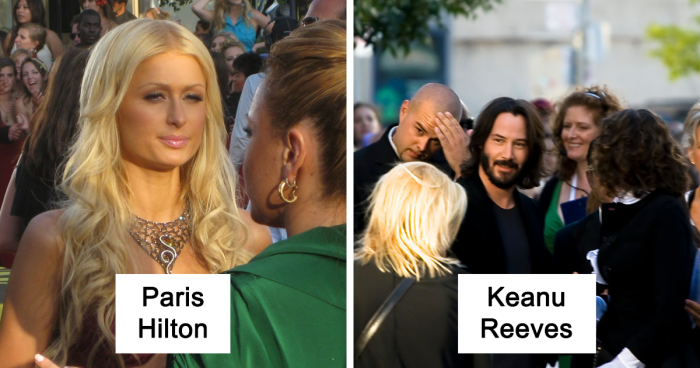
12) Paris Hilton mocked for a persona that hid real trauma
For years, Paris was treated as a punchline. The thread highlighted how later disclosures about abuse and coercion changed the context for many people. Commenters weren’t claiming she never played into famethey argued the world enjoyed dehumanizing her, then acted surprised when there was a human being underneath the meme.
13) Rebecca Black cyberbullied as a child for going viral
A teenager released a song, and the internet responded like it was sworn to defend music theory with violence. Thread participants pointed out the absurdity: adults and strangers dogpiled a kid for being earnest and unlucky enough to go viral. If you need to bully a 13-year-old to feel powerful, you don’t need a Wi-Fi connectionyou need a nap and a therapist.
14) Anne Hathaway “Hathahate” as a social sport
Commenters described the backlash as vibes-based punishment: she was “too polished,” “too eager,” “trying too hard.” In other words, she committed the crime of being publicly likable in a way people found suspicious. The thread argued the condemnation said more about cultural discomfort with earnest women than it did about anything she actually did.
15) Ashlee Simpson treated like a supervillain over a live-TV mess
Lip-syncing scandal? Yes. Career-ending humiliation and years of ridicule? Commenters argued no. The thread emphasized how young she was, how unforgiving the media climate was, and how one chaotic moment became her entire identity. Sometimes the public wants a cautionary tale more than it wants the full story.
16) James Gunn condemned without room for growth
Gunn’s old offensive jokes resurfaced and detonated into a career crisis. The thread didn’t defend the jokes; it questioned the absolutism: can people change, apologize, and learnor is the goal permanent banishment? The conversation became less about what he said and more about whether redemption is allowed in public.
17) Justine Sacco “trial by Twitter” with zero brakes
Her infamous tweet was ugly and careless, but the thread focused on scale: an online mob followed her in real time, turning a bad joke into a global spectacle. Commenters pointed out how public shaming often becomes performative cruelty, where outrage is the cover story and punishment is the entertainment.
18) Yoko Ono blamed for the Beatles’ breakup like she personally filed the paperwork
The thread called Yoko the original pop-culture scapegoat. Many argued the blame was steeped in sexism and racisman easy narrative that ignored the band’s internal dynamics. When the world needs one “villain,” it often chooses the woman closest to the story and calls it “analysis.”
19) Brendan Fraser mocked, minimized, and then “rediscovered”
Commenters pointed to years where Fraser was treated like a cultural afterthoughtoften with cheap jokes about his body and career. His later renaissance reminded people that public perception can be less about talent and more about a trend cycle. The thread’s takeaway: the public often treats kindness like a weakness until it becomes fashionable again.
20) Richard Jewell vilified as a suspect, then largely forgotten as a hero
Jewell helped save lives in a bombing, then was publicly suspected and hounded. Commenters highlighted how quickly praise flips to condemnation when authorities or headlines point in a new direction. The long-term damage doesn’t vanish just because the narrative updatesespecially when the update is quieter than the accusation.
21) Amanda Knox branded by tabloid mythology
Knox’s case became international spectacle, with caricatures shaping public opinion. Commenters emphasized that regardless of legal complexities, the media treatment became its own punishmentlabels that follow someone for life. The thread wasn’t asking people to ignore facts; it was asking people to notice how sensationalism can become a substitute for truth.
22) Eartha Kitt punished for speaking against war in the “wrong” room
Kitt criticized the Vietnam War at a White House luncheon and reportedly faced severe professional blowback. The thread framed it as a classic “don’t say that out loud” moment: society invites candor until candor becomes inconvenient. She didn’t commit a moral failureshe committed honesty.
23) Amy Winehouse treated like a spectacle instead of a person
The thread called out how addiction and distress were packaged as entertainment. Instead of care, the public served mockery, and the media often chased the most chaotic footage like it was a sport highlight. Commenters argued the condemnation was really dehumanizationconfusing pain with “content.”
24) Amanda Bynes mocked during an obvious mental-health crisis
Bynes became tabloid fodder during highly public struggles. Thread participants argued it’s grotesque to treat signs of illness as punchlines. The condemnation wasn’t about accountability; it was about a culture that sees “troubled” women as entertainment, then pretends to care only after tragedy.
25) Yusef Salaam condemned as a teen and exonerated years later
Salaam was one of the five teenagers vilified in the Central Park jogger case. Commenters pointed to the long arc of injustice: coerced narratives, media frenzy, and reputations shredded before adulthood. His later exoneration doesn’t refund the stolen yearsbut it exposes how wrong the condemnation was.
26) Korey Wise the harshest sentence, the heaviest stigma
Wise’s story came up repeatedly as the most heartbreaking: a teenager absorbed enormous punishment and public hatred before being cleared. Thread commenters emphasized that public condemnation can become a second prisonone built from headlines, assumptions, and people who never have to apologize.
27) Kevin Richardson a life defined by a false narrative
Richardson was also exonerated, but commenters noted how the public rarely tracks the correction with the same energy as the accusation. The thread used his name to highlight a cruel reality: once society labels you, it expects you to carry that label quietlyeven after the label is proven wrong.
28) Antron McCray condemned before he could vote, drive, or fully understand the world
McCray’s case was cited as evidence of how quickly the public can strip children of childhood when fear takes over. Commenters argued the condemnation was never about truth; it was about a story people wanted to believe. When exoneration arrives, it doesn’t go viral the same way.
29) Raymond Santana the “lesson” society refused to learn
Santana’s name appeared as a reminder that public condemnation often treats Black and Brown youth as disposable symbols. The thread argued that even after exoneration, the stain lingers in public memorybecause outrage is loud and correction is usually delivered in a whisper.
30) Katherine Heigl punished for having an opinion (and saying it out loud)
Heigl’s career reputation became a punchline after she criticized aspects of her work environment and called a film’s tone sexist. Commenters argued that while she wasn’t always diplomatic, the condemnation was excessive and gendered: “difficult” became a brand. The thread’s takeaway: honesty is celebrated until a woman does it without smiling.
What these stories have in common
- Disproportion: a mistake becomes an identity; a moment becomes a life sentence.
- Dehumanization: people forget there’s a person on the other side of the meme.
- Selective morality: outrage targets who’s easiest to punish, not what’s most harmful.
- Algorithmic heat: platforms reward speed and certainty, not accuracy and care.
- Quiet corrections: exonerations and context rarely trend like accusations do.
How to avoid becoming part of the problem (without “defending” everything)
You don’t have to stan anyone to act like a decent human. If a story is still unfolding, treat it like it’s still unfolding. If someone’s in visible distress, don’t treat it like live comedy. And if you feel the urge to hit “share” because it gives you a little jolt of righteousness, pause and ask: Am I helping anyoneor am I just auditioning for the role of “Person Who Was Right on the Internet”?
of experiences related to this topic: the “I’ve been that person” reality check
Most of us have a moment we’re not proud of: the time we laughed at the late-night monologue, sent the snarky group chat text, or piled onto a trending topic because it felt like everyone else already decided the verdict. It’s easy to tell ourselves we’re just “commenting,” not condemning. But online, commentary is often condemnation with better lighting.
I’ve seen how quickly a crowd forms around a simplified story. Someone posts a clip. Another person adds a caption that tells you exactly what to think. Within minutes, strangers are acting like jury members who only read one sentence of the case. And here’s the weird part: it can feel good. There’s a rush to being aligned with the group, to being “on the right side,” to collecting agreement like it’s proof of virtue.
Then, sometimes, the follow-up happens. The full video appears. The context shows up. The legal outcome doesn’t match the confident hot takes. Or you learn the person everyone mocked was dealing with grief, illness, addiction, coercion, or a level of pressure most of us wouldn’t survive for a weekend. And suddenly your old jokes look less like humor and more like participation in something ugly.
The experience of realizing you were wrong isn’t funbut it’s valuable. It teaches you the difference between being informed and feeling informed. Feeling informed is fast: it’s a headline, a vibe, a quote pulled from a longer answer. Being informed is slower: it’s waiting, reading, comparing sources, and holding uncertainty without immediately turning it into a verdict.
Practically, the best change I’ve seen people make is adopting a “two-click rule.” Before you repost outrage, click twice: first to open the actual story, and second to find a reputable additional report or primary statement. If the second click doesn’t exist yet, that’s your sign to wait. Another helpful habit is swapping performance for curiosity. Instead of “I can’t believe she did that,” try “What’s the full context here?” It doesn’t make you gullibleit makes you accurate.
And when the target is someone in distresscrying in public, stumbling through a performance, looking unwellremember this: the internet’s funniest moment can be someone’s worst day. You can choose to be the person who amplifies the humiliation, or the person who refuses to treat suffering as entertainment. That choice is small, private, and unglamorous. It’s also the point.
Conclusion
Public condemnation is a powerful social tooland like any powerful tool, it can build accountability or it can become a weapon. The online thread that inspired this roundup wasn’t asking for blanket forgiveness or celebrity worship. It was asking for proportionality, context, and basic human decency. If we can learn anything from these 30 examples, it’s that the loudest story isn’t always the truest oneand the fastest judgment is often the laziest.











