
Cracked screen? Tired battery? Camera suddenly producing photos that look as though they were taken through a sandwich bag? Pixel owners no longer havenew phone. Google’s self-repair partnership with iFixit gives technically capable users access to genuine parts, proper tools, detailed instructions, and software support.
Google Opens the Toolbox to Pixel Owners
Google announced its Pixel self-repair initiative in April 2022, joining a broader movement among technology companies to make smartphones easier for consumers and independent technicians to fix. Through a partnership with repair specialist iFixit, Google began making original Pixel components available directly to the public.
The initial program covered devices from the Pixel 2 through the Pixel 6 Pro, along with future Pixel models. Parts were made available in the United States, Canada, the United Kingdom, Australia, and European Union countries where Pixel phones were officially sold. That was unusually broad coverage for a new manufacturer-backed repair program, especially because it included phones released several years earlier. could purchase individual components or complete iFixit Fix Kits. The kits combined the replacement part with the small tools required to reach it without attempting surgery using a kitchen knife, a credit card, and misplaced confidence.
Which Pixel Parts Became Available?
The partnership focused on components involved in the most common smartphone repairs, including:
- Replacement displays and touch-screen assemblies
- Genuine Pixel batteries
- Front and rear camera modules
- Adhesive needed to reseal the phone
- Model-specific screws and internal components
- Opening tools, drivers, picks, tweezers, and suction handles
Genuine parts are important because smartphone components are not always interchangeable, even when third-party listings insist that they are “100 percent compatible.” A poorly manufactured battery can have unreliable capacity, while a low-quality screen may suffer from weak brightness, inaccurate colors, inconsistent touch response, or questionable durability.
iFixit’s original Pixel kits included pre-cut adhesive and tools such as opening picks, a spudger, tweezers, a precision driver, and an iOpener used to apply controlled heat to adhesive. In other words, the kits offered something more sophisticated than “warm the phone with a hair dryer and hope for the best.”
Why Google’s Self-Repair Program Matters
Owners Gain More Control Over Devices They Purchased
Modern phones are expensive enough to feel like long-term investments, but manufacturers have traditionally treated their internals like restricted government archives. Consumers could own the device while still lacking easy access to its parts, documentation, or calibration tools.
The Pixel repair program changes that relationship. A skilled owner can decide whether to visit a professional technician, mail the phone to a repair center, or complete the repair at home. The program does not make every repair easy, but it restores a choice that was missing.
Google continues to recommend self-repair only for people with relevant technical experience. Its repair documentation warns that an unsuccessful repair can damage the device or cause injury, and users who open their phones assume the risks associated with the work. ndent Repair Shops Benefit Too
Self-repair programs are not useful only to hobbyists with magnetic project mats and suspiciously large screwdriver collections. Independent repair businesses can also purchase genuine components and use official procedures instead of relying entirely on salvaged or unverified parts.
That can improve the consistency of local repairs, particularly in communities without a nearby manufacturer-operated service location. Google has said that broader access to parts, tools, training, and documentation is intended to support both consumers and independent professionals.
For owners who prefer professional help, Google has also maintained mail-in and walk-in repair options. The company reported in 2023 that its partnership with uBreakiFix provided more than 700 authorized locations across the United States, with many common repairs completed within several hours when parts were available. ability Can Extend a Phone’s Useful Life
A phone does not necessarily become obsolete when its battery starts fading. Lithium-ion batteries naturally lose capacity over time, often long before the processor, camera, or display becomes unusable. Replacing one aging component can add years to the practical life of a device.
That matters financially. A battery or charging-port repair may cost considerably less than a new flagship phone. It also matters environmentally because manufacturing a replacement device requires raw materials, energy, packaging, and transportation.
Consumer advocates have long argued that restricted access to replacement parts and repair information can limit competition and leave owners with fewer affordable options. The Federal Trade Commission has examined whether manufacturer repair restrictions undermine consumer protections and make independent repair unnecessarily difficult.
Google Was Part of a Larger Right-to-Repair Shift
Google did not suddenly discover screwdrivers in 2022. Its announcement arrived during a major change in the consumer electronics industry.
Apple had announced a Self Service Repair program, Samsung was preparing an iFixit partnership, Microsoft was improving access to service information and parts, and other hardware companies were experimenting with repair-friendly programs. Increasing pressure from consumers, regulators, environmental groups, and right-to-repair advocates made the old “replace it, do not repair it” model harder to defend.
Against that background, Google’s decision was significant because the company supported parts for phones going back to the 2017 Pixel 2. At launch, some competing programs concentrated primarily on newer devices. Supporting an older model is especially useful because older phones are the ones most likely to need fresh batteries, screens, and cameras. gram also aligned hardware longevity with software support. Promising years of security updates is much less meaningful when a worn-out battery cannot be replaced economically. Software may keep a phone secure, but it cannot persuade a chemically exhausted battery to stop behaving like it needs an afternoon nap.
How Pixel Self-Repair Has Improved Since the Announcement
The 2022 partnership was not the end of Google’s repair effort. Google later introduced additional resources designed to make diagnosis, disassembly, and post-repair testing more practical.
Official Pixel Repair Manuals
Google now provides downloadable repair manuals for supported Pixel phones. These documents explain compatible repairs, disassembly procedures, component replacement, reassembly, and safety precautions.
The current self-repair support system directs owners to genuine parts through iFixit and provides official manuals for newer devices. Google’s support information lists parts for Pixel 2 and later phones, while the availability of specific manuals, batteries, and other components varies by model and country. stic and Calibration Tools
Replacing a physical component is only part of some smartphone repairs. Certain parts must also be tested, updated, or calibrated so that the operating system recognizes them correctly.
Pixel owners can use Google’s repair diagnostics to test device functions before and after a repair. Google also provides software support for tasks such as adjusting an under-display fingerprint sensor after screen replacement. iFixit noted at the launch of the program that Google had made its fingerprint-sensor calibration software publicly accessible. Mode Protects Personal Information
Google added Pixel Repair Mode to help protect photos, messages, accounts, and other personal information while a device is being serviced. Instead of automatically handing a technician full access to the owner’s digital life, Repair Mode creates a safer environment for testing the phone.
The feature is mainly useful when another person is performing the repair, but it demonstrates that repairability involves more than selling batteries. Privacy, diagnostics, documentation, and software calibration all contribute to a complete repair ecosystem.
What Pixel Owners Should Know Before Attempting a Repair
Self-Repair Is Possible, Not Automatically Simple
Pixel phones are compact devices assembled with delicate ribbon cables, tiny connectors, strong adhesives, and components that do not appreciate being poked. Replacing a screen is not the same as changing batteries in a television remote.
Before starting, owners should read the entire repair guide rather than discovering step 37 while holding a loose motherboard. They should also review the repair difficulty, required time, tools, and possible calibration procedures.
Water Resistance May Be Difficult to Restore
Opening a phone breaks its factory adhesive seal. Replacement adhesive can help reseal the device, but a home repair may not restore the original level of water resistance. A repaired Pixel should therefore be treated cautiously around pools, sinks, bathtubs, rainstorms, and friends who believe pushing people into swimming pools is comedy.
Battery Repairs Require Special Care
Lithium-ion batteries can become dangerous if punctured, crushed, overheated, or incorrectly installed. A swollen battery should not be pressed flat, bent, or casually deposited in household trash.
Anyone who encounters unexpected swelling, excessive heat, smoke, a chemical odor, or severe physical damage should stop working and move away from flammable materials. A professional repair provider is the better choice when battery removal appears unsafe.
Check the Cost Before Ordering
DIY repair is not always the least expensive option. The price of a genuine part, tool kit, shipping, adhesive, and the owner’s time can approach the cost of professional service. A successful repair may still be worthwhile for convenience, privacy, education, or the satisfaction of saving a familiar device.
Compare three numbers before proceeding: the complete DIY cost, the professional repair quote, and the current value of the phone. Repair makes the most sense when the device remains useful and the replacement component represents only a reasonable fraction of its value.
A Realistic Pixel Self-Repair Experience
Consider a typical owner with a Pixel that still performs well but can no longer survive a full day without searching desperately for a charger. The phone’s camera is good, its software remains supported, and its owner has no interest in spending several hundred dollars merely because the battery has developed the stamina of a sleepy house cat.
The owner begins by confirming the exact Pixel model and reading the complete battery-replacement guide. This sounds obvious, yet similar-looking models can use different parts, adhesives, screws, and disassembly procedures. The owner then checks the repair difficulty, watches the guide’s critical steps, backs up important data, and orders a genuine battery kit.
Preparing the Workspace
On repair day, the owner chooses a clean, brightly lit table rather than the carpet, where tiny screws immediately enter another dimension. A small tray keeps components organized. The phone is powered off, the SIM tray is removed when instructed, and the battery is allowed to discharge to a safer level before opening.
The first serious challenge is adhesive. Modern phones are designed to feel solid and resist moisture, which means their panels are not waiting politely to be lifted. Controlled heat softens the seal, while a suction handle and opening picks gradually create space around the panel.
This stage rewards patience. Forcing a pick too deeply can damage internal cables. Applying excessive heat can harm the display or battery. The correct pace often feels absurdly slow, but “slow and intact” is generally preferable to “fast and now there are two screens.”
Inside the Phone
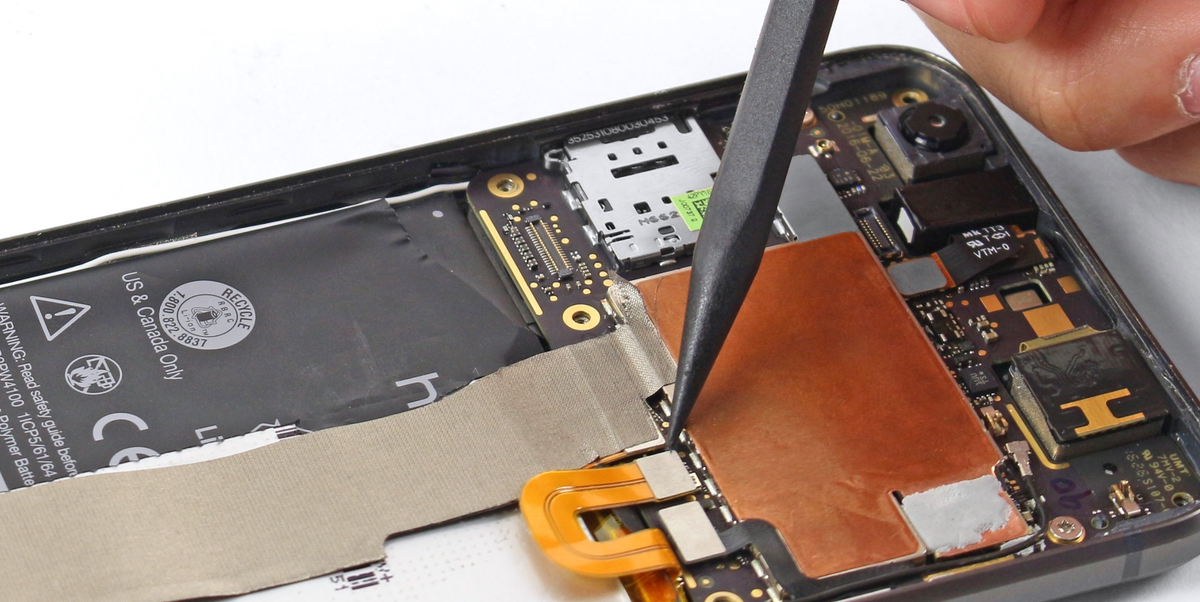
Once the device is open, the owner encounters shields, connectors, screws, and fragile cables arranged with almost no wasted space. Each removed screw is kept in its original position because smartphone screws may differ by fractions of a millimeter. Installing the wrong one in the wrong hole can damage a component beneath it.
The battery connector is disconnected before the old battery is removed. Adhesive beneath the battery may require additional heat or solvent, depending on the model and official instructions. The battery is lifted carefully without bending or puncturing it.
The new genuine battery is installed with fresh adhesive, the connector is seated, and the phone is temporarily tested before final sealing. This test matters. Discovering a loose display cable after applying new perimeter adhesive is the repair equivalent of noticing that the car keys are inside after locking the door.
Testing and Reassembly
After the Pixel boots, the owner checks charging, touch response, cameras, speakers, microphones, buttons, wireless connectivity, and biometric features. Google’s diagnostic tools can provide a more structured check before the phone is sealed completely.
The old adhesive is removed, the frame is cleaned, and the replacement seal is aligned carefully. Even with new adhesive, the owner understands that factory water resistance cannot be assumed. The repaired phone may look normal, but it should not immediately celebrate with an underwater photography session.
The experience is rarely effortless. It may involve nervous pauses, stubborn adhesive, and several moments of wondering whether professional repair suddenly seems like the greatest invention in human history. However, a successful battery replacement can transform a frustrating phone into a dependable device again.
More importantly, the owner learns that a smartphone is not an untouchable magic slab. It is a sophisticated machine made of replaceable components. Genuine parts and clear instructions do not eliminate risk, but they convert repair from guesswork into a realistic option.
Is Repairing Your Own Pixel Worth It?
Pixel self-repair is best suited to people who are comfortable working with small electronics, willing to follow instructions precisely, and prepared to accept responsibility if something goes wrong. It can also be attractive to independent technicians who need reliable access to official parts.
Professional service remains the smarter choice for owners who lack the tools, have limited experience, need a guaranteed turnaround, or are dealing with a swollen battery, liquid damage, severe frame damage, or a complicated motherboard problem.
The biggest achievement of Google’s program is not that everyone must repair a Pixel at home. It is that owners have another legitimate option. They can compare prices, evaluate their skills, obtain genuine components, consult detailed documentation, and decide how their property should be maintained.
Conclusion: A Meaningful Step Toward Repairable Phones
Google’s partnership with iFixit marked an important change for Pixel owners. Genuine batteries, displays, cameras, tools, manuals, diagnostics, and calibration resources make it more practical to keep a damaged or aging phone in service.
The program is not perfect. Pixel phones still use adhesive, repairs can be technically demanding, parts can be expensive, and opening a device introduces real risks. Selling replacement components is also not the same as designing every future phone for effortless repair.
Nevertheless, access matters. A phone with one failed component should not automatically become electronic waste, and an owner should not need secret industry credentials merely to buy a proper battery. Google has moved Pixel repair in the right directionone tiny screw, stubborn adhesive strip, and carefully handled ribbon cable at a time.












