
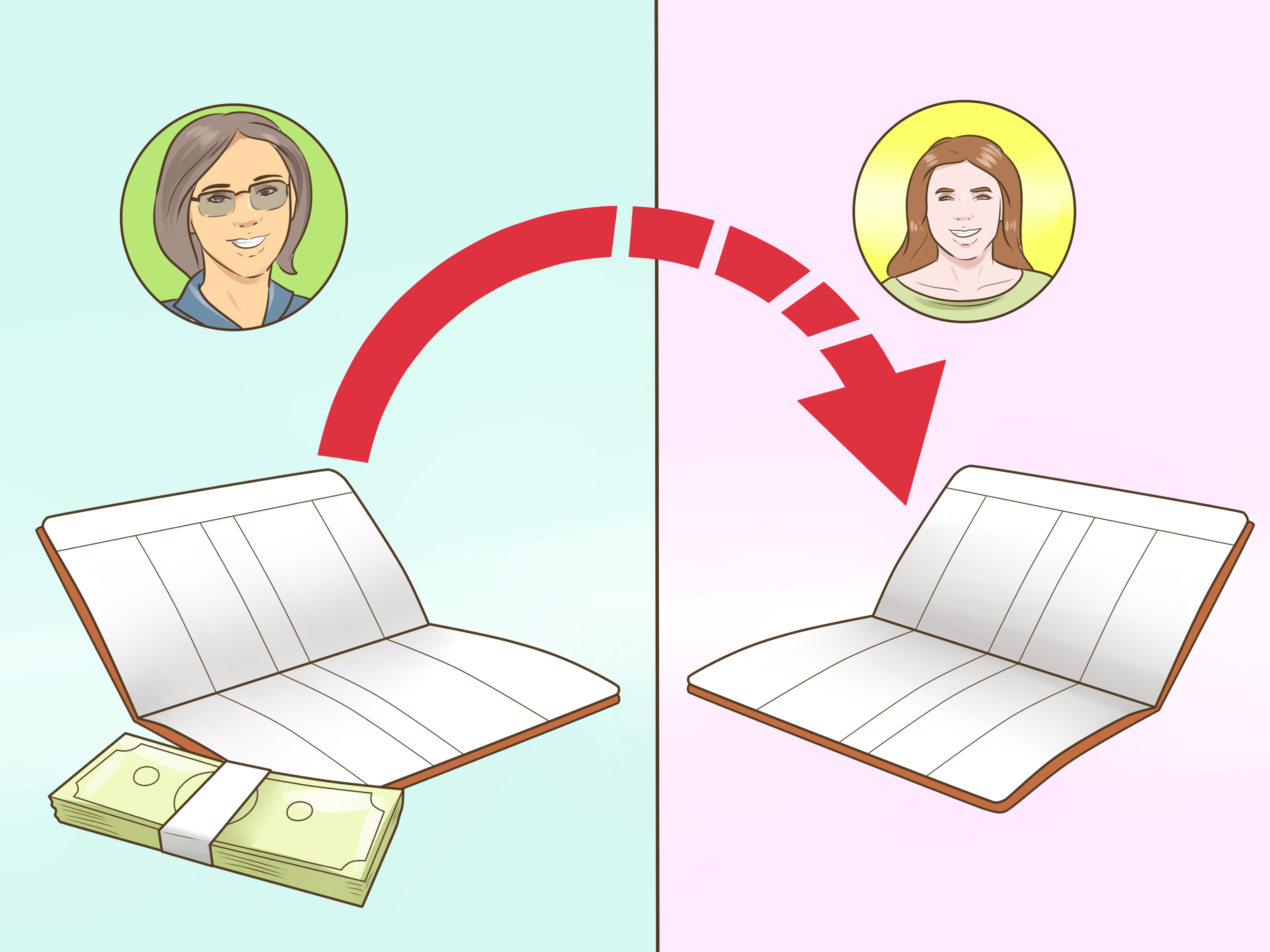
Carrying a lot of money is one of those grown-up situations that feels oddly cinematic. Maybe you are buying a used car, paying a contractor, traveling for business, helping a family member, attending a cash-only event, or moving funds between banks. Suddenly, your ordinary pocket becomes a tiny financial institution with lint.
The good news: carrying cash is not automatically suspicious, unsafe, or illegal. The less-fun news: large amounts of money attract mistakes, thieves, delays, and awkward moments at airport security. The goal is not to act like a secret agent. The goal is to move money calmly, legally, and boringly. Boring is beautiful when your backpack contains more cash than your furniture.
This guide explains how to safely carry a lot of money in 14 practical steps, including how to plan the trip, divide your cash, choose secure storage, avoid theft, prepare documents, and respond if something goes wrong.
Before You Carry Cash: Ask Whether You Really Need To
Cash is useful because it is immediate, private, and widely accepted. But it is also hard to replace if lost or stolen. Before you walk out the door with a thick envelope, ask one simple question: “Is there a safer way to do this?”
For large payments, consider a cashier’s check, wire transfer, electronic funds transfer, money order, escrow service, or bank-to-bank transfer. These options may create a paper trail, reduce physical risk, and keep you from spending the whole day patting your pocket like you are checking for a heartbeat.
If cash is truly necessary, treat the task like a mini security operation. You do not need paranoia. You need preparation.
How to Safely Carry a Lot of Money: 14 Steps
1. Know the Legal Rules Before You Move
If you are traveling within the United States, there is generally no federal limit on how much cash you can carry domestically. However, international travel is different. When entering or leaving the United States with more than $10,000 in currency or certain monetary instruments, you must report it to U.S. Customs and Border Protection. This rule can include cash, coins, travelers’ checks, money orders, promissory notes, and cashier’s checks.
Do not split money among family members to avoid reporting. That can create bigger problems than simply filling out the proper form. If you are carrying a large amount for a legitimate reason, documentation is your friend, not your enemy.
2. Carry Proof of Where the Money Came From
Large amounts of cash can invite questions, especially at airports, banks, border crossings, or major events. Keep documents that explain the money’s source and purpose. Useful paperwork may include bank withdrawal receipts, bill of sale documents, purchase agreements, inheritance paperwork, business invoices, loan documents, or written payment instructions.
Keep copies on paper and digital copies in a secure cloud folder. If someone asks why you are carrying the money, a calm explanation plus documents is better than a sweaty shrug and the phrase, “It’s complicated.”
3. Plan the Route Like It Matters
Do not improvise your route while carrying a large amount of money. Choose the safest, simplest path from point A to point B. Avoid unnecessary stops, crowded nightlife areas, isolated parking lots, and unfamiliar shortcuts. If you are driving, fuel up before picking up the money so you do not have to stop with cash in the car.
If you are using rideshare or public transportation, avoid discussing money on the phone. Your driver, seatmate, or the person pretending not to listen in the next row does not need your financial itinerary.
4. Do Not Advertise What You Are Carrying
The safest cash is quiet cash. Do not tell casual friends, social media followers, neighbors, or random acquaintances that you are carrying a large amount. Avoid posting photos of envelopes, bank visits, expensive purchases, or “big deal day” updates until after the transaction is complete.
Also, dress normally. Flashy jewelry, luxury bags, designer logos, and “I just won the parking lot lottery” energy can attract attention. The goal is to look like someone carrying a sandwich, not someone carrying a down payment.
5. Divide the Money Into Separate Stashes
Never keep all your cash in one pocket, purse, or envelope unless the situation requires it for a short, controlled transfer. Divide it into two or three secure locations. For example, keep a small amount accessible for ordinary purchases, a larger amount in a hidden money belt, and backup funds in a secured interior pocket.
This method reduces the damage if you lose a wallet or someone steals a bag. Think of it as not putting all your financial eggs in one very stealable basket.
6. Use a Money Belt or Hidden Pouch
A money belt worn under clothing is one of the most reliable ways to carry cash discreetly. It should sit flat against your body and remain hidden. Neck pouches, hidden pockets, interior jacket pockets, and travel clothing with zippered compartments can also work well.
One important rule: do not treat a money belt like a regular wallet. Do not pull it out in public every time you buy coffee. Keep daily spending cash somewhere easy to access, and reserve the hidden pouch for larger bills, backup cards, passport copies, and important documents.
7. Keep Cash Out of Back Pockets
Back pockets are convenient for you and delightful for pickpockets. If you must carry cash in clothing, use front pockets, zippered pockets, buttoned pockets, or interior pockets. Bags should close securely and stay in front of you or across your body in crowded places.
A backpack can be useful, but in packed stations, markets, concerts, and tourist areas, wear it in front or keep one hand on it. Yes, you may look slightly cautious. That is better than looking surprised while your wallet starts a new life without you.
8. Use a Decoy Wallet
A decoy wallet is a simple trick: carry a cheap wallet with a small amount of cash and maybe an expired gift card or two. Your real cash stays hidden. If someone sees you pay for something, they see the decoy wallet, not your main stash.
This does not mean you should resist a robbery or try to outsmart an armed criminal. Your safety is worth more than your money. A decoy wallet is mainly useful for reducing exposure during normal purchases and crowded travel situations.
9. Keep Money With You, Not in Checked Bags
If you are flying, keep cash in your carry-on or on your person, not in checked luggage. Checked bags can be delayed, misplaced, opened for inspection, or stolen. At security screening, keep your carry-on in sight as much as possible and collect it promptly after it exits the scanner.
If security officers need to inspect your bag, remain calm and respectful. You may ask for a private screening if you are concerned about displaying a large amount of cash in public. Do not joke about weapons, smuggling, or anything illegal. Airport humor has a terrible success rate.
10. Avoid Counting Cash in Public
Counting a large stack of bills in public is like ringing a dinner bell for thieves. Count the money at home, inside a bank, in a private office, or another controlled location. Use envelopes labeled by amount so you do not have to recount repeatedly.
If you need to verify funds during a transaction, choose a secure indoor location with cameras, staff, and limited public access. Banks, attorney offices, car dealership offices, and professional meeting rooms are better than parking lots.
11. Choose Safe Meeting Places for Cash Transactions
If you are buying or selling something expensive, avoid meeting at a private home, isolated storage unit, roadside location, or empty parking lot. Many police departments offer safe exchange zones, and some banks may allow customers to complete transactions on-site.
For used cars, equipment, jewelry, collectibles, or other high-value purchases, bring a trusted person with you. Let someone else know where you are going, who you are meeting, and when you expect to return. A legitimate seller should understand your caution.
12. Protect Your Cards and ID Too
Cash is not the only thing you need to protect. If your wallet includes debit cards, credit cards, driver’s license, passport, insurance card, or Social Security card, losing it can become a financial cleanup project with bonus paperwork.
Carry only the cards and identification you actually need. Leave unnecessary cards at home. Keep photos or secure digital copies of important documents, but protect them with strong passwords and device security. If a card is lost or stolen, report it immediately through your bank or card issuer’s app or customer service line.
13. Stay Aware in High-Risk Moments
Pickpockets love distraction. Be extra alert at airport security, train stations, hotel lobbies, gas stations, ATMs, crowded elevators, festivals, markets, and public restrooms. These are moments when people set bags down, open wallets, look at phones, or mentally wander into “vacation mode.”
Use ATMs inside banks or well-lit commercial buildings when possible. Shield your PIN, put cash away before walking away, and avoid letting strangers “help” with the machine. Friendly strangers are sometimes friendly. Other times, they are auditioning for your bank account.
14. Have an Emergency Plan
Before carrying a lot of money, prepare for the unpleasant possibility that something goes wrong. Write down bank phone numbers, card issuer contacts, insurance policy information, and emergency contacts. Store this information somewhere separate from your wallet.
If money is stolen, prioritize your physical safety first. Then report the theft to local police, notify your bank or card issuers, monitor accounts, and document everything. If identification is stolen, follow identity theft recovery steps quickly. The faster you act, the easier it is to limit damage.
Best Ways to Carry Cash While Traveling
Travel makes money security more complicated because you are tired, distracted, and surrounded by people who know travelers are carrying valuables. The best approach is layered protection.
Keep small daily cash in a front pocket or small wallet. Store larger cash in a hidden money belt or pouch. Keep backup cards separate from your main wallet. Leave extra valuables in a hotel safe when appropriate, but do not blindly assume every safe is perfect. Use your judgment based on the hotel, room access, and local conditions.
Before international travel, check the latest travel advisory, local laws, exchange rules, and payment habits in your destination. In some places, cash is still king. In others, cards and mobile payments are easier and safer. A smart traveler does not carry a suitcase full of cash just because a movie villain once made it look dramatic.
Common Mistakes When Carrying a Lot of Money
Carrying More Than You Need
The safest cash is the cash you do not carry. If you only need $2,000 today, do not bring $8,000 “just in case.” Extra cash creates extra risk.
Using One Obvious Bag
A single envelope in a purse or backpack is easy to lose. Divide funds and use secure compartments.
Talking Too Much
Do not tell strangers, drivers, hotel staff, or casual acquaintances about your cash. Loose talk has legs.
Skipping Documentation
Receipts and paperwork can help explain why you have the money. Keep them organized.
Ignoring Your Surroundings
Most thefts happen when attention drops. Your phone can wait. Your money cannot.
When Not to Carry a Large Amount of Cash
Sometimes the safest way to carry a lot of money is not to carry it at all. Avoid moving large cash amounts when you are traveling alone late at night, going to an unfamiliar neighborhood, meeting someone you do not trust, or feeling rushed. Also avoid carrying large cash when you are tired, distracted, intoxicated, or juggling children, luggage, and a melting iced coffee.
Use a bank, escrow service, digital transfer, cashier’s check, or professional payment method when possible. Cash may feel simple, but once it disappears, it usually does not come with a “forgot password” button.
Real-World Experience: What Carrying a Lot of Money Teaches You
Anyone who has carried a large amount of money knows the feeling. At first, you think, “This is fine.” Five minutes later, every zipper sound becomes suspicious. A stranger glances in your direction and suddenly you are starring in your own low-budget thriller called The Envelope.
The first lesson is that confidence comes from preparation. When the money is counted, divided, documented, and stored properly, your stress drops. You are no longer just hoping everything goes well. You have a system. For example, if you are carrying cash to buy a used car, you can place the purchase amount in a sealed envelope, keep a small amount of spending money separate, bring the bill of sale, meet at your bank, and ask the seller to sign documents before funds change hands. That feels much better than meeting behind a gas station with a nervous smile and a backpack full of “please don’t rob me.”
The second lesson is that convenience and safety often fight each other. The easiest place to put cash is usually the worst place: back pocket, open tote bag, outside backpack pocket, or loose jacket pocket. The safest places are less convenient, such as a hidden pouch under clothing or a zippered interior pocket. That little bit of inconvenience is worth it. A thief usually wants the easy target, not the person who requires a full engineering plan to pickpocket.
The third lesson is that public behavior matters. People often reveal valuables without meaning to. They count money at a counter, pull out a thick wallet for a $3 purchase, talk loudly about a payment, or leave a bag hanging on a chair. These small habits can create big risk. A better habit is to prepare small bills before you leave, use a decoy wallet for minor purchases, and keep the main cash out of sight.
The fourth lesson is that documentation can save headaches. If you withdraw a large amount from a bank, keep the receipt. If you are transporting money for a business, carry an invoice or written explanation. If you are traveling internationally, know the reporting rules before reaching the airport. Nobody wants to learn about customs forms while holding a boarding pass, a belt, shoes, laptop, and twelve pounds of anxiety.
The fifth lesson is emotional: do not let the money make you reckless. Some people become overly secretive and nervous; others become careless because they want to “act normal.” The sweet spot is calm awareness. Walk with purpose, keep your belongings close, avoid unnecessary stops, and do not turn every passerby into a suspected jewel thief. Safe cash handling is not panic. It is planning.
Finally, remember that your safety matters more than the money. If you are threatened, do not fight over cash. Money can sometimes be replaced. You cannot. A good plan helps prevent trouble, but wisdom means knowing when to let go, report the incident, and focus on getting home safely.
Conclusion
Learning how to safely carry a lot of money is really about reducing opportunity: fewer people know, fewer things can go wrong, and fewer moments leave your cash exposed. Use alternatives when possible, follow reporting rules, carry documentation, divide your money, use hidden storage, stay alert, and choose safe places for transactions.
Cash may be old-fashioned, but protecting it requires modern common sense. Be calm, be organized, and be just boring enough that thieves look elsewhere. In the world of money safety, boring wins.
Note: This article provides general safety information and should not be treated as legal, tax, customs, or financial advice. Rules can change, especially for international travel, so check current official requirements before carrying large amounts of money.











