
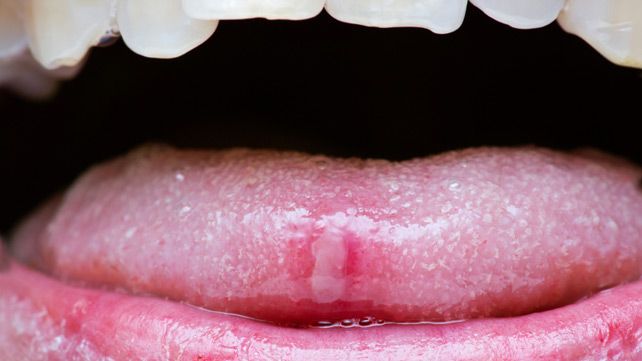
Your tongue is supposed to have bumps. Those tiny projections, called papillae, help with taste, texture, chewing, and moving food around your mouth. Most of the time, they quietly do their jobs without requesting applause. When one becomes swollen, painful, unusually colored, or stubbornly persistent, however, it can suddenly feel as noticeable as a pebble in your shoe.
Tongue bumps may develop after biting your tongue, drinking coffee that was approximately the temperature of lava, or eating acidic food. They can also be associated with canker sores, fungal infections, inflammatory conditions, allergies, orless commonlyprecancerous or cancerous changes.
Appearance alone is not enough to diagnose the cause. A harmless irritated taste bud and a lesion requiring medical treatment can sometimes look surprisingly similar. This guide explains 10 potential causes of bumps on the tongue, how they are commonly treated, and which warning signs should send you to a dentist or healthcare professional.
Are Bumps on the Tongue Normal?
In many cases, yes. A healthy tongue is not perfectly smooth. Its upper surface contains several types of papillae, some of which hold taste buds. Larger circumvallate papillae naturally form a V-shaped row near the back of the tongue. People sometimes notice them for the first time and assume a mysterious colony has moved in overnight.
Normal papillae are usually symmetrical, stable, and painless. A bump deserves more attention when it appears suddenly, becomes sore, grows, bleeds, changes color, feels unusually hard, or remains after other irritation has healed.
Details that can help identify the cause
- Whether the bump is red, white, flesh-colored, ulcerated, or fluid-filled
- Whether there is one lesion or a group of bumps
- Whether it is painful, itchy, burning, numb, or painless
- How long it has been present and whether it is changing
- Recent burns, bites, dental work, illnesses, medications, or new foods
- Associated fever, rash, swollen glands, swallowing trouble, or weight loss
1. Transient Lingual Papillitis
Transient lingual papillitis is inflammation of one or more fungiform papillae, often near the tip or sides of the tongue. It is commonly called a “lie bump,” although dishonesty has never been proven to inflame a taste bud. If it did, family dinners would be medically fascinating.
These tongue bumps are usually small, red or white, and tender. Possible triggers include friction, stress, spicy food, acidic food, minor trauma, hormonal changes, dental products, or an accidental bite. In many cases, no specific trigger is found.
Treatment
Transient lingual papillitis generally improves without treatment within several days. Avoid spicy, sour, salty, or very hot foods while the area heals. Cool drinks, gentle saltwater rinses, and appropriate over-the-counter pain medicine may reduce discomfort. Do not cut, squeeze, or pop the bump; your tongue is not a sheet of bubble wrap.
2. Tongue Bites, Burns, and Other Irritation
Mechanical or thermal injuries are among the most common causes of a sore tongue bump. You may bite your tongue while chewing, rub it against a sharp tooth, irritate it with braces, or burn it on hot pizza, soup, tea, or coffee.
The injured area may look swollen, red, white, or ulcerated. A blood-filled bump can occasionally form after a forceful bite. Poorly fitting dentures and broken fillings may cause repeated irritation in the same location.
Treatment
Rinse gently with cool water and choose soft, bland foods for a few days. Ice chips may ease swelling, provided you allow them to melt instead of chewing them. Avoid tobacco, alcohol-containing mouthwash, and irritating foods.
A dentist should correct a sharp tooth, damaged filling, rough appliance, or poorly fitting denture. Repeated trauma will keep reopening the area, much like trying to heal a blister while continuing to wear the shoe that caused it.
3. Canker Sores
Canker sores, medically called aphthous ulcers, can develop on or beneath the tongue. They usually appear as round or oval sores with a white, yellow, or gray center and a red border. Unlike cold sores, canker sores are not contagious.
Possible triggers include minor injury, emotional stress, hormonal changes, acidic foods, nutritional deficiencies, and certain immune or gastrointestinal conditions. Some people experience recurrent outbreaks without an obvious cause.
Treatment
Minor canker sores often heal within one or two weeks. Saltwater or baking-soda rinses, protective oral pastes, and suitable pain-relieving products may help. Avoid citrus fruit, tomatoes, chips, hot peppers, and other foods that make the sore feel as though it has been personally insulted.
Large, unusually painful, frequent, or slow-healing ulcers should be evaluated. A clinician may prescribe a topical corticosteroid, medicated rinse, or treatment for an underlying deficiency or health condition.
4. Oral Thrush
Oral thrush is an overgrowth of Candida yeast. It can cause creamy white, slightly raised patches or bumps on the tongue, gums, inner cheeks, or roof of the mouth. The patches may wipe away and leave a red, sore surface that sometimes bleeds.
Thrush is more likely after antibiotics or inhaled corticosteroids and in people with dentures, dry mouth, diabetes, weakened immunity, or certain medical conditions. Babies and older adults are also more susceptible.
Treatment
Oral thrush usually requires a prescribed antifungal medicine, such as a liquid, lozenge, or tablet. Dentures should be cleaned as directed, and people using steroid inhalers should rinse their mouths after each dose. Recurrent thrush may signal an underlying issue that needs investigation rather than another round of optimistic tongue scraping.
5. Geographic Tongue
Geographic tongue causes smooth red patches where some surface papillae are temporarily missing. The patches often have pale, slightly raised borders and may change location, shape, or size. This wandering pattern gives the tongue a map-like appearance, although it rarely provides reliable driving directions.
Geographic tongue is benign and not contagious. Many people have no discomfort, while others notice burning or sensitivity after eating spicy, acidic, salty, or very hot foods.
Treatment
Treatment is usually unnecessary. When symptoms are bothersome, avoiding personal food triggers may help. A dentist or physician may recommend a topical anesthetic, medicated rinse, antihistamine preparation, or corticosteroid treatment in selected cases.
Because geographic tongue can resemble other inflammatory or infectious conditions, a professional examination is sensible when the pattern is new, painful, or uncertain.
6. Oral Lichen Planus
Oral lichen planus is a chronic inflammatory condition involving the lining of the mouth. It may produce white, lace-like lines, small raised areas, red patches, or painful erosions on the tongue, gums, and inner cheeks.
The exact cause is not fully understood, but the immune system appears to play a role. Certain medications, dental materials, and other conditions may cause similar “lichenoid” reactions. Symptoms can flare after stress or exposure to irritating foods.
Treatment
Painless cases may only require monitoring. Symptomatic oral lichen planus is often managed with prescribed topical corticosteroids or other medicines that reduce inflammation. Gentle oral hygiene and avoidance of tobacco, alcohol, spicy food, and acidic products may limit irritation.
A clinician may recommend a biopsy to confirm the diagnosis. Regular dental or medical follow-up is important, particularly for erosive, ulcerated, or changing lesions.
7. Infectious Lesions
Several infections can produce bumps, ulcers, or unusual growths on the tongue. Their appearance and treatment vary considerably, which is why self-diagnosis by flashlight and internet image comparison has limitations.
Herpes simplex virus
A first oral herpes infection can cause clusters of painful blisters or ulcers, fever, swollen gums, and difficulty eating. Recurrent herpes more often affects the lips or hard palate, but oral lesions can occur. Prescription antiviral medication may shorten or reduce symptoms when started appropriately.
Human papillomavirus
Some HPV types may cause flesh-colored, cauliflower-like, or finger-shaped oral warts. A dentist, oral surgeon, or physician should evaluate unexplained growths. Treatment may involve surgical removal, laser therapy, freezing, or another procedure, depending on the location and diagnosis.
Syphilis and other infections
Syphilis can occasionally cause an oral sore, including a lesion on the tongue. Because the sore may be painless, it can be overlooked. Diagnosis requires appropriate testing, and treatment usually involves prescription antibiotics. People with possible sexual exposure should seek confidential medical evaluation rather than treating the lesion with leftover medication.
8. Scarlet Fever, Kawasaki Disease, and “Strawberry Tongue”
A bright red, swollen tongue with prominent papillae is often described as a strawberry tongue. It is not a diagnosis by itself. It may occur with scarlet fever, which is caused by group A streptococcal infection, or with Kawasaki disease, a serious inflammatory illness that primarily affects young children.
Scarlet fever may also cause fever, sore throat, swollen neck glands, and a fine sandpaper-like rash. Kawasaki disease can cause a persistent fever, red eyes, cracked lips, rash, swollen hands or feet, and enlarged neck lymph nodes.
Treatment
A child with strawberry tongue and fever needs prompt medical assessment. Scarlet fever is treated with prescribed antibiotics. Suspected Kawasaki disease requires urgent hospital evaluation because early treatment can reduce the risk of heart complications. These are not conditions to manage with mouthwash and wishful thinking.
9. Food Allergy or Angioedema
An allergic reaction can make the tongue feel bumpy, itchy, tingling, or swollen. Mild oral allergy syndrome may cause temporary itching after certain raw fruits, vegetables, or nuts, particularly in people with pollen allergies.
More serious reactions can cause rapid swelling of the tongue, lips, face, or throat. Hives, wheezing, vomiting, dizziness, a weak pulse, or breathing difficulty may indicate anaphylaxis.
Treatment
Sudden tongue or throat swelling is an emergency. Use epinephrine immediately when it has been prescribed for you, then call 911 or your local emergency number. Do not wait to see whether the reaction becomes more dramatic; anaphylaxis is already dramatic enough.
Mild, repeatable reactions should still be discussed with a healthcare professional or allergist. Avoid the suspected trigger until you receive individualized guidance.
10. Leukoplakia, Precancerous Changes, or Tongue Cancer
Most tongue bumps are not cancer. Nevertheless, persistent lumps, ulcers, or patches should not be ignored. Leukoplakia can produce thick white or gray areas that generally cannot be wiped away. Some leukoplakia contains abnormal cells that may progress toward cancer.
Tongue cancer may appear as a nonhealing sore, firm lump, thickened area, red or white patch, or area that bleeds without an obvious reason. Possible accompanying symptoms include numbness, persistent pain, ear pain, swallowing difficulty, speech changes, unexplained weight loss, or a lump in the neck.
Tobacco use, heavy alcohol consumption, and certain HPV infections can increase the risk of oral and throat cancers, although cancer can also occur in people without these factors.
Treatment
A suspicious tongue lesion requires professional examination and may require a biopsy. Treatment depends on the diagnosis, location, size, and stage. Options can include surgery, radiation therapy, medication-based cancer treatment, or a combination of approaches.
Do not assume that a painless bump is harmless. Early oral cancer may cause little or no pain, which is one reason routine dental examinations matter.
How to Soothe a Minor Tongue Bump at Home
Home care is reasonable for a small bump that clearly followed minor irritation and is already improving. The goal is to protect the area while the tongue performs its usual impressive repair work.
- Rinse gently with warm salt water several times daily.
- Drink enough water and address dry mouth when possible.
- Choose soft, cool, bland foods until tenderness improves.
- Avoid spicy, acidic, salty, crunchy, and extremely hot foods.
- Use a soft-bristled toothbrush and clean the tongue gently.
- Avoid smoking, vaping, chewing tobacco, and excessive alcohol.
- Do not scrape, pierce, squeeze, burn, or cut the lesion.
- Ask a pharmacist whether an oral pain reliever is safe for you.
Avoid placing aspirin directly on the tongue or gum. It can chemically burn oral tissue. Products containing numbing ingredients also require careful use, especially in children, so follow the label and professional advice.
When Should You See a Dentist or Doctor?
Arrange an evaluation when a tongue bump has no clear cause, keeps returning, becomes larger, or does not heal within approximately two weeks. Seek care sooner when symptoms are severe or unusual.
Warning signs that deserve prompt attention
- A hard, fixed, enlarging, or painless lump
- A red or white patch that cannot be wiped away
- Unexplained bleeding, numbness, or persistent pain
- Difficulty chewing, speaking, swallowing, or moving the tongue
- Fever, spreading rash, severe dehydration, or swollen neck glands
- Repeated ulcers or sores that are unusually large
- Unexplained weight loss, hoarseness, ear pain, or a neck mass
- A persistent lesion in someone who uses tobacco or drinks heavily
Call emergency services for sudden swelling of the tongue or throat, breathing difficulty, faintness, or an inability to swallow saliva.
What Dealing With Tongue Bumps Is Often Like: Practical Experiences
Tongue bumps frequently create more anxiety than their size would suggest. A lesion measuring only a few millimeters can dominate every bite, sip, sentence, and idle moment. The following representative experiences illustrate common patterns and practical lessons. They are educational scenarios rather than individual patient testimonials.
The “I burned my tongue, but kept irritating it” experience
A common episode begins with a rushed sip of hot coffee. The tongue stings immediately, but the person continues with a breakfast featuring orange juice, crunchy toast, and perhaps hot saucean impressive four-part assault on already irritated tissue. By evening, several papillae look enlarged, and the tongue feels rough.
The useful lesson is that recovery often depends on removing repeated irritation. Cool water, yogurt, oatmeal, scrambled eggs, smoothies without acidic fruit, and other soft foods are usually kinder choices. The swelling should gradually settle. A burn that develops extensive blistering, severe pain, infection symptoms, or swallowing difficulty deserves medical attention.
The “one tiny bump somehow controls my entire day” experience
Transient lingual papillitis may create a single sore bump near the tongue tip. It is tiny, yet it rubs against the teeth during every word and announces itself whenever food enters the mouth. People may repeatedly inspect it, touch it with a finger, or push it against a tooth to check whether it still hurts. Unsurprisingly, it still hurts.
Leaving the bump alone is often the most productive strategy. Gentle rinsing and temporary dietary changes can help while it resolves. Taking one clear photograph on the first day may be more useful than checking it every seven minutes. The photo creates a comparison point if the lesion changes or requires professional evaluation.
The “I thought it was food residue, but it kept returning” experience
Oral thrush may first be mistaken for milk, toothpaste, or a coated tongue. A person brushes harder, only to reveal a tender red surface. The white material returns, and eating becomes uncomfortable. This pattern is particularly relevant after antibiotics, during steroid-inhaler use, or when dentures are worn overnight.
The practical lesson is to stop aggressive scraping and seek an accurate diagnosis. Antifungal treatment is different from treatment for leukoplakia, geographic tongue, or lichen planus. Cleaning dentures, rinsing after inhaled medication, and addressing dry mouth can support recovery, but recurrent thrush may require testing for an underlying risk factor.
The “it did not hurt, so I ignored it” experience
The most important scenario involves a painless white patch or firm bump that remains for weeks. Because eating and speaking are unaffected, the person postpones a dental appointment. Eventually, a hygienist or dentist notices that the area cannot be wiped away and recommends further assessment.
This experience highlights why pain is a poor measure of seriousness. Many harmless tongue conditions hurt, while some potentially serious changes do not. The calendar is often more informative than the pain scale. A lesion that persists beyond two weeks, grows, hardens, bleeds, or changes color should be examined even when it is completely painless.
The overall takeaway from these experiences
Minor tongue bumps commonly improve when irritation stops and the area is allowed to heal. However, repeatedly poking the lesion, treating every white patch as thrush, or assuming every painless bump is harmless can delay recovery or diagnosis. Observe the appearance, note the duration, consider recent triggers, and obtain professional care when the pattern does not behave like a simple injury.
Conclusion
Bumps on the tongue can result from ordinary papillae, minor burns, transient inflammation, canker sores, thrush, geographic tongue, immune-related disease, infection, allergy, or abnormal tissue changes. The likely cause depends on the bump’s appearance, location, duration, associated symptoms, and recent exposures.
A small sore bump that improves over several days is usually less concerning than a hard, painless, or changing lesion that remains for weeks. When in doubt, let a dentist or healthcare professional examine it. Your tongue is excellent at tasting lunch, but it is not licensed to diagnose itself.













