
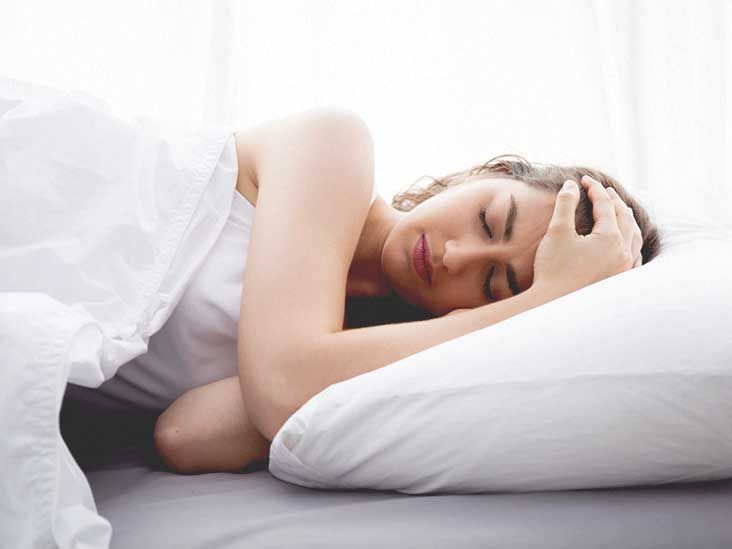
Period bloating has a special talent: it can make your favorite jeans feel personally offended by your existence. One day you are fine, and the next your lower abdomen feels puffy, tight, gassy, heavy, and just dramatic enough to ruin your plans. If that sounds familiar, you are very much not alone. Bloating is one of the most common premenstrual syndrome (PMS) complaints, and it can show up in the days before your period or hang around once bleeding starts.
The good news is that period bloating is usually manageable. The less-fun news is that it often takes a mix of habits, not one magical “goodbye, bloat” button. Hormone shifts can affect fluid retention, digestion, appetite, and even the way your clothes fit by lunchtime. That is why the best strategy is practical, flexible, and kind to your real life.
In this guide, we will break down why period bloating happens, what actually helps, and when bloating may be a sign that something more than PMS is going on. No gimmicks, no fake detox tea fairy tales, just smart ways to feel more comfortable.
Why Period Bloating Happens in the First Place
Period bloating usually starts before bleeding begins, during the stretch of your cycle when estrogen and progesterone shift. Those hormonal changes can encourage your body to hold on to more water, which is why your abdomen, hips, or even fingers may feel puffier than usual. At the same time, digestion may become a little slower or more sensitive. That can lead to gas, constipation, and the deeply annoying feeling that your stomach has inflated itself for sport.
For some people, bloating is mild and mostly a “why do my pants hate me?” inconvenience. For others, it comes with cramps, fatigue, bowel changes, back pain, food cravings, or a heavy feeling in the lower belly. Salt-heavy foods, sugary snacks, alcohol, poor sleep, and stress can also make the whole situation feel worse.
The key thing to remember is this: period bloating is common, but you do not have to simply suffer through it every month like it is a subscription service you forgot to cancel.
1. Adjust Your Food Choices Without Going Full Food Police
When bloating hits, your first instinct may be to skip meals or eat almost nothing. Sadly, your digestive system does not reward chaos with gratitude. A smarter move is to eat in a way that supports digestion and reduces fluid retention.
What to focus on
Start with smaller, balanced meals instead of huge, salty, “I have given up” plates. Large meals can make fullness feel worse, especially when you are already bloated. Meals built around fruits, vegetables, whole grains, beans, yogurt, oatmeal, eggs, nuts, and lean proteins tend to be easier on your body than a parade of fast food, chips, and extra-salty takeout.
Fiber matters too. If your period bloat comes with constipation, foods like berries, pears, leafy greens, beans, chia seeds, and whole grains can help keep things moving. Calcium-rich foods may also be helpful for some people dealing with PMS symptoms, which makes foods like yogurt, milk, fortified plant milks, tofu, and cheese worth considering if they work for your body.
What to ease up on
Salt is the big bloating troublemaker. When you eat a lot of sodium, your body may hang onto more fluid. That means canned soups, fries, deli meats, instant noodles, frozen meals, and ultra-processed snacks can sometimes make PMS puffiness feel worse. This does not mean you can never have them. It means maybe do not build your entire pre-period meal plan around them.
Caffeine and alcohol can also make some people feel worse, especially if they already deal with anxiety, poor sleep, or digestive upset around their period. The same goes for carbonated drinks if gas is part of your bloating story.
A realistic example
Instead of chips for lunch and a giant salty burger at dinner, try oatmeal with fruit in the morning, a turkey-and-veggie wrap or grain bowl at lunch, and salmon or chicken with rice and roasted vegetables at dinner. Not glamorous, but your abdomen may send a thank-you card.
2. Drink More Water, Even If Your Body Feels Like a Water Balloon
This sounds rude, but yes, drinking water can help when you feel bloated from fluid retention. When you are dehydrated, your body tends to cling to fluid more stubbornly. Staying well hydrated can support your body’s normal fluid balance and may also help with constipation, which often makes bloating feel worse.
You do not need to treat hydration like an Olympic event. Just aim to drink steadily through the day. Plain water is great. Herbal tea can be soothing. Water-rich foods like cucumbers, oranges, berries, and soups can help too.
If you crave something sweet, try infused water, diluted juice, or sparkling water only if bubbles do not make your stomach feel like a drum solo. Some people find that fizzy drinks increase pressure and gas, especially right before a period.
A useful trick is to start early. If you know bloating usually shows up two or three days before your period, do not wait until you already feel uncomfortable. Build hydration into your routine before the swelling and tightness arrive.
3. Move Your Body, Even If You Feel Like Becoming One With the Couch
Exercise may sound deeply unappealing when you are tired, crampy, and annoyed at your waistband. But regular movement can genuinely help with PMS symptoms, including bloating. It may support circulation, help with bowel motility, improve mood, and reduce that sluggish, puffy feeling.
The best exercise for period bloating
You do not need a punishing workout. In fact, period bloating usually responds well to moderate, consistent movement. Walking is excellent. So is cycling, swimming, light strength training, yoga, stretching, or a dance workout in your bedroom if that is your current wellness budget.
If your energy is low, try a 15- to 20-minute walk after meals. That alone can help digestion and reduce the “I swallowed a beach ball” sensation. If cramps are part of the problem, gentle stretching or yoga can feel more doable than high-intensity exercise.
Consistency beats intensity
The goal is not to crush a workout for one day and then vanish into a blanket burrito for the next six. The goal is steady movement throughout the month. People who exercise regularly often notice that PMS symptoms feel less intense overall. So yes, the boring answer wins again: a little bit, done often, is more helpful than heroic suffering.
4. Use Heat, Rest, and Comfort Tricks That Actually Make a Difference
Period bloating rarely travels alone. It often arrives with cramps, back pain, fatigue, or that vague lower-abdomen heaviness that makes everything feel more difficult. This is where comfort measures earn their paycheck.
Heat helps more than you think
A heating pad, warm bath, or hot water bottle placed on your lower abdomen can help relax the muscles in the area and ease cramping. While heat does not magically erase fluid retention, it can make the whole bloated, tight, uncomfortable package easier to tolerate. Some people find that once cramps settle down, the bloating feels less overwhelming too.
Dress for the body you have today
This is not surrender. This is strategy. If your abdomen feels tight and swollen, wear softer waistbands, looser layers, or leggings that do not feel like they are conducting an interrogation. Sometimes reducing pressure on your midsection can improve comfort more than you expect.
Protect your sleep
Poor sleep can make pain, cravings, mood changes, and stress feel worse. Try to keep a predictable sleep schedule around your period, reduce late-night scrolling, and create a wind-down routine that tells your nervous system to stop acting like every email is an emergency.
5. Use Symptom-Targeted Relief When Home Care Is Not Enough
Sometimes lifestyle tweaks help a lot. Sometimes your uterus chooses chaos and you need backup. That is where symptom-targeted relief comes in.
Over-the-counter options
If your bloating comes with cramps, over-the-counter nonsteroidal anti-inflammatory drugs, such as ibuprofen or naproxen, may help with period pain. When cramps calm down, the overall abdominal pressure may feel more manageable too. Always follow label directions and be careful if you have stomach, kidney, bleeding, or medication-related reasons not to use these products.
Talk with a clinician if symptoms are frequent or intense
If period bloating is severe every month, a clinician may discuss other options depending on your symptoms and health history. Some people benefit from hormonal birth control, especially when bloating is part of a broader PMS pattern. In some cases, a clinician may also recommend other treatments for fluid retention or significant menstrual symptoms.
The important part is this: if your bloating is disrupting school, work, sleep, exercise, or your ability to function normally, it is worth bringing up. You do not need to earn a medal for quietly suffering.
When Period Bloating Might Be More Than PMS
Most period bloating is related to normal hormone changes and PMS. But sometimes bloating is a clue that another issue may be involved. If your symptoms are severe, suddenly worse, or do not improve when your period ends, do not brush that off.
It is a good idea to check in with a healthcare professional if you also have any of the following:
- Severe pelvic pain or cramps that interfere with daily life
- Heavy bleeding, bleeding between periods, or bleeding that lasts unusually long
- Bloating that comes with fever, vomiting, or sudden severe pain
- Pain during sex, painful bowel movements, or pain when you urinate during your period
- Symptoms that are getting worse over time instead of staying predictable
- Digestive problems that seem tied to your cycle every month
Conditions such as endometriosis, adenomyosis, fibroids, irritable bowel syndrome, or ovarian cysts can sometimes cause bloating, pelvic pressure, bowel changes, and more painful periods. PMS is common, but “common” does not mean “ignore everything forever.”
A Simple Game Plan for Managing Period Bloating
If you want to keep this manageable, do not try to overhaul your entire life in one cycle. Pick a few habits you can actually stick with:
- Start hydrating consistently a few days before your period.
- Cut back on very salty meals and highly processed snacks.
- Take a short walk daily, especially after meals.
- Use a heating pad if bloating comes with cramps.
- Track your symptoms so you can spot patterns and know when something changes.
A cycle tracker or even a notes app can be surprisingly useful. If you notice that bloating always starts three days before your period and peaks on day one, you can plan ahead instead of being caught off guard by your own abdomen staging a protest.
Conclusion
Period bloating is inconvenient, uncomfortable, and occasionally rude, but it is often manageable with a few smart adjustments. Focus on lowering salt, eating balanced meals, staying hydrated, moving regularly, and using heat or symptom relief when needed. Most importantly, pay attention to your pattern. If the bloating is predictable and mild, home care may be enough. If it is intense, changing, or paired with other concerning symptoms, it is worth getting checked out.
Your period may be part of life, but feeling miserable every month does not have to be.
Common Real-Life Experiences With Period Bloating
One reason period bloating feels so frustrating is that it is not just a body sensation. It affects how people move through their day. A lot of people describe waking up and feeling fine, only to notice by afternoon that their lower abdomen feels tight, swollen, and oddly heavy. Pants that fit a few days earlier suddenly feel too snug. Sitting at a desk feels uncomfortable. Even bending down to tie shoes can feel like your stomach has decided to become a carry-on bag.
Another common experience is that period bloating does not always look dramatic from the outside, but it feels dramatic on the inside. Some people say they do not look much different, yet they feel puffy, gassy, and overfull all day. Others notice visible swelling that comes and goes with their cycle. This can be confusing because it is easy to wonder whether it is weight gain, food-related bloating, constipation, or something else. In many cases, it is simply the monthly pattern of hormonal changes showing up in a very annoying way.
There is also the food side of the story. Many people notice stronger cravings before a period and end up reaching for salty, sweet, or highly processed foods because they are tired, emotional, or just trying to survive the week. Then the bloating gets worse, which creates a very unfair little loop. You crave comfort, the comfort food tastes great for twelve minutes, and then your abdomen files a complaint. That does not mean cravings are bad or that you need a perfect diet. It just means awareness helps. People often feel better when they build in satisfying but less salty options instead of swinging between restriction and snack chaos.
Some people mainly notice bloating during school or work because sitting for long periods makes the pressure feel worse. Others notice it most at night, when cramps, fullness, and fatigue all pile on at once. Social plans can feel harder too. It is not unusual to cancel dinner, avoid fitted clothes, or feel less confident in your body during that part of the month. Those experiences are real, and they matter, even if they seem small from the outside.
What many people find most helpful is not one miracle fix, but a routine. Drinking more water before symptoms start, taking short walks, keeping a heating pad nearby, and having a few reliable low-salt meals ready can make the whole week feel more manageable. Over time, understanding your own pattern can reduce the stress of wondering what is happening. And honestly, sometimes half the relief comes from realizing your body is not broken. It is just being cyclical, inconvenient, and in need of a better support plan.












