
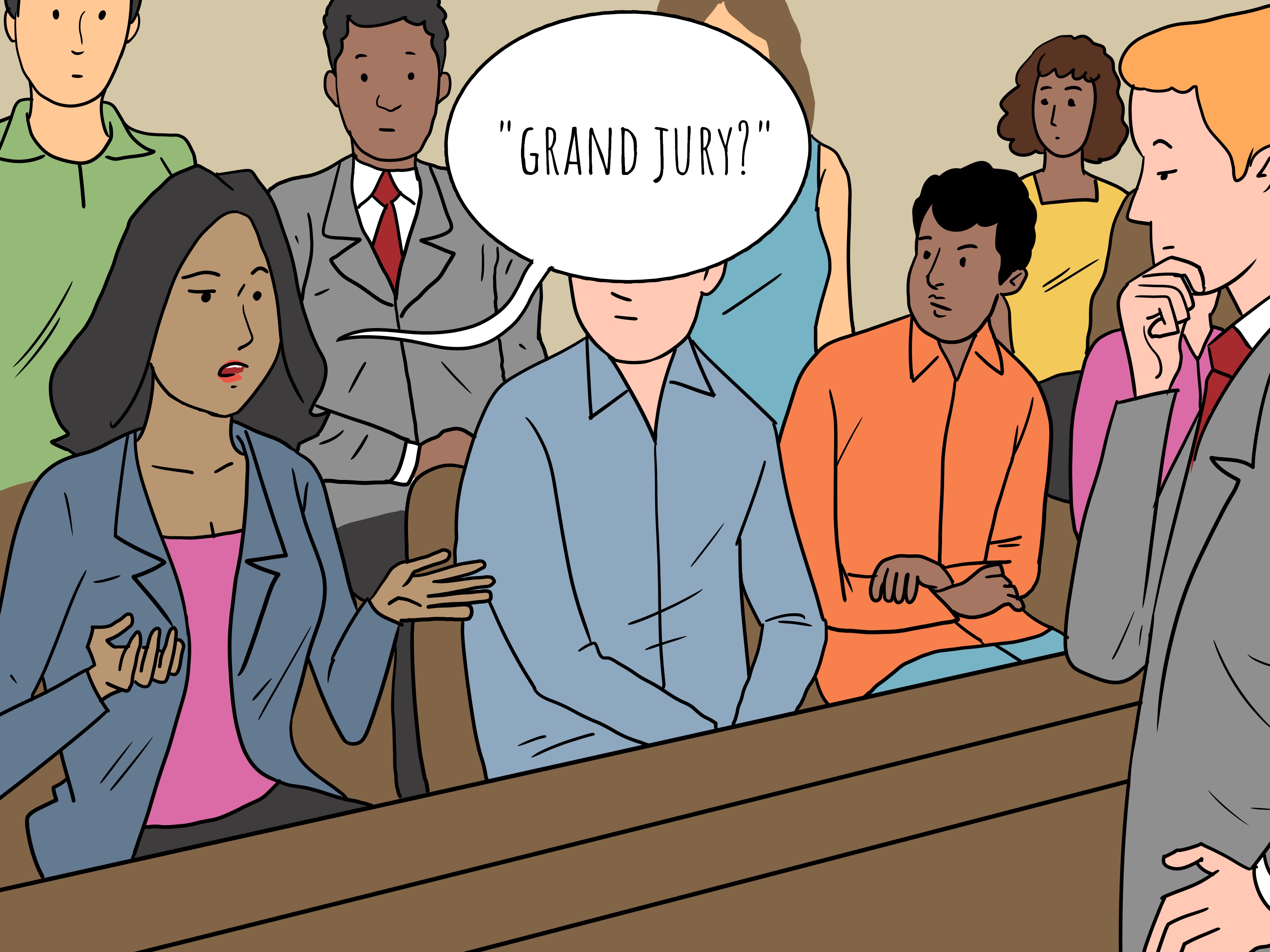
Getting a jury summons can feel like receiving an invitation to a very seri, and nobody can promise when you will get home. Still, jury duty is an important civic responsibility, and trying to dodge it by lying, ignoring the summons, or performing an Oscar-worthy impression of a wildly biased citizen can create much bigger problems.
The good news is that there are lawful ways to request a postponement, excusal, exemption, or disqualification when jury service would create a genuine problem. The key is simple: be honest, act quickly, follow your local court’s instructions, and provide documentation when requested.
Note: This article provides general U.S. information, not legal advice. Jury rules differ among federal courts, states, counties, and cities. Always follow the instructions on your summons and contact the court listed there for the rules that apply to you.
First, Know the Difference Between an Excuse, Deferral, and Disqualification
Before trying to get out of jury duty, it helps to understand what you are actually asking for. Many people request a permanent excuse when what they really need is a new date. Courts are usually more willing to postpone service than erase it from your calendar forever.
- Postponement or deferral: Your service is moved to a later date.
- Excusal: The court releases you from service because of hardship, illness, caregiving duties, or another approved reason.
- Exemption: A law may allow certain people to opt out, depending on their state and situation.
- Disqualification: You do not meet the legal requirements to serve in that court.
Think of a postponement as moving a dentist appointment. An excusal is more like convincing the dentist that you are currently living on another planet. One is usually easier to obtain than the other.
How to Get Out of Jury Duty Legally: 11 Steps
-
1. Read the Jury Summons Carefully
Do not toss the envelope onto the kitchen counter and hope it eventually becomes compost. Read every page of the summons. It should identify the court, reporting date, instructions for completing a questionnaire, available online portals, phone numbers, deadlines, and possible options for requesting a postponement or excusal.
Some courts use standby service, meaning you may need to call or check online before reporting. Others require you to complete a juror questionnaire first. Missing a deadline can make a simple scheduling issue much harder to fix.
-
2. Respond Before the Deadline
The fastest way to make jury duty more stressful is to ignore it. Courts generally expect potential jurors to respond, even if they are requesting to be excused. Complete the required form, submit your request through the court portal, or contact the jury office using the official information printed on your summons.
Do not assume that silence means the court forgot about you. Courts have excellent memories when it comes to paperwork. Responding early gives you more options and shows that you are trying to handle the matter responsibly.
-
3. Confirm That You Were Summoned by the Correct Court
Mistakes happen. You may have moved to a different county, changed your legal address, become ineligible for that jurisdiction, or received a summons connected to outdated information. If the court does not have your current address or residency information, notify the jury office promptly.
Do not simply write “I moved” on a form and call it a day. Follow the court’s process for updating your address and provide any required proof. A driver’s license update, lease, utility bill, voter registration record, or other official document may be relevant depending on the court.
-
4. Check Whether You Are Legally Qualified to Serve
Federal and state courts have legal qualifications for jurors. These may involve age, citizenship, residency, language ability, prior felony convictions, pending charges, or other requirements established by law. The rules are not identical everywhere, so avoid relying on a random social media post from someone named “LegalEagleFan420.”
If you believe you are not qualified, state the facts truthfully on the juror questionnaire or contact the court. A legal disqualification is different from simply preferring not to serve. The court, not the potential juror, makes the final decision.
-
5. Review Available Exemptions and Prior Jury Service Rules
Some courts allow exemptions for people who recently completed jury service, older adults, active-duty military members, primary caregivers, certain public-safety workers, or people in occupations that are difficult to leave. These exemptions vary widely by jurisdiction, and some are optional rather than automatic.
For example, a court may excuse someone who served on a jury recently, but only if that person actually served for a specified number of days or heard evidence in a trial. Sitting in a jury room for an hour and being sent home may not count. Keep proof of prior jury service if you have it.
-
6. Request a Postponement Before Asking for a Permanent Excuse
If your conflict is temporary, ask to reschedule. A business trip, prepaid vacation, final exams, major work deadline, medical appointment, family event, or short-term caregiving issue may support a deferral request. Courts often allow at least one postponement, although the number of permitted postponements and available dates depends on the location.
Be specific. Instead of writing, “This date is terrible,” explain the real conflict and offer dates when you can serve. A reasonable request sounds more credible than a dramatic paragraph that reads like a reality television reunion episode.
Example: “I respectfully request a postponement because I have a scheduled medical procedure and recovery period during the week of my assigned service. I am available to serve after [date]. I have attached documentation of the appointment.”
-
7. Document a Genuine Financial Hardship
Financial hardship can be a valid reason for a postponement or excusal, but it usually needs more than “I would rather be at work.” Many people lose income or face scheduling challenges during jury service, so courts often look for serious hardship that would threaten your ability to meet basic obligations or care for dependents.
Useful documentation may include an employer letter, pay records, proof that you are self-employed, evidence of a temporary business emergency, or information showing that your absence would cause a substantial and unavoidable financial loss. Be accurate. Do not alter documents, exaggerate your role, or invent a crisis involving a fictional company called “Definitely Real Plumbing LLC.”
-
8. Explain Essential Caregiving Responsibilities
Courts may consider excusal or postponement when you are personally responsible for a child, elderly relative, disabled family member, or another dependent and cannot reasonably arrange alternative care. The important word is essential. A court may want to know why another caregiver, childcare provider, or support service is unavailable.
Describe the situation clearly and respectfully. Include the person’s care needs, the hours involved, why your presence is necessary, and whether the issue is temporary or ongoing. Depending on the court, supporting letters from a healthcare provider, social worker, school, or care agency may be helpful.
-
9. Use the Proper Medical or Disability Process
A medical condition, disability, injury, pregnancy-related limitation, or mental health condition may affect your ability to serve. However, an illness does not always mean you must be excused. Courts may offer accommodations, such as accessible facilities, assistive devices, additional breaks, seating adjustments, or schedule modifications.
If you cannot serve even with reasonable accommodations, follow the court’s medical-excuse procedure. Some courts require a doctor’s note explaining the functional limitation and expected duration. Keep the request focused on your ability to perform jury duties rather than sharing every detail of your medical history. The court needs relevant information, not your entire medical autobiography.
-
10. Be Honest During Jury Selection
If you are required to report, you may still be questioned during voir dire, the jury-selection process. This is your chance to disclose genuine conflicts, prior experiences, relationships, scheduling barriers, or concerns that could affect your ability to be fair and impartial.
Honesty matters here. You should not pretend to be biased, claim you can never follow the law, or make extreme statements just to avoid being selected. But if you truly know someone involved in the case, have a real conflict of interest, cannot be impartial, or face a serious hardship, say so plainly when asked.
The goal is not to “fail” jury selection. The goal is to help the court seat a fair jury while ensuring that you are not placed in a situation you genuinely cannot handle.
-
11. Get Written Confirmation and Follow Every Instruction
Submitting a request does not automatically mean it was approved. Check your court portal, voicemail, email, and mail for a decision. Save screenshots, confirmation numbers, letters, and any documents you submit. If you do not receive an approval before your reporting date, contact the jury office.
Unless the court clearly tells you that you are excused, postponed, or disqualified, assume you must follow the original summons. Showing up may be inconvenient, but ignoring the court can create a much more inconvenient sequel.
What Not to Do When You Want to Avoid Jury Duty
There are plenty of bad jury-duty myths floating around online. Some sound clever until you realize they could result in penalties, contempt issues, additional court appearances, or a future summons with even less convenient timing.
- Do not ignore the summons.
- Do not lie on a juror questionnaire.
- Do not fake a medical condition or forge a doctor’s note.
- Do not claim bias you do not actually have.
- Do not intentionally behave badly in court.
- Do not rely on unofficial websites, viral videos, or “my cousin did this once” stories.
The best approach is surprisingly unexciting: be truthful, provide proof, and ask the court for the narrowest solution that fits your situation. Postponement is often more likely than a full excusal, especially when your conflict has an end date.
Experiences Related to Getting Out of Jury Duty: What People Learn
The examples below are composite scenarios based on common jury-service situations. They are included for educational purposes and are not individual legal advice.
One of the most common experiences involves the person who receives a summons right before a long-planned vacation. They panic because the hotel is booked, the airline tickets are nonrefundable, and their suitcase is already mentally packed. In many cases, the practical solution is not an excuse but a postponement request. The person who submits the request early, includes travel dates, and offers future availability usually has a much smoother experience than the person who waits until the night before departure and sends a three-word email that says, “Help please.”
Another common situation involves workers who believe their employer can simply “get them out” of jury duty. Employers may provide documentation about business needs, pay arrangements, staffing shortages, or essential responsibilities, but the court makes the decision. A worker at a small business may have a stronger hardship argument if the business would temporarily close without them, yet even then, the court may decide that a later service date is more appropriate than a permanent release.
Caregivers often face some of the most difficult jury-duty decisions. A parent caring for a child with intensive medical needs, an adult child caring for a parent with dementia, or a person responsible for a family member with mobility limitations may have a legitimate reason to request an excusal or postponement. The strongest requests tend to explain why the care is necessary during court hours and why alternative arrangements are not available. Courts are more likely to understand a clear, documented explanation than a vague statement such as, “I have family stuff.”
Medical issues are another area where people sometimes make the process harder than necessary. A person recovering from surgery may assume they need to explain every diagnosis, medication, and awkward hospital gown detail. Usually, the court needs a concise statement about the limitation, expected recovery period, and whether accommodations would make service possible. A brief provider note may be enough. The lesson is that relevant details beat oversharing.
Some people discover that jury duty is less burdensome than expected. They may report for one morning, wait in a jury assembly room, watch an orientation video that was clearly filmed before smartphones existed, and then be dismissed without entering a courtroom. Others are selected for a short trial and find the experience more meaningful than anticipated. That does not mean jury service is convenient, but it does mean that the worst-case scenario in your imagination may not match reality.
There are also people who accidentally make everything worse by trying to game the system. They repeat internet myths about announcing extreme opinions, refusing to answer questions, or acting disruptive. Courts and attorneys have heard these tactics before. Instead of being quickly released, the person may attract unwanted attention, embarrass themselves, or create an avoidable legal issue. The smarter move is calm honesty. If you have a genuine conflict, say so. If you are qualified and available, serve responsibly.
In the end, the most successful jury-duty experiences usually follow the same pattern: open the summons immediately, learn the local rules, request help early, provide truthful documentation, and keep records of every communication. It may not feel as thrilling as escaping a spy movie laser maze, but it is far more effective.
Final Thoughts
Learning how to get out of jury duty legally is really about learning how to communicate with the court. You may qualify for a postponement, hardship excusal, exemption, accommodation, or disqualification, but each option depends on your jurisdiction and the facts of your situation.
Handle the summons promptly, ask for the most appropriate solution, and avoid shortcuts that could create legal trouble. A truthful request supported by clear documentation gives you the best chance of resolving a real conflict while respecting the court’s role in selecting fair juries.











