
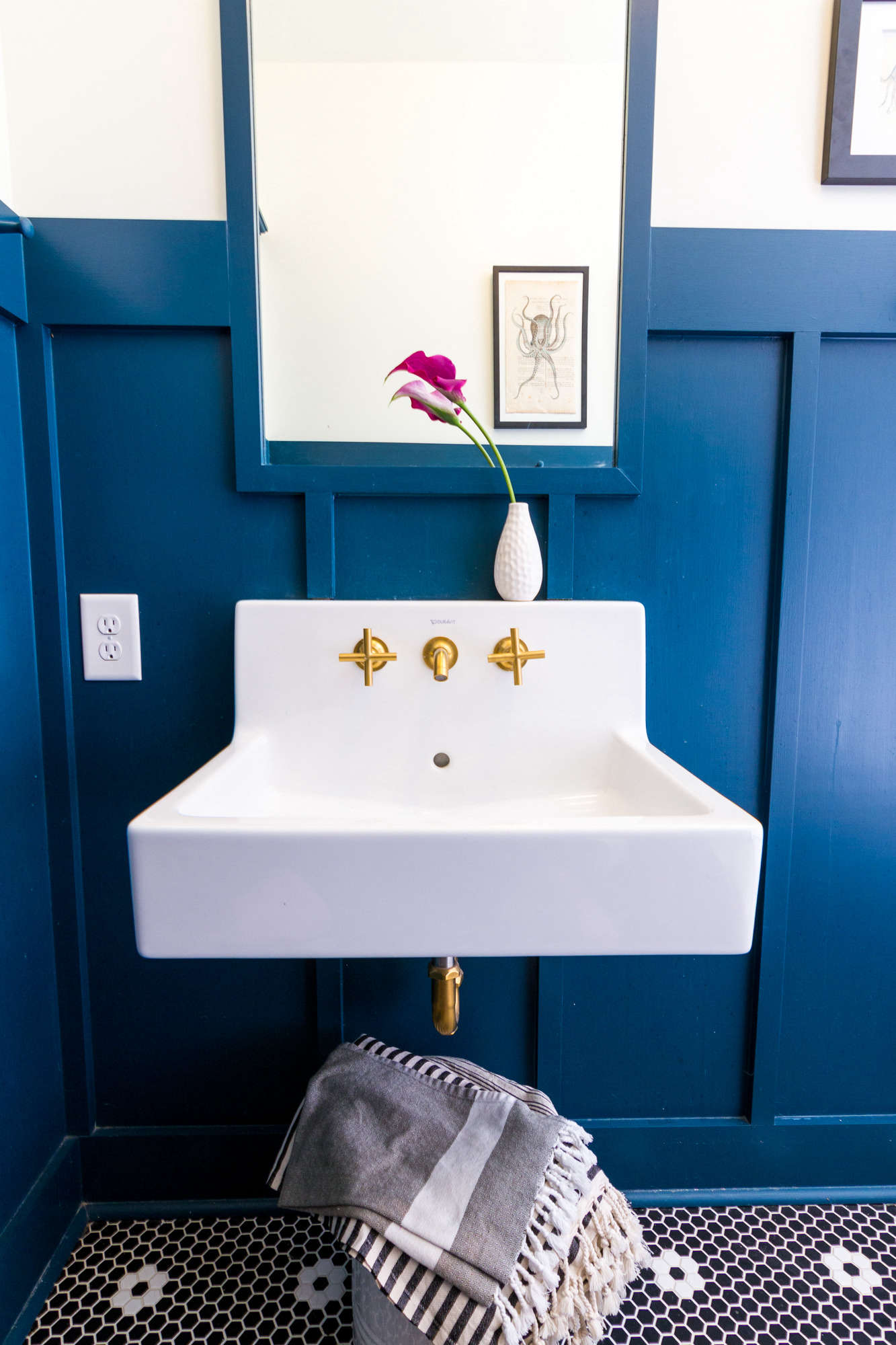
A Craftsman bungalow guest bathroom remodel is not just a weekend project with a paint roller, a suspiciously optimistic budget, and a playlist called “Renovation Energy.” It is a small-room balancing act between history, comfort, charm, and the modern human need for outlets, decent lighting, and a shower that does not feel like it was designed by a submarine engineer.
Craftsman homes are loved for their honest materials, warm woodwork, built-ins, simple lines, handmade details, and cozy personality. A guest bathroom in one of these homes should feel connected to that story. It does not need to become a museum bathroom where guests are afraid to touch the faucet. It should feel fresh, clean, functional, and period-friendly, with enough character to say, “Yes, this house has taste,” but not so much drama that the toilet becomes a supporting actor.
The best Craftsman bungalow guest bathroom remodels respect the age of the house while quietly solving the annoyances of older bathrooms: poor storage, dated fixtures, tired tile, awkward layouts, weak ventilation, and lighting that makes everyone look like they just heard bad news. With the right mix of vintage-inspired materials and practical upgrades, a small guest bath can become one of the most memorable rooms in the home.
What Makes a Bathroom Feel Craftsman?
Craftsman design grew from the Arts and Crafts movement, which valued craftsmanship, natural materials, and useful beauty. In a bathroom, that translates into simple shapes, durable surfaces, earthy color palettes, handmade-looking tile, warm wood tones, and fixtures that feel classic rather than flashy.
A Craftsman bathroom usually avoids ultra-glossy glamour. Instead of giant polished slabs and mirror-on-mirror drama, think white subway tile, hex tile floors, beadboard, quarter-sawn oak, bronze or brass hardware, framed mirrors, shaded sconces, and colors pulled from nature. Muted green, clay, cream, slate, charcoal, warm white, brown, and deep blue all work beautifully in a bungalow setting.
The key is restraint. Craftsman style is not about stuffing every inch with antique details. A small guest bathroom can feel authentic with just a few smart choices: a pedestal sink, a wood vanity with inset doors, a medicine cabinet with a simple frame, handmade-style tile trim, and lighting that looks like it belongs in a house built with pride rather than assembled from a trend catalog.
Start With the Bones: Layout Before Looks
Before choosing tile, paint, or that charming faucet you have emotionally bonded with online, study the layout. Older bungalow bathrooms are often compact, and the guest bathroom may be especially tight. The goal is to improve function without moving plumbing unless absolutely necessary.
Keeping the toilet, sink, and shower or tub in their existing locations can save serious money. Moving plumbing often means opening walls and floors, updating supply lines, rerouting drains, and possibly discovering ancient mysteries behind plaster. Some mysteries are fun. Bathroom wall mysteries are rarely fun.
Measure everything carefully. Check door swing, toilet clearance, vanity depth, shower opening, and storage opportunities. A guest bath should be easy to use for visitors, including overnight guests who arrive with toiletries, medications, hair tools, and the unreasonable expectation that there will be a place to put a toothbrush.
Smart Layout Ideas for Small Guest Bathrooms
If the room is narrow, a pedestal sink or wall-mounted sink can make the space feel larger. If storage is more important, choose a compact vanity with drawers rather than doors; drawers keep items accessible and reduce the black-hole effect under the sink. A recessed medicine cabinet adds storage without stealing floor space.
If the guest bathroom has a tub-shower combo, consider whether it still makes sense. A tub can be valuable for families, pets, or resale, but a walk-in shower may be more practical for adult guests. In a Craftsman bungalow, either can work if the materials feel timeless. A white tiled tub surround with a simple curtain can look charming and period-friendly. A glass shower can feel modern, but it should be softened with classic tile, warm metal finishes, or wood accents.
Choose Tile That Looks Like It Belongs
Tile is the soul of a Craftsman bungalow guest bathroom remodel. It sets the tone before anyone notices the faucet, mirror, or tiny plant bravely surviving near the sink. Fortunately, some of the most period-friendly tile options are also practical and widely available.
White subway tile is a classic choice for bungalow bathrooms, especially when paired with a darker floor or a simple trim detail. It reflects light, looks clean, and creates a timeless backdrop. For the floor, small hex tile, basketweave tile, penny tile, or square mosaic tile can create a vintage look without feeling forced.
If you want more personality, add a narrow border in black, deep green, blue-gray, or warm brown. A tile cap, chair rail, or pencil trim can make the bathroom feel intentional. Handmade-style ceramic tile also works well because slight variation in color and texture echoes the handcrafted spirit of Craftsman design.
Tile Colors That Work in a Craftsman Bathroom
For a clean historic look, use white wall tile with black or charcoal accents. For a warmer Arts and Crafts mood, try cream tile with sage green trim, taupe floor tile, or earthy brown details. For a bolder guest bath, deep teal, forest green, or inky blue can be stunning on a vanity, upper wall, or accent niche.
Be careful with overly trendy tile. A guest bathroom is a small space, but tile is not as easy to change as a shower curtain. If the pattern screams the current decade too loudly, it may age faster than milk in a hot car. Classic shapes and thoughtful color usually outlast trendier choices.
Fixtures: Vintage Style, Modern Performance
Fixtures are where a Craftsman bungalow guest bathroom can quietly upgrade from “old-house charming” to “old-house charming and actually pleasant to use.” A vintage-inspired faucet, high-efficiency toilet, comfortable showerhead, and well-scaled sink can preserve the look while improving daily function.
For sinks, pedestal styles look especially appropriate in older bungalows. They are elegant, compact, and visually light. The downside is limited storage, so pair one with a medicine cabinet, wall shelf, or built-in niche. If guests need more surface area, a furniture-style vanity in oak, walnut, or painted wood may be the better choice.
For metal finishes, oil-rubbed bronze, aged brass, polished nickel, and brushed nickel all suit Craftsman bathrooms. Chrome can also work, especially in a white sanitary-style bathroom inspired by early twentieth-century baths. The trick is consistency. Mixing metals can look collected and interesting, but too many finishes in a tiny bathroom can feel like a hardware store argument.
Water-Saving Fixtures Without the Sad Shower
Modern water-efficient fixtures can reduce water use while still performing well. Look for toilets, faucets, and showerheads with strong performance ratings and a style that fits the room. A high-efficiency toilet with a classic tank shape is usually a better choice than a bulky futuristic model that looks like it came from a spaceship with plumbing issues.
In the shower, choose a simple exposed or traditional-style valve set if you want a vintage feel. A handheld showerhead is especially useful for guests, cleaning, children, pets, and anyone who has ever tried to rinse a shower wall with a cup. That is not luxury; that is civilization.
Lighting: The Remodel Detail People Notice First
Lighting can make or break a guest bathroom. Many older bathrooms rely on one overhead fixture, which creates shadows and makes shaving, makeup, or basic mirror use unnecessarily dramatic. A good remodel layers light: ambient lighting overhead, task lighting at the mirror, and possibly a soft night-light option for guests.
Craftsman-style sconces with glass shades, bronze details, or simple geometric lines are excellent choices. Place sconces on both sides of the mirror when possible. If side sconces are not practical, use a horizontal fixture above the mirror that provides even illumination.
Use warm but clear light. Too yellow and the room feels dingy. Too blue and the bathroom feels like a hospital hallway with hand towels. A balanced warm white bulb often gives the best result, especially with white tile and wood accents.
Storage That Does Not Ruin the Room
Guest bathrooms need storage, but not the kind that swallows the room. In a Craftsman bungalow, storage should feel built-in, purposeful, and quiet. Recessed medicine cabinets, shallow wall cabinets, open wood shelves, and inset linen niches all work well.
If the wall cavity allows, consider a recessed cabinet between studs. This is especially useful above the toilet or beside the vanity. A small wood shelf with folded towels, a glass jar of cotton swabs, and a simple plant can be both practical and attractive. Just avoid clutter. A guest bathroom should not look like a tiny gift shop with plumbing.
Hooks are often better than towel bars in a small bathroom. They take less wall space and are easier for guests to use. Choose hooks in bronze, brass, black, or nickel with simple Craftsman lines. Add one near the shower and one behind the door if space allows.
Walls, Paint, and Woodwork
Original wood trim is one of the treasures of a Craftsman bungalow. If the bathroom still has original casing, baseboards, or built-ins, preserve them when possible. Clean, repair, and refinish rather than replacing with generic trim. Warm wood against white tile is one of the easiest ways to make a bathroom feel connected to the rest of the home.
For walls, paint above tile or beadboard can add personality. Soft cream, warm white, muted sage, dusty blue, mushroom, and deep olive are all strong options. If the room has good light, a richer wall color can feel cozy and dramatic. If the bathroom is small and dark, keep the palette lighter and let the floor or accessories carry the contrast.
Beadboard can work beautifully in a Craftsman guest bath, especially in a powder room or dry wall area. In wet zones, tile is usually more durable. If you use wood paneling or beadboard, install it properly, seal it well, and run a strong ventilation fan. Bathrooms are humid little ecosystems, and wood deserves protection.
Ventilation, Waterproofing, and the Unsexy Stuff That Saves the Remodel
The most beautiful Craftsman bungalow guest bathroom remodel will not age well if the waterproofing is careless. Showers, tub surrounds, floors, and seams need proper preparation. Behind the tile, use appropriate backer board, waterproofing membranes, sealants, and installation methods for wet areas.
Ventilation matters too. A quiet, properly sized exhaust fan helps protect paint, wood, tile, and indoor air quality. Vent the fan outdoors, not into an attic. Sending bathroom moisture into an attic is basically mailing mold an invitation.
Older homes may also need plumbing and electrical updates. Galvanized pipes, outdated wiring, ungrounded outlets, and insufficient circuits should be reviewed by licensed professionals. Add GFCI protection where required, include enough outlets for guests, and place switches logically. Nobody should have to perform a midnight wall search just to turn on the bathroom light.
Budgeting a Craftsman Bungalow Guest Bathroom Remodel
Bathroom remodel costs vary widely depending on size, location, labor, materials, plumbing changes, tile complexity, and the condition of the old house. A modest cosmetic refresh may involve paint, lighting, hardware, a new mirror, and minor fixture updates. A full remodel may include demolition, plumbing, electrical work, waterproofing, tile, cabinetry, ventilation, and new fixtures.
For an older Craftsman bungalow, build a contingency into the budget. Old bathrooms often hide surprises: uneven floors, water damage, outdated pipes, old plaster, framing quirks, or previous repairs that appear to have been completed by someone armed with confidence and no measuring tape.
Spend money where it matters most: waterproofing, plumbing, electrical safety, ventilation, quality tile installation, and durable fixtures. Save money with simple tile patterns, standard fixture locations, refinished original trim, vintage mirrors, open shelves, and carefully selected midrange materials.
Where to Splurge
Splurge on skilled tile labor, a reliable exhaust fan, good plumbing valves, a comfortable toilet, and lighting that flatters the room. These choices affect daily use and long-term durability. A perfectly installed simple tile will always look better than expensive tile installed badly.
Where to Save
Save on accessories, towel hooks, paint, basic white tile, a shower curtain instead of custom glass, and vintage finds such as mirrors or small cabinets. A Craftsman bathroom does not need luxury branding to feel special. It needs proportion, warmth, and materials that make sense.
Design Example: A Small Guest Bath With Big Bungalow Energy
Imagine a 6-by-8-foot guest bathroom in a 1920s Craftsman bungalow. The existing room has beige tile from another era, a bulky vanity, weak lighting, and a tub-shower combo that technically works but has the charisma of a storage closet.
The remodel keeps the plumbing in place. The floor gets matte white hex tile with a charcoal border. The tub surround is rebuilt with white subway tile, a simple black liner, and a niche framed with matching trim. The walls above the tile are painted muted sage. The vanity is replaced with a compact oak cabinet with inset drawers and a white stone-look countertop. A framed medicine cabinet adds storage. Two bronze sconces flank the mirror, and a quiet ventilation fan replaces the old rattling ceiling fixture.
The result feels fresh, but not random. It belongs to the bungalow. Guests get storage, good light, a comfortable shower, and a room that feels intentionally designed. The house keeps its soul. Everyone wins, including the towels.
Common Mistakes to Avoid
One common mistake is choosing finishes that are too modern for the architecture. A floating ultra-minimal vanity, oversized gray tile, and chrome waterfall faucet may look sleek in a new condo, but they can feel disconnected in a Craftsman bungalow.
Another mistake is going too theatrical with “vintage.” Not every item needs to look antique. A bathroom should function smoothly. Vintage-inspired is usually better than vintage-only, especially for plumbing fixtures and electrical components.
Do not ignore scale. Large fixtures can overwhelm a small guest bath. A vanity that looks modest in a showroom may become a wooden boulder once installed. Always measure, tape outlines on the floor, and check door swings before ordering.
Finally, do not treat ventilation and waterproofing as optional. Pretty tile cannot rescue a poorly built wet area. Behind-the-scenes work is what keeps the remodel looking good years later.
Experience Notes From a Craftsman Bungalow Guest Bathroom Remodel
The most useful lesson from a Craftsman bungalow guest bathroom remodel is that the room tells you what it wants, usually right after you thought you had already decided. You may begin with a bold plan for dramatic tile, a moody wall color, and a vanity that looks gorgeous online. Then you stand in the actual room, notice the original door casing, the small window, the old floor height, and the narrow walking path, and suddenly the smarter design becomes quieter, warmer, and more respectful.
In real remodeling experience, the first victory is often not visual. It is discovering what can stay. Original trim, a solid door, old brass hardware, a medicine cabinet opening, or a cast-iron tub can become the anchor of the design. Keeping one authentic feature gives the room a sense of age that new materials cannot fake. Even when original pieces need repair, they often bring more character than a cart full of brand-new “vintage-style” products.
The second lesson is that small bathrooms punish vague planning. A guest bathroom may be one of the smallest rooms in the house, but it asks a lot from every inch. Where will a guest set a toiletry bag? Where does the towel hang while someone showers? Can the door open without hitting the bath mat? Is there an outlet near the mirror? Can someone reach extra toilet paper without performing cabinet yoga? These details sound minor until the room is finished. Then they become daily truth.
Tile selection is another memorable part of the process. Samples matter. A white subway tile that looks perfect in a store can appear cold under your bathroom light. A green trim tile that looks subtle online may arrive looking like a pickle with ambition. Put samples in the actual room and view them morning, afternoon, and evening. Craftsman colors are especially sensitive to light because they often rely on muted, earthy undertones.
Budget surprises are also part of the experience. In an old bungalow, demolition can reveal water stains, patched flooring, old pipe runs, or framing that predates modern ideas about straight lines. This is why a contingency fund is not pessimism; it is self-care. The goal is not to spend wildly, but to avoid panic when the house clears its throat and announces one more thing.
The most satisfying moment usually comes near the end, when the final details connect: the mirror goes up, the sconces glow, the towel hook lands in exactly the right spot, and the grout haze is finally gone. That is when the guest bathroom stops feeling like a project and starts feeling like part of the house again. A good Craftsman bungalow bathroom remodel does not shout. It settles in, looks as if it should have been there all along, and quietly makes every guest think you are much more organized than you actually are.
Conclusion
A Craftsman bungalow guest bathroom remodel works best when it blends period character with modern comfort. Keep the design simple, choose materials with texture and warmth, respect original details, and invest in the hidden systems that make the room durable. White subway tile, hex floors, wood accents, classic lighting, efficient fixtures, and smart storage can transform a small bathroom into a charming, useful space that honors the home’s history.
The goal is not to freeze the bathroom in 1925. The goal is to create a room that feels like it belongs in the bungalow while serving real people today. When the balance is right, the guest bath becomes more than a convenience. It becomes a tiny, tile-lined love letter to the house.













