
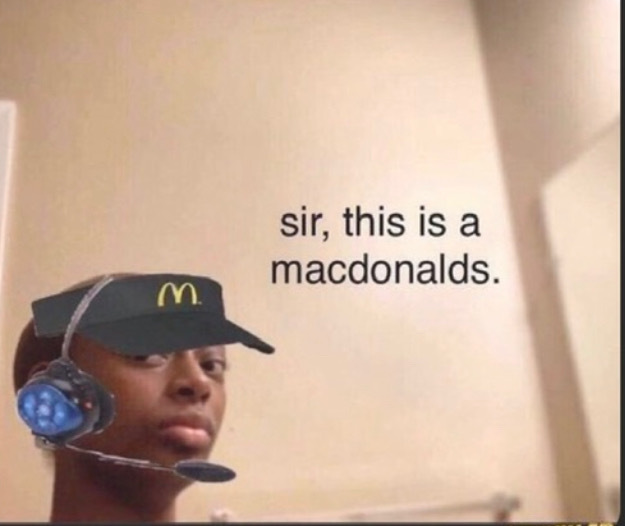
Some internet posts politely ask for your opinion. Others kick the door open wearing clown shoes and demand: “Hey Pandas, post the meme that killed you instantly looking at it.” Dramatic? Absolutely. Accurate? Also yes, if we are talking about that specific kind of meme that makes you laugh before your brain has even finished loading the image.
Of course, nobody is literally being taken out by a JPEG. The phrase “killed me” is internet shorthand for “I laughed so hard my soul briefly left my body, waved goodbye, and came back with snacks.” In the world of online humor, especially on community-driven platforms like Bored Panda, Reddit, Instagram, TikTok, X, and meme forums, people use exaggerated language because ordinary words simply cannot carry the emotional weight of a perfectly timed raccoon photo with one devastating caption.
This article explores why the prompt “Hey Pandas, Post The Meme That Killed You Instantly Looking At It” works so well, what makes a meme instantly funny, why community meme-sharing feels so addictive, and how a tiny visual joke can become the highlight of someone’s day. Bring a beverage, but maybe do not sip while reading. Memes and keyboards have a complicated splash-history.
What Does “Hey Pandas” Mean?
“Hey Pandas” is a familiar community-style phrase associated with Bored Panda, a site known for visual stories, funny lists, art, animals, relationship tales, design ideas, and user-submitted prompts. In these posts, “Pandas” refers to the site’s readers and community members. It gives the prompt a friendly, club-like feeling, as if someone has gathered everyone in a digital living room and said, “All right, show us the good stuff.”
That format is important. A meme thread is not just a gallery; it is a social invitation. The phrase makes readers feel like participants rather than passive scrollers. Instead of one writer telling the audience what is funny, the audience brings the jokes, votes on them, comments on them, and quietly judges everyone else’s taste like a panel of extremely caffeinated raccoons.
That community energy is one reason meme prompts perform well online. People love to contribute because posting a meme is low effort but high expression. It says: “This is my humor. This is my chaos. This is the image that made me wheeze at 1:13 a.m. when I should have been asleep like a responsible citizen.”
What Is a Meme, Really?
A meme is more than a funny picture with text slapped on top. The word “meme” originally described an idea, behavior, or cultural unit that spreads from person to person. On the internet, the concept evolved into images, videos, jokes, phrases, screenshots, reaction GIFs, and templates that people copy, remix, and send around at alarming speed.
The magic of a meme is that it is both familiar and new. A popular template gives viewers instant context. The caption or twist gives them surprise. That combination is why a tired-looking cat, a confused math lady, a distracted boyfriend, or a dramatic SpongeBob screenshot can keep returning in new forms for years. The template is the stage; the caption is the punchline wearing a fake mustache.
Internet memes also work because they are compact. They compress a full emotional situation into one glance. A good meme can say “I am overwhelmed by modern life, hungry, financially confused, and somehow still watching videos at midnight” faster than a paragraph can. It is the espresso shot of communication: tiny, intense, and occasionally responsible for poor decisions.
Why Some Memes “Kill You Instantly”
Instantly funny memes usually have one or more ingredients: surprise, recognition, timing, absurdity, contrast, and emotional truth. The best ones make you think, “That is stupid,” and then laugh anyway because your brain has betrayed you. Congratulations, you have been memed.
1. They Catch You Off Guard
Surprise is comedy fuel. A meme might start with a normal image, then suddenly twist into something bizarre. Maybe it is a wholesome dog photo paired with a caption that sounds like an exhausted office worker. Maybe it is a historical painting used to describe the panic of hearing your name called in class. The setup looks ordinary, but the caption takes a sharp left turn into Nonsense County.
2. They Feel Painfully Relatable
Relatable memes are dangerous because they do not politely ask for permission. They point at your life and say, “This you?” A meme about opening the fridge five times hoping new food appears is not just a joke. It is a documentary. A meme about pretending to understand instructions while your brain plays elevator music is not comedy; it is journalism with a frog picture.
3. They Use Absurdity Like a Tiny Hammer
Some memes are funny because they make no logical sense, yet feel spiritually correct. A blurry possum screaming into the night may not have a traditional punchline, but it captures Monday morning better than any motivational quote ever has. Absurd memes thrive because the internet itself often feels absurd. When life is weird, weird humor becomes a mirror.
4. They Match Image and Caption Perfectly
A meme’s image and text need chemistry. The expression, posture, lighting, or awkwardness of the image must amplify the caption. A bored cat can become a tax accountant. A surprised baby can become anyone checking their bank account after ordering “just one little thing.” When the visual and verbal joke click together, the result feels instant.
5. They Arrive at the Right Moment
Timing matters. A meme about seasonal allergies hits harder when everyone is sneezing. A meme about school stress lands better during exam week. A meme about holiday awkwardness becomes stronger when families are gathering and someone has already asked why you are “still on that phone.” Memes are cultural weather reports with punchlines.
The Role of Community in Meme Sharing
The prompt “Hey Pandas, Post The Meme That Killed You Instantly Looking At It” works because memes are social objects. People rarely want to laugh alone. When someone finds a meme that destroys their ability to act normal in public, the next instinct is to share it with a friend, sibling, group chat, or entire comment section.
Sharing a meme says, “I thought of you.” That is oddly sweet, even when the meme is a frog in a cowboy hat saying something unhinged. Digital humor can become a small friendship ritual. People send memes instead of long messages because the meme carries the feeling for them. It is emotional delivery with fewer words and more raccoons.
Community threads also create a ranking effect. Users post their funniest finds, others vote, and the best memes rise. That turns humor into a playful competition. Everyone wants to be the person who posts the meme that makes strangers comment, “I was not ready,” “This took me out,” or “I laughed way too hard at this.” In internet terms, that is applause.
Types of Memes That Usually Win These Threads
Not all memes are built the same. Some are slow-burn jokes. Some require deep internet lore. Some are so specific they only make sense if you have worked retail, owned a cat, survived group projects, or tried to cancel a subscription without needing a treasure map. But in a broad community thread, a few meme types tend to shine.
Animal Memes
Animals are meme royalty. Cats look judgmental. Dogs look optimistic. Possums look like they have seen the future and disapprove. Birds look like tiny dinosaurs with tax problems. Animal memes work because expressive creatures make human emotions look funnier. A cat staring into space can represent burnout, suspicion, hunger, or the exact moment you remember an embarrassing thing from 2017.
Work and School Memes
Work and school memes are universally relatable because nearly everyone has experienced deadlines, confusing instructions, awkward meetings, or the emotional earthquake of hearing “Can we talk for a second?” These memes transform daily frustration into shared comedy. They do not fix the assignment or meeting, but they do make the suffering feel less lonely.
Food Memes
Food memes succeed because hunger has no niche audience. A meme about planning to eat healthy and then being spiritually summoned by fries speaks across generations. Food humor often mixes desire, guilt, comfort, and zero self-control into one delicious little post. It is not fine dining; it is emotional nachos.
Parenting and Family Memes
Family memes can be instantly funny because they capture small domestic truths: parents texting in full punctuation like they are issuing a legal notice, siblings turning one minor inconvenience into a courtroom battle, and relatives asking questions at gatherings with the precision of detectives. These memes are funny because the details feel suspiciously familiar.
Chaotic Reaction Memes
Reaction memes are the internet’s facial expressions. They help people respond without typing an essay. A dramatic screenshot, a shocked cartoon character, or a blurry celebrity face can communicate panic, disbelief, joy, betrayal, or “I have no idea what is happening but I support the chaos.” In meme threads, reaction images often win because they are easy to understand instantly.
Why Meme Humor Feels So Fast
Memes are designed for speed. A person can understand many memes in less than a second because the format combines visual recognition and short text. The viewer does not need a long setup. They see the image, read the caption, connect the idea, and laugh before their logical brain can file a complaint.
This is especially true with familiar templates. Once people understand the original pattern of a meme, every new version becomes easier to process. The brain recognizes the structure and waits for the twist. That is why template-based memes can remain effective even after hundreds of variations. The fun comes from seeing how creatively someone bends the format.
However, speed can also make memes fragile. A meme that needs too much explanation loses momentum. If someone has to say, “Okay, so first you need to understand a 2019 livestream, three deleted tweets, and a niche gaming scandal,” the joke may already be gasping for air. The best broad-audience memes travel lightly.
The Science-ish Side of Laughing at Memes
Laughter is not just noise that escapes when your dignity loses balance. It can reduce stress, relax tension, and create a feeling of connection with others. That is one reason funny content spreads so well. People are not only sharing jokes; they are sharing tiny mood upgrades.
When a meme makes someone laugh, it often offers relief. It turns annoyance into comedy, confusion into recognition, and stress into something you can send to a group chat with the message, “Me.” In that way, memes act like small emotional pressure valves. They are not a complete solution to life’s problems, but sometimes a perfectly timed joke is exactly the little reset button a person needs.
This is why memes became especially powerful during stressful periods, major news cycles, school pressure, work burnout, and cultural uncertainty. People use humor to process things that are difficult, boring, awkward, or overwhelming. Memes make heavy feelings easier to hold because they wrap them in silliness. It is therapy’s unserious cousin who shows up late but brings snacks.
What Makes a Meme Shareable?
A meme becomes shareable when it gives people a reason to pass it along. That reason might be laughter, identity, surprise, usefulness, or social bonding. The best memes do not merely entertain; they give viewers a person to send them to.
For example, a meme about procrastination is not just funny. It is something you send to the friend who has three unfinished assignments and is currently organizing their desk instead. A meme about online shopping is something you send to the person who says “I’m saving money” while tracking four packages. A meme about cats is something you send to anyone with a cat, or anyone emotionally supervised by a cat against their will.
Shareability also depends on clarity. If the joke is too obscure, it stays trapped in a tiny corner of the internet. If it is too generic, it becomes forgettable. The sweet spot is specific enough to feel personal, but broad enough that thousands of people can recognize themselves in it.
How to Post a Great Meme in a “Hey Pandas” Thread
If you are answering a prompt like “Hey Pandas, Post The Meme That Killed You Instantly Looking At It,” choose a meme that gets to the joke quickly. A strong post should be easy to read, visually clear, and funny without requiring a 40-minute documentary.
First, pick something with immediate emotional impact. The funniest meme in your camera roll is usually the one you remember without scrolling for ten minutes. Second, avoid jokes that depend on hurting or humiliating real people. A meme can be savage without being cruel. Third, check that the image is readable on mobile. If the caption looks like it was typed by an ant holding a pencil, the joke may not survive.
Finally, think about audience fit. Bored Panda-style communities often enjoy relatable, wholesome, weird, clever, and absurd humor. A meme does not need to be edgy to be funny. Sometimes the funniest thing online is simply a dog looking guilty next to a destroyed pillow with the caption, “The investigation is ongoing.”
Examples of Meme Ideas That Fit the Prompt
Because copyrighted meme images vary widely and should be shared responsibly, let’s describe a few meme-style examples rather than copy actual posts. Imagine a photo of a cat sitting upright like a tiny exhausted landlord with the caption: “Me waiting for my motivation to pay rent.” That works because the animal’s posture and the human problem collide perfectly.
Another example: a historical painting of people looking dramatically horrified, captioned, “The group chat when someone says ‘quick question.’” The humor comes from exaggeration. A harmless phrase becomes a medieval crisis, which is exactly how some messages feel when your anxiety has had coffee.
Or picture a frog sitting calmly in a tiny hat with the caption, “I have no plan, but I do have confidence.” This is funny because it captures a universal human strategy: entering situations completely unprepared while radiating unnecessary optimism.
These examples show the anatomy of a strong meme: recognizable feeling, unexpected visual match, short caption, and enough absurdity to make the brain trip over its own shoelaces.
Why This Title Is SEO-Friendly
The title “Hey Pandas, Post The Meme That Killed You Instantly Looking At It” is long, specific, and community-driven. From an SEO perspective, that matters. It contains searchable phrases such as “Hey Pandas,” “post the meme,” “meme that killed you,” and “instantly looking at it.” While the wording is playful, it targets users who are looking for funny memes, Bored Panda-style prompts, viral meme discussions, and relatable internet humor.
For Google and Bing, the strongest content around this topic should not simply repeat the title. It should explain the cultural context, discuss meme-sharing behavior, use related keywords naturally, and answer the reader’s likely intent: they want funny meme inspiration, examples, and an entertaining explanation of why certain memes are so hilarious.
Related terms like “funny memes,” “viral memes,” “relatable memes,” “internet humor,” “Bored Panda memes,” “meme culture,” “reaction memes,” and “community meme posts” can appear naturally throughout the article. The goal is not to stuff keywords like a Thanksgiving turkey. The goal is to make the article useful, readable, and clearly connected to the topic.
Experience Section: The Meme That Gets You When You Least Expect It
There is a special kind of internet experience that cannot be planned. You are not even looking for comedy. Maybe you are taking a five-minute break that has already become twenty-seven minutes. Maybe you are scrolling before bed with one eye open, pretending that the blue light is not personally sabotaging your future. Then suddenly, a meme appears. It is not elegant. It is not educational. It may not even be explainable to another human being. But somehow, it breaks you.
The funniest memes often arrive when your guard is down. That is part of their power. A joke you would politely smile at during lunch can become dangerously funny at midnight. Your brain is tired, your standards are loose, and a poorly cropped photo of a hamster with a caption about taxes becomes the peak of civilization. You laugh once, then laugh harder because you are laughing, then try to explain the meme to someone nearby and realize the explanation sounds like evidence in a very strange court case.
Anyone who has spent enough time online has a private museum of these moments. There is the meme you saw in class or at work and had to pretend you were coughing. There is the meme you sent to a friend with no context because adding context would only weaken it. There is the meme that became an inside joke for months, mutating into phrases that made no sense to outsiders. One day you are normal; the next day your friend says “soup wizard” and you both collapse like furniture assembled without instructions.
Part of the joy comes from how personal the reaction feels. A meme can be objectively silly, but if it connects to your exact mood, history, or personality, it becomes hilarious. A dog staring blankly at a wall may mean nothing to one person and everything to someone who has just survived a long week. A meme about opening a laptop and immediately needing a nap may hit harder than a stand-up special if you are buried in assignments or work tasks. The best memes do not just make you laugh; they make you feel caught.
There is also a bonding experience in sending the meme onward. You become a courier of nonsense. You select the friend most likely to understand it, send it, and wait. If they respond with “I hate how accurate this is,” “why is this me,” or simply a string of crying-laughing reactions, the meme has completed its mission. It has traveled from one tired brain to another and delivered a small burst of relief.
That is why prompts like “Hey Pandas, Post The Meme That Killed You Instantly Looking At It” are so fun. They are not just asking for images. They are asking for moments: the sudden laugh, the unexpected wheeze, the tiny emotional vacation from daily seriousness. In a world full of long explanations, serious headlines, and endless notifications, a good meme is refreshingly efficient. It taps you on the shoulder, makes one ridiculous point, and runs away before logic can catch it.
And honestly, that may be the highest form of internet art. Not every meme belongs in a museum, but the right one can improve an ordinary day in five seconds. It can turn boredom into laughter, stress into recognition, and a lonely scroll into a shared joke. That is the real reason people keep asking others to post the meme that “killed” them. They are looking for the next tiny explosion of joy. Preferably one involving a confused animal, an oddly specific caption, and just enough chaos to make the group chat proud.
Conclusion
The phrase “Hey Pandas, Post The Meme That Killed You Instantly Looking At It” captures exactly what makes internet humor so addictive: surprise, relatability, speed, and community. A great meme does not need a complicated setup. It just needs the right image, the right caption, and the right emotional target. When those pieces come together, a simple post can make thousands of strangers laugh at the same ridiculous truth.
Memes are modern cultural shorthand. They help people express stress, joy, confusion, boredom, and social awkwardness with a single image. They are also a form of connection. Sharing a meme is often a small way of saying, “I saw this and thought of you,” which is sweet even when the image is a screaming possum.
So, if you are joining a meme thread, choose the one that made you laugh before you could explain why. That is usually the winner. The best meme is not always the most polished, the newest, or the most popular. Sometimes it is just the perfectly stupid thing that catches your brain off guard and leaves you giggling like a broken kettle.
SEO Tags
Note: In this article, “killed you instantly” is used as common internet slang for laughing extremely hard at a meme, not as a literal statement.













