
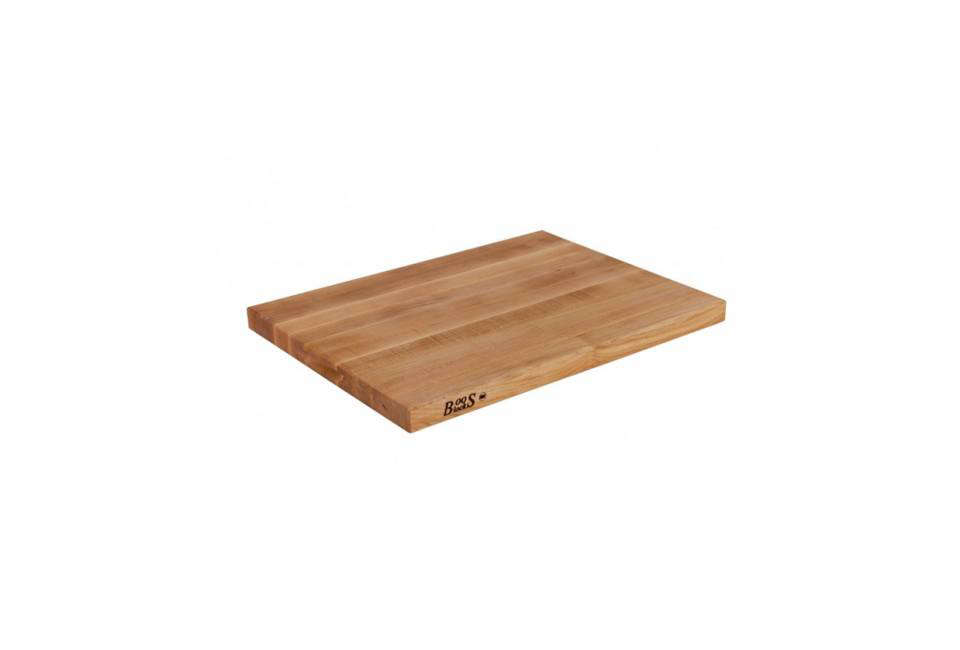
If your kitchen counter had a red carpet, the John Boos 20-by-15-Inch Reversible Maple Cutting Board would arrive wearing sunglasses. This is not the flimsy little board that slides around while you chase a tomato across the counter like it owes you money. It is a serious, handsome, made-for-real-cooking maple board with enough weight, surface area, and old-school charm to make everyday prep feel a little more professional.
John Boos has long been associated with butcher blocks, professional kitchens, and durable wooden work surfaces. The 20-by-15-inch size is especially appealing because it lands in the sweet spot: large enough for meal prep, compact enough for most home counters, and attractive enough to stay out instead of hiding in a cabinet like a kitchen appliance from 1998.
This review-style guide looks at what makes the board special, who it is best for, how to care for it, and whether it deserves a permanent spot in your kitchen. Spoiler: it probably does, unless your idea of cooking is opening a cereal box with great confidence.
What Is the John Boos 20-by-15-Inch Reversible Maple Cutting Board?
The John Boos 20-by-15-inch maple cutting board is a rectangular wooden cutting board made from hard maple, one of the classic materials used for premium kitchen work surfaces. Depending on the specific John Boos series, shoppers may see a 20-by-15-inch board in a 1.5-inch R-Board style or a slightly thinner Chop-N-Slice version. Both are designed for regular kitchen prep, both are reversible, and both lean heavily into the brand’s reputation for sturdy American-made craftsmanship.
The R-Board version is typically listed at 20 x 15 x 1.5 inches, with edge-grain construction, recessed finger grips, and a substantial weight that helps it stay planted on the counter. The Chop-N-Slice model uses the same practical footprint with a slightly slimmer profile. In plain English: one feels like a countertop workhorse; the other feels like a friendlier everyday board that still means business.
Why Maple Matters
Maple is popular for cutting boards because it balances hardness, durability, and appearance. It is dense enough to handle regular chopping and slicing, yet it is not as harsh on kitchen blades as glass, stone, or ceramic surfaces. It also has a clean, pale look that fits almost any kitchen style, from modern white cabinets to cozy farmhouse counters where someone definitely owns a cast-iron skillet.
Northern hard rock maple, often associated with John Boos boards, is especially valued for its strength and tight grain. A tighter grain helps create a smoother working surface and gives the board that “solid block of kitchen confidence” feeling. Unlike many plastic boards, a well-maintained maple board can age beautifully. It develops character instead of looking like it lost a fight with a lawn mower.
Design and Build Quality
Reversible Surface
One of the biggest advantages of this board is its reversible design. You can use one side for general prep and flip to the other side when needed. That effectively gives you two usable surfaces, which is helpful during big cooking sessions when vegetables, bread, cheese, cooked foods, and other ingredients are all trying to join the party at once.
A reversible board also helps extend the life of the surface. By rotating and flipping it regularly, wear is spread more evenly. That means fewer deep grooves in one favorite corner, fewer uneven spots, and fewer moments where you stare at your board and wonder if it has seen too much.
Edge-Grain Construction
Many versions of the 20-by-15-inch John Boos maple board use edge-grain construction. Edge-grain boards are made by arranging strips of wood so the long edge of the grain forms the cutting surface. This style is durable, attractive, and usually more affordable than end-grain butcher blocks.
End-grain boards are often praised for being extra gentle on blades, but they can be heavier, thicker, and more expensive. Edge-grain maple is the practical middle ground: strong, handsome, and ready for real use without demanding the entire kitchen budget.
Recessed Finger Grips
The 1.5-inch R-Board version often includes recessed side grips. These are not flashy, but they matter. A 20-by-15-inch maple board can be heavy, especially when it is damp or covered with chopped ingredients. Finger grips make it easier to lift, flip, move, and clean without performing an awkward kitchen wrestling match.
Size: Why 20 by 15 Inches Works So Well
A cutting board that is too small turns cooking into a traffic jam. Chopped onions roll into herbs, herbs cling to carrots, and suddenly your counter looks like a vegetable parade with no adult supervision. The 20-by-15-inch cutting surface gives you room to work without taking over the entire kitchen.
This size is ideal for:
- Preparing vegetables for soups, stir-fries, salads, and sheet-pan dinners
- Slicing bread, sandwiches, fruit, or cooked meats
- Using as a serving board for cheese, crackers, fruit, and appetizers
- Keeping a stable prep station on the counter during daily cooking
- Flipping between two sides during longer meal-prep sessions
For many home cooks, 20 by 15 inches is more useful than a tiny board but less intimidating than a massive butcher block. It is big enough to feel premium and practical, yet still manageable in a normal sink with a little care.
Performance in Everyday Cooking
The best thing about a John Boos maple board is not just how it looks. It is how it feels during daily use. The board has a stable, grounded quality that makes prep smoother. Because it has enough weight, it is less likely to slide around than a thin plastic board. That stability matters when you are working through a pile of vegetables or assembling dinner while everyone in the house asks, “Is it ready yet?” every four minutes.
The maple surface also offers a pleasant tactile feel. It is firm, smooth, and satisfying. You get that classic wooden-board experience: warm, natural, and far more inviting than a cold slab of glass. It also looks good enough to serve directly from, which is useful if your hosting style is “I made snacks and I want applause.”
Best Uses for the John Boos Reversible Maple Board
Daily Meal Prep
This board shines as an everyday prep station. It gives you room to line up ingredients, keep chopped items organized, and work without constantly transferring food into bowls. For weeknight cooking, that space can make the difference between calm efficiency and countertop chaos.
Serving and Presentation
Because maple has a clean, neutral appearance, this board can double as a serving piece. Cheese, fruit, bread, crackers, roasted vegetables, and sandwiches all look better on wood. It is the kitchen equivalent of putting on a nice jacket before going out.
Baking Prep
The flat, wide surface is useful for shaping dough, portioning rolls, or organizing baking ingredients. Just keep in mind that wooden boards can absorb moisture and odors if neglected, so cleaning and drying after use are important.
Food Safety and Smart Use
Wooden cutting boards are safe for home kitchens when cleaned and maintained properly. The smartest approach is to use separate boards for different tasks. Many food-safety guidelines recommend one board for fresh produce and ready-to-eat foods, and another board for raw meat, poultry, or seafood. That simple habit reduces cross-contamination and keeps your kitchen routine much cleaner.
For a premium maple board like this, many people prefer to reserve it for vegetables, bread, cheese, fruit, herbs, and cooked foods, while using a separate nonporous board for raw proteins. This is not because maple is fragile; it is because good kitchen systems make life easier. Also, nobody wants their beautiful board to smell like yesterday’s seafood experiment.
How to Clean the John Boos Maple Cutting Board
Cleaning a wooden board is simple, but it does require a little respect. Do not put it in the dishwasher. Do not soak it in the sink. Do not abandon it under a pile of wet dishes like a forgotten canoe.
After use, wash the board by hand with warm water and mild dish soap. Rinse it, wipe off excess moisture, and let it dry upright or on its side so air can circulate. Drying matters because trapped moisture can lead to warping, cracking, or unpleasant odors.
For deeper cleaning, follow food-safe sanitizing practices when appropriate, especially after contact with higher-risk foods. However, frequent harsh cleaning can dry out wood, so the better strategy is prevention: use separate boards, wash promptly, and maintain the maple surface with oil and board cream.
Maintenance: The Secret to a Long Life
A John Boos maple board is not a “buy it and ignore it forever” product. It is more like a cast-iron skillet or a houseplant that actually contributes to dinner. Treat it well, and it rewards you. Neglect it, and it may crack, dry out, or look tired before its time.
Oil the Board Regularly
Food-grade mineral oil helps condition the wood and prevent it from drying. When the board looks pale, feels rough, or absorbs water quickly, it is probably asking for oil. Apply an even coat, let it soak in, and wipe off the excess. Think of it as moisturizer for maple, minus the cucumber slices and spa music.
Use Board Cream for Extra Protection
Board cream usually combines mineral oil with wax, creating a protective layer on the surface. This helps seal the wood and improve resistance to moisture. Many John Boos care recommendations pair oil with board cream for best results.
Avoid Common Mistakes
Never use vegetable oil, olive oil, or other cooking oils to condition the board because they can turn rancid. Avoid dishwashers, soaking, direct long-term sunlight, and storing the board flat while wet. These habits can shorten the board’s life quickly.
Pros and Cons
Pros
- Generous 20-by-15-inch work surface
- Durable hard maple construction
- Reversible design for extended usability
- Stable weight for confident prep
- Attractive enough for serving
- Made by a respected American brand
- Good balance of premium quality and everyday practicality
Cons
- Requires regular oiling and care
- Too heavy for some users to move frequently
- Not dishwasher-safe
- May lack a juice groove depending on the exact model
- Costs more than basic plastic boards
Who Should Buy This Cutting Board?
The John Boos 20-by-15-Inch Reversible Maple Cutting Board is best for people who cook regularly and want a board that feels stable, looks beautiful, and lasts with proper maintenance. It is a strong choice for home cooks who prep lots of vegetables, bake bread, host casual gatherings, or simply enjoy kitchen tools that feel substantial.
It is also a smart gift for newlyweds, new homeowners, food lovers, or anyone upgrading from a thin board that bends like a credit card. A good wooden board can make cooking feel more intentional. It says, “Yes, I chop onions here, but I do it with dignity.”
Who Might Want to Skip It?
This board may not be ideal for someone who wants a zero-maintenance kitchen tool. If you need something dishwasher-safe, ultra-lightweight, or cheap enough to replace every few months, a plastic or composite board may be more practical.
It may also be overkill for very small kitchens with limited counter space. While 20 by 15 inches is a practical size, it still needs room for washing, drying, and storage. If your kitchen has exactly twelve inches of usable counter and one of them is occupied by a coffee mug, measure first.
Comparison: Maple vs. Plastic vs. Bamboo
Plastic boards are lightweight, affordable, and often dishwasher-safe, but they can develop grooves and scratches over time. Bamboo boards are harder and often eco-friendly, but that hardness can feel less forgiving. Maple sits in the premium middle: durable, beautiful, traditional, and pleasant to use.
The trade-off is maintenance. Maple needs hand washing, drying, and conditioning. But for many cooks, that small routine is worth it. A cared-for maple board feels better, looks better, and can become a long-term part of the kitchen rather than another disposable item.
Is the John Boos 20-by-15-Inch Maple Board Worth It?
Yes, for the right user. This board is worth it if you value stability, appearance, long-term durability, and the classic feel of maple. It is not the cheapest option, but it offers a premium experience that basic boards usually cannot match.
Think of it less as a simple cutting surface and more as a kitchen workstation. It can handle daily prep, look good on the counter, serve appetizers, and bring a little professional-kitchen energy into home cooking. That is a lot of personality for a rectangle of wood.
500-Word Experience Section: Living With the John Boos 20-by-15-Inch Reversible Maple Cutting Board
The first thing you notice when using the John Boos 20-by-15-inch reversible maple cutting board is the weight. It does not feel flimsy, temporary, or nervous. It sits on the counter like it pays rent. That stability changes the cooking experience immediately. Instead of adjusting the board every few minutes, you can focus on preparing ingredients, organizing your workspace, and pretending you are the calmest person ever to make dinner on a Tuesday night.
The 20-by-15-inch size feels especially useful during real cooking, not just pretty product photography cooking where three basil leaves count as a meal. You can chop onions on one side, keep carrots in a neat pile, and still have room for celery, garlic, or herbs. When making soup, stew, fried rice, pasta sauce, or roasted vegetables, the extra space prevents the dreaded “ingredient avalanche.” That alone makes the board feel like an upgrade.
The reversible design becomes more valuable the more you cook. During a weekend breakfast, one side can handle bread or fruit, while the other side is ready later for vegetables. During party prep, you can flip the board between tasks instead of stopping everything to scrub and reset. It is not magic, but it feels close when guests are arriving in twenty minutes and the kitchen looks like a cheerful disaster zone.
Another pleasant surprise is how good the board looks when left on the counter. Some kitchen tools are useful but ugly enough to be hidden immediately. This board is different. The maple grain is warm and clean, and the rectangular shape gives it a simple, professional appearance. It can hold a sandwich at lunch, sliced fruit in the afternoon, and a cheese spread in the evening without looking out of place. Basically, it has range.
Care does become part of the experience. After washing, the board needs to be dried properly. Every so often, it needs mineral oil and board cream. At first, that may sound like extra work, but it quickly becomes a small kitchen ritual. Wipe it down, let the oil soak in, buff off the extra, and suddenly the maple looks richer and healthier. It is strangely satisfying, like cleaning your desk and becoming convinced your entire life is now organized.
The main adjustment is accepting that this is not a dishwasher board. You cannot toss it into a machine and hope for the best. But that limitation is also what keeps the board feeling special. It asks for care, and in return, it gives you a better prep surface, a more attractive counter presence, and the quiet joy of using a tool built to last.
Over time, small marks will appear. That is normal. A wooden cutting board is meant to be used, not admired from across the room like museum furniture. Those little signs of use become part of its character. With regular oiling, careful washing, and smart food-safety habits, the John Boos maple board can become the kind of kitchen item you reach for automatically. It is not just where the cooking starts; it becomes part of the rhythm of cooking itself.
Conclusion
The John Boos 20-by-15-Inch Reversible Maple Cutting Board is a premium kitchen board with real everyday value. It offers a spacious work surface, durable maple construction, a reversible design, and the kind of counter presence that makes cooking feel more organized and enjoyable. It does require care, but that care is simple: wash by hand, dry thoroughly, oil regularly, and avoid the dishwasher like it is a villain in a kitchen soap opera.
For home cooks who want a dependable wooden cutting board that can prep, serve, and look good doing both, this John Boos maple board is easy to recommend. It is practical, handsome, and built for people who cook often enough to appreciate the difference between “just a board” and “the board I always reach for first.”












