
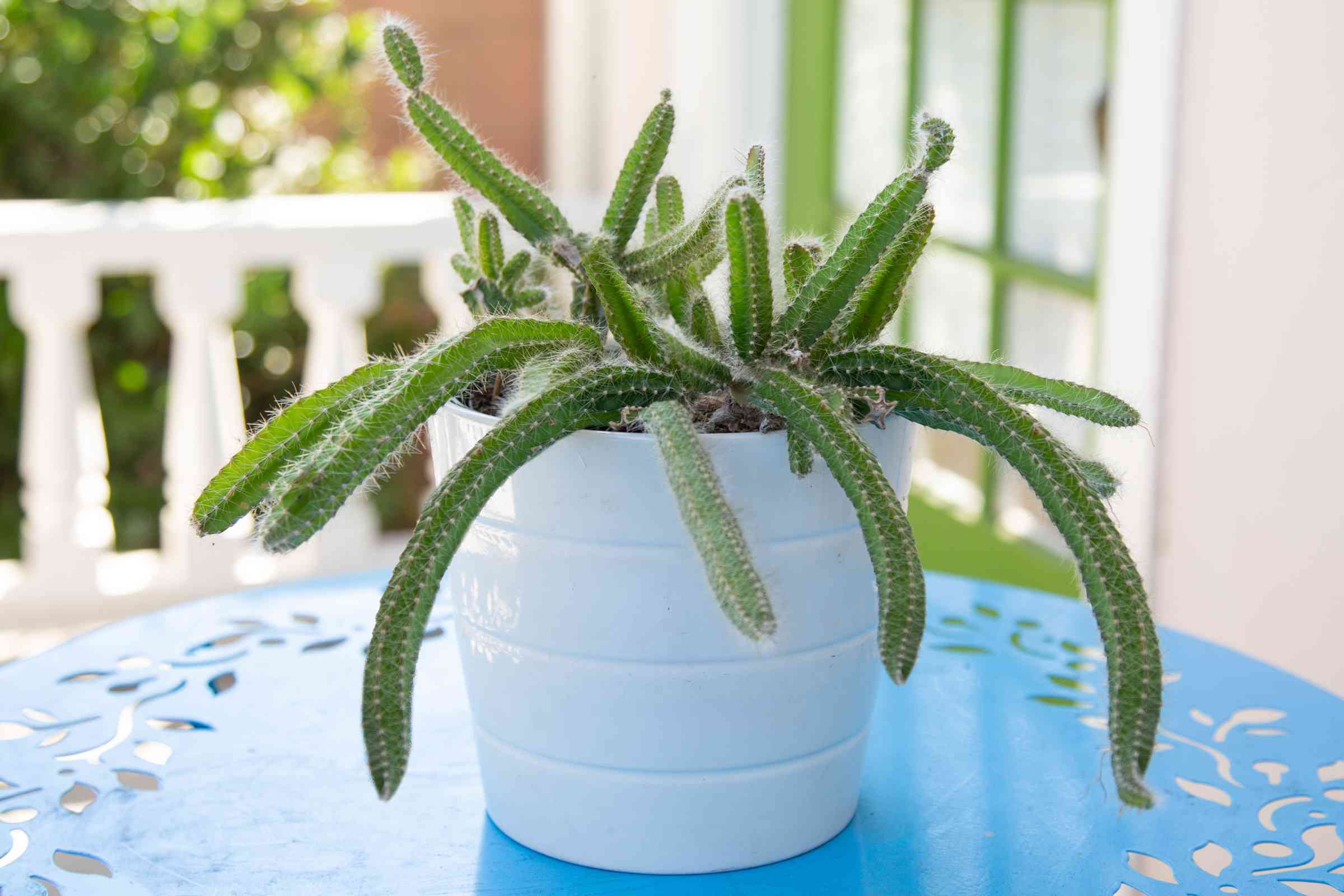
If your idea of a cactus is a stern little green bowling pin that survives on neglect and judgment, the dog tail cactus is here to lovingly ruin that stereotype. This unusual trailing plant looks like a cactus crossed with a jungle vine and then given a punk haircut. Its long, skinny, tail-like stems spill over pots, dangle from hanging baskets, and occasionally make visitors ask, “Is that plant supposed to do that?” Yes. Yes, it is.
The dog tail cactus is a fantastic choice for plant lovers who want something dramatic without signing up for a full-time horticultural internship. It is easier than it looks, but it does have one big secret: it should not be treated exactly like a typical desert cactus. Give it the right light, an airy potting mix, and smarter watering habits, and it can reward you with strong growth and even spectacular night-blooming flowers on mature plants.
In this guide, you will learn exactly how to grow and care for the dog tail cactus, from lighting and watering to repotting, propagation, and solving the usual plant drama before it turns into a botanical soap opera.
What Is a Dog Tail Cactus?
The dog tail cactus is a trailing or climbing cactus known for its long, cylindrical stems covered in small clusters of spines. It is often sold under several botanical names, including Selenicereus testudo, Deamia testudo, and sometimes Strophocactus testudo. In plain English, that means plant labels may be confusing, but the care is mostly the same.
Unlike many classic cacti from extremely dry habitats, this plant behaves more like a forest cactus or epiphytic cactus. In nature, plants in this group often grow on trees or scramble through humid environments with bright light, airflow, and fast drainage. That explains why the dog tail cactus usually appreciates a bit more moisture and humidity than a prickly desert cousin sitting under a scorching sun.
Why It Stands Out
The biggest appeal is the growth habit. Dog tail cactus stems can trail downward in a hanging basket, climb upward with support, or wander dramatically off a shelf like they are making a break for freedom. Mature plants may also produce large, fragrant, night-opening flowers that look far more glamorous than the name “dog tail cactus” suggests.
Best Light for Dog Tail Cactus
Light is where many growers either create a masterpiece or accidentally raise a sad green shoelace. Dog tail cactus loves bright light, and it generally performs best where it gets lots of intensity without being roasted by sudden harsh afternoon sun.
Indoor Light
Place it near a bright south-, west-, or east-facing window. A few hours of gentle direct sun, especially morning sun, can be great. In lower light, stems may become thinner, paler, and weaker. If your plant starts stretching like it is desperately trying to peek outside, that is your cue to move it closer to a brighter spot.
Outdoor Light
If you move the plant outdoors in warm weather, acclimate it gradually. Start in bright shade or filtered light, then slowly increase sun exposure over a couple of weeks. Sudden full sun can scorch the stems, leaving bleached or yellow patches that do not magically disappear just because you apologize.
A good rule is this: bright, strong light is excellent; violent surprise sun is not.
Temperature and Humidity Needs
Dog tail cactus likes warmth. Normal indoor temperatures usually work well, especially during the active growing season. It is not a frost-loving patio hero, so do not leave it outside when temperatures dip into the danger zone. Cool drafts, cold windows, and winter chill can stress the plant even if it survives.
This is also one cactus that does not mind a bit of humidity. It does not need to live in a sauna, but it usually appreciates more moisture in the air than arid cacti do. A bathroom with bright light, a sunroom, or a room with decent airflow and moderate humidity can suit it very well.
If your home is extremely dry, especially in winter, avoid placing the plant right next to blasting heat vents. Warmth is good. Hot, dry air that feels like a hair dryer aimed at the plant is less charming.
The Best Soil and Pot for Dog Tail Cactus
This plant wants one thing from its potting setup above all else: fast drainage. If the roots stay wet for too long, rot becomes a real threat. That means a heavy, soggy, water-retentive houseplant mix is a bad match.
Ideal Soil Mix
A good dog tail cactus potting mix should be airy, chunky, and quick to drain. You can use a cactus mix and improve it with ingredients such as orchid bark, pumice, perlite, or coarse sand. A practical homemade blend is:
- 1 part cactus or succulent mix
- 1 part orchid bark
- 1 part pumice or perlite
This kind of mix gives the roots oxygen, prevents waterlogging, and better reflects the conditions many forest cacti enjoy.
Best Pot Choice
Always use a pot with drainage holes. No exceptions. A decorative pot without drainage may look fabulous for a week and then become a tiny ceramic swamp. Terracotta can be especially helpful because it dries faster than glazed ceramic or plastic. Hanging baskets also work beautifully once the plant has enough length to spill over the edges.
How to Water a Dog Tail Cactus
If there is one section to bookmark, frame, and read twice, this is it. Watering is the difference between a thriving dog tail cactus and a soft, collapsing cautionary tale.
Dog tail cactus generally needs more water than a desert cactus, especially during spring and summer when it is actively growing. But that does not mean it wants to stay wet. Water deeply, let the excess drain completely, and then wait until the potting mix is mostly dry before watering again.
How Often Should You Water?
There is no magical every-seven-days schedule because light, temperature, pot size, and soil type all matter. In warm bright conditions, you may water every 7 to 14 days. In cooler months, that may stretch to every 2 to 4 weeks or longer.
Instead of guessing by the calendar, check the potting mix with your finger or a wooden skewer. If it still feels damp deep down, wait. If it is dry and the pot feels much lighter, water thoroughly.
Signs You Are Overwatering
- Mushy or blackening stem bases
- Yellowing stems with a limp texture
- A potting mix that stays wet for too long
- A general “something is very wrong and I regret everything” look
Signs You Are Underwatering
- Shriveled or wrinkled stems
- Very slow growth during the active season
- Dry, brittle-looking segments
Underwatering is usually easier to fix than rot. If you catch dehydration early, a good soak often perks the plant back up. If the roots have rotted, the rescue mission becomes much more dramatic.
Fertilizer, Pruning, and Repotting
Fertilizer
Feed lightly during spring and summer when the plant is growing. A diluted cactus fertilizer or balanced houseplant fertilizer at half strength once a month is usually enough. You are trying to support growth, not turn the plant into a leafy overachiever with weak stems.
Stop or greatly reduce feeding in fall and winter when growth slows down.
Pruning
Dog tail cactus does not need much pruning. Trim away dead, damaged, or rotting stems with a clean tool. You can also prune for shape if it starts looking more chaotic than artistic. Bonus: healthy trimmed stems can often be used for propagation, so your pruning session might accidentally turn into free plants.
Repotting
Repot when the mix has broken down, drainage has worsened, or the plant is badly root-bound. Spring is the easiest time. Move up just one pot size, not three. An oversized pot holds extra moisture, and that can cause problems faster than you can say “but the planter was on sale.”
How to Propagate Dog Tail Cactus
Propagation is one of the best things about this plant. Dog tail cactus is commonly propagated by stem cuttings, and it is much easier than starting from seed.
Step-by-Step Propagation
- Choose a healthy stem and cut a section several inches long.
- Let the cut end dry and callus for a few days in a dry, shaded place.
- Place the cutting in a slightly moist, airy potting mix.
- Keep it in bright, indirect light while roots form.
- Water sparingly at first, then increase slightly once rooting begins.
Do not treat a fresh cutting like a thirsty full-grown plant. Too much water before roots form is a classic way to lose it. Patience matters here, even if your inner plant parent wants instant results.
Common Problems and How to Fix Them
Root Rot
This is the biggest enemy. Rot usually comes from soggy soil, poor drainage, or watering too often. If the base turns soft or black, unpot the plant, inspect the roots, remove rotten parts, and repot in fresh dry mix. If the roots are too far gone, take healthy stem cuttings and start over.
Weak, Pale Growth
This usually means the plant needs more light. Move it closer to a brighter window or supplement with a grow light. Better light often leads to stronger spines, sturdier stems, and better flowering potential.
No Flowers
A dog tail cactus that refuses to bloom is not necessarily unhappy. It may just be immature. Flowering is more likely on established plants that receive strong light, warm-season growth, and a somewhat drier, cooler rest period when growth slows.
Pests
Mealybugs and scale are the two troublemakers to watch for most often. Inspect stems regularly, especially around tight crevices and near the base. If you spot white cottony clumps or small hard bumps, isolate the plant and treat early. A cotton swab dipped in rubbing alcohol can help with light infestations, and keeping the plant in proper light and watering conditions goes a long way toward preventing bigger problems.
Styling Ideas and Display Tips
This plant was born to be displayed, not hidden behind a curtain like a shy fern. The most popular way to grow dog tail cactus is in a hanging basket where the stems can cascade naturally. It also looks fantastic on a high shelf, in a bright sunroom, or trained onto a small trellis or support.
If you want a cleaner look, top-dress the soil with gravel or small stones to keep the base dry and tidy. Just do not overdo it with decorative layers that slow evaporation too much. The goal is stylish, not swamp chic.
Real-Life Growing Experience With the Dog Tail Cactus
Growing a dog tail cactus teaches you a very useful houseplant lesson: labels can lie, but plant behavior tells the truth. The first time many people bring one home, they treat it like a standard cactus. It gets parked in the hottest window, watered once in a geological age, and expected to be grateful. Sometimes it survives that treatment, but it rarely looks great. The stems may stay thin, the growth may stall, and the whole plant can seem like it is just existing out of spite.
The better experience usually begins when you notice it responds differently from a desert cactus. Give it a bright space with a little protection from extreme sun, and suddenly the stems grow fuller and more energetic. Use a chunky mix instead of dense soil, and watering becomes easier because the roots actually get airflow. Water when the mix is dry instead of waiting until the plant looks like a forgotten shoelace, and it starts behaving like a plant that actually wants to live with you.
One of the most satisfying things about this cactus is how dramatic the growth habit becomes over time. A small starter plant can look modest for a while, then all at once it decides to spill over the edge of the pot in every direction. That is usually the moment people realize it is not a “tiny windowsill cactus” at all. It becomes a design plant. In a hanging basket near a bright window, the tails can create a fountain effect that looks sculptural and slightly wild in the best possible way.
Another common real-world lesson is that overwatering does not always come from watering too often. Sometimes the real issue is the wrong soil. A grower may water only every couple of weeks and still end up with rot because the mix holds moisture like a sponge. Switching to a barky, gritty, airy blend often changes everything. The plant starts drying at a healthy pace, roots become happier, and care becomes less stressful.
Propagation is also one of those experiences that makes people irrationally proud. You trim a healthy stem, let it callus, stick it in a pot, and weeks later you have another plant. It feels suspiciously easy. This is great if you want to fill out the original pot, make a second hanging basket, or share cuttings with a fellow plant lover who has good taste and maybe owes you a favor.
Flowering, when it happens, is the grand reward. Not every plant blooms quickly, and some need to mature before they are ready. But growers who keep their dog tail cactus in strong light and steady conditions often say the anticipation becomes part of the fun. You start noticing every bump and bud like a detective on a stakeout. Then one evening, if the plant is old enough and in the mood, it can produce a flower that looks wildly too elegant for something named after a dog’s tail.
Perhaps the most practical experience-based takeaway is this: dog tail cactus is forgiving when you understand its personality. It likes bright light, airy roots, sensible watering, and a little breathing room. It does not want constant fussing, but it also does not want to be ignored into oblivion. Once you find that middle ground, it becomes one of those plants that makes your space look more interesting without demanding daily drama. That is a pretty good deal for a cactus with this much flair.
Final Thoughts
The dog tail cactus is one of the most entertaining houseplants you can grow. It has the toughness of a cactus, the swagger of a trailing tropical plant, and the kind of shape that makes a room look instantly more collected. The trick is to stop thinking of it as a desert ornament and start treating it like the airy, bright-light-loving forest cactus it really is.
Give it a fast-draining mix, water only after the soil dries, keep it warm and bright, and it will reward you with healthier stems, stronger growth, and maybe even those unforgettable night blooms. In other words, it is low-maintenance, not no-maintenance. And that distinction is exactly where success lives.












