
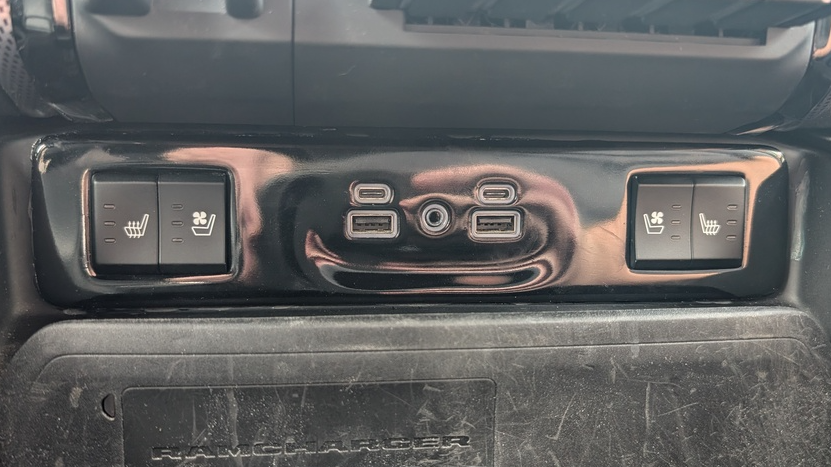
There are two kinds of winter drivers. The first kind turns the key, rubs their hands together, and pretends the cabin will warm up any second now. The second kind presses a heated-seat button, smiles like a genius, and starts driving before their coffee has decided whether it is hot or merely ambitious. If your vehicle missed out on factory heated seats, you do not have to spend every cold commute wrapped in regret and a puffy jacket.
A heated seat retrofit can be one of the most satisfying comfort upgrades you can make, but only if it is done right. And “done right” means more than stuffing a heating pad under the upholstery and calling it a day. It means safe wiring, smart switch placement, respect for airbags and occupancy sensors, and controls that feel natural when you are actually driving. In other words, this is not just about adding heat. It is about adding heat with physical controls that feel intuitive, look intentional, and do not force you into a wrestling match with a touchscreen when your fingers already feel like frozen French fries.
Why Physical Controls Matter More Than People Admit
Heated seats are a simple feature with an outsized effect on daily comfort. They warm your body directly instead of waiting for the entire cabin to catch up, which is exactly why drivers love them on short winter trips. That matters in gas vehicles, hybrids, and especially EVs, where targeted seat heat can be a more efficient way to stay comfortable than blasting warm air through the whole cabin.
But here is the part many retrofit conversations skip: the control method matters almost as much as the heat itself. A heated seat is most useful when you can turn it on instantly, turn it down without thinking, and shut it off the moment you start feeling like a baked potato in denim. Physical controls shine because you can reach for them by feel. A small rocker switch, dial, or dedicated seat-heat button gives your hand a clear target and your brain one less thing to translate.
That is why a retrofit built around real buttons or switches often feels better than a “smart” setup buried inside a screen menu. You are not trying to impress the dashboard. You are trying to stay warm without taking your eyes off traffic. Good ergonomics are not nostalgic. They are practical.
How Heated Seat Retrofits Actually Work
Most aftermarket heated seat systems use thin heating elements installed beneath the original upholstery. One element usually goes in the seat bottom and another in the seat back. The system is wired to a 12-volt source, grounded properly, and controlled through a switch module or dedicated button. Better kits include temperature control logic so the heat cycles instead of climbing endlessly toward “campfire mistake.”
That basic formula sounds simple, and in principle it is. The complication comes from modern seat design. Seats are no longer just foam wrapped around a frame. They often contain airbag hardware, occupancy sensors, wiring for power adjustments, lumbar systems, and seatbelt-related electronics. That is why heated seat retrofits live in the narrow space between “nice weekend project” and “please let a professional handle this.”
The best retrofit does three things at once. First, it delivers even heat without creating hot spots. Second, it preserves all original safety systems. Third, it puts the controls somewhere you can reach instantly without fumbling. Miss any one of those and the result feels cheap, annoying, or risky.
Choosing the Right Retrofit Strategy
Option 1: OEM-Inspired Integration
This is the gold-standard route. Instead of using a generic surface-mounted switch in a random blank panel, the installer builds the retrofit to look as if the vehicle left the factory that way. The heating elements stay hidden under the upholstery, and the controls are placed in a location that matches the interior design language of the car. That may be the lower seat trim, a center-console panel, or a dedicated switch area near the climate controls.
An OEM-inspired setup usually costs more, but it tends to age better. It looks cleaner, feels more natural, and is less likely to annoy you six months later. This is especially important in daily drivers, family vehicles, and newer cars where a dangling add-on switch would look like an afterthought.
Option 2: Universal Aftermarket Kit
This route is more flexible and often more affordable. Universal kits can work in a wide range of vehicles, and many are designed for either cloth or leather upholstery. Done well, they are excellent. Done badly, they become the kind of upgrade that future buyers describe as “interesting” in the same tone normally reserved for raccoons in attics.
Universal kits make the most sense when you have an older vehicle, a work truck, a weekend car, or a reasonable budget. They also make sense when you care more about function than a perfectly factory-style appearance. The key is choosing a kit with reliable temperature control, clean wiring, and switches that can be mounted in a sensible spot.
Where the Physical Controls Should Go
If the whole point of this retrofit is easy control, switch placement deserves serious thought. The most common locations are the lower side trim of the seat, the center console, or a dash panel within easy reach of the driver. Each has trade-offs.
Seat-side placement feels natural because the control lives with the seat it operates. It also keeps the wiring path short. The downside is that it can be harder to see, and some vehicles have limited room in the side trim.
Center-console placement often gives the cleanest OEM-style result. It is usually easier to reach, easier to label, and friendlier for dual-seat setups. If two front seats are being upgraded, console-mounted controls can create a symmetrical, intentional look.
Dash placement can work well when there is an unused switch blank or a dedicated accessory panel. The caution here is clutter. If the switch location forces your hand into an awkward reach, the result is technically functional and ergonomically goofy.
The best location is the one that lets you operate the control with minimal movement and near-zero thought. Heated seat controls are not decorative. They are a high-frequency comfort feature, especially in winter. Put them where real humans actually reach, not where an empty piece of plastic happens to be available.
Safety Comes First, and Seat Safety Is Complicated
Airbags and Seat Electronics
This is the big one. Many front seats contain side airbags or related wiring, and some seats also include occupancy detection hardware. A sloppy retrofit can interfere with those systems or trigger warning lights. At that point, you are no longer talking about comfort. You are talking about compromising equipment that matters in a crash.
That is why the battery should be disconnected before seat removal or electrical work begins, and why modern vehicles often deserve a cautious, professional approach. You do not want to guess your way through yellow airbag connectors or pretend every wire under the seat is merely decorative. It is not.
Pad Placement Matters
Heating elements should sit where they can warm evenly without bunching, folding, or crossing sensitive components. Good installers pay attention to the seat foam, the upholstery attachment points, and any sensor locations. The goal is a flat, stable installation that stays put over time.
If a kit tells you not to place pads over occupancy sensors, take that instruction seriously. This is one of those moments when “close enough” becomes “why is my airbag light on?”
Wiring, Fuses, and Grounds
Even modest electrical accessories need clean power and proper protection. That means an appropriate fused power source, solid ground points, protected wire routing, and enough slack to accommodate seat movement. If the wires can chafe, pinch, or tangle in a seat track, they eventually will. Cars are patient that way.
A quality retrofit also avoids lazy shortcuts. No mystery power taps. No half-crimped connectors stuffed behind trim. No “it should be fine” wiring logic. Heated seats are one of those upgrades where neat electrical work is not just pretty. It is the difference between long-term reliability and future profanity.
DIY or Professional Installation?
You can absolutely install heated seat kits yourself in some vehicles, particularly older or simpler models. If you are comfortable removing seats, peeling back upholstery, routing wires, reading instructions carefully, and working around vehicle electrical systems, a DIY retrofit may be realistic.
But there is a clear line where pride should lose to wisdom. If the seats contain side airbags, complex occupancy sensors, power memory functions, or unusually tight trim packaging, professional installation is often the smarter call. The same goes for premium interiors where one bad move can damage leather, crease foam, break trim clips, or leave the seat looking like it survived an argument with a staple gun.
Paying a professional is not surrender. It is sometimes the most cost-effective way to avoid fixing your own mistakes twice.
Common Retrofit Mistakes That Ruin the Experience
Using Bad Switch Placement
If you have to lean, look down, or hunt for the control every time, the retrofit was not planned well enough. Heated seats should be easy to activate in one motion.
Choosing Looks Over Logic
A hidden switch may sound clever until you need to operate it with gloves on. Practical beats clever in a winter commute every single time.
Ignoring the Upholstery Condition
Heater pads belong under upholstery that is in good shape. Torn, weak, or badly stretched material does not suddenly become more refined because it is warm.
Skipping Proper Testing
Before full reassembly, the system should be tested for function, even heating, switch response, and wire clearance through the seat’s full range of movement. Rebuilding the entire seat just to discover a disconnected harness is a special kind of avoidable sadness.
What a Great Heated Seat Retrofit Feels Like
The best heated seat retrofit disappears into the vehicle. That is the whole magic trick. You stop thinking about the installation because it feels built-in. The button is where your hand expects it to be. The seat warms quickly and evenly. Nothing rattles. No warning lights appear. No trim looks forced. You simply tap a physical control on a cold morning and get on with your life.
That is why physical controls matter so much in this conversation. They complete the retrofit emotionally, not just electrically. A vehicle can have working heat in the seat, but if activating it feels clumsy or distracting, the upgrade never quite becomes part of the car. It remains an accessory. A proper control layout turns it into a feature.
Real-World Experiences With Heated Seat Retrofits
Talk to enough drivers who have added heated seats, and a pattern shows up fast. The people who love their retrofit are rarely the ones who chased the cheapest kit and installed the switch wherever it fit. They are the ones who obsessed over the details just a little. They chose a good control location. They made sure the upholstery went back on smoothly. They respected the seat electronics. Then they got rewarded every cold morning after that.
One common experience comes from truck owners with older workhorses that do everything except pamper the driver. The cabin may be durable, honest, and about as luxurious as a toolbox, but once heated seats are added with real physical switches on the console or seat base, the whole truck feels upgraded. Suddenly the first ten minutes of a winter drive are not spent waiting for the HVAC system to stop acting like a distant relative who may or may not show up. The warmth is immediate, targeted, and weirdly morale-boosting.
Drivers of older commuter cars often describe the retrofit the same way: “I should have done this years ago.” That reaction makes sense. On a short commute, the cabin heater may barely hit its stride before the trip is over. A heated seat works faster, and when the control is a real button instead of a buried menu, it becomes a one-second routine. Get in, click, drive. That tiny ritual can change how a car feels every day.
Then there are the less successful stories, and they are useful too. Some people install the heating pads correctly but put the switches in a spot that looked tidy in the garage and feels ridiculous on the road. Others choose a location that gets bumped by a knee, blocked by a cupholder, or hidden by the seatbelt latch. The heat still works, but the experience turns annoying. It is a reminder that ergonomics are not decoration. The switch location is part of the upgrade, not an afterthought.
Owners of newer vehicles often report the biggest difference when the retrofit is done in an OEM-inspired way. If the switches blend into the console or lower trim and the seat surface still looks factory-tight, the entire cabin feels more expensive. That matters because heated seats are not just about temperature. They create a perception of refinement. A retrofit that looks intentional makes the whole interior feel more thoughtful.
Another real-world lesson is that dual-seat retrofits tend to feel more complete than a driver-only setup. Yes, the driver gets the most use out of it, but many owners say the second heated seat earns its keep quickly. Spouses, kids, friends, and anyone climbing into the passenger seat on a freezing morning suddenly become instant believers. Warmth travels fast, and so does jealousy.
What drivers remember most, though, is not the install day. It is the first icy morning afterward. The windshield is still cold, the steering wheel still feels like a punishment, and the outside air has the personality of a tax audit. Then the seat starts warming from the bottom up, and the car feels civilized. That is the emotional payoff of a retrofit done right. It is not flashy. It is not dramatic. It is just one small, brilliant piece of comfort that works exactly when you need it.
Final Thoughts
If you are retrofitting heated seats, do not stop at “working.” Aim for intuitive, safe, and factory-like. The heating elements matter, but the physical controls are what turn the upgrade into something you will actually love using. A dedicated button or switch in the right place makes the feature faster, easier, and more satisfying every single day.
So yes, add the heat. But add the right control, in the right location, with the right wiring discipline and respect for modern seat hardware. That is how you get a retrofit that feels less like an accessory and more like the way the car should have been built in the first place.











