
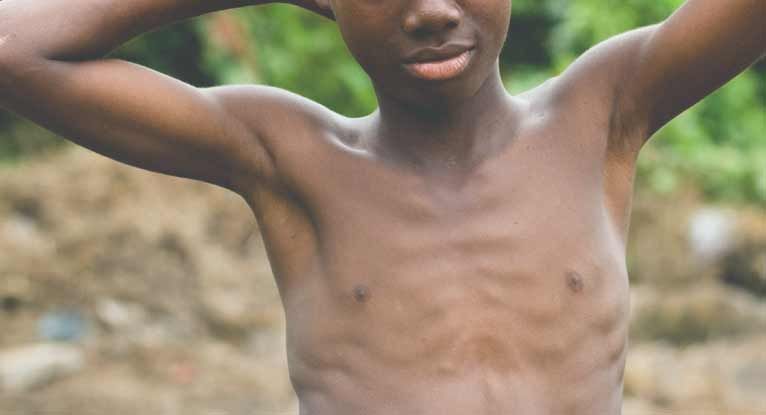
Marasmus is one of those medical terms that sounds like it belongs in a dusty textbook, but the condition itself is very real, very serious, and very much worth understanding. In plain English, marasmus is a severe form of malnutrition caused by a major shortage of calories, protein, fats, carbohydrates, vitamins, and minerals. The body does not get enough fuel to run its basic systems, so it begins using stored fat and muscle for energy. That is why people with marasmus often look extremely thin, weak, and visibly wasted.
Although marasmus can affect people of any age, it is most common and most dangerous in infants and young children. Children need constant nutrition to grow, fight infections, build brain connections, and develop muscle. When that nutrition is missing for too long, the body enters survival mode. Growth slows, energy disappears, immunity weakens, and even minor illnesses can become much more serious.
This guide explains marasmus symptoms, causes, diagnosis, treatment, recovery, prevention, and real-life care experiences in a clear, practical way. Think of it as a friendly map through a serious topicno medical jargon obstacle course required.
What Is Marasmus?
Marasmus is a type of protein-energy malnutrition. That means the body is not receiving enough overall energy from food, including calories from carbohydrates, fats, and protein. Unlike some other forms of malnutrition that may involve swelling from fluid buildup, marasmus usually causes severe wasting without edema. The most obvious sign is dramatic loss of body fat and muscle.
In children, marasmus is often classified under severe acute malnutrition, especially when weight-for-height is extremely low, the mid-upper arm circumference is dangerously small, or the child has obvious severe wasting. In adults, marasmus-like wasting may appear with famine, chronic illness, untreated digestive disorders, eating difficulties, severe poverty, neglect, or conditions that increase calorie needs while reducing intake.
The body is surprisingly good at adapting to short-term hunger. It can slow metabolism, reduce activity, and pull energy from stored fat. But marasmus happens when the shortage goes too far. Eventually, the body starts breaking down muscle and essential tissues. That is when malnutrition becomes a medical emergency, not just a “needs more snacks” situation.
Marasmus Symptoms
The symptoms of marasmus can develop gradually, which makes early recognition important. A child may first seem tired, less playful, or slow to gain weight. Over time, signs become more visible and more severe.
Common Physical Symptoms
The most recognizable symptom of marasmus is severe thinness. The ribs, shoulders, hips, and joints may become prominent because the body has lost fat and muscle. The face may look older than expected for the person’s age, sometimes described as a “wizened” appearance in infants and children.
Other symptoms may include very low body weight, loose or wrinkled skin, dry skin, brittle hair, hair loss, sunken eyes, low energy, weakness, slow growth, delayed development, and reduced ability to stay warm. Some children become unusually quiet or irritable. Others may lose interest in playing, feeding, or interacting.
Digestive and Immune Symptoms
Marasmus can affect the digestive system and immune system. A person may have chronic diarrhea, poor appetite, vomiting, dehydration, or frequent infections. Respiratory infections are especially concerning in children with severe malnutrition because the immune system is already under stress.
One tricky part is that severely malnourished children may not always show typical signs of infection. Fever may be absent even when an infection is present. That is one reason medical evaluation is so important. Marasmus can hide danger behind quiet symptoms.
Developmental Symptoms in Children
Children with marasmus may experience stunted growth, delayed motor skills, learning difficulties, and delayed emotional development. A baby may not sit, crawl, or walk on schedule. A young child may appear unusually tired, withdrawn, or unable to focus. The longer severe malnutrition continues, the greater the risk of lasting developmental problems.
What Causes Marasmus?
Marasmus happens when the body does not receive enough energy and nutrients over time. The cause is usually not one simple thing. It is often a combination of food shortage, illness, poor feeding conditions, and social factors.
Inadequate Food Intake
The most direct cause is not getting enough food. This can happen because of poverty, food insecurity, famine, displacement, neglect, unsafe feeding practices, or lack of access to age-appropriate nutrition. Infants who are not breastfed or who receive overly diluted formula may be at higher risk, especially when safe water and clean feeding supplies are limited.
Illness and Poor Absorption
Some people may eat but still fail to absorb enough nutrients. Chronic diarrhea, intestinal infections, celiac disease, inflammatory bowel disease, untreated food allergies, parasites, HIV, tuberculosis, cancer, and other long-term illnesses can all contribute to severe wasting. Illness also raises the body’s energy needs, creating a double problem: the person needs more nutrition but may be eating less.
Social and Environmental Risk Factors
Marasmus is strongly linked to social conditions. Unsafe water, limited health care, poor sanitation, lack of caregiver support, conflict, natural disasters, and economic hardship can all increase risk. In some cases, caregivers may want to provide better nutrition but simply do not have the resources, education, or medical access needed.
Marasmus vs. Kwashiorkor
Marasmus and kwashiorkor are both severe forms of malnutrition, but they look different. Marasmus is mainly associated with overall calorie and protein deficiency, causing severe wasting. Kwashiorkor is often associated with severe protein deficiency and inflammation, and it commonly causes edema, especially swelling in the feet, legs, belly, or face.
In real life, the line is not always perfectly clean. Some children have features of both conditions, sometimes called marasmic kwashiorkor. This is why diagnosis should be made by trained health professionals using physical exams, growth measurements, and medical history.
How Doctors Diagnose Marasmus
Diagnosis usually begins with a careful physical exam. A clinician may check weight, height or length, mid-upper arm circumference, hydration status, temperature, pulse, blood pressure, mental alertness, and signs of infection. In children, growth charts are especially helpful because they show whether the child is far below expected growth patterns.
Doctors may also ask about feeding history, recent illness, diarrhea, vomiting, family food access, breastfeeding, formula preparation, medications, and social conditions. Lab tests may be used to check blood sugar, electrolytes, anemia, infection, kidney function, liver function, and vitamin or mineral deficiencies.
The goal is not simply to label the condition. The goal is to understand how severe it is, what complications are present, and what treatment setting is safest.
Marasmus Treatment
Marasmus treatment must be handled carefully. Severe malnutrition is not fixed by suddenly giving large meals. That can be dangerous because the body’s chemistry changes during starvation. Rapid feeding may trigger refeeding syndrome, a serious shift in fluids and electrolytes that can harm the heart, brain, and other organs.
Stabilization Comes First
For severe cases, treatment often begins with stabilization. Medical teams may manage dehydration, low blood sugar, low body temperature, infections, electrolyte imbalances, and vitamin or mineral deficiencies. Children with complications may need hospital care.
Hydration is especially delicate. A severely malnourished person may be dehydrated, but their body may not handle fluids normally. This is why oral rehydration, IV fluids, and electrolyte correction should be guided by medical professionals.
Gradual Nutritional Rehabilitation
Once the person is stable, nutrition is increased gradually. Treatment may include therapeutic milk formulas, ready-to-use therapeutic food, fortified foods, supplements, and carefully planned meals. The approach depends on age, severity, medical complications, and whether the person can safely eat by mouth.
Children with uncomplicated severe acute malnutrition may sometimes be treated in the community with ready-to-use therapeutic food and regular follow-up. Complicated cases, including severe infection, persistent vomiting, shock, severe dehydration, poor appetite, or altered consciousness, usually require urgent medical care.
Treating the Underlying Cause
Long-term recovery depends on solving the reason marasmus happened in the first place. If the cause is food insecurity, the family may need nutrition assistance and community support. If the cause is chronic diarrhea, infection, or poor absorption, that condition must be treated. If feeding difficulties are involved, a dietitian, pediatrician, speech-language pathologist, or feeding specialist may help.
Recovery and Outlook
Recovery from marasmus is possible, especially when treatment starts early. Many children regain weight, strength, appetite, and energy with proper care. However, recovery is not instant. It often requires weeks or months of nutritional rehabilitation, medical monitoring, and follow-up.
The outlook depends on severity, age, duration of malnutrition, infection status, and access to care. Infants and young children are especially vulnerable because their brains and bodies are developing quickly. Untreated marasmus can be life-threatening. Severe or prolonged cases may lead to lasting growth problems, developmental delays, weakened immunity, and learning difficulties.
The encouraging part is that early action works. When caregivers notice warning signs and get help quickly, the chances of recovery improve dramatically.
When to Seek Medical Help
Seek medical care urgently if a baby, child, or adult has extreme weight loss, visible wasting, persistent diarrhea, repeated vomiting, refusal to eat, dehydration, unusual sleepiness, confusion, low body temperature, breathing problems, or signs of infection. For infants and young children, poor weight gain or sudden weight loss should always be taken seriously.
Parents and caregivers should not try to treat severe marasmus at home with large meals, protein powders, or internet “high-calorie hacks.” The body needs nutrition, yesbut it needs the right nutrition at the right pace with the right monitoring. Marasmus is not a DIY project. It is a medical condition.
How Marasmus Can Be Prevented
Prevention starts with reliable access to safe, nutritious food. For infants, breastfeeding support can be protective when possible. For formula-fed babies, safe preparation matters. Formula should be mixed exactly as directed, using clean water and clean bottles. Diluting formula to make it last longer can be dangerous because babies may not get enough calories or nutrients.
For children, prevention includes regular growth monitoring, timely treatment of infections, vaccines, clean water, sanitation, and balanced meals that include protein, healthy fats, carbohydrates, vitamins, and minerals. Families facing food insecurity should be connected with local food programs, school meal programs, public health services, and pediatric care.
On a broader level, preventing marasmus requires more than telling people to “eat better.” That advice is about as useful as telling someone without an umbrella to simply “avoid rain.” Real prevention means food access, health care access, caregiver education, safe housing, clean water, and community support.
Practical Care Tips for Families
If a child is recovering from marasmus, follow the medical plan closely. Attend follow-up appointments, track weight changes as recommended, and watch for warning signs such as fever, diarrhea, vomiting, swelling, poor appetite, or unusual tiredness. Give prescribed foods or supplements exactly as directed.
Make feeding calm and consistent. A recovering child may not suddenly love food like a cartoon character spotting pizza. Appetite can return slowly. Small, frequent, nutrient-dense meals may be easier than large meals, but the exact plan should come from the care team.
Emotional support also matters. Malnutrition affects mood, energy, and development. Gentle play, responsive caregiving, skin-to-skin contact for babies, and a predictable routine can help children feel safer while their bodies recover.
Experience-Based Insights: What Marasmus Care Often Feels Like in Real Life
Families dealing with marasmus often describe the experience as frightening, confusing, and emotionally heavy. One day, a caregiver may realize that a child is not just “small” or “picky,” but truly losing strength. Clothes hang loose. Playtime gets shorter. Nap time gets longer. Meals become stressful. The caregiver may feel guilt, fear, or embarrassment, even when the situation is caused by poverty, illness, or circumstances far beyond personal control.
In real care settings, one of the first lessons is that recovery is a process, not a dramatic movie scene where one bowl of soup fixes everything. A severely malnourished body has been conserving energy for survival. The digestive system, immune system, heart, and metabolism all need time to adjust. That is why health workers often focus first on stabilization: warmth, hydration, infection checks, blood sugar, and careful feeding. It can feel slow to families, but slow is often safer than sudden.
Another common experience is learning that appetite does not always match need. Some children with marasmus are hungry and eager to eat. Others are too weak, ill, or withdrawn to eat much at first. Caregivers may feel rejected when a child turns away from food, but poor appetite can be part of the illness. This is where patience becomes a form of medicine. Calm feeding, gentle encouragement, and medical guidance can help reduce pressure around meals.
Follow-up visits can also feel repetitive, but they are important. Weight checks, arm measurements, appetite tests, and symptom reviews help clinicians know whether recovery is on track. Small gains matter. A little more energy, fewer infections, better eye contact, stronger crying in infants, more interest in play, or improved sleep can all be signs that the body is slowly rebuilding.
Caregivers also learn that marasmus recovery is not only about food. A child may need treatment for infections, help with diarrhea, safe water, vaccines, developmental support, and family food assistance. In some homes, the biggest breakthrough is not a new recipe; it is connecting the family with reliable nutrition support. In other cases, the key is diagnosing an underlying digestive condition that has been quietly stealing nutrients.
Emotionally, families need support too. Caring for a severely malnourished child can make people feel isolated. A kind nurse, dietitian, doctor, community health worker, or social worker can make a huge difference by explaining what is happening without blame. The best care feels like teamwork: the medical team brings clinical knowledge, while caregivers bring daily observation, love, and persistence.
The most hopeful experience many families report is seeing personality return. A child who was quiet may begin to smile again. A baby may feed more strongly. A toddler may reach for toys. These small moments are enormous. They remind everyone that treatment is not just about numbers on a chart. It is about helping a body and a life move back toward growth, comfort, and possibility.
Conclusion
Marasmus is a severe form of malnutrition caused by a serious shortage of calories and nutrients. It can lead to extreme weight loss, muscle wasting, poor growth, weakness, infections, developmental delays, and life-threatening complications. The condition is most dangerous in infants and young children, but it can affect anyone with prolonged undernutrition or illness-related wasting.
The most important message is simple: marasmus needs medical attention. Treatment should be careful, gradual, and supervised, especially in severe cases. With early diagnosis, proper nutrition therapy, infection treatment, family support, and follow-up care, recovery is possible. Prevention depends not only on healthy meals, but also on food security, safe water, health care, education, and strong community systems.
Medical note: This article is for educational publishing purposes only and does not replace professional medical advice. Severe weight loss, wasting, dehydration, persistent diarrhea, poor feeding, or signs of infection should be evaluated by a qualified healthcare provider immediately.












