
Windshield wipers are one of those car features you do not think about until the sky opens up, the truck ahead of you throws muddy spray onto your windshield, and suddenly you are operating the wiper stalk like it is the control panel of a spaceship. Good news: turning windshield wipers on and off is usually simple once you know the basic positions. Better news: most cars, SUVs, crossovers, and minivans use similar symbols and motions, even if each brand adds its own tiny personality quirk.
This guide explains how to turn front windshield wipers on, turn them off, adjust intermittent wipers, use washer fluid, operate rear wipers, and avoid the most common mistakes drivers make in rain, snow, mist, and road grime. Whether you drive a compact sedan, a family SUV, a pickup, or a hatchback with a rear wiper, this walkthrough will help you clear the glass without accidentally spraying the car behind you emotionally, spiritually, or literally.
Quick Answer: How Do You Turn Windshield Wipers On and Off?
In most vehicles, the windshield wiper control is on a stalk on the right side of the steering wheel. Move the stalk up or down to choose a speed. Common settings include MIST or 1x for one wipe, OFF to stop the wipers, INT for intermittent wiping, AUTO for rain-sensing wipers, LO for steady low-speed wiping, and HI for fast wiping. To turn the wipers off, return the stalk to OFF.
For rear windshield wipers, look for a small ring, switch, button, or knob at the end of the wiper stalk. Turn or press it to select OFF, INT, LO, or HI, depending on the vehicle. In many SUVs and hatchbacks, pushing the stalk away from you sprays rear washer fluid and briefly runs the rear wiper.
Know the Windshield Wiper Symbols Before You Start
Before you move anything, take a second to look at the markings on the wiper stalk. They may be printed in tiny letters, which is apparently the automotive industry’s way of reminding us that we should have eaten more carrots. Still, the labels are usually clear once you know what they mean.
MIST or 1x: One Quick Wipe
MIST, 1x, or a single-wipe symbol means the wipers will swipe once and stop. This is useful for light spray, morning dew, or that one mysterious drop of water that lands exactly in your line of sight. On many vehicles, you move the lever briefly and release it. If you hold it, the wipers may continue wiping until you let go.
OFF: Wipers Are Not Operating
OFF means the front windshield wipers are turned off. If your wipers keep moving after you select OFF, they may be finishing their cycle and returning to the parked position at the bottom of the windshield. Give them a second before assuming the car has become haunted.
INT: Intermittent Wipers
INT stands for intermittent. This setting makes the wipers pause between wipes. It is ideal for mist, light rain, drizzle, and roads where another vehicle is occasionally spraying your windshield. Many cars also have a rotating band or collar on the stalk that lets you adjust the delay between wipes. A shorter delay means more frequent wiping; a longer delay means fewer wipes.
AUTO: Rain-Sensing Wipers
AUTO means the vehicle may have rain-sensing wipers. When the stalk is set to AUTO, sensors detect moisture on the windshield and adjust wiping speed automatically. Some cars let you adjust sensitivity with a dial. More sensitivity means the wipers react sooner; less sensitivity means they wait longer before wiping.
LO and HI: Steady Wiper Speeds
LO is low-speed wiping, best for steady rain. HI is high-speed wiping, best for heavy rain, fast-moving spray, or moments when the weather appears to be auditioning for a disaster movie. If HI still cannot keep the windshield clear, slow down and consider pulling over safely. Wipers are helpful, but they are not magic windshield ninjas.
How to Turn Front Windshield Wipers On
Most front wiper systems follow a simple pattern. The ignition or power mode usually needs to be on. Then you move the wiper stalk to the desired setting.
- Find the wiper stalk. It is usually on the right side of the steering wheel. Look for a windshield icon with little wipe lines.
- Choose a wiping mode. Use MIST or 1x for a single wipe, INT for light rain, LO for steady rain, and HI for heavy rain.
- Adjust the interval if needed. If you are using INT, rotate the band or collar on the stalk to make the wipers wipe more or less often.
- Use washer fluid for dirt or grime. Pull the stalk toward you or press the washer button, depending on your vehicle.
- Return to OFF when finished. Move the stalk back to the OFF position and allow the blades to park at the bottom of the windshield.
One important tip: do not use wipers on a dry, dusty windshield unless you also use washer fluid. Dry wiping can drag grit across the glass, wear the rubber blades, and create streaks. It is like using a paper towel on a dirty phone screen, except bigger, louder, and more expensive.
How to Turn Front Windshield Wipers Off
To turn front windshield wipers off, move the control stalk back to the OFF position. On many cars, OFF is between the MIST setting and the intermittent or low-speed settings. The wipers may continue for one final sweep so they can return to their resting position.
If your vehicle has rain-sensing wipers, make sure the stalk is not left in AUTO. AUTO may feel like OFF on a dry day, but the wipers can activate when moisture hits the glass or when you go through a car wash. Before entering an automatic car wash, turn rain-sensing wipers completely off. Nobody wants the wipers bravely fighting soap foam while giant brushes spin around them.
How to Use Intermittent Wipers
Intermittent wipers are perfect when full-time wiping is too much and doing nothing is not enough. Turn the stalk to INT, then adjust the delay with the rotating band, slider, or small dial. On many vehicles, turning the band upward or toward a larger mark makes the wipers sweep more frequently. Turning it downward or toward a smaller mark increases the pause between wipes.
Use intermittent mode during light drizzle, road mist, melting snow spray, and stop-and-go traffic. If the wipers start dragging, squeaking, or chattering, the windshield may be too dry for that speed. Add washer fluid, slow the interval, or turn the wipers off until more moisture appears.
How to Use Rain-Sensing or Automatic Wipers
If your vehicle has rain-sensing wipers, set the stalk to AUTO. The system uses a sensor near the windshield, usually around the rearview mirror area, to detect moisture and control wipe frequency. Some systems adjust from occasional wiping to low or high speed as rainfall increases.
To fine-tune automatic wipers, rotate the sensitivity band. If the wipers are waiting too long and your windshield looks like a watercolor painting, increase sensitivity. If they wipe too often and seem nervous, decrease sensitivity. To turn automatic wipers off, move the stalk out of AUTO and into OFF.
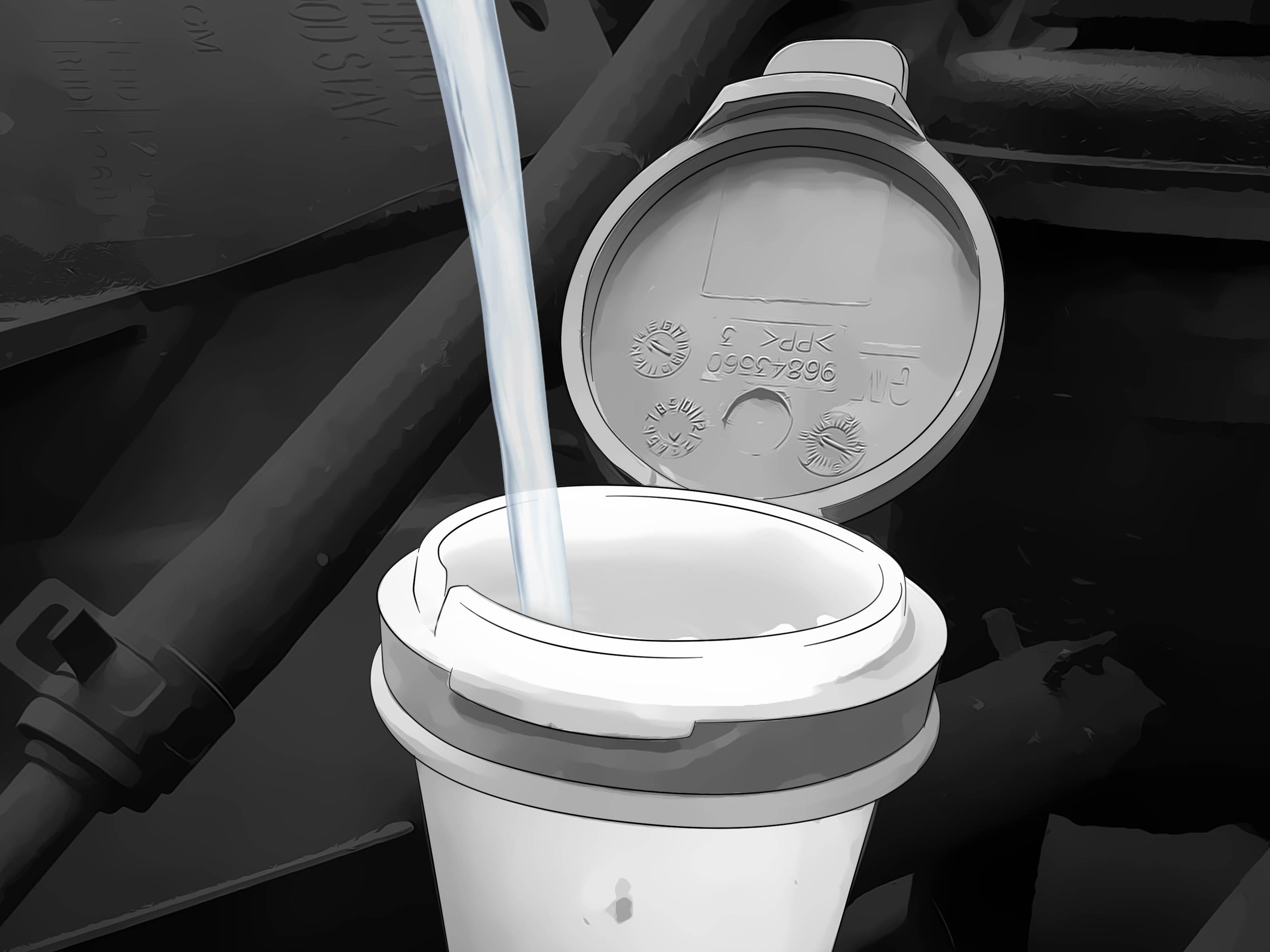
How to Use Windshield Washer Fluid
Windshield washer fluid helps remove dust, bugs, salt, pollen, and oily road film. In many cars, you pull the wiper stalk toward you to spray the front windshield. In some vehicles, you press a button or tab on the end of the stalk. The wipers usually sweep several times while the fluid sprays, then stop after a final clearing pass.
Use washer fluid when the windshield is dirty, but avoid spraying constantly in freezing weather unless you have winter-rated fluid. In cold climates, all-season or deicing washer fluid helps prevent the reservoir and spray nozzles from freezing. Plain water may seem harmless, but when temperatures drop, it can turn your washer system into a tiny ice sculpture.
How to Turn Rear Windshield Wipers On and Off
Rear windshield wipers are common on SUVs, minivans, hatchbacks, and wagons because their rear windows collect road spray more easily. A sedan may not have one, so do not panic if you cannot find a rear wiper control. Your car is not missing a secret feature; it may simply not need it.
Most rear wipers are controlled by a ring, switch, or button at the end of the same stalk used for the front wipers. Look for markings such as REAR, OFF, INT, LO, HI, or a small rear-window icon.
- Find the rear wiper control. It is often on the end of the wiper stalk.
- Turn the ring or press the button. Choose INT, LO, HI, or ON depending on your vehicle.
- Use rear washer fluid if needed. Many vehicles spray the rear window when you push the stalk away from you.
- Return the control to OFF. Turn the rear wiper switch back to OFF when the rear glass is clear.
Some vehicles automatically run the rear wiper when the front wipers are on and you shift into reverse. This feature is helpful when backing out of a rainy driveway or parking space. It can also surprise you the first time it happens, but it is normal on many models.
Front vs. Rear Wipers: What Is the Difference?
Front windshield wipers usually have more speeds and more precise controls because the driver’s forward view is critical. Rear wipers are often simpler. They may offer only intermittent and low-speed settings, or just ON and OFF. Rear wipers also tend to sweep in a wide arc across a smaller glass area.
The washer direction is usually different too. Pulling the stalk toward you often sprays the front windshield. Pushing the stalk away often sprays the rear window. If you mix them up once, congratulations: you have joined a large club of drivers who have confidently cleaned the wrong piece of glass.
Common Windshield Wiper Mistakes to Avoid
Using Wipers on Ice
If the windshield is covered in ice or heavy snow, do not force the wipers to move. Use the defroster, an ice scraper, and patience. Wiper motors and linkages can be damaged if the blades are frozen to the glass.
Leaving Wipers in AUTO at the Car Wash
Automatic wipers can turn on when water hits the windshield. Turn them off before entering a car wash to prevent damage to the blades, arms, or wiper motor.
Ignoring Streaks and Chatter
Streaking, squeaking, skipping, or chattering are signs that the blades may be dirty, worn, cracked, or hardened. Clean the rubber edge first. If performance does not improve, replace the blades.
Forgetting the Rear Wiper
Rear wiper blades wear out too. Because they are used less often, drivers forget about them until the rear glass becomes a blurry gray rectangle. Check the rear blade whenever you inspect the front blades.
When Should You Replace Windshield Wiper Blades?
A practical rule is to inspect wiper blades regularly and replace them when they no longer clear the glass cleanly. Many drivers replace them every six to twelve months, depending on climate, use, sun exposure, and blade quality. Hot sun can dry the rubber. Freezing weather can stiffen it. Dust and road salt can chew it up like a snack.
Replace wipers if you see streaks, missed areas, splitting rubber, squeaking, skipping, or a hazy film after each wipe. Also check that both front blades are the correct size. The driver-side and passenger-side blades may be different lengths. If your vehicle has a rear wiper, it usually uses a separate smaller blade.
Driving Safety Tips When Using Wipers
Wipers help you see, but they are only one part of rainy-weather driving. Turn on your low-beam headlights when conditions require continuous wiper use or when visibility is poor. In many states, headlights are legally required when wipers are in use. Even where it is not required, it helps other drivers see you.
Use the defroster if the windshield fogs up. Slow down in heavy rain, avoid standing water, and increase following distance. If you cannot see clearly even with wipers on high, find a safe place to pull over. No appointment, errand, or drive-thru craving is worth guessing where the lane is.
Troubleshooting: Why Are My Wipers Not Working Correctly?
The Wipers Will Not Turn Off
First, check whether the stalk is still in INT, AUTO, LO, or HI. If it is in OFF and the wipers keep moving for more than a few cycles, the issue may involve the switch, relay, motor park function, rain sensor, or body control module. A mechanic can diagnose the system.
The Wipers Move Slowly
Slow wipers can be caused by heavy snow, ice buildup, a weak motor, worn linkages, or electrical issues. Clear the windshield and cowl area first. If the problem continues in normal rain, have the system inspected.
The Washer Fluid Does Not Spray
Check the washer fluid reservoir. If it is full, listen for the washer pump when you activate the sprayer. No sound may mean a pump or electrical problem. A sound with no spray may mean clogged nozzles, a disconnected hose, or frozen fluid.
The Wipers Streak
Clean the windshield and the rubber blade edges. If streaks remain, replace the blades. Also check for wax, oil film, tree sap, and road grime on the glass.
Real-World Experience: Learning Wipers the Easy Way
The first time many drivers truly learn windshield wipers is not in a calm driveway. It is usually during surprise rain, with traffic moving, the windshield getting blurry, and the driver thinking, “Surely I know how this works.” Then the rear washer sprays, the front wipers stay still, and everyone in the car suddenly becomes a coach.
A useful habit is to practice while parked. Sit in the driver’s seat with the vehicle safely stopped, turn the power mode on, and test each wiper setting. Tap MIST or 1x. Move to INT and adjust the delay. Try LO and HI for just a moment. Pull the stalk gently to learn the front washer. If your vehicle has a rear wiper, turn the rear control on and off, then test the rear washer. This two-minute practice session can save you a lot of fumbling later.
In light rain, intermittent wipers are usually the smoothest choice. They keep the windshield clear without rubbing constantly. In steady rain, LO feels natural because it keeps up with the water without making the blades race. HI should be saved for heavy rain, highway spray, and moments when visibility drops quickly. If you use HI often and still cannot see, the safest move is not “more confidence.” It is slowing down or pulling over.
Another experience-based tip: washer fluid is your friend, but timing matters. If you are driving directly into low sun, spraying washer fluid can briefly create glare before the wipers clear it. If you are on a busy road, make sure you have enough space and visibility before spraying. The same goes for freezing weather. Use winter washer fluid, clear ice first, and let the defroster help. Do not ask frozen wiper blades to perform heroic acts. They are rubber strips, not snowplows.
Rear wipers are especially helpful when backing up after rain. SUVs and hatchbacks collect dirty spray on the rear window, and the backup camera may not show the whole story. A quick rear wipe before reversing can make pedestrians, curbs, posts, and shopping carts easier to see. However, rear wipers can be noisy on dry glass, so turn them off when the rear window is clear.
The biggest lesson is simple: wipers are not just convenience equipment. They are visibility equipment. Knowing how to turn windshield wipers on and off quickly helps you stay calm when weather changes. It also keeps your hands from wandering around the dashboard like you are searching for a secret treasure map. Learn the stalk, use the right speed, keep the blades fresh, and your windshield will stay clear enough for the important work of driving safely.
Conclusion
Turning windshield wipers on and off is easy once you recognize the common settings. Use MIST or 1x for one wipe, INT for light rain, AUTO for rain-sensing operation, LO for steady rain, HI for heavy rain, and OFF to stop the wipers. For rear wipers, check the end of the stalk for a ring, switch, or button, then select the rear setting you need.
Keep washer fluid filled, replace worn blades, clear ice before using the wipers, and turn on your headlights when visibility drops. A clear windshield makes driving safer, less stressful, and much less like piloting through a glass bowl of soup.












