
Painter’s tape is the tiny blue superhero of DIY painting. It swoops in, protects your trim, guards your glass, and promises clean lines like it went to finishing school. But what happens when you run out halfway through painting the guest room? Or when the tape pulls up fresh paint, refuses to stick to a dusty baseboard, or costs more than your emotional budget allows?
Good news: you are not doomed to a wall that looks like it was painted during an earthquake. There are several reliable painter’s tape alternatives, from cutting in with an angled brush to using a paint shield, liquid masking, masking film, cardboard, or a careful caulk line. The best option depends on the surface, the paint type, your patience level, and whether your hand is steady or more “caffeinated squirrel.”
This guide breaks down the most useful alternatives to painter’s tape, when to use each one, and how to avoid messy edges, paint bleed, and accidental trim crimes.
Why Look for a Painter’s Tape Alternative?
Painter’s tape is popular because it is designed to create clean paint lines while removing more easily than regular masking tape. Quality painter’s tape often has lower tack, better edge sealing, and cleaner removal than everyday tape. Still, it is not perfect.
You may need an alternative when:
- You do not have painter’s tape available.
- You are painting a delicate or freshly painted surface.
- The surface is textured, dusty, damp, or hard for tape to grip.
- You are painting around windows, hardware, curves, or tight corners.
- You want to save prep time on a small project.
- You prefer a more professional brush-based technique.
The trick is not simply replacing painter’s tape with “whatever sticky thing is in the junk drawer.” Duct tape may be loyal, but it is not invited to this party. A smart alternative should protect the surface, reduce cleanup, and avoid damaging paint, wood, glass, or trim.
Best Painter’s Tape Alternatives
1. Cut In With an Angled Sash Brush
The most professional alternative to painter’s tape is also the simplest: learn to cut in. Cutting in means painting a straight edge by hand where two surfaces meet, such as wall and ceiling, wall and trim, or wall and window casing.
A 2-inch to 2.5-inch angled sash brush is ideal for this job. The angled bristles let you guide the paint into corners with more control than a flat brush. Load only the lower part of the bristles, tap off excess paint, and begin slightly away from the edge. Then ease the brush toward the line and glide steadily.
This method is excellent for ceilings, baseboards, door trim, and corners. It takes practice, but once you get the feel for it, cutting in can be faster than taping an entire room. Also, it makes you feel like a painting wizard, which is not technically necessary but very satisfying.
2. Use a Paint Shield or Drywall Taping Knife
A paint shield is a flat tool that blocks paint from reaching an adjacent surface. You can buy a dedicated paint shield, but a wide drywall taping knife often works just as well. Hold the blade firmly along the edge you want to protect, paint along it, then wipe the blade clean before moving to the next section.
This alternative is especially useful along baseboards, window trim, door casings, and tight inside corners where tape is awkward. A 6-inch knife works for small areas, while a 10-inch or 12-inch knife is better for long runs.
The key is wiping the tool often. If paint builds up on the edge, the shield becomes less “protector of clean lines” and more “delivery system for smears.” Keep a damp rag nearby and clean the blade after each pass.
3. Try a Paint Edger
A paint edger is a small pad or roller tool designed to glide along trim, ceilings, or corners. It can be handy for people who dislike brush cutting but still want to avoid taping. Some edgers have wheels that ride along the edge while the pad applies paint beside it.
Paint edgers work best on smooth, straight surfaces. They are less helpful on heavy texture, uneven trim, or bumpy old plaster. For best results, load the edger lightly with paint. Too much paint can get onto the guide wheels and leave tracks, which is the opposite of the crisp line you were promised.
Use an edger for quick wall-to-ceiling borders, accent wall edges, and long straight areas. Keep a small brush nearby for corners and touch-ups.
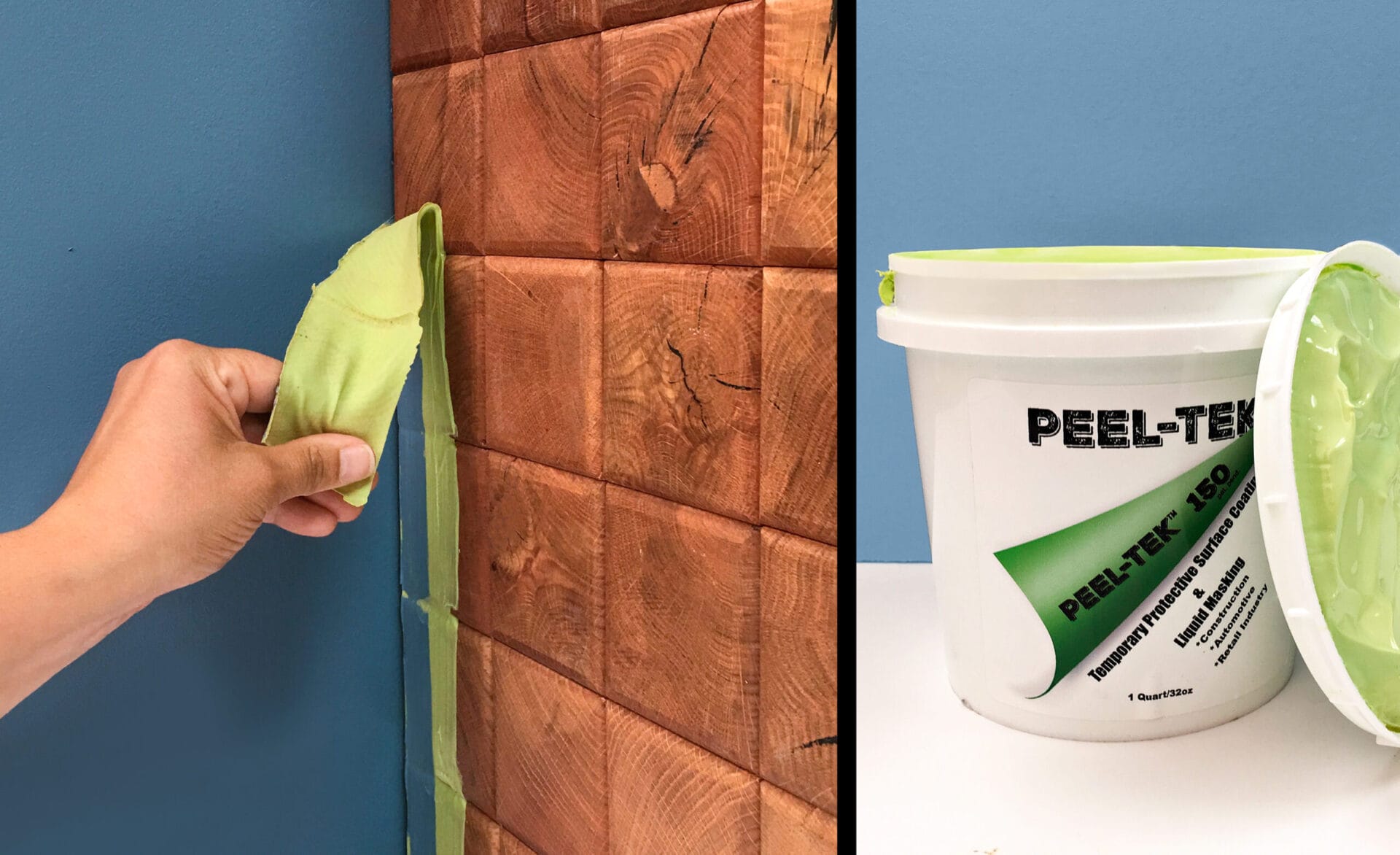
4. Use Liquid Masking for Windows
Liquid masking products are excellent painter’s tape alternatives for glass. Instead of taping every tiny pane like you are wrapping a gift for a very picky window, you brush a liquid mask onto the glass, let it dry, paint the frame, and then score and peel the mask away.
This method shines on divided-light windows, French doors, old wood sash windows, and glass-front cabinets. It can save time and reduce frustration when dealing with many small glass sections.
Always follow the product directions. Most liquid masks need drying time before painting and careful scoring with a utility knife before removal. Do not rush the peeling step unless you enjoy saying “Oops” in slow motion.
5. Use Masking Film or Pre-Taped Plastic
If your goal is protection rather than a razor-sharp decorative line, masking film can be better than painter’s tape alone. Pre-taped plastic sheeting combines tape with lightweight plastic, making it useful for covering windows, cabinets, appliances, furniture, baseboards, and large trim sections.
This is a strong option for spray painting, cabinet painting, door painting, and any project where overspray or splatter is a concern. It is not always the cheapest solution, but it can save a heroic amount of cleanup time.
Use masking film when you need to protect a wide area quickly. Press the tape edge firmly, unfold the plastic, and secure loose sections so they do not flap into wet paint like a dramatic little curtain.
6. Use Cardboard as a Temporary Paint Guard
Cardboard is the humble, budget-friendly painter’s tape alternative hiding in your recycling bin. A straight piece of cardboard can protect carpet, flooring, hardware, or trim while you paint nearby.
Slide cardboard under baseboards before painting trim. Hold it behind a doorknob when painting a door. Use it as a quick splash guard for small touch-ups. For floors, cereal boxes and shipping boxes can be cut into flat strips and placed along the wall.
Cardboard is not ideal for long, perfectly crisp lines, because it can bend and absorb paint. But for quick protection, it is cheap, flexible, and surprisingly useful. Plus, it gives your online shopping boxes a second career.
7. Use a Putty Knife and Rag for Tight Spots
A putty knife can protect narrow edges where tape will not fit. This works well around window mullions, inside corners, built-ins, and trim details. Place the knife along the surface you want to protect, paint beside it, then wipe it clean.
This method is similar to using a drywall taping knife, but better for small spaces. It is also useful when painting near hardware you do not want to remove. However, if you can remove hardware, remove it. Painting around knobs, hinges, and outlet covers is possible, but taking them off usually gives a cleaner result and fewer reasons to sigh heavily.
8. Use Artist’s Tape for Delicate Surfaces
Artist’s tape, drafting tape, or low-tack tape can be a good alternative when regular painter’s tape feels too aggressive. These tapes are designed to remove gently from paper, artwork, or delicate surfaces. They can be useful for freshly painted walls, decorative projects, murals, and light craft painting.
However, low-tack tape may not seal as firmly as painter’s tape, especially on textured walls or high-moisture areas. Test first. Press the edge gently but firmly, paint with a light hand, and remove carefully.
9. Use Masking Tape Only in Low-Risk Situations
Regular masking tape is often mistaken for painter’s tape. They look related, like cousins who show up to the same hardware aisle, but they behave differently. Masking tape usually has stronger adhesive and may leave residue or pull paint if left too long.
Can you use masking tape instead of painter’s tape? Sometimes. It may work for short-term use on durable surfaces like unfinished wood, metal, glass, or surfaces that will not be damaged by stronger adhesive. It is riskier on painted drywall, fresh paint, wallpaper, cabinets, and delicate finishes.
If you must use masking tape, apply it shortly before painting, avoid pressing harder than necessary, and remove it before the paint fully cures. Test it in a hidden spot first. Masking tape is not evil, but it does need supervision.
10. Use Petroleum Jelly for Tiny Hardware Areas
For small metal parts that are difficult to tape, a thin layer of petroleum jelly can act as a resist. It is sometimes used on screws, hinges, or small hardware details to keep paint from sticking. After painting, the jelly and accidental paint can be wiped away.
This is not a good method for walls, trim edges, or large surfaces. It can create adhesion problems if it gets where paint is supposed to stick. Use it sparingly, only on tiny nonporous areas, and clean thoroughly afterward.
Painter’s Tape Alternative by Project Type
For Painting Walls Near Ceilings
The best alternative is cutting in with an angled sash brush. Work slowly, keep a wet edge, and do not overload the brush. A paint edger can help on smooth ceilings, but a brush gives more control in corners.
For Painting Trim
Use a paint shield, drywall taping knife, or cardboard strip to protect nearby floors and walls. If the wall paint is fully cured and durable, low-tack tape may also work, but hand cutting often produces a smoother finish.
For Painting Windows
Liquid masking is one of the best options for glass. It is faster than taping many small panes and protects the glass while allowing you to paint the frame cleanly.
For Spray Painting
Use masking film, plastic sheeting, cardboard, or paper. Spray paint travels farther than expected. It has ambitions. Cover more area than you think you need.
For Accent Walls and Designs
Painter’s tape is still the easiest choice for sharp geometric patterns. If you need an alternative, try artist’s tape for delicate surfaces or stencils for repeated designs. For freehand murals, use pencil guidelines and small artist brushes.
What Not to Use Instead of Painter’s Tape
Some substitutes create more problems than they solve. Avoid duct tape on painted walls because it is usually too sticky. Avoid packing tape because it can leave residue and may not seal well. Avoid electrical tape for paint lines because it stretches and can create wavy edges. Avoid double-sided tape unless you enjoy removing tiny adhesive ghosts later.
Also, do not rely on newspaper alone for edges. Newspaper can protect surfaces from light splatter, but it wrinkles, tears, and absorbs paint. Use it with tape or another barrier if you need real protection.
How to Get Clean Paint Lines Without Tape
Regardless of the alternative you choose, clean lines come from good preparation and controlled paint application. Start with clean, dry surfaces. Dust, grease, and old residue can ruin any edge, taped or not. Use quality brushes and avoid overloading them with paint. Thick blobs are harder to control and more likely to bleed, drip, or leave ridges.
When cutting in, paint a narrow band around edges first, then roll the larger wall area while the brushed edge is still workable. This helps blend brush marks into the rolled finish. For paint shields and knives, keep the blade clean. For edgers, keep paint away from wheels and guides. For liquid mask, allow proper drying time and score carefully before peeling.
Most importantly, do not rush the prep. Painting is 70 percent preparation, 20 percent application, and 10 percent standing back with your hands on your hips deciding whether that corner needs “just one more touch-up.”
Painter’s Tape vs. Alternatives: Which Is Best?
Painter’s tape is still useful. It is hard to beat for long straight lines, stripes, baseboards, and projects where you need predictable edge protection. But alternatives can be better in specific situations. Cutting in is faster once you learn it. Liquid mask is better for many windows. A drywall knife is great for tight edges. Masking film protects large areas. Cardboard is perfect for budget-friendly quick jobs.
The best painter’s tape alternative is not one magic product. It is the method that matches your project. If you are painting one wall, an angled brush may be enough. If you are painting window frames, liquid mask could save your sanity. If you are spraying cabinet doors, masking film is your friend. If you are touching up trim before guests arrive in two hours, cardboard may be the hero wearing a shipping label.
Common Mistakes to Avoid
Using Too Much Paint
Too much paint causes bleeding, drips, and uneven edges. Whether you are using a brush, edger, or shield, lighter coats are easier to control.
Skipping the Test Spot
Always test tape, adhesive products, liquid mask, or petroleum jelly in a hidden area. Different paints and surfaces react differently.
Painting Over Dust
Dust prevents tape and paint from bonding correctly. Wipe trim, walls, glass, and baseboards before painting.
Moving Too Fast
Speed is great after you build skill. Until then, slow is smooth, and smooth is clean. Your wall is not running away.
of Real-World Experience: What Actually Works When You Skip Painter’s Tape
After trying several painter’s tape alternatives on real home projects, one lesson becomes obvious: the best method depends less on the tool and more on your comfort level. For example, cutting in with an angled brush feels intimidating at first. The first few inches may wobble. You may question your life choices. But after one wall, your hand starts to relax, and the brush begins to feel more like a pen than a mop. The key is not to aim for perfection in one heroic stroke. Make a controlled pass, keep the brush lightly loaded, and correct tiny uneven areas while the paint is still wet.
For baseboards, cardboard is surprisingly helpful. A strip from a shipping box can slide under the trim and protect the floor while you paint. It works especially well on hard flooring such as tile, laminate, or wood. On carpet, a thinner shield or putty knife is often better because it can press the carpet fibers down and create more space under the baseboard. The cardboard method is not glamorous, but neither is crawling around with blue tape for forty minutes while your knees file a complaint.
Liquid masking is one of the most satisfying alternatives for windows. Taping individual panes can feel like building a tiny prison for every square of glass. Liquid mask changes the process. Brush it on, let it dry, paint the frame, then score and peel. The peel is oddly rewarding, like removing a screen protector but with more sawdust nearby. The important part is patience. If the mask is too thin or not fully dry, removal becomes messy. Two thin coats usually work better than one heavy coat.
Paint shields and drywall knives are useful but require discipline. They do not magically prevent mess if you keep dragging a paint-covered blade along the wall. Wipe often. Seriously, wipe more than you think you need to. The clean blade is the whole trick. A wide knife is excellent along trim and ceilings, while a small putty knife is better around details. If you are using one near a freshly painted surface, be gentle so you do not scrape the finish.
Paint edgers are convenient for smooth walls, but they are not miracle machines. They work best when lightly loaded with paint. Dip them too deeply and the wheels pick up paint, leaving little tracks that look like a toy car drove through your project. Load the pad with a roller instead of dunking it, and keep the guide edge clean.
The biggest experience-based tip is this: combine methods. Use cutting in for ceiling lines, cardboard for floors, liquid mask for windows, and a putty knife for tight details. Painter’s tape is useful, but it is not the only path to a clean finish. With the right alternative and a little patience, you can paint a room neatly without turning your trim into abstract art.
Conclusion
A painter’s tape alternative can be simple, affordable, and surprisingly effective. For most wall and trim projects, the top choice is cutting in with a quality angled sash brush. For windows, liquid masking is often faster and cleaner. For floors and baseboards, cardboard or a drywall knife can protect surfaces without extra cost. For big messy projects, masking film provides wide coverage. And for delicate surfaces, artist’s tape or low-tack tape may be safer than standard painter’s tape.
The secret is choosing the right method for the job. Painter’s tape is helpful, but it is not mandatory for a crisp, professional-looking paint project. With steady technique, light coats, clean tools, and a little patience, your walls can look sharp enough to make visitors ask who you hired. You do not have to tell them it was you, a cardboard box, and a suspicious amount of confidence.












