
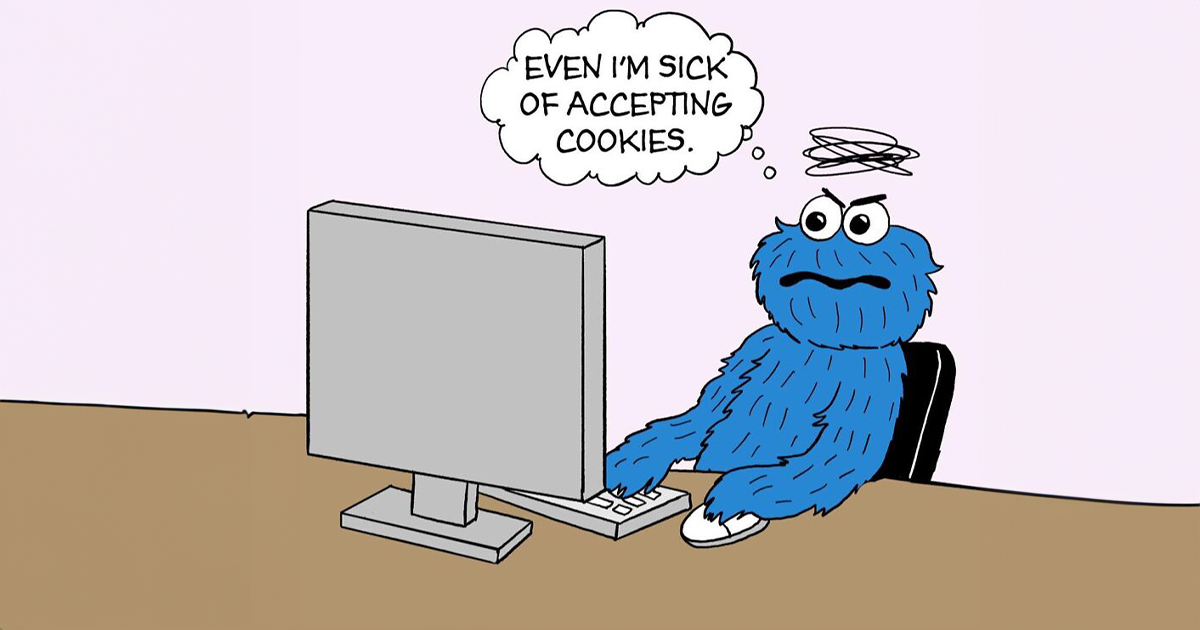
Life is full of tiny catastrophes that are not serious enough for therapy but are absolutely serious enough to make you stare at the ceiling for ten minutes. You send a text to the wrong person. Your pet judges your outfit. You try to look productive while your computer updates at the speed of a sleepy turtle. These are the beautifully ordinary disasters that make lighthearted comics so satisfying.
Cartoonist and author Maria Scrivan has built a recognizable comic voice around these moments through her cheerful, sharp-eyed series Half Full. Her work finds humor in everyday routines, awkward social rules, stubborn technology, food cravings, animals with suspiciously human attitudes, and the general fact that adulthood often feels like being handed a map written in spaghetti.
This collection celebrates the appeal of funny comics that turn familiar situations into quick visual punchlines. The scenes below are original editorial examples inspired by the relatable spirit of lighthearted single-panel humor, not reproductions or descriptions of individual published comic panels.
Why Lighthearted Comics Never Run Out of Material
A great funny comic does not need a villain, a spaceship, or a dramatic courtroom reveal. Sometimes all it needs is one person standing in front of an empty refrigerator at 11:47 p.m., hoping a slice of cheese will solve a problem that is clearly emotional. Lighthearted comics work because they take everyday behavior seriously for exactly one second, then gently poke it with a stick.
Maria Scrivan’s comic style fits this tradition beautifully. Her humor is bright rather than cruel, observational rather than preachy, and playful without pretending that daily life is always smooth. The joke often comes from a twist in perspective: a pet notices something humans ignore, a household object behaves as though it has a personal grudge, or a tiny inconvenience gets treated like an international emergency.
That combination matters. Readers do not just laugh because a cartoon is silly; they laugh because the silliness contains a little recognizable truth. The best relatable comics say, “Yes, your life is chaotic. No, you are not the only one who has argued with a printer.”
The Secret Ingredient: Recognition
Lighthearted comics are powered by recognition. A reader sees a familiar moment, spots a ridiculous exaggeration, and thinks, “That is absurd. Also, unfortunately, that is me.” The compact format makes the experience especially effective. There is no long setup, no complicated backstory, and no need to remember the name of a wizard from chapter three. A single panel can deliver an entire emotional weather report.
Modern readers also enjoy humor that can be absorbed quickly. A clever visual gag fits neatly into a busy day, whether someone is waiting for coffee, avoiding a spreadsheet, or pretending not to check their phone during a meeting. A well-made comic can offer a quick laugh without demanding a lunch break, a user manual, or a snack tray.
30 Funny Situations That Feel Almost Too Real
The magic of relatable comic art is its ability to turn small, everyday mishaps into scenes worthy of a standing ovation from the household cat. Here are 30 comic-ready situations that capture the warm, absurd flavor of lighthearted humor.
- The “I’ll Just Check One Thing” Phone Spiral: You unlock your phone to check the weather and emerge 45 minutes later knowing the life story of a stranger’s rescue chicken.
- The Grocery Store Brain Freeze: You arrive with a detailed list, forget every item on it, and return home with candles, sparkling water, and no dinner.
- The Pet Bed Negotiation: Your dog owns three beds, two blankets, and half the sofa, yet chooses the exact spot where you planned to sit.
- The Printer’s Personal Vendetta: The printer works perfectly all week, then refuses to cooperate precisely when you need one page for an important appointment.
- The Microwave Countdown Stare: You watch 12 seconds disappear as if you are monitoring a rocket launch.
- The Unexpected Video Call: You answer a work call with the confidence of a professional, forgetting that your hair is performing a separate comedy routine.
- The “Healthy Snack” Technicality: You eat fruit beside three cookies and decide the fruit has created a balanced meal through diplomacy.
- The Laundry Chair Empire: A chair becomes the official headquarters for clothes that are too clean for the hamper but too suspicious for the closet.
- The Shopping Cart With a Wobbly Wheel: You pick the one cart that sounds like it is dragging a tiny haunted wagon through the produce aisle.
- The Group Chat Timing Disaster: You type a joke, hesitate for one second, and suddenly the conversation has moved on to somebody’s dental surgery.
- The Alarm Clock Bargain: You promise yourself five more minutes, then wake up ready to negotiate directly with the laws of time.
- The New Recipe Confidence Trap: You begin with “This looks easy,” continue with “Why is it smoking?” and finish by ordering takeout.
- The Sock Mystery: Every household has a portal to another dimension, and it is apparently located inside the dryer.
- The Doorbell Panic: Someone rings the bell, and suddenly you must decide whether being silent in your own home counts as an advanced survival skill.
- The Password Amnesia Olympics: You create a secure password, write down a helpful clue, and later discover the clue is less useful than an ancient riddle.
- The “Quick Cleanup” That Reveals Ancient History: You move one item from a shelf and uncover a receipt from 2018, two batteries, and a mysterious crumb with a backstory.
- The Self-Checkout Drama: The machine announces that unexpected items are in the bagging area, and suddenly everyone nearby becomes an unpaid witness.
- The Socially Polite Escape: You say goodbye to someone, walk in the same direction, and both of you spend 30 seconds pretending this is normal.
- The Meeting Snack Math: You take one cookie so nobody thinks you are greedy, then spend the entire meeting thinking about the remaining cookies.
- The Cat’s “Helpful” Workday Contribution: Your cat walks across the keyboard and somehow produces a better project title than the one you spent an hour writing.
- The Missing Remote Expedition: Searching for the television remote becomes a full archaeological dig involving couch cushions and emotional damage.
- The Umbrella Betrayal: You carry an umbrella all day under blue skies. Leave it at home once, and the weather behaves like it has been waiting.
- The Refrigerator Stare-Down: You open the fridge repeatedly, as though new food might appear because you looked with greater confidence.
- The “I Can Carry Everything in One Trip” Challenge: You carry six grocery bags, a purse, mail, and a water bottle because making two trips would apparently be defeat.
- The Autocorrect Plot Twist: Autocorrect changes one harmless word into something that makes your text sound either dramatic, alarming, or strangely romantic.
- The Exercise Motivation Window: You put on athletic clothes, refill your water bottle, organize your playlist, and call the preparation phase a workout.
- The “I’ll Remember That” Lie: You refuse to write something down because you are certain you will remember. Your brain immediately deletes it for storage reasons.
- The Tiny Household Victory Parade: You finally fix a squeaky cabinet door and spend the rest of the day waiting for someone to notice your engineering genius.
- The Delivery Tracking Obsession: You check the tracking page every seven minutes despite knowing the package will not arrive faster out of fear.
- The Bedtime Revenge Scroll: You are exhausted, but you keep scrolling because tomorrow is waiting and you would like to delay meeting it.
What Makes Maria Scrivan’s Humor Feel So Friendly
The best lighthearted comics do not require anyone to be humiliated for the joke to work. That is part of what makes this style so inviting. The humor may involve awkwardness, frustration, poor planning, or a dog who appears to have stronger opinions than the entire family, but it rarely asks readers to laugh at someone’s pain.
Instead, the comedy creates a small space of recognition. A person juggling too many responsibilities becomes funny because everyone has experienced the feeling of trying to carry an invisible stack of plates. A pet behaving like a tiny landlord becomes funny because animals often seem to believe humans are merely staff members with thumbs.
Scrivan’s approach also shows how a single-panel comic can tell a complete story. A strong image establishes the setting, the expression supplies the emotional temperature, and the punchline changes the meaning of everything in a few words. It is visual storytelling with excellent timing: fast, clear, and just mischievous enough to make a routine moment memorable.
Comedy That Lets Readers Exhale
The world does not always need more noise. Sometimes it needs a cartoon about a person losing an argument with a fitted sheet. Lighthearted comics offer a small reset button. They remind readers that inconvenience is not necessarily tragedy, that messiness can be funny, and that even a bad day may contain material for a future laugh.
This is why funny comics continue to thrive across newspapers, books, websites, and social media. The format is flexible, portable, and wonderfully democratic. Anyone can understand the universal language of a cat sitting on a laptop at the exact moment a deadline arrives.
The Experience of Reading Lighthearted Comics in Everyday Life
Reading lighthearted comics is a surprisingly specific experience. It is not the same as watching a comedy show, listening to a joke, or reading a long humorous essay. A comic asks the reader to participate in a tiny act of discovery. Your eyes move across the drawing, notice a detail, connect it to the caption, and then the joke lands. It is a quick process, but it feels personal because your brain completes part of the comedy.
Imagine opening a comic while drinking coffee before work. You may be tired, distracted, and not entirely convinced that you are ready to speak to another human being. Then you see a cartoon character trying to look organized while chaos quietly occupies every corner of the room. You laugh because the scene is exaggerated, but you also laugh because your own desk may currently contain three cups, one charging cable, and a note that says “IMPORTANT” without explaining why.
That recognition creates comfort. A funny comic does not solve the problem of a difficult week, but it can reduce the feeling that you are the only person who has ever forgotten why they walked into a room. Humor gives the brain permission to look at minor stress from a safer distance. Suddenly, the mistake is not proof that the day is ruined. It is evidence that you are a person with a funny story.
Lighthearted comics are especially enjoyable because they are easy to share. You do not have to write a long explanation. You can send a panel to a friend with a simple message: “This is you,” followed by an emoji that suggests affection and mild accusation. The friend sends back, “Excuse me, this is us,” and the comic becomes a small conversation. It turns a private chuckle into social glue.
There is also something reassuring about humor that does not demand expertise. You do not need to know a fictional universe, understand an obscure reference, or take notes while reading. The scene may involve chores, pets, snacks, technology, work, family, or the strange confidence people feel when they try to carry too many grocery bags at once. The joke is available immediately, but the best comics leave a little extra detail for readers who look twice.
For artists, this kind of humor can be a reminder that inspiration often hides in plain sight. The funny material is not always in the spectacular event. It may be in the way someone talks to a malfunctioning printer, the way a pet reacts to a vacuum cleaner, or the heroic determination of a person trying to fold a map that clearly wants revenge. Everyday life is already full of scenes that are slightly ridiculous. A cartoonist simply turns on the spotlight.
For readers, the experience is equally valuable. A good funny comic can become a tiny ritual: one moment of amusement during a commute, a lunch break, a late-night scroll, or the five minutes between finishing one task and avoiding the next. It reminds us that life does not need to be perfect to be entertaining. Sometimes the best response to a crooked picture frame, a stubborn jar lid, or an accidental reply-all email is not panic. Sometimes it is a laugh, followed by a careful decision never to mention it again.
Final Thoughts: Small Moments, Big Laughs
Maria Scrivan’s lighthearted comic sensibility proves that everyday life is never too ordinary for humor. From pets with executive-level confidence to technology that chooses violence at the worst possible moment, small frustrations become funny when viewed from the right angle.
The charm of relatable comics lies in their generosity. They do not laugh at readers from across the room. They pull up a chair, hand everyone a snack, and say, “Yes, this is ridiculous. We are all doing our best.” In a world full of big headlines and endless notifications, that small, cheerful perspective is more powerful than it looks.












