
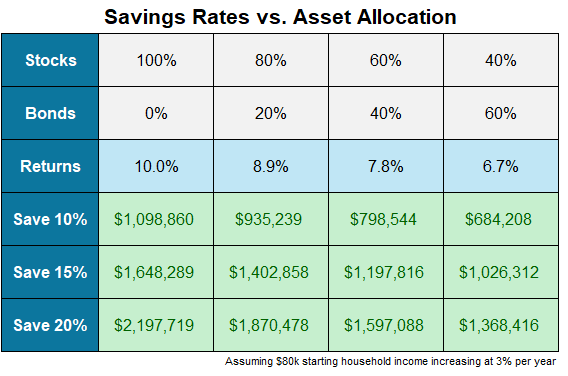
Improving your investment performance sounds like it should require a secret Wall Street terminal, three computer screens, and a suspicious amount of espresso. In reality, most investors can improve their results by doing fewer dramatic things and more boring-but-powerful things consistently. Not glamorous? Maybe. Effective? Absolutely.
The truth is that investment performance is not only about finding the next hot stock before everyone else discovers it. For most people, long-term investing success comes from building a sensible portfolio, keeping costs low, avoiding emotional decisions, managing taxes, and giving compounding enough time to do its slow-motion magic trick. A well-designed plan may not make you the star of a finance documentary, but it can help you avoid becoming the main character in a cautionary tale.
This guide breaks down six simple ways to improve your investment performance without pretending anyone can predict the market with perfect accuracy. These strategies are practical, research-backed, and useful whether you are investing through a 401(k), IRA, brokerage account, robo-advisor, or a collection of index funds you check far too often during lunch.
1. Start With a Clear Investment Plan
Before choosing investments, you need to know what the money is supposed to do. An investment plan is the difference between building a portfolio and randomly collecting financial objects like a raccoon with a brokerage account.
Your plan should answer three basic questions: What are you investing for? When will you need the money? How much risk can you realistically tolerate? These answers shape your asset allocation, which is the mix of stocks, bonds, cash, and other assets in your portfolio.
Match Your Portfolio to Your Time Horizon
Money needed in one or two years should not be treated the same way as money meant for retirement in 30 years. Short-term goals usually require stability, while long-term goals can typically accept more market volatility in exchange for higher potential growth.
For example, if you are saving for a home down payment you expect to use next year, a high-risk stock portfolio may be a poor fit. If the market drops right before you need the money, your dream kitchen could become a dream toaster. On the other hand, retirement money for decades from now may need growth-oriented assets to outpace inflation.
Write Down Your Rules Before the Market Gets Weird
A good investment plan should include rules for contributions, rebalancing, risk limits, and when you will review your portfolio. The best time to decide how you will handle a market downturn is before one happens. Once headlines start shouting, your brain may try to replace your plan with panic and a spreadsheet full of regrets.
Simple example: “I will invest monthly, keep a diversified 80% stock and 20% bond portfolio, rebalance once or twice a year, and avoid selling based only on short-term market news.” That kind of rule may sound basic, but basic is often what keeps investors from doing expensive things at emotional moments.
2. Diversify Like You Mean It
Diversification is one of the most reliable ways to improve risk-adjusted investment performance. It does not guarantee profits, and it will not protect every dollar during a bad market. But it can help reduce the damage caused by betting too heavily on one company, sector, country, or investment theme.
Think of diversification as refusing to let one investment hold your financial future hostage. A portfolio built around one stock may feel exciting when that stock is rising. Unfortunately, excitement is not a risk-management strategy. It is a feeling, and feelings are terrible portfolio managers.
Diversify Across Asset Classes
A balanced investment portfolio may include U.S. stocks, international stocks, bonds, cash, and possibly real estate investment trusts or other assets depending on your situation. Stocks offer long-term growth potential, while bonds can provide income and stability. Cash is not exciting, but it is useful for emergencies and short-term needs.
The right mix depends on your goals, age, income stability, risk tolerance, and time horizon. A younger investor saving for retirement may hold more stocks, while someone close to retirement may prefer a more balanced approach. The goal is not to copy someone else’s portfolio. The goal is to build one you can actually stick with.
Diversify Within Asset Classes
Owning ten technology stocks is not the same as being diversified. That is like saying you eat a balanced diet because you enjoy ten flavors of chips. Real diversification means spreading exposure across industries, company sizes, geographic regions, and investment styles.
Low-cost index funds and exchange-traded funds can make this easier. A broad U.S. stock market fund may hold hundreds or thousands of companies. An international fund can add exposure outside the United States. A bond fund can spread risk across many issuers and maturities. Instead of trying to pick every winner, you own many potential winners and reduce the harm caused by individual losers.
3. Reduce Fees Before They Quietly Eat Your Returns
Investment fees are sneaky. They do not usually arrive as a dramatic bill labeled “Money You Could Have Kept.” They quietly subtract from returns year after year. Over long periods, even small fee differences can become surprisingly large because money lost to fees no longer compounds for you.
Expense ratios, advisory fees, trading costs, fund loads, platform fees, and tax costs can all affect investment performance. A fund with a 1% expense ratio costs $10 per year for every $1,000 invested. That may sound harmless, but across larger balances and decades, the difference between a high-cost fund and a low-cost fund can be enormous.
Compare Similar Funds by Cost and Purpose
If two funds provide similar market exposure, the lower-cost option often has a built-in advantage. This is especially true for broad index funds, where many products track similar benchmarks. Paying extra may be reasonable for specialized advice or a strategy you truly understand, but paying more simply because a fund name sounds impressive is not a wealth-building plan.
For example, an investor choosing between two S&P 500 index funds should compare expense ratios, tracking quality, tax efficiency, and account availability. If one fund charges far more for nearly identical exposure, the higher fee must be justified. Spoiler alert: “The brochure has a mountain on it” is not a strong justification.
Be Careful With Overactive Trading
Frequent trading can increase costs, taxes, and mistakes. Even if your broker offers commission-free trades, there may still be bid-ask spreads, tax consequences, and behavioral costs. Jumping in and out of investments can feel productive, but activity is not the same as progress.
A simple way to improve investment performance is to reduce unnecessary portfolio tinkering. Review your holdings on a schedule, not every time the market sneezes. Your portfolio is not a houseplant; staring at it every hour will not make it grow faster.
4. Rebalance Your Portfolio Regularly
Rebalancing means adjusting your portfolio back to its target asset allocation. Over time, some investments grow faster than others. If stocks rise sharply, a portfolio that started as 70% stocks and 30% bonds might drift to 80% stocks and 20% bonds. That may increase risk without you consciously choosing to take more risk.
Rebalancing helps keep your portfolio aligned with your plan. It also creates a disciplined process for trimming assets that have grown beyond target and adding to areas that have fallen below target. In plain English: it helps you avoid letting the market redecorate your portfolio without permission.
Use Calendar or Threshold Rebalancing
There are two common approaches. Calendar rebalancing means reviewing your portfolio at set intervals, such as once or twice a year. Threshold rebalancing means making adjustments when an asset class drifts by a certain percentage from its target. Some investors combine both: review twice a year, but only trade if the drift is meaningful.
For example, suppose your target allocation is 60% stocks and 40% bonds. If strong stock performance pushes the mix to 67% stocks and 33% bonds, you might rebalance by moving some money from stocks to bonds or by directing new contributions toward bonds until the portfolio returns closer to target.
Rebalance Tax-Efficiently
In retirement accounts such as 401(k)s and IRAs, rebalancing usually does not trigger current taxable capital gains. In taxable brokerage accounts, selling appreciated investments can create taxes. That does not mean you should never rebalance taxable accounts. It means you should be thoughtful.
Tax-efficient rebalancing may include using new contributions to buy underweighted assets, reinvesting dividends strategically, rebalancing inside tax-advantaged accounts first, or harvesting losses when appropriate. The goal is to maintain your risk level without creating unnecessary tax drag.
5. Improve After-Tax Returns, Not Just Before-Tax Returns
Investment performance is not only about what your portfolio earns. It is about what you keep. Taxes can make two portfolios with similar before-tax returns produce very different after-tax results.
Tax-smart investing does not mean doing anything shady, dramatic, or likely to make an accountant stare silently into the distance. It means placing assets wisely, understanding how gains are taxed, and using available account types effectively.
Use the Right Account for the Right Job
Tax-advantaged accounts such as 401(k)s, traditional IRAs, Roth IRAs, and health savings accounts can improve long-term performance by reducing or delaying taxes. Employer retirement plans may also include matching contributions, which are among the closest things investors get to free money. If your employer offers a match and you ignore it, somewhere a personal finance writer drops a calculator in sadness.
Taxable accounts are also useful because they provide flexibility, but they require more attention to tax efficiency. Broad index funds and ETFs are often relatively tax-efficient because they tend to have low turnover. Actively managed funds may distribute taxable gains even when you did not sell shares yourself.
Consider Tax-Loss Harvesting Carefully
Tax-loss harvesting involves selling an investment at a loss to offset capital gains, and in some cases a limited amount of ordinary income. The investor then replaces the sold investment with a similar but not substantially identical holding to maintain market exposure while following tax rules.
This strategy can be useful in volatile markets, but it requires attention to the wash-sale rule and your broader tax situation. It is not magic. It is more like tidying up the tax closet so fewer things fall on your head later. Investors with taxable accounts may want to discuss this with a qualified tax professional.
6. Control Investor Behavior: The Most Underrated Performance Tool
The biggest threat to investment performance is often not the market. It is the investor holding the phone, reading scary headlines, and wondering whether to sell everything because a stranger online used too many capital letters.
Investor behavior matters because poor timing can reduce returns. Buying after big gains and selling after big losses is emotionally understandable but financially damaging. Markets are volatile. News cycles are dramatic. Your investment plan should not be rewritten every time a headline uses the word “plunge.”
Automate Good Decisions
Automatic contributions can help remove emotion from investing. Dollar-cost averaging, or investing a set amount at regular intervals, means you buy more shares when prices are lower and fewer shares when prices are higher. It does not guarantee better returns than lump-sum investing, but it can help investors stay consistent and avoid trying to perfectly time the market.
Automation also reduces decision fatigue. If your retirement contribution happens every paycheck, you do not need to hold a monthly debate with yourself about whether the market “feels right.” Feelings are useful for choosing music. They are less useful for timing the S&P 500.
Ignore Noise, But Review What Matters
Ignoring noise does not mean ignoring your portfolio forever. It means separating meaningful review from emotional reaction. A useful portfolio review asks: Are my goals the same? Is my asset allocation still appropriate? Are my fees reasonable? Am I saving enough? Do I need to rebalance?
An unhelpful review asks: What did the market do this morning? What did someone on television yell about? Should I buy whatever doubled last month? That kind of review tends to produce more stress than performance.
Putting the Six Strategies Together
Improving your investment performance is rarely about one heroic move. It is usually about stacking several small advantages. A clear plan keeps you focused. Diversification manages risk. Lower fees leave more money invested. Rebalancing keeps your portfolio aligned with your goals. Tax efficiency helps you keep more of your return. Behavioral discipline prevents expensive mistakes.
Here is a simple example. Imagine two investors, Alex and Jordan. Alex builds a diversified portfolio of low-cost funds, contributes automatically every month, rebalances annually, and avoids emotional trading. Jordan constantly switches funds based on last year’s winners, pays higher fees, forgets about taxes, and sells whenever headlines feel scary. Jordan may have more stories. Alex is more likely to have better long-term results and lower blood pressure.
The point is not that every investor should own the same portfolio. The point is that every investor benefits from a repeatable process. The market will always be uncertain. Your habits do not have to be.
Common Mistakes That Hurt Investment Performance
Chasing Past Performance
One of the easiest traps is buying whatever performed best recently. Past performance can be useful information, but it is not a promise. Hot funds can cool quickly, and investors who arrive late may experience the financial version of showing up to a party after the cake is gone.
Holding Too Much Cash for Long-Term Goals
Cash is important for emergencies and short-term needs, but too much cash can reduce long-term growth. Inflation quietly reduces purchasing power over time. For long-term goals, investors usually need some exposure to growth assets.
Confusing Complexity With Sophistication
A portfolio does not need 47 funds, five apps, private market exposure, and a strategy named after a weather pattern to be effective. Complexity can increase fees, taxes, overlap, and confusion. A simple portfolio that matches your goals is often better than a complicated one you do not understand.
Ignoring Risk Until It Shows Up
Many investors discover their true risk tolerance during a downturn. Unfortunately, that is like discovering whether you can swim after jumping off the boat. Build a portfolio you can live with before markets become uncomfortable.
Experience-Based Lessons: What Actually Helps Investors Stay on Track
One of the most useful experiences related to improving investment performance is learning that the market does not reward constant attention. Many investors begin by checking their accounts every day. At first, it feels responsible. Then it becomes a tiny emotional roller coaster that runs on red and green numbers. A portfolio may be up at breakfast, down at lunch, and confusing by dinner. None of that movement necessarily says anything meaningful about a 20-year goal.
A better experience is setting a review schedule. For example, choose two dates each year to review your portfolio. During that review, look at your asset allocation, contribution rate, fees, tax situation, and whether your goals have changed. This turns investing from a daily guessing game into a manageable routine. It also reduces the temptation to make unnecessary trades just because the market had a dramatic Tuesday.
Another practical lesson is that automation beats willpower. Many people plan to invest “whatever is left over” at the end of the month. The problem is that money has a way of disappearing into restaurants, subscriptions, and mysterious household purchases from online carts. Automatic investing flips the order. You invest first, then spend what remains. This simple habit can improve long-term results more than searching for the perfect fund.
Investors also learn that risk tolerance is not a personality slogan. It is easy to say, “I am aggressive,” during a bull market. Everyone feels brave when the chart points up and financial news anchors are smiling. The real test comes when the market drops. If a 25% decline makes you want to abandon your plan, your portfolio may be too aggressive. Improving investment performance means choosing a risk level that lets you stay invested through bad markets, not just enjoy good ones.
Another experience worth remembering: simple portfolios are easier to maintain. A portfolio with three to five broad funds can be easier to understand, rebalance, and monitor than a pile of overlapping investments. When investors own too many funds, they may not know what they actually hold. They can accidentally double up on the same companies or sectors while thinking they are diversified. Clear beats clever.
Taxes are another area where experience teaches humility. A fund can look great before taxes and less impressive after taxes. Selling a winning investment may feel satisfying until the tax bill arrives wearing tap shoes. Investors with taxable accounts often benefit from thinking before selling, holding tax-efficient funds, and using losses strategically. This does not mean taxes should control every investment decision, but they should be part of the conversation.
Finally, the most valuable experience is learning to separate action from progress. Sometimes the best investment decision is to do nothing. Not forever, not blindly, but intentionally. If your plan is sound, your allocation is appropriate, your costs are low, and your contributions are steady, constant changes may do more harm than good. In investing, patience is not laziness. Patience is a strategy with fewer buttons.
Conclusion: Better Investment Performance Is Built, Not Discovered
Improving your investment performance does not require predicting the next market boom, decoding every Federal Reserve comment, or buying a stock because someone on social media used rocket emojis. It requires a practical system: create a plan, diversify broadly, lower costs, rebalance regularly, manage taxes, and control your behavior.
These six simple ways to improve your investment performance work because they focus on what investors can control. You cannot control market returns, inflation surprises, interest rate changes, or whether a CEO says something strange on live television. But you can control your savings rate, asset allocation, fees, tax awareness, rebalancing process, and reaction to volatility.
The best investment strategy is not the one that sounds smartest at a dinner party. It is the one you can follow consistently through good markets, bad markets, and the weird markets that make everyone suddenly become an economist. Keep it simple, stay disciplined, and let time do the heavy lifting.
Note: This article is for educational purposes only and should not be considered personalized financial, tax, or investment advice. Investors should consider their own goals, risk tolerance, time horizon, and tax situation before making financial decisions.












