
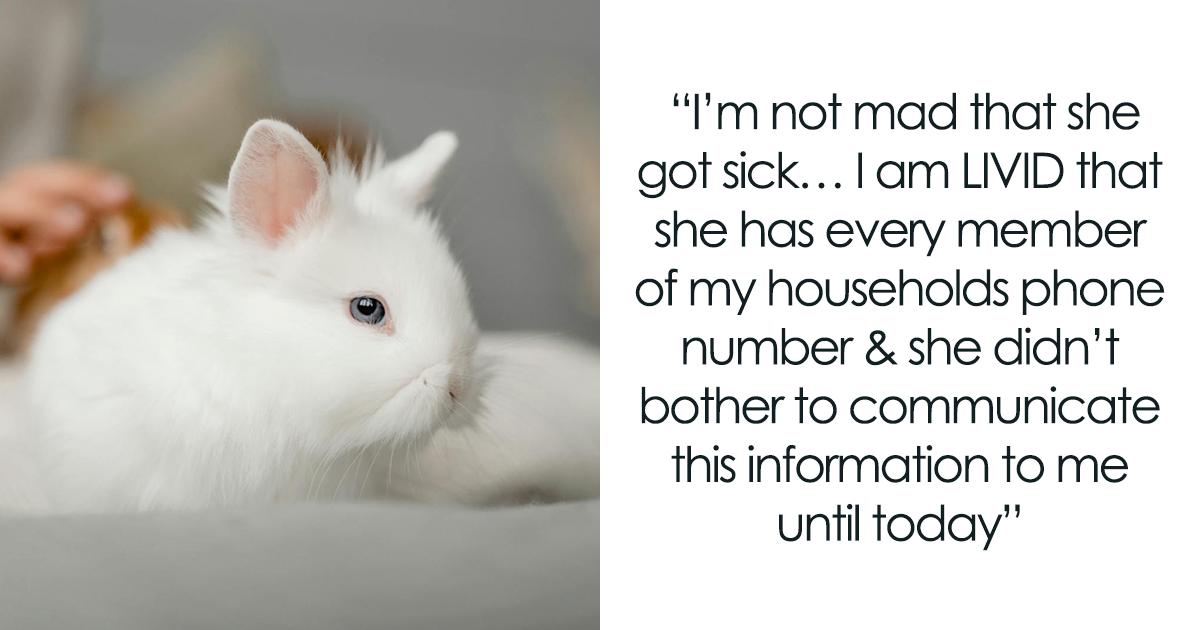
Leaving a beloved bunny behind while going on vacation is already emotionally complicated. Rabbits may be quiet, soft, and shaped like fuzzy throw pillows with opinions, but they are not low-maintenance decorations that can survive on a pile of pellets and vague good intentions.
That is why one rabbit owner’s vacation nightmare hit such a nerve: a trusted best friend promised to care for the bunny, reassured the owner that everything would be fine, then reportedly vanished for days. When the owner returned home, the rabbit’s care routine had fallen apart, the living area was a mess, and the friendship was hanging by a thread thinner than a strand of timothy hay.
The situation is a reminder that pet sitting is not simply “stopping by when convenient.” For rabbit owners, it is a serious responsibility involving food, fresh water, sanitation, safety checks, and close attention to subtle signs of illness. A bunny cannot text, call, or leave a passive-aggressive note on the fridge. Their version of filing a complaint may be refusing food, hiding in a corner, or quietly becoming very sick.
A Vacation Promise Turns Into a Bunny Emergency
The arrangement sounded simple at first. The rabbit owner had a vacation planned and needed someone dependable to care for her pet. Her best friend volunteered. She knew the bunny, had spent time around the home, and confidently promised to visit every day.
The owner left detailed instructions: refill hay, change the water, provide the proper greens and pellets, clean the litter area, make sure the rabbit was eating, and send a quick photo update. Nothing wildly complicated. No advanced veterinary degree required. No bunny ballet recital. Just daily care for a living animal.
At first, the friend sent a cheerful update. Then the messages slowed down. A photo appeared, but it looked old. The owner asked whether the bunny had eaten breakfast. No answer. She asked whether fresh water had been added. Still nothing. Her vacation mood changed from “beach towel and fruity drink” to “I may need to rent a parachute and return home immediately.”
When she finally came back, the scene was infuriating. The rabbit had reportedly been left with inadequate fresh supplies, the enclosure was dirty, and there was no clear proof that the promised daily visits had happened. The bunny may have survived, but the owner was understandably furious. A friend had not merely forgotten to water a plant. She had ignored a responsibility involving an animal’s health and safety.
Why Rabbits Cannot Be Treated Like “Easy” Pets
People sometimes underestimate rabbits because they are small, quiet, and not likely to chew through a couch cushion while making direct eye contact. But rabbits have complex physical and emotional needs. They require consistent routines, a safe environment, proper nutrition, fresh water, exercise, enrichment, and regular observation.
Unlike many pets, rabbits can become seriously ill without creating dramatic warning signs. They are prey animals, which means they may hide discomfort until they are already in trouble. A rabbit that is not eating normally, has reduced droppings, looks hunched, grinds its teeth, seems unusually still, or refuses favorite treats may be experiencing pain or digestive distress.
One major concern is gastrointestinal stasis, often called GI stasis. This condition involves slowed digestive movement and can become dangerous quickly. Stress, dehydration, pain, poor diet, overheating, dental trouble, illness, or a sudden change in routine can all contribute. That is why a missing bunny sitter is not just frustrating; it can create a real medical risk.
Fresh grass hay is especially important because rabbits need fiber to support healthy digestion and dental wear. Water matters just as much. A rabbit should not be left with one questionable water bottle and a hope that gravity remains loyal. Water containers can leak, clog, tip over, or become dirty. Responsible rabbit care includes checking that the bunny is actually drinking.
What Makes This Pet-Sitting Failure So Infuriating?
The anger in a situation like this is about much more than a dirty litter box. It is about broken trust.
A pet owner may spend days preparing for a trip: buying extra hay, organizing medical records, writing feeding instructions, checking the temperature in the rabbit’s room, and leaving emergency contact numbers. They may feel guilty about leaving at all. Then someone they trust says, “Don’t worry. I’ve got this.”
Those words matter.
When the sitter disappears, ignores messages, or treats visits as optional, the owner is left dealing with fear, rage, and a terrible question: What happened while I was gone? Even if the bunny appears okay, uncertainty can be emotionally exhausting. Rabbits are family members. They have routines, preferences, favorite hiding spots, suspicious relationships with broomsticks, and strong opinions about who is allowed to move furniture.
A good friend does not have to be a rabbit expert. But they do need to be honest about what they can handle. Saying yes and then disappearing is far worse than saying, “I care about you, but I am not reliable enough to be responsible for your bunny this week.”
What a Responsible Bunny Sitter Should Actually Do
A rabbit sitter does not need to perform a full wellness exam with a clipboard and tiny hospital scrubs. However, they should complete a consistent daily care routine.
Provide Unlimited Fresh Hay
For most adult pet rabbits, grass hay should make up the biggest part of the diet. The sitter should make sure hay is always available, dry, clean, and easy for the rabbit to reach. An empty hay rack is not a minor inconvenience. It is a warning sign that the rabbit’s food supply has not been monitored properly.
Check Water, Not Just the Water Container
Fresh water should be available daily. The sitter should rinse and refill bowls or bottles as instructed, then confirm the rabbit can actually access the water. Many rabbit owners provide both a bowl and a bottle for backup. That may seem extra until one container fails, at which point “extra” becomes “very smart.”
Feed the Correct Food in the Correct Amount
Rabbit diets are not a free-for-all buffet. A sitter should follow the owner’s instructions precisely. That means providing the approved greens, pellets, treats, supplements, or medications without improvising. A rabbit does not need a surprise vacation menu featuring crackers, cereal, or half a banana because someone thought it looked cute.
Observe Eating, Droppings, and Behavior
The sitter should check whether the rabbit is eating hay, drinking water, moving around normally, and producing regular droppings. Changes in appetite and fecal output can be important signs that something is wrong. A photo is useful, but observation is better. “I saw the bunny” is not the same as “I checked that the bunny was eating, drinking, and acting normally.”
Clean the Living Area
Daily spot-cleaning helps keep the rabbit’s environment sanitary and comfortable. Wet bedding, soiled litter, old greens, spilled water, and scattered food can create stress and hygiene issues. A bunny’s home does not need to look like a luxury hotel, but it should not resemble the aftermath of a tiny hay-themed music festival either.
Send Honest Updates
Owners deserve straightforward updates. A quick message such as “Bunny ate breakfast, drank water, litter box looks normal, and here is a new photo” can provide enormous peace of mind. If something seems unusual, the sitter should say so immediately rather than hoping it will magically resolve itself by the next day.
How Rabbit Owners Can Avoid a Pet-Sitting Disaster
Trusting a friend is understandable. Friends are often less expensive than professional sitters, and many owners feel more comfortable leaving a pet with someone familiar. But friendship alone is not a pet-care qualification.
Before booking a trip, rabbit owners should choose a sitter who is dependable, communicative, and willing to learn the routine. A person who regularly forgets appointments, vanishes from group chats, or considers “I’ll probably swing by” an acceptable plan may not be the best candidate for daily bunny care.
Do a Trial Visit Before the Trip
Have the sitter complete the routine while you are still home. Watch them refill hay, replace water, prepare food, clean the litter area, and interact calmly with the rabbit. This is not about being controlling. It is about confirming that instructions make sense and that the sitter feels comfortable.
Create a Clear Rabbit Care Sheet
Write everything down. Include feeding amounts, approved foods, medication instructions, cleaning tasks, emergency signs, veterinarian contact information, backup contacts, and the location of supplies. Use plain language. “Give one cup of mixed greens from the labeled container each evening” is clearer than “Feed her vegetables.”
Set Daily Check-In Expectations
Ask for a photo or short video every day. It is not about surveillance. It is about accountability and reassurance. A reliable sitter should have no problem sending a fresh update. If the sitter disappears after day one, you can activate a backup plan before the situation becomes worse.
Have a Backup Person Ready
Every rabbit owner should have a second person who can step in. This may be a neighbor, family member, rabbit rescue volunteer, professional pet sitter, or veterinary boarding facility. Vacations are more relaxing when you know there is a Plan B, especially when Plan A has the reliability of a shopping cart with one crooked wheel.
Choose Rabbit-Savvy Care When Possible
Professional pet sitters who understand rabbits can be worth the cost. Some veterinary clinics, rabbit rescues, and specialized boarding services also offer rabbit care. The best option depends on the bunny’s personality, health needs, and ability to cope with travel. Many rabbits are happiest staying in their familiar environment with a knowledgeable person visiting daily.
What To Do When You Come Home and Suspect Neglect
Returning home to a stressed or poorly cared-for bunny can trigger a wave of anger, but the rabbit’s immediate wellbeing comes first. Check food, water, temperature, behavior, droppings, and the condition of the living area. Offer fresh hay and water right away, then observe whether the rabbit is eating and moving normally.
If the rabbit is refusing food, producing very few droppings, sitting hunched, seeming weak, breathing strangely, or acting unlike itself, contact a rabbit-experienced veterinarian promptly. Do not assume the bunny is simply “mad” because you were away. Rabbits can hold grudges, sure, but medical concerns need to be ruled out first.
Document what you find. Take photos of the enclosure, empty containers, dirty bedding, spoiled food, or anything else that helps establish what happened. This may matter if money was paid for pet sitting, if veterinary expenses result, or if the owner needs to explain the situation to a rescue organization, boarding service, or other caregiver.
Then address the friendship honestly. A calm conversation may reveal that the sitter had an emergency, felt overwhelmed, or did not understand rabbit care. But an explanation does not erase the consequences. Trust can be rebuilt only when someone accepts responsibility, apologizes sincerely, and demonstrates changed behavior over time.
Experiences Rabbit Owners Share After a Vacation Care Scare
Rabbit owners who have experienced a bad pet-sitting situation often say the same thing: they never again assume that someone understands rabbit care simply because they like animals. Loving animals is wonderful. Being willing to handle their daily responsibilities is something else entirely.
One common experience is the “mystery photo.” A sitter sends an adorable image of the bunny, but the owner later realizes it was taken before the trip even began. The photo looks convincing until the owner notices the same blanket, the same untouched hay pile, or a calendar in the background with the wrong date. That is when a cute bunny selfie turns into a forensic investigation worthy of a true-crime podcast called Only Murders in the Hay Rack.
Another rabbit owner may come home to discover that the sitter gave too many treats but barely any hay. The bunny is happy enough to accept snacks because rabbits are not foolish when it comes to treats, but the diet is not appropriate. A rabbit can be simultaneously adorable, clever, and deeply committed to making terrible nutritional decisions if given the chance.
Some owners discover water issues. A bottle may have clogged. A bowl may have tipped. A sitter may have filled the container once and assumed that was enough for several days. That is why experienced rabbit caregivers often recommend using backup water sources and asking sitters to confirm that the rabbit is drinking, not merely that a container exists somewhere in the room.
Then there are the communication disasters. The sitter means to visit in the morning, gets distracted, promises to go later, forgets again, and eventually avoids messages because they feel guilty. This is a very human pattern, but it is disastrous when an animal depends on the person. Guilt does not refill hay. Avoidance does not clean a litter box. And silence does not help an owner make emergency decisions from hundreds of miles away.
On the brighter side, many rabbit owners say a vacation scare taught them how to build a better care system. They started using printed checklists, labeled food containers, backup sitters, pet cameras, and daily photo requirements. Some found professional rabbit sitters. Others connected with local rabbit rescue groups or exotic-animal communities and discovered people who understood the difference between a bunny and a low-maintenance houseplant.
Owners also learn that routines matter. Rabbits often feel more secure when their feeding schedule, environment, and daily interaction stay consistent. A sitter who arrives at roughly the same time, speaks calmly, provides familiar food, and avoids unnecessary changes can help reduce stress while the owner is away.
Most importantly, rabbit owners learn not to feel guilty for having standards. Asking someone to provide daily care, send proof of visits, follow feeding instructions, and call for help when something seems wrong is not being dramatic. It is responsible pet ownership. Your bunny cannot advocate for itself in a group chat. You have to be the voice that says, “No, one visit three days ago is not enough.”
The Real Lesson: Pet Sitting Is a Commitment, Not a Casual Favor
The story of the disappearing bestie and the enraged bunny owner is memorable because it exposes a painful truth: a promise to care for someone’s pet should be treated with the same seriousness as the promise itself.
Rabbits need daily attention, fresh hay, clean water, a sanitary environment, and someone alert enough to notice when something changes. A reliable sitter does not need to be perfect. They need to show up, follow instructions, communicate honestly, and ask for help when they are unsure.
For rabbit owners, the takeaway is simple: choose caregivers carefully, prepare detailed instructions, establish daily check-ins, and always have a backup plan. Because the only thing a bunny should be disappearing into during your vacation is a cardboard tunnel, not a preventable pet-sitting disaster.












