
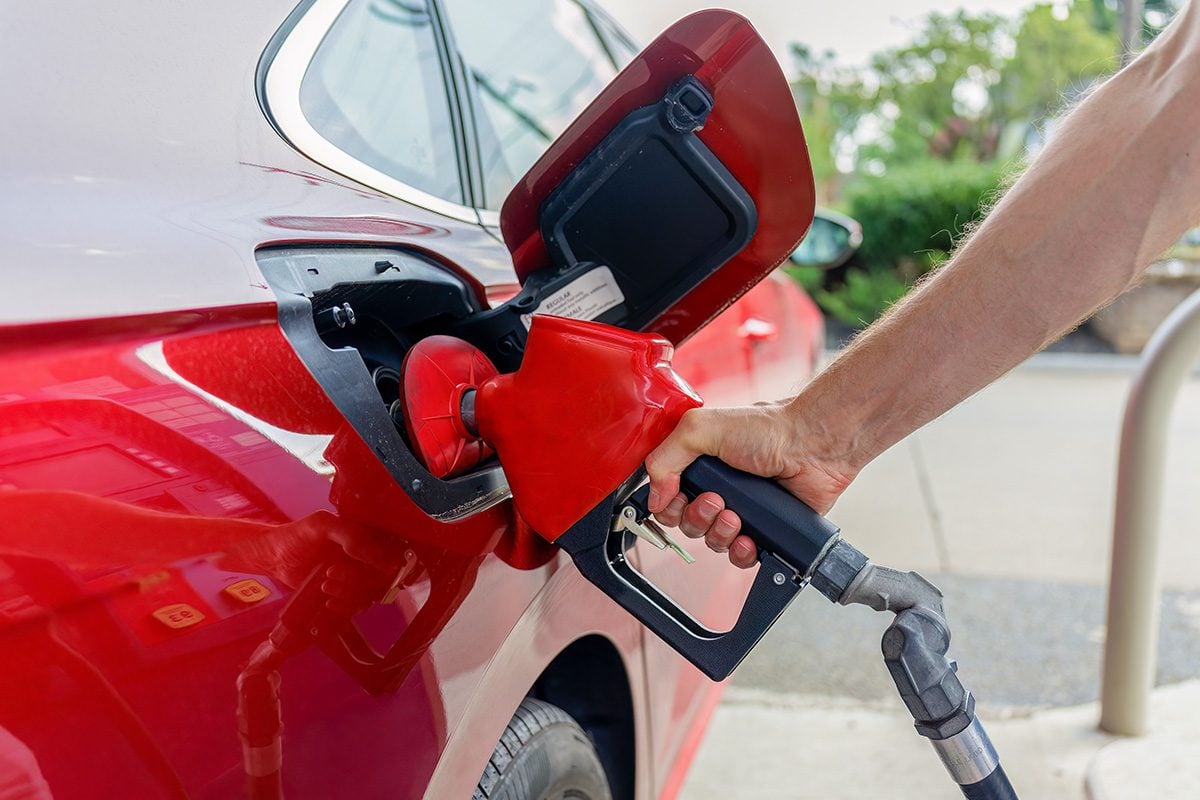
If your car drinks gasoline like it is training for a triathlon, you already know the pain of watching the pump numbers rise faster than your patience. The good news is that gas rewards programs can soften the blow. The bad news is that not every program is worth the five minutes it takes to download the app. Some are excellent. Some are decent. Some are basically a digital sticker and a polite smile.
After comparing the biggest gas loyalty programs, grocery-linked fuel discounts, and app-based cash-back options, one program stands out as the best overall choice for most drivers: Shell Fuel Rewards. It offers the best balance of everyday savings, stackable perks, and realistic long-term value. That said, the “best” program can still change depending on whether you shop at Kroger, live near Circle K, fill up at 7-Eleven, or love squeezing every nickel out of a tank like a financial ninja.
This guide breaks down which gas rewards program is best, why it wins, where the runner-ups shine, and how to combine programs for maximum savings without turning your glove box into a part-time accounting firm.
The Quick Verdict: Which Gas Rewards Program Is Best?
Best overall rewards program for buying gas: Shell Fuel Rewards.
Why? Because it combines three things that matter most to real drivers:
- Solid everyday discounts that can improve with usage
- Stackable earning opportunities through partners and grocery tie-ins
- Usable savings at the pump without requiring an advanced degree in coupon archaeology
For many households, Shell lands in the sweet spot between “easy enough to use” and “actually worth caring about.” New members can get an introductory boost, regular users can keep Gold or earn Platinum, and the program gives you more ways to save than a typical single-brand gas app. It is not the only good option, but it is the most complete one.
How I Judged the Best Gas Rewards Programs
A gas rewards program is only as good as the savings you can actually use. A giant headline discount that expires in a blink or works only during a lunar eclipse is not very helpful. To evaluate the best options, I looked at five practical factors:
1. Everyday value
The best program should help on normal fill-ups, not just on a flashy first purchase. A consistent 5 cents to 10 cents off per gallon can add up over a year, especially for commuters and multi-car households.
2. Ease of use
If a program requires seventeen taps, two verification codes, and a ceremonial dance beside pump number four, most people will quit. A good rewards program should work through an app, a linked card, or a simple phone number.
3. Availability
Amazing rewards do not matter if your nearest participating station is located somewhere between nowhere and absolutely not. National reach matters.
4. Stackability
The top programs let you combine rewards with grocery loyalty, app offers, dining partnerships, or a separate cash-back card. That is where good savings become great savings.
5. Realistic earning potential
Some programs look generous until you realize you need premium fuel, perfect timing, and the buying habits of a delivery fleet to make them worthwhile. I favored programs with benefits regular drivers can actually capture.
Why Shell Fuel Rewards Is the Best Overall
Shell Fuel Rewards wins because it does not rely on one trick. It gives you several ways to save, and that flexibility is what separates it from the pack.
Tiered savings that reward loyalty
Shell’s program uses status levels like Silver, Gold, and Platinum. In plain English, that means the more consistently you fuel up at Shell, the better your per-gallon savings can become. For people who already pass a Shell station on the regular, this system makes sense. You are not forced to change your life; you are just getting rewarded for habits you already have.
Even the math is appealing. If you fill up 15 gallons per week and save 5 cents per gallon, that is about $39 a year. At 10 cents per gallon, that becomes roughly $78 a year. That will not pay for a Caribbean vacation, but it can absolutely cover a few pizzas, one painfully expensive parking ticket, or your annual emotional support iced coffee budget.
Stackable rewards make the difference
This is where Shell pulls ahead. Many gas programs only reward you when you buy gas from that brand. Shell also lets members stack savings from participating grocery programs and other partner offers. That matters because the biggest gas savings often come from activities you would do anyway, like grocery shopping or linked-app promotions.
In other words, Shell is not just a gas rewards program. It is a gas savings ecosystem. Yes, that phrase sounds suspiciously corporate, but in this case it is useful.
Strong value for both casual and heavy drivers
Some programs mainly work for super-frequent drivers. Others are only interesting for occasional coupon hunters. Shell lands in the middle. A casual driver can still get decent value, while a commuter or family with multiple vehicles can unlock meaningfully better returns.
Best for: most drivers
If you want one answer to the question, “What is the best rewards program for buying gas?” Shell Fuel Rewards is the cleanest recommendation for the average American driver.
The Best Alternatives, Depending on Your Habits
Shell is the best overall, but not everyone drives the same routes, shops the same stores, or lives near the same brands. Here are the best alternatives by use case.
Circle K Inner Circle: Best for simple savings
Circle K Inner Circle is appealing because it does not pretend to be complicated. New members get a strong introductory discount, and then ongoing per-gallon savings continue after that. If your top priority is simplicity, this program deserves attention.
It is especially good for drivers who want an immediate win without tracking a bunch of partner offers. If Shell is the honors student, Circle K is the smart kid who finishes the test early and still gets an A-minus.
7Rewards: Best for convenience-store regulars
If your life includes frequent visits to 7-Eleven for fuel, coffee, snacks, or the occasional regret-fueled late-night taquito, 7Rewards is a solid choice. It offers everyday fuel savings and the possibility of stacking with other discounts in the ecosystem.
This is not the most sophisticated program, but it can work well for people who value convenience and already live within the 7-Eleven orbit.
bp earnify: Best for consistent, no-drama savings
bp’s earnify program is one of the easiest to understand. Members get a steady per-gallon discount plus points on purchases. That makes it attractive for drivers who do not want to chase statuses or special promotions.
If Shell is the best all-around athlete, earnify is the reliable player who shows up on time, does the fundamentals well, and never makes the group project worse.
Exxon Mobil Rewards+: Best for premium fuel buyers and loyal Exxon/Mobil customers
Exxon Mobil Rewards+ is more points-based than discount-based, which means the value feels slower at first. Still, it becomes more compelling if you frequently buy premium fuel, use Exxon or Mobil often, or can benefit from related perks such as linked membership offers.
This is not my top pick for casual drivers, but for brand-loyal users it can absolutely make sense.
Kroger Fuel Points: Best if you already spend heavily on groceries
This is one of the most underrated ways to save on gas. Kroger’s Fuel Points program lets you earn points through grocery shopping and redeem them for fuel discounts. If you do a large weekly grocery run, the savings can become surprisingly strong, especially during bonus-point promotions.
For a family that already shops at Kroger or one of its related banners, this can beat many gas-station loyalty apps. The catch is obvious: it works best if Kroger is already part of your life. If not, do not start driving twenty extra minutes for yogurt just to save seven dollars on fuel. That is not strategy. That is performance art.
Wawa Rewards: Best if Wawa is your second home
Wawa Rewards gives you points on fuel and store purchases, which can be useful if you already stop there often. It is not the strongest pure fuel discount program nationwide, but it can be effective in regions where Wawa is part of everyday life.
The main point is this: regional loyalty can beat national rankings if the station is already on your route and the app fits your habits.
Walmart+ Fuel Savings: Best membership-based option
Walmart+ is not a traditional gas rewards program, but it deserves a mention because members get a fuel discount at a large network of stations, including Exxon, Mobil, Walmart, and Murphy locations. If you already pay for Walmart+ for delivery or shopping perks, the gas discount becomes a nice extra.
If you would only subscribe for fuel savings, the value is less obvious. But as part of a broader membership you already use, it can be a very practical money saver.
Upside: Best companion app, not best stand-alone loyalty program
Upside is different from brand-specific rewards programs. It offers cash back at participating locations and works best as a companion layer. Think of it as the sidekick, not the superhero. A very competent sidekick, but still.
If you combine Upside with a station rewards program and a good cash-back card, you can build a three-layer savings stack. That is where savvy drivers quietly win.
What About Gas Credit Cards?
A gas rewards program is good. A gas rewards program plus the right credit card is better. If your card earns cash back on gas purchases, you can double-dip by earning both pump discounts and card rewards. That combination often beats trying to find a single miracle program.
For example, you might use Shell Fuel Rewards for the cents-off discount, pay with a cash-back card that rewards gas purchases, and occasionally stack with grocery-linked offers. None of those savings alone is life-changing, but together they can make a real dent in your annual fuel bill.
How to Choose the Right Gas Rewards Program for You
Pick the station you already use
The best program is the one attached to the station you can realistically visit. Do not choose a theoretically amazing option that requires you to drive past three cheaper stations and a mild existential crisis.
Think in yearly savings, not headline offers
A big sign-up discount is nice, but the long-term value matters more. Compare what you can save over twelve months, not just the first three fill-ups.
Look for stackable value
The strongest strategy is usually one station program, one payment method, and one companion app or grocery tie-in. That is the modern fuel savings trifecta.
Keep it simple enough to use
The perfect rewards strategy that you never remember to activate is worse than the decent one you use every week.
Common Mistakes Drivers Make
- Choosing a program based only on the welcome offer
- Ignoring grocery-linked fuel discounts
- Forgetting to stack with a rewards credit card
- Driving out of the way just to chase a tiny discount
- Assuming points are always better than instant per-gallon savings
Final Take
If you want the simplest serious answer, Shell Fuel Rewards is the best rewards program for buying gas for most people. It offers solid everyday value, useful status-based savings, and stronger stacking potential than most rivals. It is the best blend of flexibility and payoff.
That said, the smartest move is not always to pick the single highest-rated brand. It is to choose the program that matches your real-life routine. Circle K is great for straightforward savings. 7Rewards works well for convenience-first drivers. bp earnify is strong for predictable value. Exxon Mobil Rewards+ makes sense for brand-loyal and premium-fuel customers. Kroger Fuel Points can be excellent for grocery-heavy households. Walmart+ and Upside can work beautifully as add-ons.
The pump may never become a happy place, but with the right rewards program, it can at least become a less offensive one.
Real-World Experiences With Gas Rewards Programs
One of the most interesting things about gas rewards programs is that drivers rarely judge them the way marketers think they will. On paper, people say they want the biggest discount. In practice, they want the program that fits neatly into their day without creating extra work. That is why some drivers stick with Shell, others swear by Kroger Fuel Points, and a different crowd will happily defend Upside like it is a family member.
A commuter who fills up every week usually has a very different experience from someone who works remotely and drives mostly on weekends. The commuter tends to notice consistency first. They like seeing a predictable discount every time they pull up to the pump. They do not want to remember rotating offers or decode point values while standing next to a windshield squeegee that has seen too much. For that kind of driver, a program like Shell Fuel Rewards or bp earnify feels rewarding because the benefit shows up regularly and with very little drama.
Families often have a different story. They may discover that grocery-linked savings beat gas-station loyalty by a mile. A big household that spends heavily on groceries can earn meaningful fuel discounts through Kroger Fuel Points, especially during bonus promotions. For them, gas savings do not begin at the gas station at all. They begin in the cereal aisle, which is not glamorous, but it is effective.
Then there are drivers who enjoy the game. These are the stackers. They use a station loyalty app, a cash-back credit card, and a companion app like Upside. They know where the best offers are, they check the app before fueling, and they have turned buying gas into something suspiciously close to a hobby. Their experience is often the most profitable, but also the most effort-intensive. If that sounds fun, wonderful. If that sounds exhausting, choose the simpler path and preserve your peace.
Regional habits matter too. Someone in Wawa country may get plenty of value just because Wawa is woven into everyday life. Another driver may prefer 7Rewards because the local 7-Eleven is convenient, fast, and already part of the weekly routine. In those cases, convenience can be worth more than a mathematically superior program that is never actually used.
The biggest lesson from real-world experience is surprisingly simple: the best rewards program is not just the one with the highest theoretical return. It is the one you will actually remember, actually use, and actually redeem. Savings that live only in promotional emails are not savings. They are decoration. The winning program is the one that quietly lowers your fuel cost month after month while asking as little of your brain as possible.












